

In the United States, a Safety 1st car seat usually weighs about 8 to 20 pounds, depending on the type and model. Lightweight infant seats may weigh less than 10 pounds without the base, while all-in-one seats often weigh 15 pounds or more.
The exact weight matters when you move the seat, switch cars, travel by air, or install it in a vehicle with limited space. The safest choice, however, is not always the lightest one. A proper fit, correct installation, and an appropriate harness position matter more than a small difference in weight.
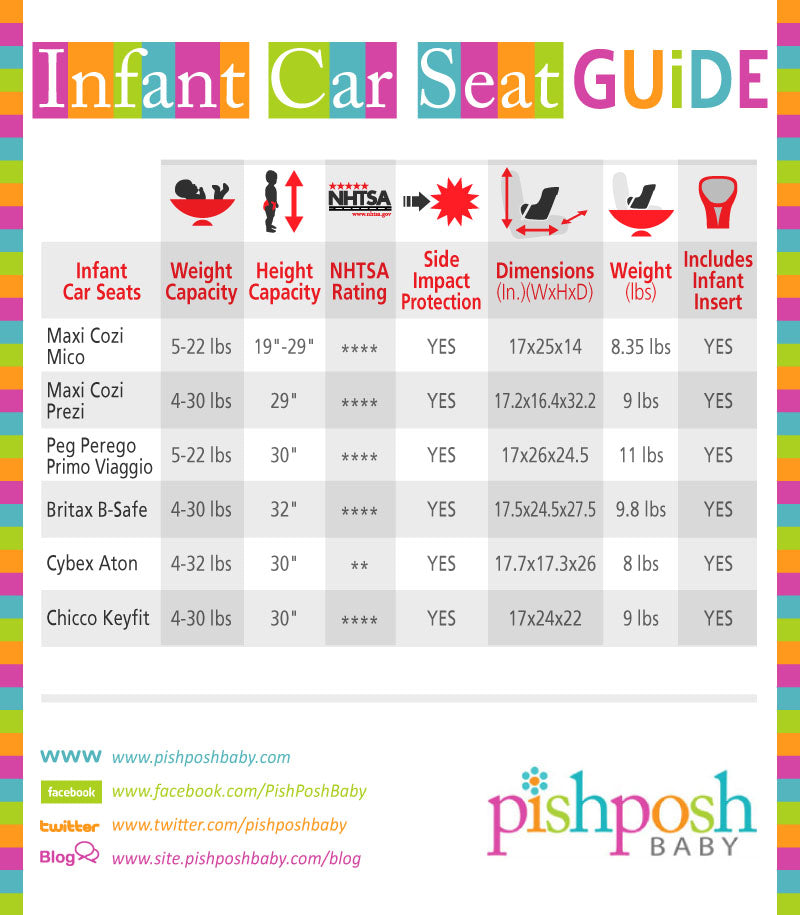
Safety 1st car seat weights by type
Safety 1st makes infant car seats, convertible seats, booster seats, and all-in-one seats. Each type has a different typical weight range.
| Safety 1st seat type | Typical seat weight | Base included in weight? |
|---|---|---|
| Infant carrier | About 7–10 pounds | Usually no |
| Infant carrier with base | About 14–18 pounds total | Yes |
| Convertible car seat | About 10–18 pounds | Not applicable |
| All-in-one car seat | About 14–22 pounds | Not applicable |
| High-back booster | About 8–15 pounds | Not applicable |
| Backless booster | About 2–5 pounds | Not applicable |
These are useful planning ranges, not one universal specification. Safety 1st has many models, and the listed weight can change when the company updates a product.


For the exact number, check the product label, instruction manual, or current Safety 1st product page. Retail listings can also show weight, but the manufacturer’s documentation should be the final reference.
Examples of Safety 1st model weights
The following examples show why the answer varies:
- Safety 1st Guide 65 convertible seat: commonly listed at about 10 pounds.
- Safety 1st Grow and Go all-in-one seat: commonly listed at about 7–10 pounds, depending on the version and listing.
- Safety 1st Continuum 3-in-1 seat: commonly listed at about 14–15 pounds.
- Safety 1st onBoard infant carrier: commonly listed at about 8 pounds without the base.
- Safety 1st infant seat with its base: often weighs about 15–18 pounds as a complete set.
These figures should not be treated as interchangeable. A product name may cover more than one trim, fabric set, or regional version. Always match the weight to the model number printed on your seat.

Why the weight can differ between listings
The biggest source of confusion is that sellers do not always measure the same thing. One listing may show the weight of the seat alone. Another may include the infant base, padding, or packaging.
Look for these terms:
- Product weight: Usually the assembled seat without the shipping box.
- Carrier weight: The removable infant seat only.
- Base weight: The separate infant-seat base.
- Item weight: A retailer’s measurement, which may or may not include parts.
- Shipping weight: The seat, box, packaging, and accessories together.
For an infant seat, add the carrier and base weights if you plan to carry both parts together. For example, if the carrier weighs 8 pounds and the base weighs 7 pounds, the complete system weighs about 15 pounds.
The child’s weight must also be added when you carry the seat with a child inside. A 15-pound seat holding a 20-pound infant creates a total load of about 35 pounds. Do not lift an occupied seat in a way that feels unstable or unsafe.

How to find the exact weight of your Safety 1st car seat
Use the model number before relying on a search result. Several Safety 1st seats have similar names, and small design changes can affect the listed weight.
Follow these steps
Find the model name.
Look on the front, side, or back of the seat.Find the model number.
It may appear on a label near the base, on the back of the shell, or in the manual.Check the date of manufacture.
Older and newer versions may have different specifications.Read the manual or product label.
Use the weight listed for that exact version.Confirm what the number includes.
Check whether it refers to the carrier, base, inserts, or complete seat.Weigh the seat if the documentation is unclear.
Use a household scale. Weigh the carrier and base separately if it is an infant system.
If the scale and manual disagree by a small amount, use the manufacturer’s published specification for product comparisons. A home scale may be affected by attached inserts, covers, or removable parts.


Does a heavier Safety 1st car seat mean it is safer?
No. Weight alone does not prove that a car seat is safer.
A heavier seat may have more padding, a larger shell, steel parts, or extra adjustment features. A lighter seat may use a different design and still meet the applicable federal safety standard. In the United States, car seats sold for road use must meet Federal Motor Vehicle Safety Standard 213.
That does not mean every seat fits every child or vehicle equally well. A seat is more likely to protect a child when:
- It is the correct type for the child’s height, weight, and age.
- It fits the vehicle’s seating position.
- It is installed according to the manual.
- The harness is snug and correctly positioned.
- The child’s head and body remain within the stated limits.
- The seat has not expired or been damaged.
A light seat that moves too much after installation is not a good choice for that seating position. A heavier seat that cannot be installed correctly is also a poor choice. Correct fit and installation should guide the decision.

Does car seat weight matter for installation?
Seat weight usually does not change the basic installation rule. You still need to follow the Safety 1st manual and your vehicle owner’s manual.
The main practical issue is handling. A heavy seat may be harder to position, tighten, or move between vehicles. This matters most for grandparents, caregivers, people with back problems, and families who switch cars often.
Check these installation points
- Use either the vehicle seat belt or the lower anchors as directed. Do not use both unless both manuals specifically allow it.
- Make sure the seat rests firmly on the vehicle cushion.
- Check for excessive movement at the belt path. The seat should not move more than 1 inch from side to side or front to back when tested at the correct belt path.
- Use the top tether for forward-facing installation when required or recommended by the manuals.
- Do not add aftermarket padding, straps, or inserts unless Safety 1st approved them for that seat.
- Confirm that the recline angle matches the child’s direction of travel and the manual’s instructions.
If the seat does not install securely, stop and ask a certified child passenger safety technician for help. In the United States, families can find inspection locations through Safe Kids Worldwide or their state’s child passenger safety program.

Is a lightweight Safety 1st car seat better for travel?
A lighter seat can be easier to carry through an airport, lift into a rental car, or move between vehicles. That is its main advantage.
Before traveling, check more than the seat weight:
- Whether the exact model is approved for use on an aircraft.
- Whether the label states that it meets applicable motor vehicle safety standards.
- Whether the seat fits the aircraft seat width.
- Whether you need the base for the travel plan.
- Whether the child meets the model’s rear-facing or forward-facing limits.
- Whether the seat can be installed correctly in the destination vehicle.
The Federal Aviation Administration generally recommends that young children use an approved child restraint system on an aircraft rather than travel as a lap-held child. The FAA advises checking for an aircraft-use label and following the airline’s rules.
An infant carrier may be convenient because it can be installed without its base in many vehicles when the manual allows it. The base is not automatically required for every installation, but the carrier must be secured exactly as Safety 1st describes.
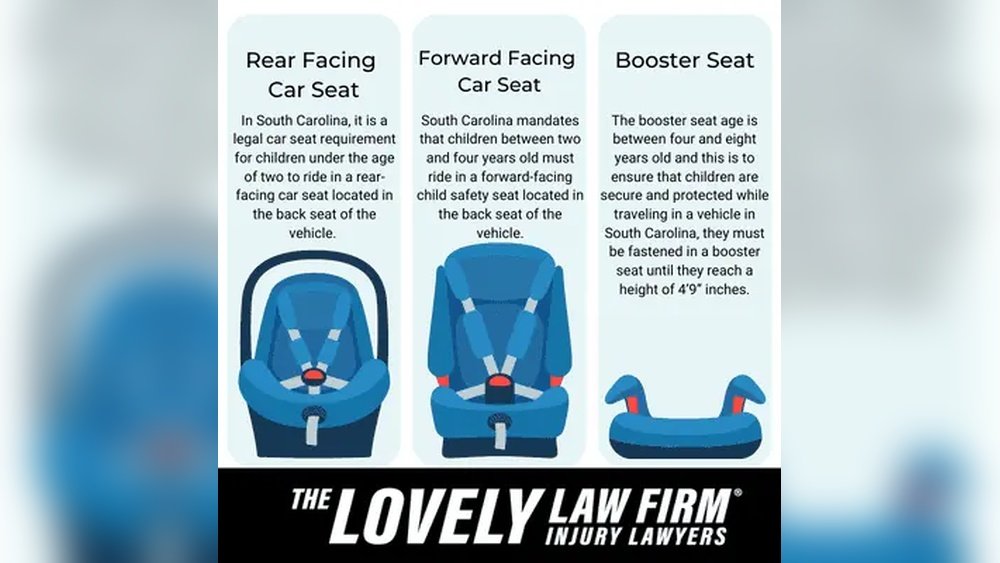
Weight comparison: infant, convertible, and all-in-one seats
The best weight choice depends on how you use the seat.


| Your main need | Weight feature to consider | Main trade-off |
|---|---|---|
| Carrying a newborn often | A lighter infant carrier | The carrier is outgrown sooner |
| One seat for rear- and forward-facing use | A midweight convertible seat | It may be harder to transfer |
| One seat through several stages | An all-in-one seat | It is often larger and heavier |
| Occasional use by an older child | A lightweight booster | It may provide fewer adjustment features |
| Frequent travel | A manageable seat with aircraft approval | The lightest model is not always the easiest to install |
An infant seat is often easier to carry at first, but the child eventually outgrows the carrier. A convertible seat stays in the vehicle and may offer longer use. An all-in-one model can reduce the need to buy another seat, but its size may make it less convenient to move.
Think of seat weight as a daily-use factor, not a safety rating.

Common mistakes when comparing Safety 1st car seat weight
Mistake 1: Comparing a carrier with a complete travel system
An infant carrier without its base may weigh 8 pounds, while the complete system may weigh nearly twice as much. Compare the parts you will actually carry.
Mistake 2: Using shipping weight
Shipping weight includes cardboard, plastic, and other packaging. It does not tell you how heavy the installed seat will be.
Mistake 3: Assuming every model with the same name weighs the same
Manufacturers may revise fabrics, inserts, padding, or hardware. Check the model number and production date.
Mistake 4: Choosing only by weight
A lighter seat may not fit your vehicle, child, or installation method. A secure fit is more important than saving a few pounds.
Mistake 5: Adding unapproved accessories
Extra cushions or covers can change how the harness fits. Use only parts approved for the specific Safety 1st model.
Mistake 6: Ignoring expiration and crash history
Do not use a seat after its stated expiration date. Replace a seat after a moderate or severe crash unless the manufacturer specifically confirms that it remains safe to use. Also avoid a used seat if you cannot verify its history, labels, recalls, and parts.

Frequently asked questions
How much does a Safety 1st infant car seat weigh?
A Safety 1st infant carrier commonly weighs about 7 to 10 pounds without the base. The carrier and base together often weigh about 14 to 18 pounds. Check the manual for the exact model.
How much does a Safety 1st convertible car seat weigh?
Most Safety 1st convertible seats weigh roughly 10 to 18 pounds. The exact number depends on the model, padding, adjustment system, and production version.
How much does a Safety 1st all-in-one car seat weigh?
A Safety 1st all-in-one seat commonly weighs about 14 to 22 pounds, although some listed versions may fall outside that range. Verify the current specification for your model number.
Can I install a Safety 1st car seat without the base?
Some Safety 1st infant carriers can be installed without the base by using the vehicle seat belt. This is model-specific. Follow the carrier manual and check for the correct belt path and installation instructions.
Does the weight limit include the car seat?
No. A child’s stated weight limit refers to the child, not the combined weight of the child and seat. Never exceed the seat’s height, weight, or harness limits.
Where can I get help installing a Safety 1st car seat?
A certified Child Passenger Safety Technician can check the installation and harness fit. Use Safe Kids Worldwide’s inspection station directory or contact your state highway safety office.
Bottom line
A Safety 1st car seat generally weighs 8 to 20 pounds, with infant carriers at the lighter end and all-in-one seats at the heavier end. The exact answer depends on the model and whether you include the infant base.


To choose correctly, match the model number, read the current manual, and compare the weight of the parts you will carry. Then prioritize a secure vehicle fit, correct harness use, and compliance with the seat’s height and weight limits.
