

Walmart is often the cheapest major tire store in the United States for a basic tire purchase, but it is not always the cheapest overall. The lowest total price depends on the tire size, brand, installation fee, warranty, membership cost, taxes, and local promotions.
For many drivers, the best way to find the cheapest tire store is to compare the out-the-door price for four installed tires. That price should include mounting, balancing, valve stems, disposal fees, taxes, and any required tire protection plan.
A low tire price can look like a bargain until installation adds $100 or more. Think of the tire price as the price of a meal and the service fees as the tip, tax, and delivery charge. You need the full bill to know what you will pay.

Which tire store is usually the cheapest?
The answer changes by buyer and tire type. This table shows the usual pattern for large U.S. retailers.


| Store type | Where it is often cheapest | Main trade-off |
|---|---|---|
| Walmart | Low-cost tires and basic installations | Service quality and availability can vary by store |
| Discount Tire or America’s Tire | Competitive tires, price matching, and strong service | The lowest sticker price is not guaranteed |
| Costco | Premium and mid-range tires for members | Membership fee and required installation package |
| Sam’s Club | Members who buy several tires at once | Membership fee and club availability |
| Local tire shop | Special sizes, used tires, or personal service | Prices and policies vary widely |
| Online tire retailer | A wide choice and frequent discounts | You still pay for installation at a local shop |
Walmart: often the lowest basic price
Walmart is commonly one of the least expensive choices for budget tires. It sells several private-label and national brands, and its tire centers are available in many parts of the country.
Walmart may be a strong choice if:
- You need four standard tires.
- You want a low purchase price.
- Your vehicle uses a common tire size.
- You can confirm that the local tire center has an appointment.
- You do not need a premium road-hazard plan.
The final cost can rise through installation, disposal, valve stem, and protection fees. Service times and appointment availability may also differ by store.
Discount Tire and America’s Tire: often strong on total value
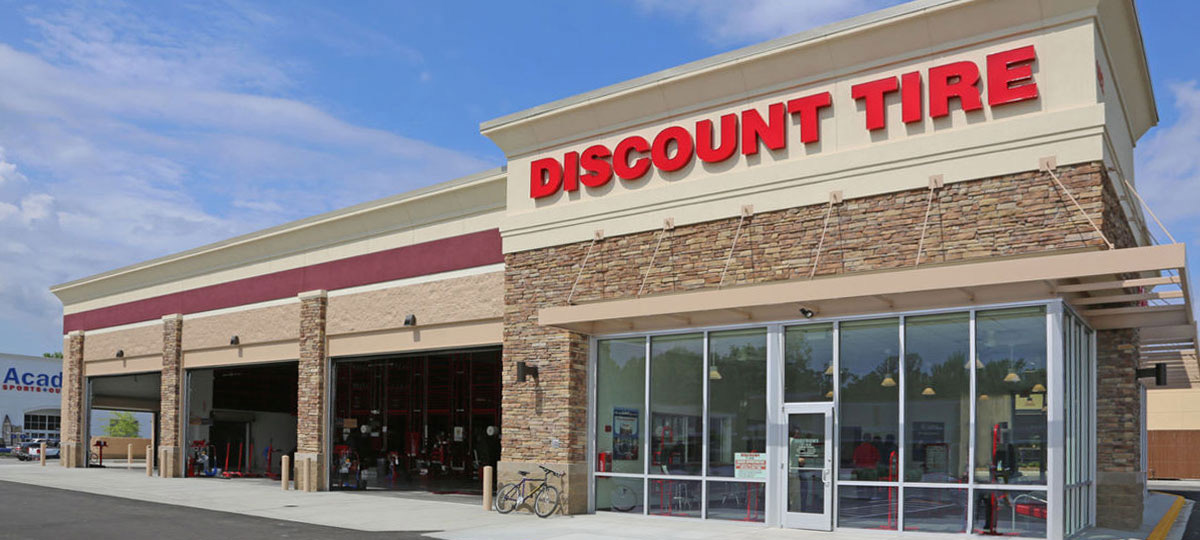
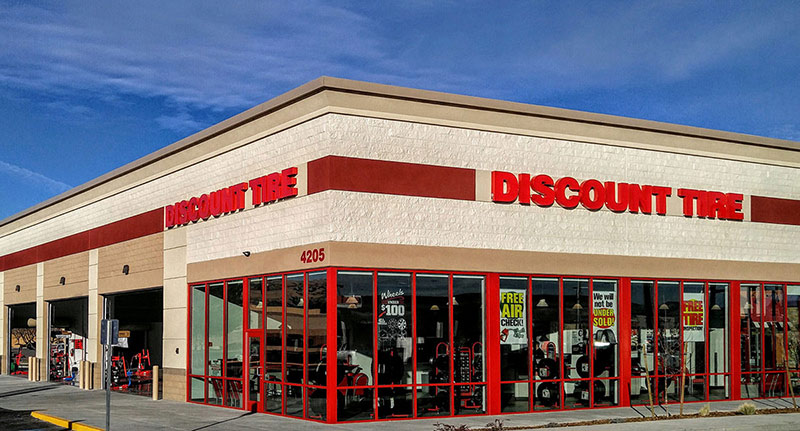
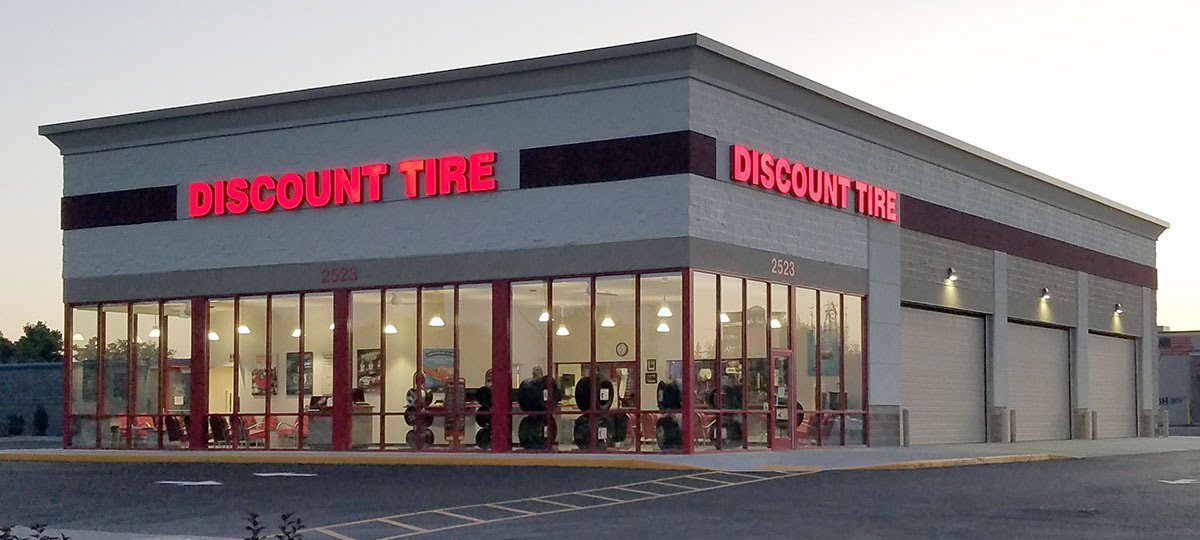
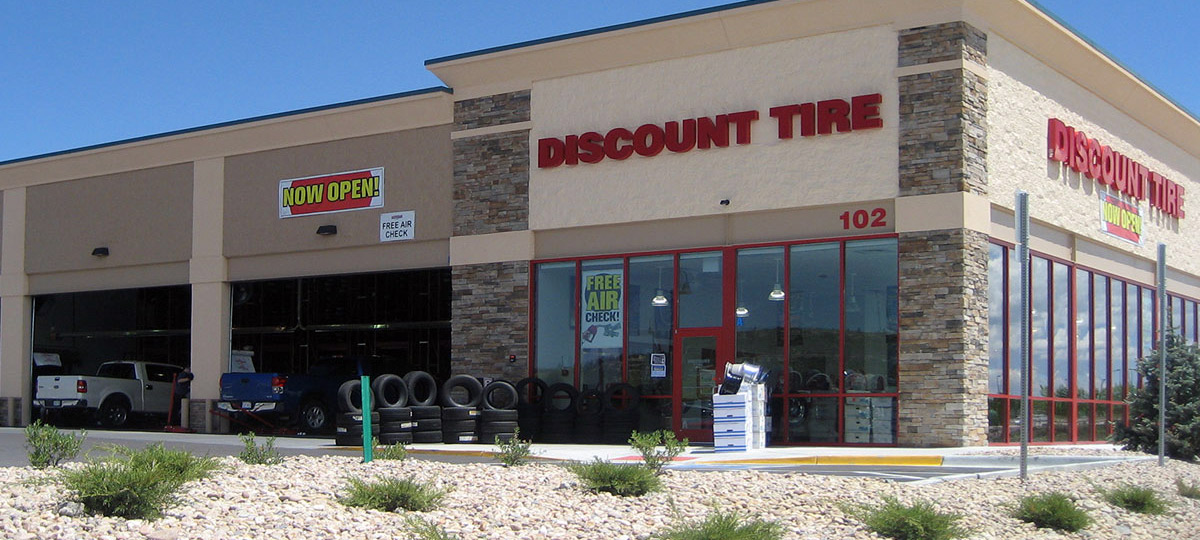
Discount Tire operates under the Discount Tire name in many states and the America’s Tire name in parts of the western United States. The company is known for tire service and may match a lower advertised price under its policy.
It may be the cheapest complete option when the quote includes:
- Tire installation.
- Free or low-cost tire rotations.
- Flat repair, where eligible.
- Price matching.
- A clear road-hazard policy.
A store with a slightly higher tire price can still cost less over the life of the tires if it includes useful service at no extra charge.
Costco: low total cost only when membership makes sense
Costco can offer competitive tire prices and installation packages. However, you must account for the membership fee and the services included in the package.
Costco may make sense when:
- You already have a Costco membership.
- You want a national retailer with a clear installation package.
- You are buying four quality tires.
- You can wait for a sale or manufacturer rebate.
It may not be the cheapest choice for one urgent tire. Membership cost, limited appointment times, and possible service delays can change the calculation.
Sam’s Club: similar membership math
Sam’s Club can be a low-cost option for members. Compare the tire price, installation package, membership cost, and local availability with Costco and other stores.


The cheapest store for a member may not be the cheapest store for a nonmember. If you join only to buy tires, include the membership fee in the tire budget.
Local tire shops: sometimes the real winner
An independent tire shop can beat a national chain, especially when it offers:
- Lower installation fees.
- Used tires in safe condition.
- A tire brand that matches your budget.
- Free or discounted mounting.
- Flexible pricing on a full set.
But used tires require care. Ask about tread depth, repairs, uneven wear, tire age, and the tire’s history. Never buy a tire with sidewall damage, exposed cords, a large repair, or an unclear condition.
How to find the cheapest tire store near you
The most reliable method is to compare the same tire at three to five stores. Use the exact tire size and model whenever possible.
1. Find the correct tire size
Look on the driver’s door-jamb label or in the owner’s manual. A tire size may look like:
225/65R17 102H
This code identifies the tire’s width, aspect ratio, wheel size, load index, and speed rating.
Do not choose a cheaper tire with a lower load or speed rating unless a qualified tire professional confirms that it fits your vehicle. The National Highway Traffic Safety Administration provides tire safety information at NHTSA.gov.
2. Compare the same tire model
A store may appear cheaper because it is quoting a different tire. Compare:
- Brand.
- Model.
- Size.
- Load index.
- Speed rating.
- Run-flat status.
- All-season, summer, or winter design.
- Manufacturer warranty.
A $70 tire and a $110 tire may serve different needs. A cheaper tire is not automatically a safe match for your car.
3. Ask for the complete installed price
Use this simple request:
“What is the total price for four tires installed, including mounting, balancing, valve stems, disposal, taxes, and all required fees?”
Also ask whether the quote includes:
- Tire pressure monitoring system service.
- Road-hazard coverage.
- Tire rotation.
- Flat repair.
- Alignment.
- Old tire disposal.
- Manufacturer rebates.
- Installation appointment fees.
Do not add an alignment unless the vehicle needs one. An alignment is not required every time tires are replaced, although uneven wear, pulling, a crooked steering wheel, or a recent impact may justify an inspection.


4. Check the date and conditions of the quote
Ask how long the price lasts. Confirm whether the price requires:
- A membership.
- A coupon.
- A mail-in rebate.
- Purchase of four tires.
- A specific payment method.
- Installation at the same store.
- A special appointment.
A rebate can lower your final cost, but it may not reduce the amount you pay that day.
5. Compare service after the sale
A tire store may be cheaper over time if it provides useful service. Check the written policy for:
- Free rotations.
- Flat repair.
- Road-hazard replacement.
- Mileage warranty.
- Prorated replacement.
- Refund rules.
- Warranty exclusions.
The Federal Trade Commission offers general guidance on tire buying, warranties, and consumer questions at FTC.gov.
How much do four tires really cost?
A basic tire budget includes more than the advertised tire price.
A simple total-cost formula
Use this calculation:
Total cost = tire price × number of tires + installation + fees + tax − instant discounts
For example, this hypothetical comparison shows why the lowest tire price may not produce the lowest bill.
| Cost item | Store A | Store B |
|---|---|---|
| Four tires | $360 | $400 |
| Mounting and balancing | $96 | Included |
| Disposal and valve fees | $24 | $20 |
| Road-hazard plan | $48 | Included |
| Instant discount | −$40 | −$60 |
| Estimated subtotal | $488 | $360 |
Store A has the lower advertised tire price. Store B has the lower estimated installed subtotal.
These are example figures, not current quotes. Fees vary by state, vehicle, tire size, store, and promotion.
The membership break-even point
Suppose a warehouse club charges a membership fee, but its tire package saves money on the installation and tires.
Use this formula:
Membership break-even savings = membership cost
If membership costs $60 and the club saves you $75 compared with another store, the tire purchase produces a net savings of $15. If the club saves only $30, it is not cheaper for that purchase.


Include any future value only if you would actually use the membership for other purchases.
The cheapest option may not have the lowest ownership cost
A budget tire can cost less today but more later if it:
- Wears faster.
- Has a shorter mileage warranty.
- Provides less wet-road grip.
- Requires replacement sooner.
- Has limited warranty support.
Mileage warranties are not guarantees that every tire will reach that mileage. They often require regular rotation, proof of maintenance, and prorated coverage. Read the terms before treating a warranty as a promise.
Which cheap tire brands are worth considering?
A low price can be reasonable when the tire has the correct specifications and a clear warranty. Avoid choosing only by brand name or price.
Budget tires
Budget tires can fit drivers who:
- Drive short distances.
- Use a second vehicle.
- Need a temporary replacement.
- Have a limited budget.
- Drive in mild conditions.
They may offer less tread life, comfort, wet traction, or noise control than mid-range tires. Check independent test data when available, but make sure the test used the same tire size and model.
Mid-range tires
Mid-range tires often offer a balance of price, tread life, wet grip, and ride comfort. They can be a practical choice for daily commuting and family vehicles.
Premium tires
Premium tires may cost more but can be worth the price for drivers who:
- Drive many highway miles.
- Live in heavy rain or snow.
- Need a specific run-flat design.
- Keep a vehicle for many years.
- Place a high value on ride quality and braking performance.
Do not pay for features your vehicle or driving conditions do not need. For example, a winter tire can help in snow and cold conditions, but it is not the best year-round choice in every U.S. climate.
How to save money without buying unsafe tires
The safest savings usually come from better comparison, not from ignoring tire requirements.
Buy the correct number of tires
If only one tire is damaged, ask whether a repair is possible. A puncture in the tread may be repairable when it is small and located away from the sidewall. Sidewall damage usually requires tire replacement.
A tire shop should inspect the tire from inside when needed. Do not use a plug-only repair as a substitute for a proper repair.


Replace tires in matched pairs when appropriate
If two tires need replacement, many vehicles should receive the new pair on the rear axle. This can help maintain stability on wet roads. Follow the vehicle manufacturer’s guidance and ask a qualified tire professional about your specific drivetrain.
Replacing all four tires may be necessary on some all-wheel-drive vehicles because different tire diameters can stress the drivetrain. Check the owner’s manual before replacing only one or two tires.
Check rebates and price matches
Manufacturer rebates can reduce the final cost. Ask whether the store applies the discount immediately or requires a later submission.
Price matching can also help, but policies may exclude:
- Marketplace sellers.
- Clearance products.
- Used tires.
- Errors in an advertisement.
- Bundled installation packages.
- Online-only prices.
Get the match terms in writing before approving the purchase.
Inspect the tires before installation
Check the sidewall for:
- Correct size.
- Load index.
- Speed rating.
- Damage.
- The DOT date code.
The last four digits of the DOT code show the week and year of manufacture. For example, 3524 means the tire was made in the 35th week of 2024. A tire’s age matters, especially when it has been stored for a long time. Follow the tire maker’s guidance on inspection and replacement.
Common mistakes when looking for cheap tires
The most common mistake is comparing only the tire price. Here are other errors that can raise the final cost.
Choosing the wrong tire size
A lower price does not help if the tire does not meet the vehicle’s required load and speed ratings. Use the door label and owner’s manual as your starting point.
Forgetting installation charges
Online retailers may sell tires at a low price, but a local shop will still charge for mounting and balancing. Call the installer before ordering.
Assuming a road-hazard plan is always a good deal
Protection plans can help after a road impact, but they add cost and have limits. Ask about coverage length, tread-depth rules, repair limits, and exclusions.
Buying the cheapest used tire without an inspection
A used tire may have hidden damage, uneven wear, an old manufacture date, or a poor repair. Buy used only from a shop that can explain its inspection policy.


Ignoring tire pressure
Correct inflation affects handling, tread wear, and fuel use. Use the pressure on the vehicle door label, not the maximum pressure printed on the tire sidewall. Check pressure when the tires are cold.
Skipping a safety inspection
Stop driving and seek professional help if you see:
- A bulge or blister.
- Exposed cords.
- A deep sidewall cut.
- Severe vibration.
- Rapid air loss.
- A tire-pressure warning that does not clear.
- Uneven wear that reaches the cords.
A low tire price is never worth driving on a damaged tire.
Cheapest tire store: a practical decision guide
Use this quick guide to narrow the list.
- Lowest likely basic price: Start with Walmart and local tire shops.
- Best comparison service: Check Discount Tire or America’s Tire.
- Already a warehouse member: Compare Costco or Sam’s Club.
- Need a rare tire size: Check online retailers and local specialists.
- Need fast flat repair or rotations: Compare the service policy, not just the sale price.
- Need used tires: Use a reputable local shop with a clear inspection policy.
- Need winter or specialty tires: Focus on the correct performance and size before price.
The cheapest tire store for most people is the store with the lowest installed total for the correct tire, not the store with the lowest online advertisement.

Frequently asked questions
Is Walmart cheaper than Discount Tire?
Walmart is often cheaper on the advertised tire price, especially for budget tires. Discount Tire may have a lower total cost when it matches the price or includes services such as flat repair and rotations. Compare the complete installed quotes.
Is Costco cheaper than Walmart for tires?
Costco can be cheaper when you already have a membership and its installation package or promotion reduces the total. Walmart may be cheaper for a nonmember or for a single low-cost tire. Compare the final price after membership and required fees.
Is it cheaper to buy tires online?
Online prices can be lower, but installation, shipping, disposal, taxes, and warranty service can remove the savings. Confirm the full installed price before ordering online.
What is the cheapest time of year to buy tires?
Promotions often appear around major U.S. holiday sales and during seasonal changes, but prices and rebates vary by retailer and tire brand. Compare the total price rather than waiting for a specific sale date.
Can I negotiate the price of tires?
You can ask about price matching, current rebates, installation discounts, and package pricing. National chains may have fixed policies, while independent stores may have more flexibility. Always request the final offer in writing.
Should I replace all four tires at once?
Replacing all four can provide more even handling and traction. If only two tires need replacement, ask a tire professional where the new pair should be installed. For all-wheel-drive vehicles, check the owner’s manual before replacing fewer than four tires.
Conclusion: the cheapest tire store depends on the full bill
Walmart is a sensible first comparison for a low-cost tire purchase. Discount Tire, America’s Tire, Costco, Sam’s Club, online retailers, and local shops may be cheaper after installation, rebates, membership costs, and included services are counted.
Before you buy, collect three written quotes for the same tire size and model. Compare the full installed price, warranty, road-hazard terms, and service policy. Then choose the lowest price that still meets your vehicle’s required specifications and your driving conditions.
