

If you need wheels and tires near you in the United States, start with local tire shops, wheel retailers, auto repair centers, dealership parts departments, and reputable online sellers with local installation. The best choice depends on your vehicle, tire size, driving needs, budget, and whether you need a complete wheel-and-tire package or only a replacement tire.
Before you buy, record your vehicle’s year, make, model, trim, tire size, and wheel specifications. Then compare the full installed price—not just the advertised price—and confirm that the shop will mount, balance, install, and dispose of the old tires.
Introduction
Searching for “where can I buy wheels and tires near me” usually means you want a convenient place that has the correct parts in stock and can install them safely. In the U.S., you can buy from independent tire stores, national tire chains, dealerships, auto repair shops, wheel specialists, and online retailers that ship to a nearby installer.
Local buying has one major benefit: you can have fitment checked before installation. A trained technician can also inspect your brakes, suspension, tire pressure monitoring system, and wheel clearance. That matters because a wheel may physically fit the hub but still interfere with the brake caliper, suspension, or fender.


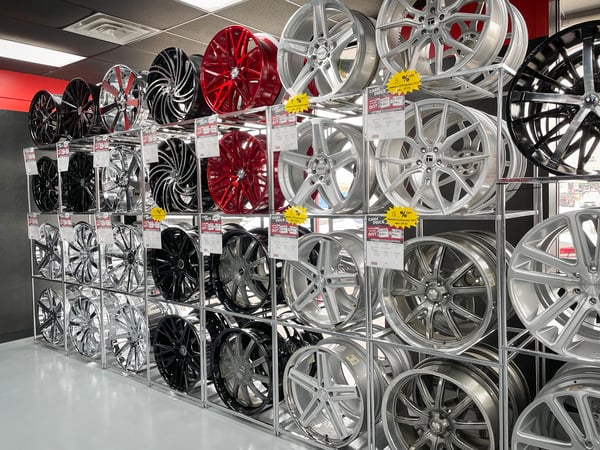
The Best Places to Buy Wheels and Tires Near You
The right seller depends on the service and expertise you need. Compare these common options before choosing a store.
Local independent tire shops
Independent tire shops often provide personal service and may offer several tire brands at different price levels. Many can order wheels, mount tires, balance assemblies, repair punctures, and handle future rotations.
Ask whether the shop:
- Offers the tire brand and size you need
- Can verify wheel fitment for your exact vehicle
- Includes mounting and balancing in the quote
- Services tire pressure monitoring systems
- Provides a road-hazard or workmanship warranty
- Has the tires physically in stock
A local shop may be a good choice when you want quick service or help with an unusual vehicle, such as a truck with a lift kit or a car with aftermarket brakes.
National tire and automotive chains
National chains can be useful when you value multiple locations, online appointment booking, road-hazard coverage, or a published service policy. Their inventory and prices can vary by store, so check the local location rather than relying only on a national advertisement.
Read the warranty terms carefully. Some warranties require regular rotations, proof of maintenance, or service at approved locations. A low advertised price may also exclude installation, valve stems, taxes, disposal fees, or tire pressure sensor service.
Wheel and tire specialty stores
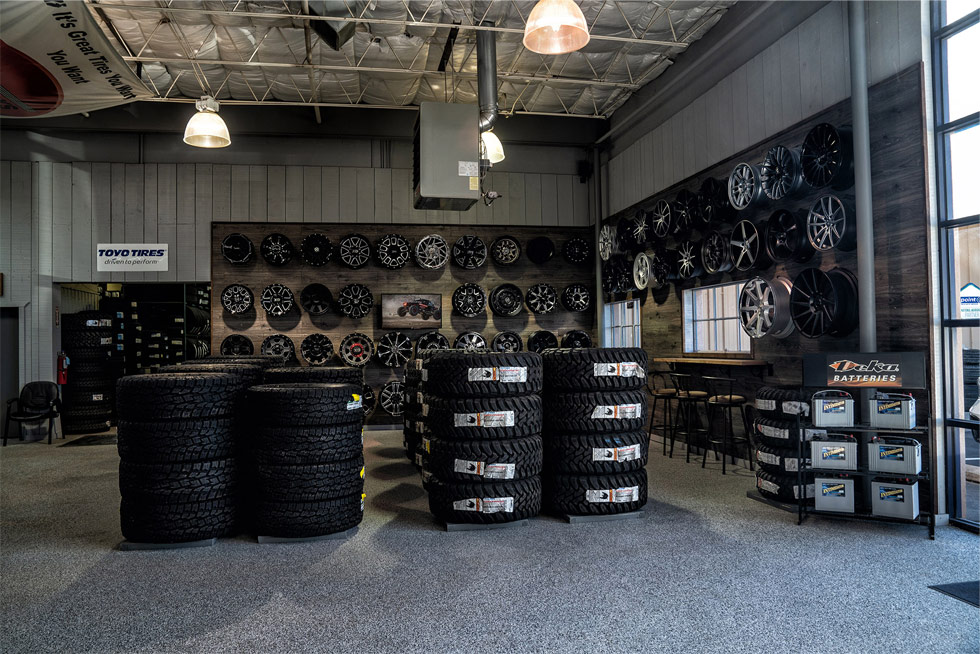
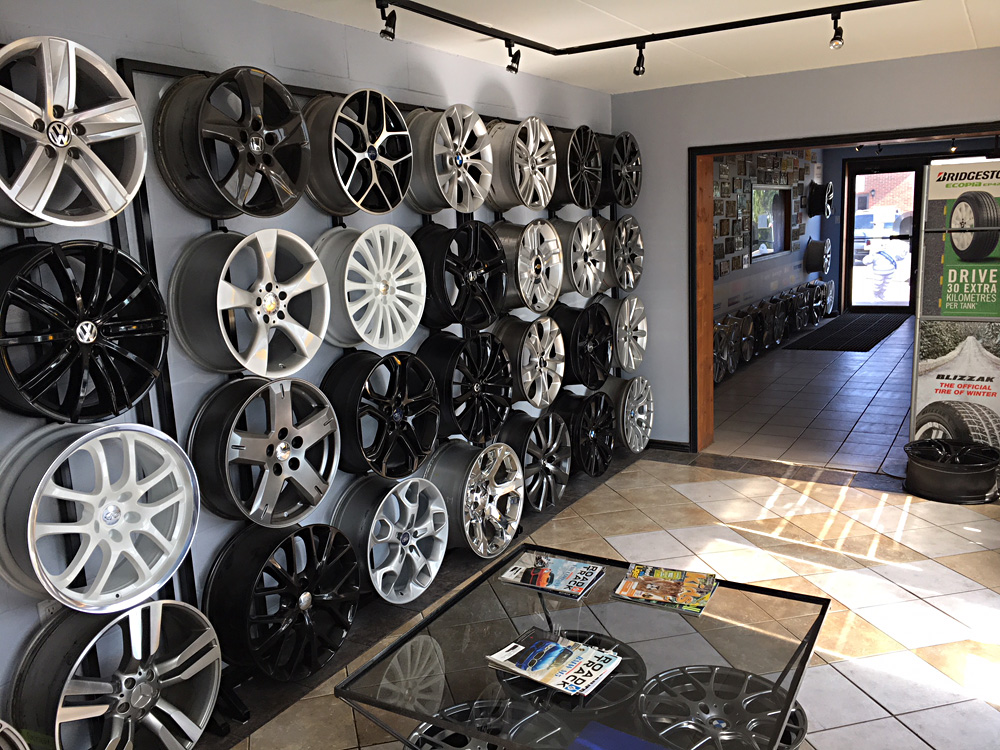
A wheel specialist is often the best option for custom wheels, plus-sized tires, off-road setups, or appearance changes. These stores usually know more about wheel width, offset, bolt patterns, brake clearance, and tire stretch than a general repair shop.
Use extra care with modified vehicles. Changing wheel diameter or tire width can affect:
- Speedometer readings
- Steering feel
- Ride comfort
- Fuel use
- Brake clearance
- Fender clearance
- Suspension travel
- Load capacity
Ask the installer to confirm the complete setup in writing before ordering.
New-car dealerships
a dealership parts or service department can help when you want original-equipment wheels and tires. Dealers can check the vehicle identification number, or VIN, and verify factory specifications.


The trade-off is that dealership pricing may be higher than independent shops. You can still use a dealer quote as a useful fitment reference, then compare the installed price with other U.S. sellers.
Online tire and wheel retailers
Online sellers can provide a wide selection and make it easy to compare brands, sizes, speed ratings, and prices. Some ship directly to your home, while others ship to a local installer.
Do not order solely from a product photo or a vehicle selector. Confirm the following before paying:
- Exact tire size
- Wheel diameter and width
- Bolt pattern
- Center bore
- Offset
- Load rating
- Speed rating
- TPMS compatibility
- Return and restocking rules
- Installer fees
A reputable seller should provide clear fitment information and customer service. If the information is unclear, pause the order and ask for confirmation.
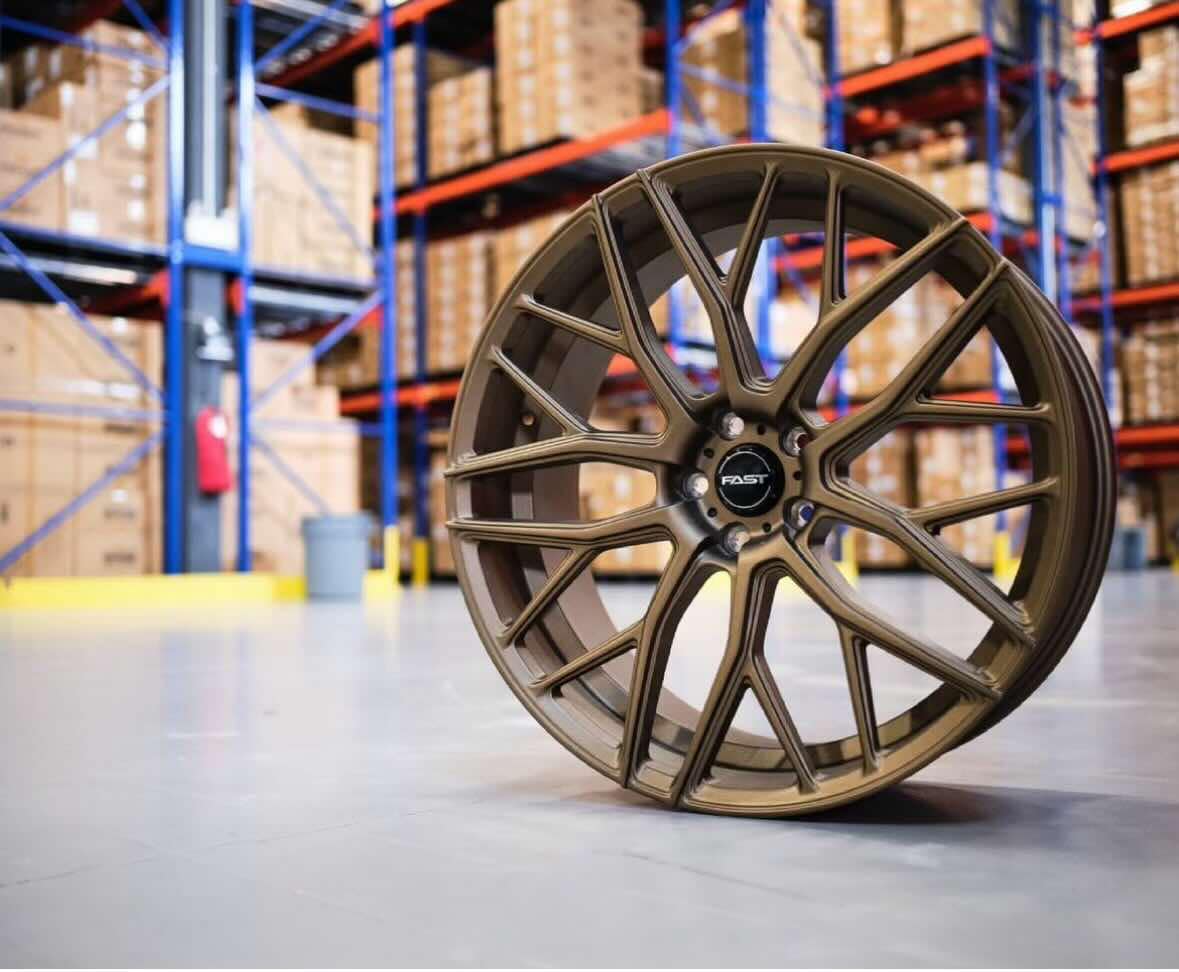
How to Find a Reliable Wheel and Tire Store Near You
Use a local search, but treat search results as a starting list rather than proof of quality. Search for terms such as:
- “Tire shop near me”
- “Wheel and tire package near me”
- “Custom wheels near me”
- “Tire installation near me”
- “Used tires and wheels near me”
- “Truck tires and wheels near me”
Add your city, ZIP Code, or vehicle type if the results are too broad.
Then compare at least three nearby stores. Check their business hours, installation services, inventory, reviews, and policies. Reviews can reveal patterns such as long wait times, damaged wheels, unclear pricing, or poor warranty support. One isolated complaint is less useful than repeated comments about the same problem.
Before visiting, call the store and ask:
- Can you verify fitment for my year, make, model, and trim?
- Do you have the tires or wheels in stock?
- What is the complete installed price?
- Does the price include mounting, balancing, valve stems, and disposal?
- Can you service my vehicle’s TPMS?
- What warranty or road-hazard coverage applies?
- How long will installation take?
- What happens if the parts do not fit?
A clear answer is a good sign. Pressure to buy before fitment is confirmed is a reason to choose another seller.
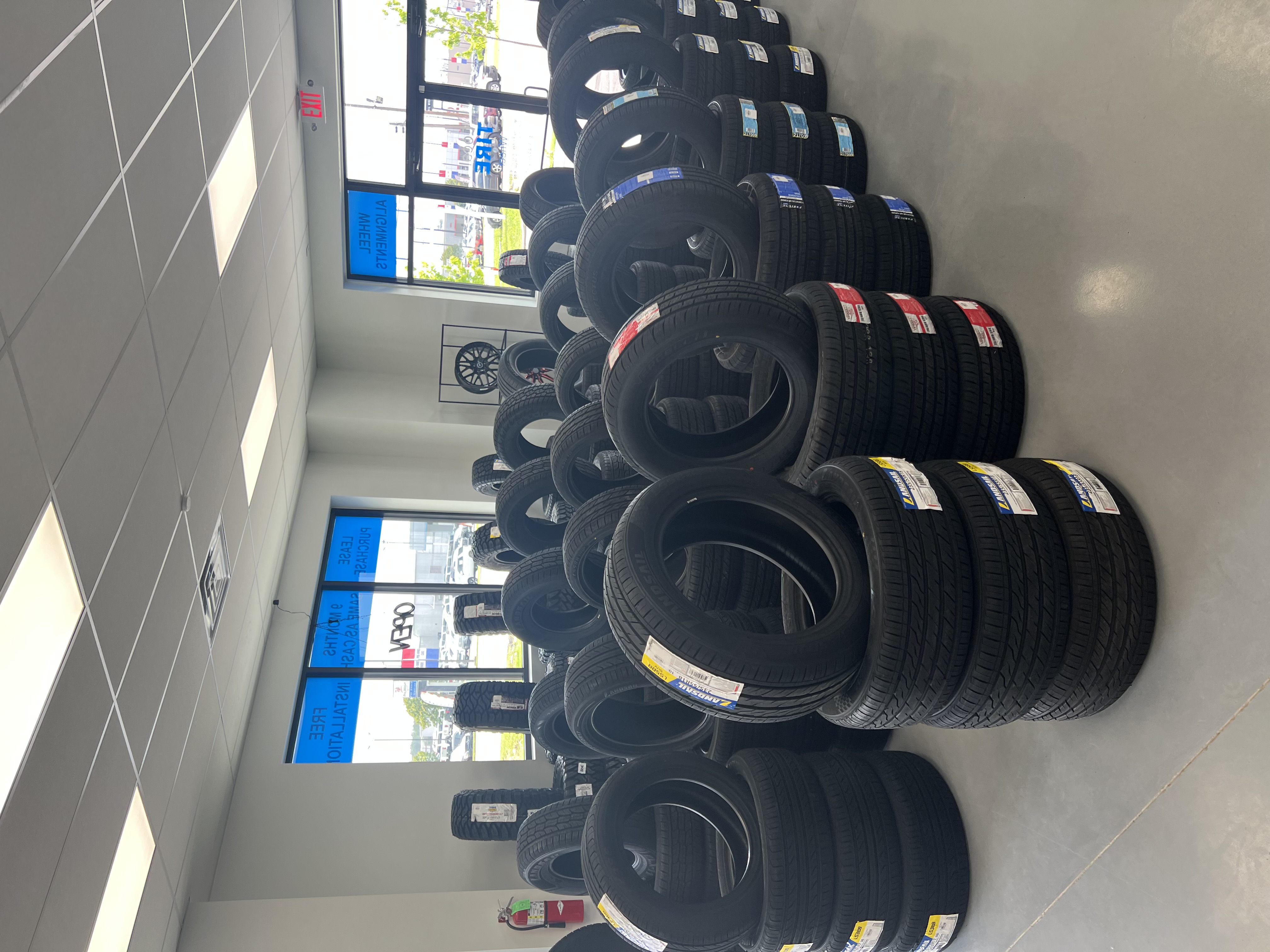
What Information You Need Before Buying
The most important information is printed on the tire sidewall, vehicle door-jamb label, owner’s manual, or manufacturer’s specifications.
Tire size
A common U.S. tire marking is 225/60R17.


- 225 is the tire width in millimeters.
- 60 is the aspect ratio. The sidewall height is 60% of the width.
- R means radial construction.
- 17 is the wheel diameter in inches.
Use the driver-side door-jamb label for the vehicle maker’s recommended tire size and inflation pressure. The sidewall maximum pressure is not always the correct pressure for your vehicle.
Wheel specifications
A replacement wheel must match more than diameter. Confirm:
- Diameter
- Width
- Bolt pattern
- Offset
- Center bore
- Load rating
- Brake clearance
- Lug nut or bolt type
The bolt pattern describes the number of fasteners and the diameter of the circle they form. A wheel with the wrong bolt pattern should not be installed, even if it looks close.
The offset is the wheel’s position in relation to its mounting face. Too much change can cause inner suspension contact, outer fender contact, altered steering behavior, or excess stress on components.
Tire load and speed ratings
The load index shows how much weight a tire can carry under specified conditions. The speed rating indicates the tire’s tested speed category under defined conditions.
Do not choose a lower load or speed rating simply because it costs less. Follow the vehicle manufacturer’s specifications unless a qualified tire professional confirms an appropriate alternative.
TPMS compatibility
Most newer vehicles sold in the United States use a tire pressure monitoring system, or TPMS. Some systems use sensors inside each wheel. Others calculate pressure changes through the vehicle’s anti-lock braking system.
Ask whether new sensors are needed, whether existing sensors can be transferred, and whether the system must be relearned after installation. The process varies by vehicle.

How Much Do Wheels and Tires Cost?
The total price depends on tire size, brand, wheel material, vehicle type, installation, and local labor rates. A fair comparison requires an out-the-door quote.
Ask the seller to separate:
| Cost item | What it may include |
|---|---|
| Tires | Four tires or the number you are buying |
| Wheels | Steel, alloy, or custom wheels |
| Mounting | Installing each tire on a wheel |
| Balancing | Adding weights to reduce vibration |
| Valve stems | Standard or specialty stems |
| TPMS service | Sensor transfer, replacement, or relearn |
| Disposal | Removal of old tires |
| Taxes and fees | State and local charges |
| Alignment | Adjustment when needed |
| Protection plan | Road-hazard or replacement coverage |
A wheel alignment is not automatically required every time you buy tires. It may be useful when the vehicle pulls to one side, the steering wheel is off-center, tires wear unevenly, or suspension work was performed. Ask the shop to inspect the vehicle rather than adding the service without an explanation.
For a hypothetical comparison, Store A might advertise a low tire price but charge separately for mounting, balancing, disposal, and TPMS work. Store B might advertise a higher tire price but include those services. Store B could have the lower final bill.
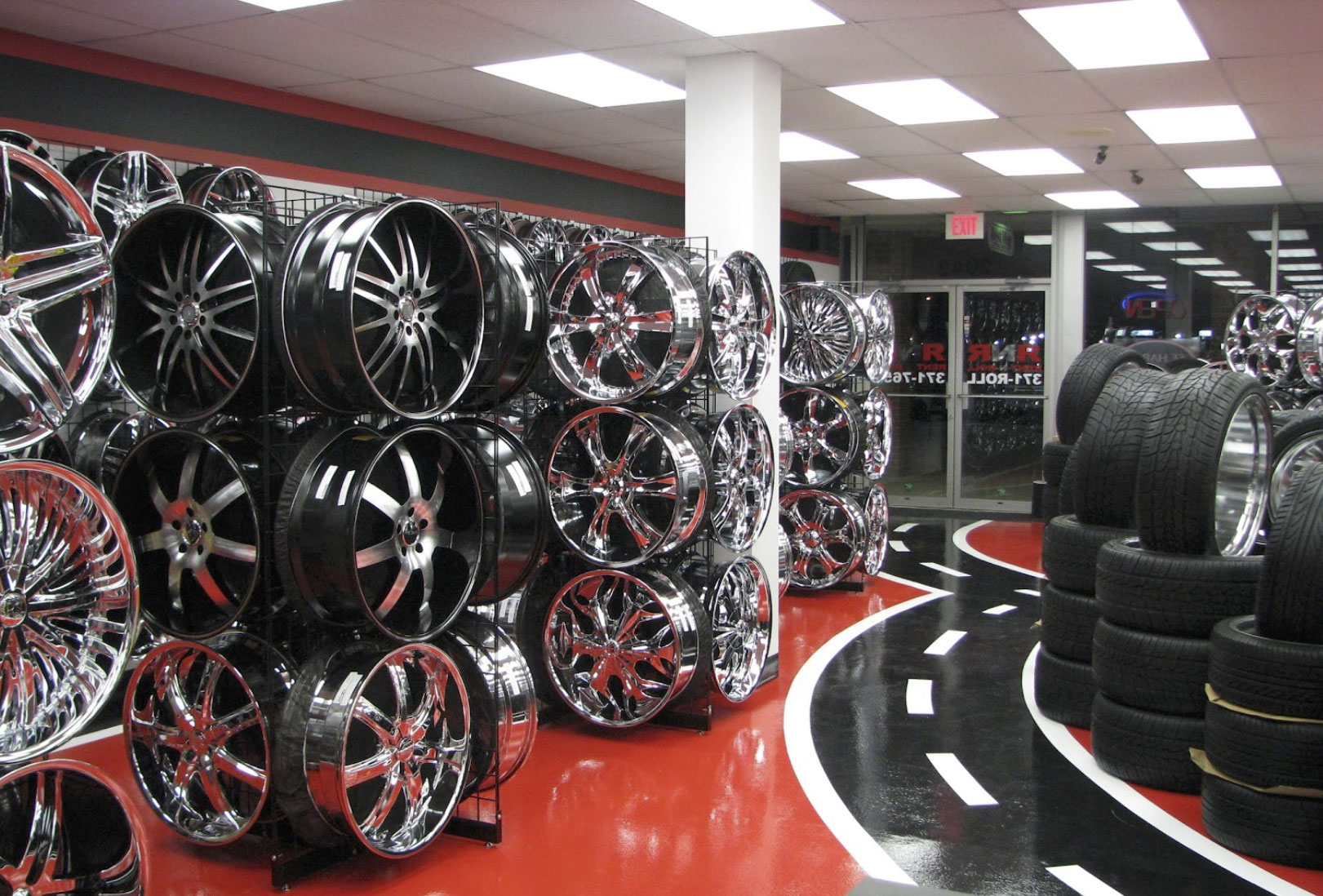
Should You Buy New, Used, or Reconditioned Wheels?
New wheels are the simplest option when you need predictable condition, a warranty, and a clean finish. Used wheels can cost less, but their history may be unknown.
If you consider used wheels, inspect them for:


- Cracks
- Bends
- Deep curb damage
- Corrosion near the bead seat
- Damaged lug holes
- Missing center caps or hardware
- Signs of welding or repair
Never assume a wheel is safe because it holds air during a short inspection. A hidden bend or crack can cause vibration or air loss. Ask a qualified tire shop to inspect used wheels before mounting tires.
Reconditioned wheels can be acceptable when the seller clearly explains the process and provides a warranty. Ask whether the wheel was straightened, welded, refinished, or tested. Not every repair method is suitable for every type of wheel damage.
Used tires require even more caution. Check the tread, sidewalls, age, previous repairs, and wear pattern. The U.S. Department of Transportation’s tire identification number can help identify the week and year of manufacture. A tire’s age, storage history, and condition matter—not just its remaining tread.

How to Buy the Right Tires for Your Driving
Choose tires based on how and where you drive, not only on the lowest price.
All-season tires
All-season tires are common for drivers who want balanced performance in dry and wet conditions and occasional light snow. They may not provide the same winter traction as dedicated winter tires.
All-weather tires
All-weather tires are designed for broader seasonal use and may carry the three-peak mountain snowflake symbol. That symbol indicates the tire met a defined severe-snow service test. It does not mean the tire performs like a dedicated winter tire in every condition.
Winter tires
Winter tires use rubber compounds and tread designs made for cold weather. They can improve traction in snow and low temperatures, but they normally need to be changed seasonally in areas with warm summers.
Performance tires
Performance tires may improve steering response and dry-road grip. The trade-offs can include more road noise, a firmer ride, faster wear, and higher replacement cost.
Truck, SUV, and off-road tires
Truck and SUV tires must match the vehicle’s load needs. All-terrain and mud-terrain tires can help in specific off-road conditions, but they may create more noise and reduce fuel economy on pavement.
Check the tire’s specifications and consider the climate, road surface, annual mileage, towing needs, and winter conditions where you live in the United States.
What Happens During Installation?
A standard installation usually includes removing the old wheels, mounting the tires, balancing the assemblies, installing them on the vehicle, and checking inflation pressure.
A careful technician should also inspect:
- Brake components
- Wheel studs or bolts
- Lug nuts
- Valve stems
- Wheel mounting surfaces
- Tire sidewalls
- Existing suspension or steering damage


The shop should tighten lug hardware to the vehicle manufacturer’s torque specification. Ask whether the lug torque will be checked again after driving if the shop recommends a follow-up inspection.
After installation, watch for:
- Steering-wheel vibration
- Pulling to one side
- New tire noise
- Air-pressure loss
- Warning lights
- Contact between the tire and vehicle
- Loose or missing hardware
Stop driving and contact the installer if you hear rubbing, feel strong vibration, see a warning light, or notice rapid pressure loss.
Common Mistakes to Avoid
The most common mistake is buying a wheel or tire based only on appearance. A larger wheel may look attractive but can reduce sidewall protection and ride comfort. It may also fail to clear the brakes.
Other mistakes include:
- Comparing tire prices without installation fees
- Choosing a lower load rating
- Ignoring the vehicle’s recommended pressure
- Buying mismatched tires without a plan
- Assuming all bolt patterns are interchangeable
- Forgetting TPMS sensors
- Buying old or damaged used tires
- Skipping an inspection after hitting a pothole
- Installing only one new tire on an all-wheel-drive vehicle without checking the manufacturer’s limits
- Using the wrong lug nuts for aftermarket wheels
All-wheel-drive vehicles may have specific limits for differences in tire circumference. Ask the vehicle manufacturer or a qualified tire professional before replacing only one tire.

Quick Checklist for Buying Wheels and Tires Near You
Take this checklist with you when calling or visiting a store:
- Vehicle year, make, model, and trim
- Current tire size
- Recommended tire pressure
- Desired use: daily driving, snow, towing, or off-road use
- Wheel size and style
- Budget for the complete installation
- Need for TPMS service
- Trade-in, disposal, or warranty questions
- Preferred installation date
Get the final quote in writing. Confirm that the quote lists the exact tire model, tire size, wheel specifications, included services, taxes, and warranty terms.
FAQs About Buying Wheels and Tires Near You
Can I buy wheels and tires from different stores?
Yes. You can buy wheels from one seller and tires from another, but confirm that the tire size matches the wheel width and that the complete package fits your vehicle. One shop may also refuse to install customer-supplied parts or may charge a higher labor fee.
Is it cheaper to buy a complete wheel-and-tire package?
It can be, especially when a package includes mounting and balancing. However, compare the full installed price. A package is not automatically cheaper than buying tires and wheels separately.
Do I need four new tires?
Replacing all four tires is often the simplest way to maintain even traction, but the correct answer depends on tread depth, vehicle type, tire condition, and the manufacturer’s guidance. For all-wheel-drive vehicles, check the allowable tread-depth difference before replacing fewer than four.
How do I know if a wheel fits my car?
You need to match the wheel’s diameter, width, bolt pattern, offset, center bore, load rating, and brake clearance. A store should verify these details for your exact vehicle rather than relying only on a general model selector.
Can a tire shop install parts bought online?
Many shops do, but policies vary. Call before ordering and ask about customer-supplied parts, installation fees, warranty coverage, return shipping, and what happens if the parts do not fit.
When should I replace my tires?
Replace tires when they reach the legal or manufacturer wear limit, show damage, develop irregular wear, lose air repeatedly, or become too old for your use and condition. The National Highway Traffic Safety Administration provides tire safety information for U.S. drivers.


Conclusion
The best place to buy wheels and tires near you is the seller that can confirm fitment, provide a complete installed price, explain warranty terms, and perform the work correctly. Compare local tire shops, wheel specialists, dealerships, national chains, and online retailers with local installation.
Start by checking your vehicle’s tire size and wheel specifications. Then call at least three sellers, ask for an itemized quote, and confirm TPMS service, balancing, warranty coverage, and return policies before you buy.
Your next step is simple: search using your ZIP Code, shortlist three reputable local installers, and request a written quote for the exact wheels and tires your vehicle requires.
