

If you want to buy new tires near you, start with local tire shops, tire chains, auto dealerships, repair garages, warehouse clubs, and online tire retailers that work with nearby installers. If you mean sell unused new tires, your best options are usually independent tire shops, auto repair businesses, online marketplaces, or another driver who needs your exact tire size.
The phrase “who buys new tires near me” can mean two different things:
- Where can I buy new tires nearby?
- What business or person will buy my unused new tires?
This guide covers both needs. It also explains how to compare quotes, check tire fit, avoid unsafe purchases, and find a legitimate local option in the United States.



Where can I buy new tires near me?
The most common places to buy new tires in the United States are tire stores, national tire chains, car dealerships, repair shops, warehouse clubs, and online sellers with local installation partners.
Local tire shops
Independent tire stores often provide a personal service. They may help you compare tire types, order a less common size, install the tires, balance the wheels, and inspect your vehicle.
A local shop may be a good choice when:
- Your vehicle needs a less common tire size.
- You want advice from someone who can inspect the car.
- You need same-day service.
- You want tire repair, rotation, or alignment from the same business.
- You prefer to support a local business.
Ask whether the quote includes mounting, balancing, valve stems, tire disposal, taxes, and any shop fees. A low advertised price may not be the final price.
National tire chains
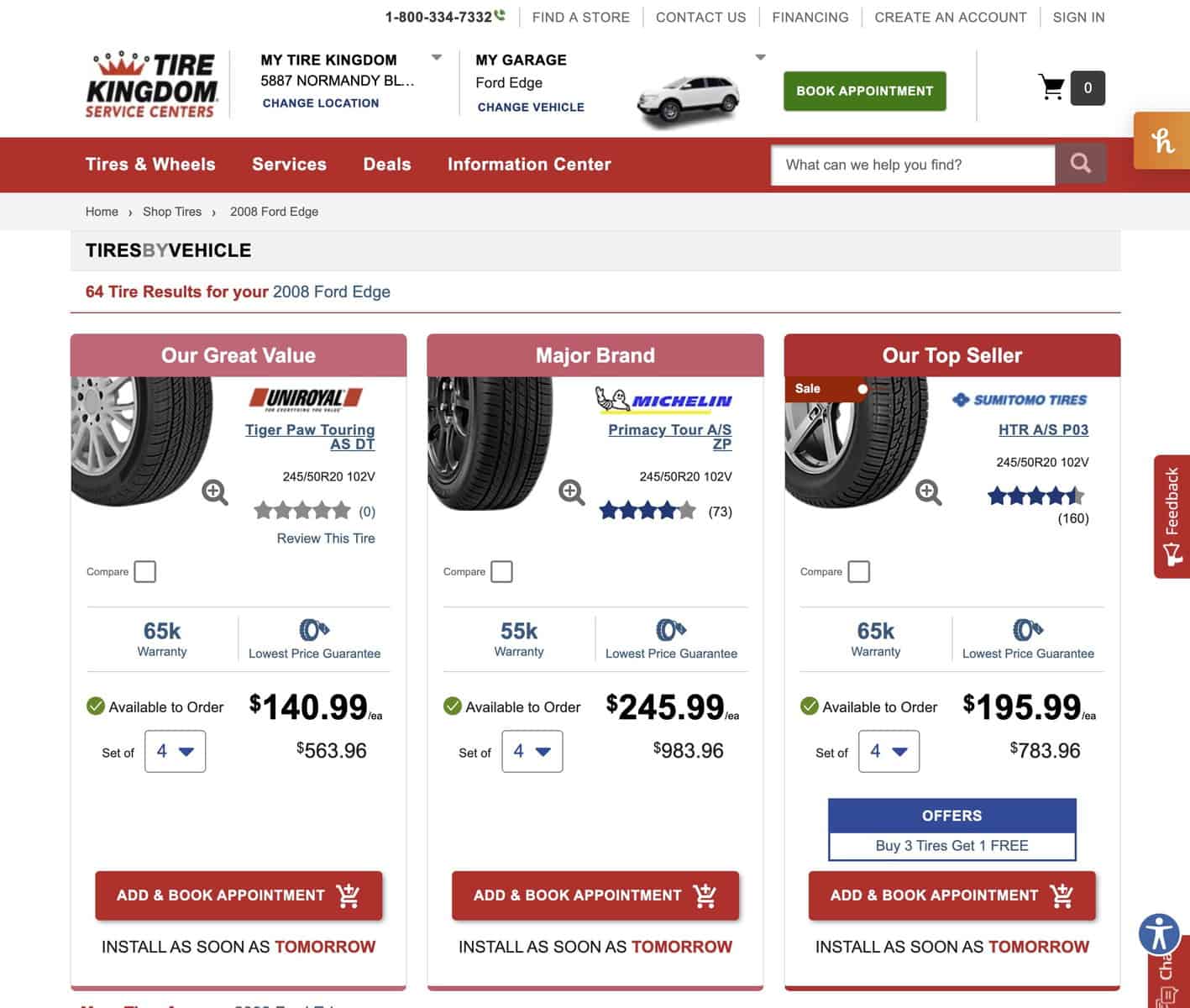
Large tire chains may offer wide brand selection, online booking, road-hazard plans, and service at more than one location. Their websites often let you search by vehicle, tire size, or ZIP code.
Before booking, confirm:
- The exact tire model and size.
- The store’s current stock.
- The total installed price.
- The warranty terms.
- Whether the location performs alignments or TPMS service.
- Whether appointments are required.
Store policies can vary by location, even within the same chain.
Car dealerships
A dealership can sell and install tires that match the vehicle manufacturer’s original specifications. This can help when your vehicle has special fitment needs, run-flat tires, a performance package, or a tire-pressure monitoring system that requires service.
Dealership pricing may be higher than an independent tire shop. Compare the complete installed price rather than comparing the tire price alone.
Auto repair shops
Many full-service repair garages sell tires or order them through a distributor. This can be useful if your vehicle also needs suspension work, an alignment, brake service, or another repair.


A repair shop should check the cause of uneven wear before installing new tires. New tires will wear poorly if the vehicle has a bent wheel, worn suspension part, or alignment problem.
Warehouse clubs
Warehouse clubs may sell tires to members and include services such as rotation or flat repair under their store policy. Availability, appointment times, and included services differ by club and location.
Check the membership requirement and read the service terms before you buy.
Online tire retailers with local installation
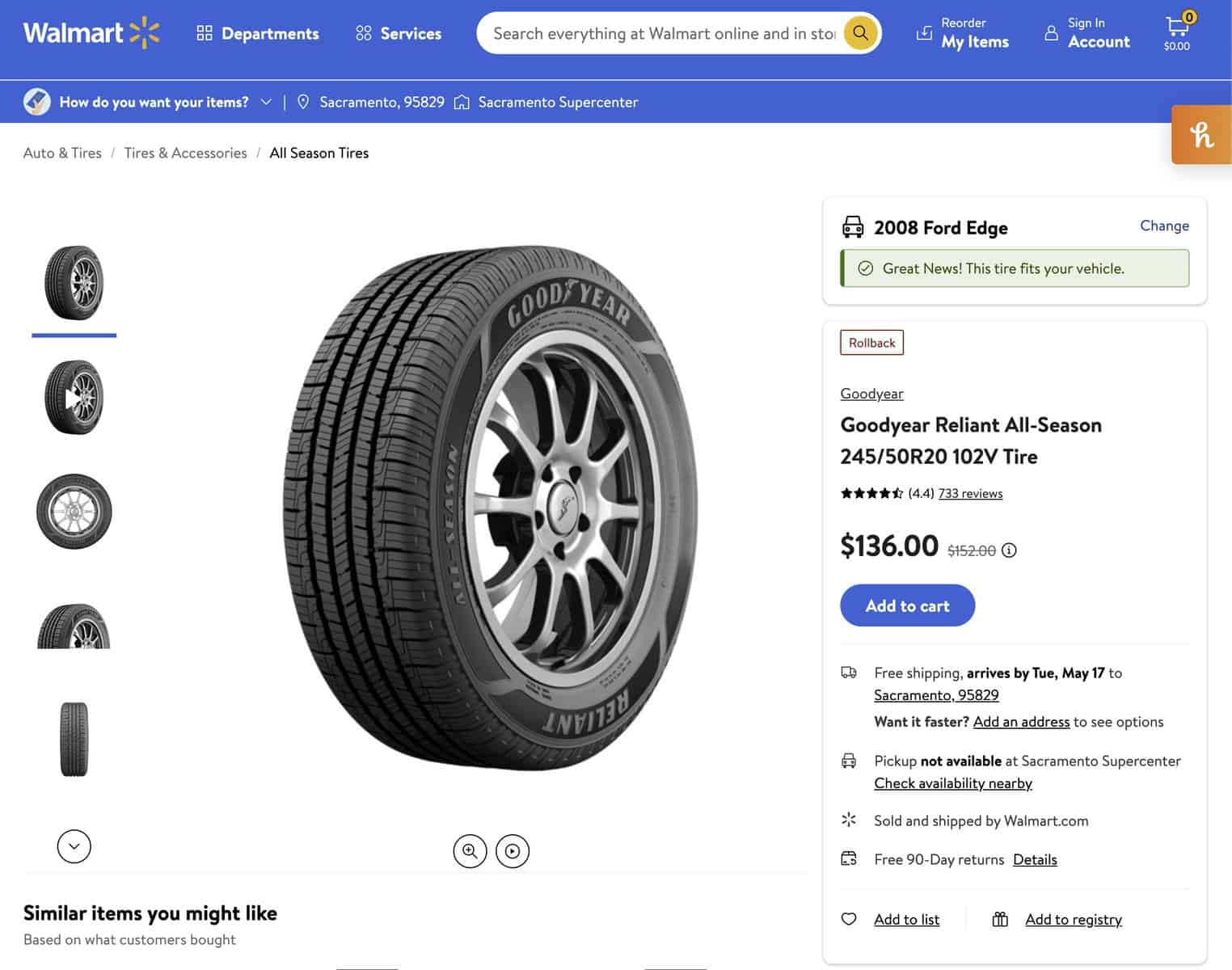
Online sellers can make it easy to compare brands, tread designs, ratings, and prices. Many ship tires to a nearby installer.
This option works best when you already know:
- The correct tire size.
- The proper load and speed ratings.
- Whether your vehicle needs run-flat or extra-load tires.
- The installer’s total fees.
- The return and warranty rules.
The cheapest online tire may cost more after shipping, installation, disposal, and other charges. Compare the out-the-door installed price.
Who buys unused new tires from the public?
Most tire stores do not routinely buy new tires from private sellers. They usually purchase inventory through established distributors because they need reliable records, consistent supply, and manufacturer warranty support.
Still, you may find a buyer if the tires are unused, undamaged, correctly stored, and a common fit for a popular vehicle.
Businesses that may consider buying them
Potential buyers include:
- Independent tire shops
- Used-car dealerships
- Auto repair shops
- Vehicle customization shops
- Fleet operators
- Salvage or automotive recyclers
- Businesses that sell used wheels and tires
Call before visiting. A shop may only buy tires from approved suppliers or may refuse private-party inventory.
Private buyers
A private buyer may be easier to find through a local online marketplace, community group, automotive forum, or classified listing. This is often the most realistic route for a single set of unused tires.
Your listing should include:
- Tire brand and exact model
- Tire size
- Number of tires
- Whether they have been mounted
- Whether they have been driven
- DOT date code
- Tread depth, if they were used
- Clear photos of the sidewalls and tread
- Your asking price
- Pickup location
- Whether wheels are included
Do not describe tires as “new” if they were mounted, driven, repaired, or stored in poor conditions. Use “unused” or “never driven” only when that statement is accurate.


Why shops may decline your tires
A shop may reject private-party tires because:
- The age is unknown.
- The tires may have been stored in heat, sunlight, or moisture.
- The shop cannot verify how they were transported.
- The tires may be counterfeit or incorrectly labeled.
- The shop cannot offer its normal warranty.
- The size or model does not match local demand.
- The tires may have been mounted before.
A tire can look new and still be unsuitable. Internal damage is not always visible from the outside.
How do I find tire sellers near my location?
Use your ZIP code, city, or street address when searching for “new tires near me.” Then check the business details instead of choosing only the first result.
Use a local search
Search for terms such as:
- “new tires near me”
- “tire shop near me”
- “tire installation near me”
- “same-day tire service near me”
- “buy tires and installation”
- “tire shop open now”
Look for businesses with a clear address, phone number, service list, and current hours. Call to confirm inventory because online listings may not reflect the store’s current stock.
Ask for a complete quote
Use this simple request:
“I need four tires for a [year, make, and model]. Please quote the exact tire model, installation, balancing, valve stems, TPMS service, disposal, taxes, and any other fees.”
Ask whether an alignment is included or recommended. An alignment should not be added automatically without a reason, but it may be useful when the vehicle pulls, the steering wheel is off-center, or the tires show uneven wear.
Compare the quote, not only the tire
A useful comparison looks like this:
| Cost item | Store A | Store B | Store C |
|---|---|---|---|
| Four tires | $___ | $___ | $___ |
| Mounting and balancing | $___ | $___ | $___ |
| Valve stems or TPMS service | $___ | $___ | $___ |
| Tire disposal | $___ | $___ | $___ |
| Taxes and shop fees | $___ | $___ | $___ |
| Total installed price | $___ | $___ | $___ |
| Warranty or protection plan | ___ | ___ | ___ |
This table is a hypothetical comparison format. Use actual written quotes before making a decision.
Check reviews with care
Reviews can reveal patterns about wait times, billing, workmanship, and warranty handling. They do not prove that every service visit will be the same.
Give more weight to recent reviews that describe the specific service you need. A review about an oil change may tell you little about tire installation.

How do I make sure the new tires fit my vehicle?
The tire must match the vehicle’s required size, load rating, speed rating, construction, and other fitment needs. The correct size is not enough by itself.
Find the tire size
You can usually find the original tire size in these places:


- The driver-side door-jamb label
- The owner’s manual
- The current tire sidewall
- The vehicle manufacturer’s fitment information
A tire marking such as 225/60R17 99H contains several details:
- 225: tire width in millimeters
- 60: aspect ratio
- R: radial construction
- 17: wheel diameter in inches
- 99: load index
- H: speed rating
The shop should verify the complete marking against the vehicle, not just match the first three numbers.
Check load and speed ratings
The load index shows how much weight the tire can carry under specified conditions. The speed rating describes the tire’s tested speed capability under stated conditions.
Do not choose a lower load or speed rating unless the vehicle manufacturer or a qualified tire professional confirms that it is suitable. A different tire may fit the wheel but still be wrong for the vehicle.
Check for special tire types
Some vehicles require or commonly use:
- Run-flat tires
- Extra-load tires
- Light-truck tires
- Winter tires
- Self-sealing tires
- Original-equipment-specific tires
A vehicle equipped with run-flat tires may have limited space for a spare. Replacing them with standard tires can affect how you handle a flat and how the vehicle was designed to operate.
Check the tire age
A tire’s DOT code identifies its production week and year. For example, a four-digit code ending in 2424 indicates production in the 24th week of 2024.
The DOT date does not tell you the tire’s full condition. Storage, heat, sunlight, inflation, use, and damage also matter. The National Highway Traffic Safety Administration advises consumers to pay attention to tire age and follow the vehicle and tire maker’s guidance.
Ask the seller to show the full DOT code before buying unused tires from a private party.

What should I ask before buying new tires?
Ask questions that reveal the total cost, tire condition, service terms, and fit.
Questions for a tire shop
Ask:
- What exact tire model and size are you quoting?
- Is the price for one tire or all four?
- Is installation included?
- Are mounting and balancing included?
- Are valve stems or TPMS services included?
- Is tire disposal included?
- What is the tire’s DOT production date?
- What warranty comes from the manufacturer?
- Is a road-hazard plan available, and what does it exclude?
- Will you inspect alignment and suspension before installation?
A road-hazard plan is not the same as a manufacturer warranty. It may cover some punctures or damage, but exclusions, time limits, and replacement fees vary.


Questions for a private seller
Ask:
- Have the tires ever touched the road?
- Have they ever been mounted on a wheel?
- Where were they stored?
- Are all four tires the same brand and model?
- What is the full DOT code?
- Are there cuts, bulges, cracks, plugs, or patches?
- Are the sidewalls damaged?
- Can I inspect the tires before paying?
- Are the wheels included?
- Is there a receipt or proof of purchase?
Do not send money before inspecting the tires unless you fully trust the seller and understand the platform’s buyer protections.
How much should I pay for new tires near me?
The total price depends on the vehicle, tire size, brand, performance category, local labor rates, taxes, and included services. There is no single fair price for every tire.
Your final cost may include:
- Four tires
- Mounting
- Balancing
- New valve stems
- TPMS service
- Tire disposal
- Sales tax
- Shop or environmental fees
- Alignment
- Road-hazard coverage
A budget tire may have a lower purchase price, while a touring, all-season, winter, performance, or light-truck tire may cost more. The right choice depends on the vehicle, climate, road use, driving habits, and required specifications.
If you drive in an area with regular snow and ice, all-season tires may not provide the same winter traction as tires designed for severe-snow conditions. If you tow or carry heavy loads, load capacity becomes a key concern.
Do not compare tires only by tread warranty. A mileage warranty is subject to conditions such as rotation, alignment, inflation, and proof of maintenance. Read the written terms.
What are the safest ways to sell unused tires?
The safest approach is to give buyers accurate information and complete the transaction in a public, well-lit place. If the tires are mounted on wheels, include clear photos of the wheel condition and any damage.
Use these steps:
- Inspect each tire in good light.
- Record the brand, model, size, load rating, and speed rating.
- Photograph both sidewalls and the tread.
- Photograph the DOT date code.
- State whether the tires were mounted or driven.
- Set a price based on age, condition, local demand, and comparable listings.
- Meet in a safe public location.
- Let the buyer inspect the tires before payment.
- Use a payment method with clear records.
- Remove the listing after the sale.
Do not sell a tire with a sidewall bulge, exposed cords, deep cut, severe cracking, unknown repair, or other serious defect. Do not hide damage in photos or descriptions.
If a tire is unsafe, contact a tire retailer or local waste program about proper disposal. Tire disposal rules differ by state and municipality.

Common mistakes when looking for new tires near me
Choosing by price alone
The lowest tire price may exclude installation or may involve an older tire. Compare the complete installed cost and verify the production date.
Matching only the tire size
Two tires can share the same size but have different load ratings, speed ratings, construction, or intended use. Confirm the full fitment.
Buying a mixed set without checking compatibility
Different tires on the same vehicle can affect handling, traction, and wear. Replacing all four is often simpler, but the vehicle maker’s guidance and the tire professional’s advice should control.
Ignoring the cause of tire wear
New tires will not fix worn suspension parts, poor alignment, underinflation, overinflation, or a bent wheel. Ask the installer to inspect the old tires for clues.


Treating a used tire as new
A tire that was only mounted may still have marks or bead damage. A tire that was driven has a use history, even if it still has full tread.
Forgetting the spare tire
The spare may need inspection or replacement too. A tire that has sat for years may not be ready for emergency use.
Skipping pressure checks after installation
Use the pressure listed on the vehicle information label, not the maximum pressure printed on the tire sidewall. Check pressure when the tires are cold and follow the vehicle maker’s instructions.
When should I use a tire professional?
Use a qualified tire professional when you are unsure about fitment, see damage, have uneven wear, or need service on a run-flat, commercial, performance, or specialty tire.
Stop driving and seek service if you notice:
- A sidewall bulge
- Exposed cords
- A rapid air leak
- Severe vibration
- Steering pull
- A tire-pressure warning that will not clear
- Cracks or cuts
- Repeated punctures
- Uneven wear that returns after inflation
A tire repair may be possible for some punctures in the tread area, but not every puncture is repairable. Sidewall damage generally requires replacement. The shop must inspect the tire internally and externally before deciding.
Frequently asked questions
Who buys brand-new tires from individuals?
Independent tire shops, repair businesses, used-car dealers, and private buyers may consider unused tires. Many shops will decline them because they cannot verify storage, ownership, age, or warranty status. Private marketplaces are often the most practical option for one set.
Can I return tires after they are installed?
Return policies vary by seller. Some businesses accept returns only if the tires have not been mounted or driven. Others offer limited satisfaction guarantees. Read the policy before installation and ask how shipping, labor, and restocking costs are handled.
Is it safe to buy new tires from Facebook Marketplace or Craigslist?
It can be safe if you inspect the tires, verify the DOT date, confirm the exact size and ratings, and avoid damaged or suspicious tires. Meet in a public place and do not pay before you are satisfied with the condition.
Do all four tires need to be replaced at once?
Not always. The answer depends on tread depth, wear, vehicle type, drivetrain, tire condition, and the manufacturer’s guidance. Some all-wheel-drive vehicles have strict limits on tread-depth differences. Ask a tire professional before replacing only one or two tires.
How do I find a tire shop open right now?
Search for “tire shop open now” with your city or ZIP code, then call the location to confirm hours, inventory, and same-day installation. Business listings can be outdated, especially on weekends and holidays.
Final answer: who buys new tires near me?
If you are trying to buy new tires, contact local tire shops, national chains, dealerships, repair garages, warehouse clubs, and online retailers that ship to nearby installers.
If you are trying to sell unused new tires, call independent tire shops and repair businesses first, then consider a local private listing. Have the exact tire size, model, DOT date, condition, photos, and proof of purchase ready.
The safest next step is to get two or three complete installed quotes, verify the tire’s full fitment, and inspect any private-party tires before payment or installation.
