

In the United States, you should change a car seat when your child reaches a seat’s height or weight limit, no longer fits safely, or the seat is expired, damaged, recalled, or involved in a crash. Your child’s age helps guide the choice, but fit and the car seat manufacturer’s limits matter most.
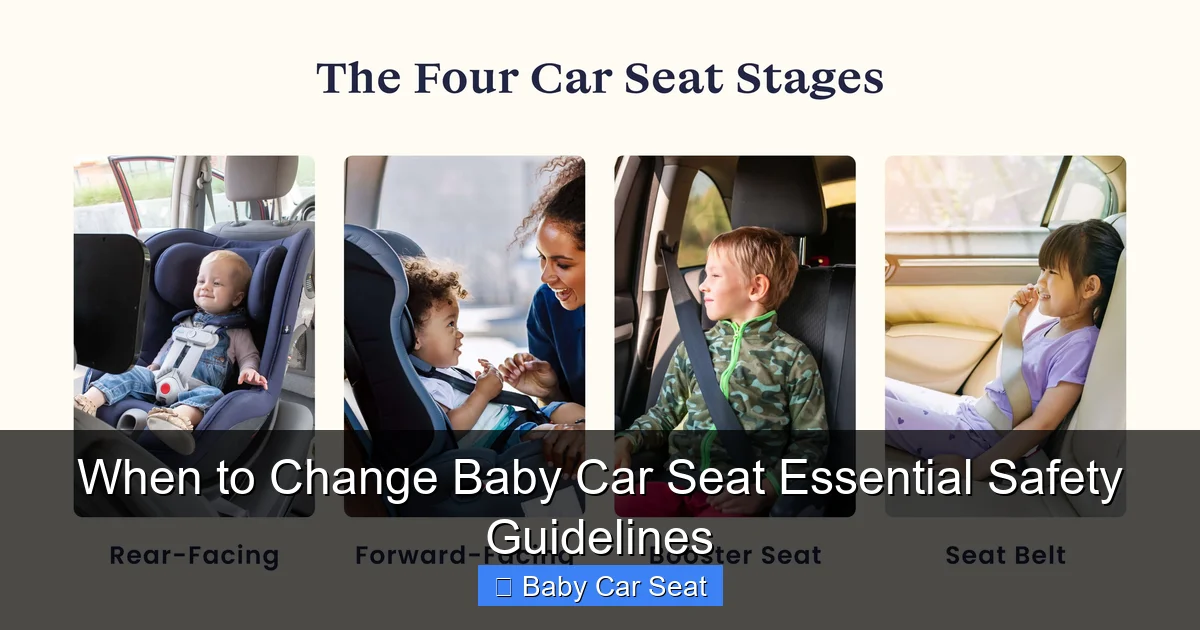
The American Academy of Pediatrics (AAP) and the National Highway Traffic Safety Administration (NHTSA) support a gradual move through four stages:
- Rear-facing car seat
- Forward-facing car seat with a harness
- Belt-positioning booster seat
- Vehicle seat belt alone
Do not move a child to the next stage just because they reach a certain birthday. Keep each type of restraint as long as the child fits its limits and uses it correctly.


When Should You Change a Car Seat?
Change a car seat when one of these conditions applies:
- Your child reaches the seat’s maximum height or weight.
- Your child’s head, shoulders, or ears exceed the seat’s stated limits.
- The harness no longer fits correctly.
- The seat is expired.
- The seat has been damaged.
- The seat was involved in a moderate or serious crash.
- The seat has been recalled.
- The seat no longer fits well in your vehicle.
- The seat cannot be installed tightly and correctly.
The date printed on a car seat label or listed in its manual is the best source for expiration information. Many seats expire after about six years, but the period varies by brand and model. Do not guess.
A child may also need a new seat after a change in body size, even when the child is still within the seat’s age range. A good fit protects the child better than an age-based switch.

The Four Car Seat Stages in the United States
Each stage provides a different kind of protection. The safest choice is to use the stage that matches your child’s size and development.
| Stage | Typical restraint | When to use it |
|---|---|---|
| Rear-facing | Infant seat or rear-facing convertible seat | From birth until the seat’s rear-facing height or weight limit |
| Forward-facing | Convertible or combination seat with a harness | After the child outgrows rear-facing limits |
| Booster | High-back or backless booster | After the child outgrows the forward-facing harness |
| Seat belt | Vehicle lap-and-shoulder belt | When the child passes the seat belt fit test |
These stages can overlap. For example, a convertible car seat may work rear-facing and then forward-facing. A combination seat may work as a forward-facing harness seat and later as a booster.
1. Rear-facing car seat
Keep your child rear-facing until they reach the highest height or weight allowed by the seat. This may be well beyond age 2 for some seats.
Rear-facing seats support the head, neck, and spine during a crash. Infants and young children have developing bones and large heads compared with their bodies, so rear-facing travel gives them better support.
A child has not outgrown a rear-facing seat simply because their feet touch the vehicle seat. Bent legs are usually not a reason to turn the seat around. Check the manual for the actual height and weight limits.
2. Forward-facing car seat with a harness
after a child outgrows the rear-facing limits, use a forward-facing seat with an internal harness and top tether.
Keep using the harness until the child reaches the seat’s stated height or weight limit. The top tether can reduce forward movement in a crash, so use it whenever the vehicle and car seat instructions allow it.


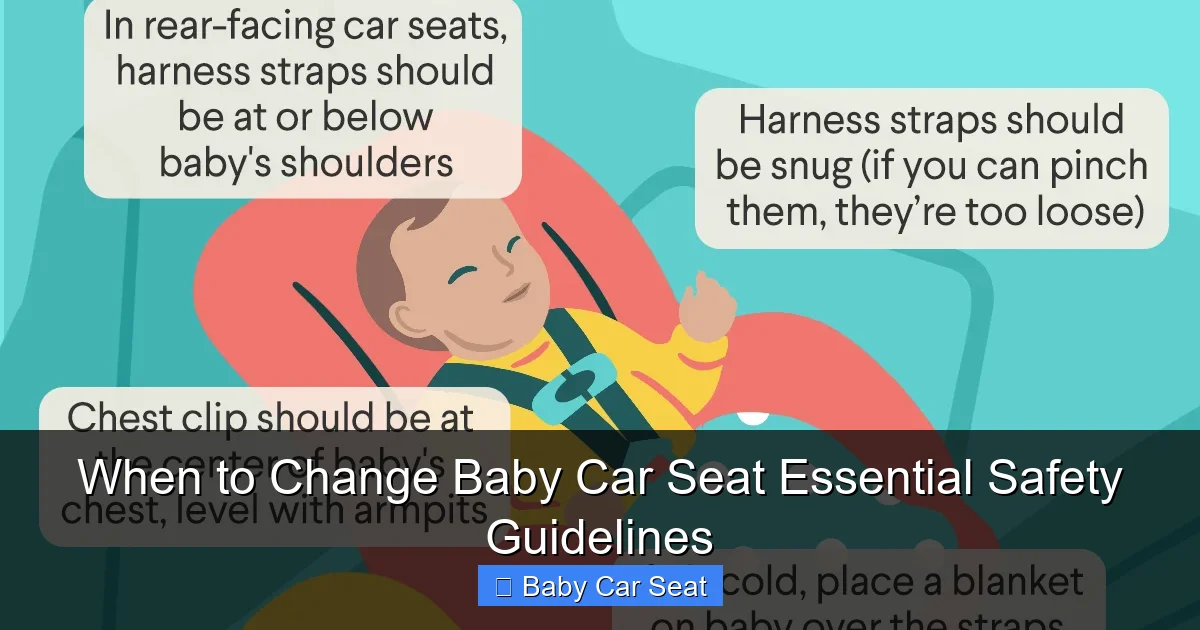
The harness should lie flat and snug. For a forward-facing child, the harness straps usually come from slots at or above the shoulders. Always follow the manual for that specific seat.
3. Belt-positioning booster seat
Move to a booster only after the child outgrows the forward-facing harness limits. A booster does not restrain the child by itself. It raises the child so the vehicle’s lap-and-shoulder belt fits across the strongest parts of the body.
A booster is still needed when a child can sit upright but the seat belt crosses the neck, stomach, or face. Children often need boosters between about ages 8 and 12, but size and belt fit matter more than age.
Use a booster with a lap-and-shoulder belt. Never use a booster with a lap-only belt unless the manufacturer and a qualified safety professional specifically provide an approved solution.
4. Vehicle seat belt alone
A child is ready to stop using a booster when the vehicle seat belt fits correctly every time. The child should be able to sit with their back against the vehicle seat and their knees bent naturally at the edge.
The lap belt should lie low across the upper thighs, not the stomach. The shoulder belt should cross the center of the chest and shoulder, not the neck or face.
The child should also be able to stay in this position for the whole ride. If they lean forward, tuck the belt behind their back, or place the shoulder belt under an arm, they still need a booster.

How to Know if Your Child Has Outgrown a Car Seat
Use the car seat manual first. Then check the child’s position and harness fit.
Rear-facing seat signs
Your child may have outgrown a rear-facing seat when:
- Their weight exceeds the rear-facing limit.
- Their standing height exceeds the rear-facing limit.
- The top of the head reaches a limit listed by the manufacturer.
- The child no longer fits within the seat’s allowed height range.
Do not rely on a general “one inch” rule unless the car seat manufacturer states it. Different seats use different rules for head clearance.
Forward-facing harness seat signs
Your child may have outgrown a forward-facing seat when:
- Their weight exceeds the harness limit.
- Their standing height exceeds the harness limit.
- Their shoulders are above the highest approved harness position.
- The tops of their ears are above the seat’s allowed position.
- The harness cannot sit snugly on the child.
The exact shoulder and ear rules vary. Read the manual instead of applying a rule from another brand.
Booster seat signs
Your child may be too large for a booster when the booster manufacturer’s height or weight limit is reached. However, reaching a booster limit does not automatically mean the child fits the seat belt.


If the belt does not pass the five-part fit test below, the child may need a different booster, a different seating position, or advice from a certified child passenger safety technician.

The Five-Part Seat Belt Fit Test
A child can stop using a booster when all five conditions are true:
- The child sits all the way back against the vehicle seat.
- The child’s knees bend comfortably at the edge of the seat.
- The lap belt lies low across the upper thighs.
- The shoulder belt crosses the chest and shoulder.
- The child can stay in this position for the entire trip.
Test the child in every vehicle used regularly. Belt fit can differ between the back seat of a family SUV, a pickup truck, a sedan, and a grandparent’s car.
The safest seating position is one where the child can use the correct restraint and where the car seat installs properly. In general, children younger than 13 should ride in the back seat when possible, following the vehicle and restraint instructions.
When to Replace a Car Seat After a Crash
Replace a car seat after a moderate or serious crash. Crash forces can damage parts that are not visible from the outside.
NHTSA says a car seat may not need replacement after a minor crash only when all of these conditions are met:
- The vehicle can be driven away from the crash.
- The vehicle door nearest the car seat was not damaged.
- No one in the vehicle was injured.
- The airbags did not deploy.
- There is no visible damage to the car seat.
If even one condition is not met, replace the seat. Check the manufacturer’s instructions, because some manufacturers recommend replacement after any crash.
Do not sell, donate, or give away a car seat that should be replaced. Contact the manufacturer or local waste service for disposal instructions. Some communities offer car seat recycling or collection events.

When to Replace an Expired, Damaged, or Recalled Car Seat
Expiration
Car seats expire because materials, labels, instructions, and replacement parts can become outdated. Heat, cold, sunlight, cleaning, and daily use can also affect the seat over time.
Find the expiration date in one of these places:
- A label on the seat shell
- The bottom of the seat
- The owner’s manual
- The manufacturer’s website
- The manufacturer’s customer service department
If you cannot confirm the age or history of a used seat, do not use it for a child.
Damage
Stop using a seat if it has:
- Cracks in the shell
- Broken or missing parts
- Frayed straps
- A damaged buckle
- Loose padding that affects the harness
- Heat, water, or chemical damage
- Missing labels or instructions
- Signs of tampering or modification


Never add aftermarket inserts, harness pads, toys, or accessories unless the car seat manufacturer approves them for that specific model.
Recalls
Check for recalls before using a seat and after buying a used one. Search the NHTSA recall database and register the seat with the manufacturer.
A recall may involve the buckle, harness, base, padding, label, or installation system. Follow the recall notice exactly. If the manufacturer provides a repair or replacement part, do not keep using the seat in a way the notice says is unsafe.

How to Change Car Seats Safely
Follow these steps when your child is ready for a new seat:
- Read the current seat’s limits. Check height, weight, harness, and rear-facing or forward-facing rules.
- Choose the next stage. Do not skip from rear-facing to a booster.
- Check your vehicle manual. Find approved seating positions, lower anchors, top tether points, and seat belt instructions.
- Read the new car seat manual. Installation rules differ between models.
- Install the seat tightly. At the belt path, the seat should not move more than 1 inch from side to side or front to back when tested according to common NHTSA guidance.
- Use the top tether when required or allowed. This is especially important for forward-facing seats.
- Set the harness correctly. Remove bulky coats before buckling the child.
- Perform a final fit check. The harness should pass the pinch test: you should not be able to pinch extra webbing at the child’s shoulder.
- Get help if needed. A certified Child Passenger Safety Technician can check the installation and fit.
A child safety seat may look secure while still being installed incorrectly. If the seat rocks, the belt path is unclear, the buckle will not lock, or the harness will not tighten, stop and check the manual before driving.

Common Mistakes to Avoid
Moving a child by age alone
Age is a useful guide, but it does not decide when to change car seats. A smaller 4-year-old may still need a harness, while a larger child may need a booster after outgrowing a harness seat.
Turning a child forward-facing too soon
Do not turn a child around because their legs touch the seat, they dislike the rear-facing view, or they reach age 2. Use the rear-facing position until the seat’s rear-facing limits are reached.
Using a booster too early
A child must be mature enough to sit correctly and stay positioned. If the child leans, kneels, or moves the shoulder belt, the booster may not provide proper belt placement.
Buying a used seat without its history
You need to know the seat’s age, crash history, recalls, and missing parts. If you cannot verify these details, choose another seat.
Adding unapproved accessories
Extra cushions and inserts can change how the harness holds the child. Use only parts approved by the seat maker.
Forgetting the top tether
Many caregivers connect the lower anchors or seat belt but skip the top tether. For forward-facing seats, check both manuals and use the tether as instructed.

What to Do With an Old Car Seat
First, make the seat unusable so no one else can mistake it for a safe seat. Cut the harness straps, remove the padding, and write “Do not use” on the shell. Follow local recycling rules and check whether the manufacturer or retailer accepts old seats.
Do not donate a seat that is expired, damaged, recalled without an approved remedy, or involved in a crash. A seat that looks clean may still have hidden damage.
If the seat is still safe and within date, confirm that it has all parts, labels, and instructions before giving it to another family. Tell the new user its complete history.


How State Laws Affect Car Seat Changes
Car seat laws differ by state. They may set minimum requirements for rear-facing use, forward-facing harnesses, boosters, seat belts, and front-seat placement.
State law is the legal minimum, not always the safest stopping point. A child may legally use a seat belt before the belt fits well. Follow the AAP and NHTSA guidance, the car seat manual, and your state law together.
Check your state’s current child passenger safety law through its highway safety office or the Governors Highway Safety Association. Laws can change, and rules may differ for taxis, school buses, medical needs, and older vehicles.
Quick Car Seat Change Checklist
Before changing seats, ask:
- Has my child reached the current seat’s height or weight limit?
- Does the child still fit the harness correctly?
- Is the seat expired?
- Has it been in a crash?
- Is it damaged or missing parts?
- Is it under recall?
- Does the new seat fit my vehicle?
- Can I install it tightly?
- Does the child fit the new restraint correctly?
- Can a certified technician check the installation?
If the answer to any safety question is uncertain, pause before driving with the new setup.
Frequently Asked Questions
Should a 2-year-old still ride rear-facing?
Usually, yes. The AAP recommends keeping children rear-facing until they reach the highest rear-facing height or weight limit of the seat. Age 2 is not a required switch date.
When should a child move from a 5-point harness to a booster?
Move to a booster after the child outgrows the forward-facing harness limits, not simply after reaching a certain age. The child must also be able to sit correctly and keep the belt in place.
Is a backless booster safe?
A backless booster can be safe when the vehicle seat provides head support, the booster is approved for the child’s size, and the lap-and-shoulder belt fits correctly. A high-back booster may help position the belt or provide support in some vehicles.
Can I use a car seat after a minor crash?
Possibly, but only if every NHTSA minor-crash condition is met and the manufacturer does not require replacement after any crash. When in doubt, replace the seat or contact the manufacturer.
Can I use an expired car seat in an emergency?
An expired seat should not be used for routine travel. If a child needs immediate transport, seek a current, approved restraint if one is available. For ongoing use, replace the expired seat.
Where can I get a car seat installation checked?
Look for a certified Child Passenger Safety Technician through Safe Kids Worldwide, a local police or fire department, a hospital, or a state highway safety office. Confirm that the location offers appointments and checks your specific seat and vehicle.
Sources and Further Reading
- National Highway Traffic Safety Administration: Car Seats and Booster Seats
- NHTSA: Car Seat Recommendations for Children
- American Academy of Pediatrics: Car Safety Seats
- NHTSA: Recalls
- Safe Kids Worldwide: Find a Child Passenger Safety Technician
The safest time to change a car seat is when the current restraint no longer fits, no longer works, or is no longer safe to use. Keep your child rear-facing as long as the seat allows, use a forward-facing harness next, then use a booster until the vehicle belt fits correctly every time.
