

Painting a car usually costs $500 to $5,000, depending on paint quality, prep work, vehicle size, and finish.
The real answer to “how much is it to paint a car” depends on far more than the paint itself. Labor, rust repair, body damage, color changes, clear coat, and the shop’s skill can all change the final bill. This guide explains each cost clearly so you can compare estimates, avoid poor work, and choose a finish that fits your car and budget.
Average Cost to Paint a Car
For most drivers, how much is it to paint a car falls between $1,000 and $4,000 for a professional job. A basic repaint may cost less, while a high-end restoration can cost much more.
Here is a practical price guide:
| Paint job type | Typical cost range | What it usually includes |
|---|---|---|
| Basic economy repaint | $500 to $1,500 | Simple paint, limited prep, visible exterior areas |
| Standard professional repaint | $1,500 to $4,000 | Better prep, quality paint, primer, and clear coat |
| Premium repaint | $4,000 to $10,000 or more | Extensive prep, high-grade materials, careful panel work |
| Show-quality restoration | $10,000 to $25,000 or more | Complete disassembly, repairs, custom finish, and detailed polishing |
| DIY paint job | $200 to $1,500 | Materials and equipment, excluding your labor |
A small sedan with good body panels may cost less than a large SUV, truck, or luxury car. A vehicle with peeling paint, dents, rust, or faded clear coat will also need more work before new paint can be applied.
These prices are broad estimates for the United States. Local labor rates, paint brands, shop demand, and the vehicle’s condition can create large differences.
What Determines How Much It Is to Paint a Car?
The biggest mistake is to compare quotes by paint price alone. A low quote may leave out key prep work, while a higher quote may include repairs that help the paint last for many years.
The main cost factors include:
Vehicle size
A compact car uses less paint and takes less time to sand and spray. A full-size truck, three-row SUV, or van has more surface area, so it needs more material and labor.
Typical size-based differences include:
• Compact cars: Usually the least expensive to paint
• Mid-size sedans: Moderate paint and labor costs
• SUVs and pickup trucks: Higher costs because of their size and extra panels
• Vans and large vehicles: Often the most expensive standard vehicles to repaint
Vehicle condition
Body condition often matters more than age. A ten-year-old car with straight panels may cost less to paint than a newer car covered in dents and rust.
Common repair needs include:
• Dent removal
• Rust treatment
• Scratches that reach the metal
• Peeling clear coat
• Cracked bumpers
• Stone chips
• Previous paint that is lifting or bubbling
Paint color
Changing from one color to another usually costs more than repainting the same color. The shop may need to paint door edges, trunk edges, the engine bay, or other areas that would show the old color.
White, black, and common solid colors are often easier to match and repair. Pearl, metallic, candy, and three-stage colors may cost more because they require careful mixing and spraying.
Paint quality
Automotive paint comes in several quality levels. Economy paint can look acceptable at first, but premium paint often offers better color depth, UV resistance, and long-term durability.
The coating system may include:
• Primer
• Base coat
• Metallic or pearl layer
• Clear coat
• Sealer
A professional shop may use a two-stage system with base coat and clear coat. Some specialty finishes use three stages or more.
Labor rates
Labor is often the largest part of a professional paint estimate. Shops may charge roughly $50 to $150 per hour, depending on location, equipment, reputation, and technician skill.
A proper repaint can take many hours. The technician must wash, mask, sand, repair, prime, spray, cure, inspect, and polish the vehicle. Good paint work is slow because each step affects the next one.

Paint Job Levels and What You Get
When someone asks how much is it to paint a car, they may be thinking of very different levels of service. Understanding these levels helps you compare quotes fairly.
Economy paint job
An economy job may cost $500 to $1,500. It is designed for an older car, a quick appearance upgrade, or a vehicle that may not be kept for many more years.
The shop may:
• Sand only the most visible areas
• Paint the exterior panels
• Use lower-cost paint products
• Avoid removing trim, lights, handles, and seals
This option can improve the car’s appearance, but it may not hide every flaw. Paint edges and areas around trim may also be less refined.
Standard professional paint job
A standard job often costs $1,500 to $4,000. This is the most common choice for owners who want a clean, durable result without paying for a full restoration.
It commonly includes:
• Surface cleaning and sanding
• Minor dent and scratch repair
• Primer or sealer
• Base coat
• Clear coat
• Basic polishing
The final result depends heavily on the shop’s preparation. A good standard job can look excellent when the body is already in fair condition.
Premium paint job
A premium repaint may cost $4,000 to $10,000 or more. The shop spends more time removing parts, correcting panels, matching color, and refining the finish.
This level may include:
• Removal of bumpers, mirrors, lights, handles, and trim
• Extensive block sanding
• Multiple primer coats
• High-quality paint products
• Paint blending on nearby panels
• Wet sanding and machine polishing
Premium work is a better choice for valuable vehicles, newer cars, or owners who plan to keep the vehicle for a long time.
Show-quality paint job
Show-quality work can exceed $10,000 and may reach $25,000 or more. The car may be stripped down, repaired, painted in stages, sanded between coats, and polished to an extremely smooth finish.
This type of work is closer to restoration than a normal repaint. It is rarely needed for a daily driver.

How Much Does It Cost to Paint a Car Yourself?
A DIY car paint job may cost $200 to $1,500 for materials and equipment. The price depends on whether you already have an air compressor, spray gun, sanding tools, safety gear, and a suitable work area.
Basic DIY costs may include:
• Automotive primer: $50 to $200
• Base coat paint: $100 to $600
• Clear coat: $75 to $300
• Sandpaper and masking supplies: $50 to $200
• Respirator and protective gear: $50 to $200
• Spray gun and compressor: $100 to $1,000 or more
The low material price can be misleading. Painting a car requires a clean space with good airflow, stable temperature, and controlled dust. Some automotive coatings contain hazardous chemicals, so proper respiratory protection and ventilation are essential.
A common DIY mistake is rushing the prep work. Paint can hide small marks for a short time, but it cannot fix deep dents, rust, or grease. Those problems usually become more visible after the new finish dries.
Another lesson I have seen repeatedly is that paint spraying is only one part of the job. Many first-time painters spend most of their budget on color and clear coat, then struggle because they lack the tools or time to sand and polish the finish.
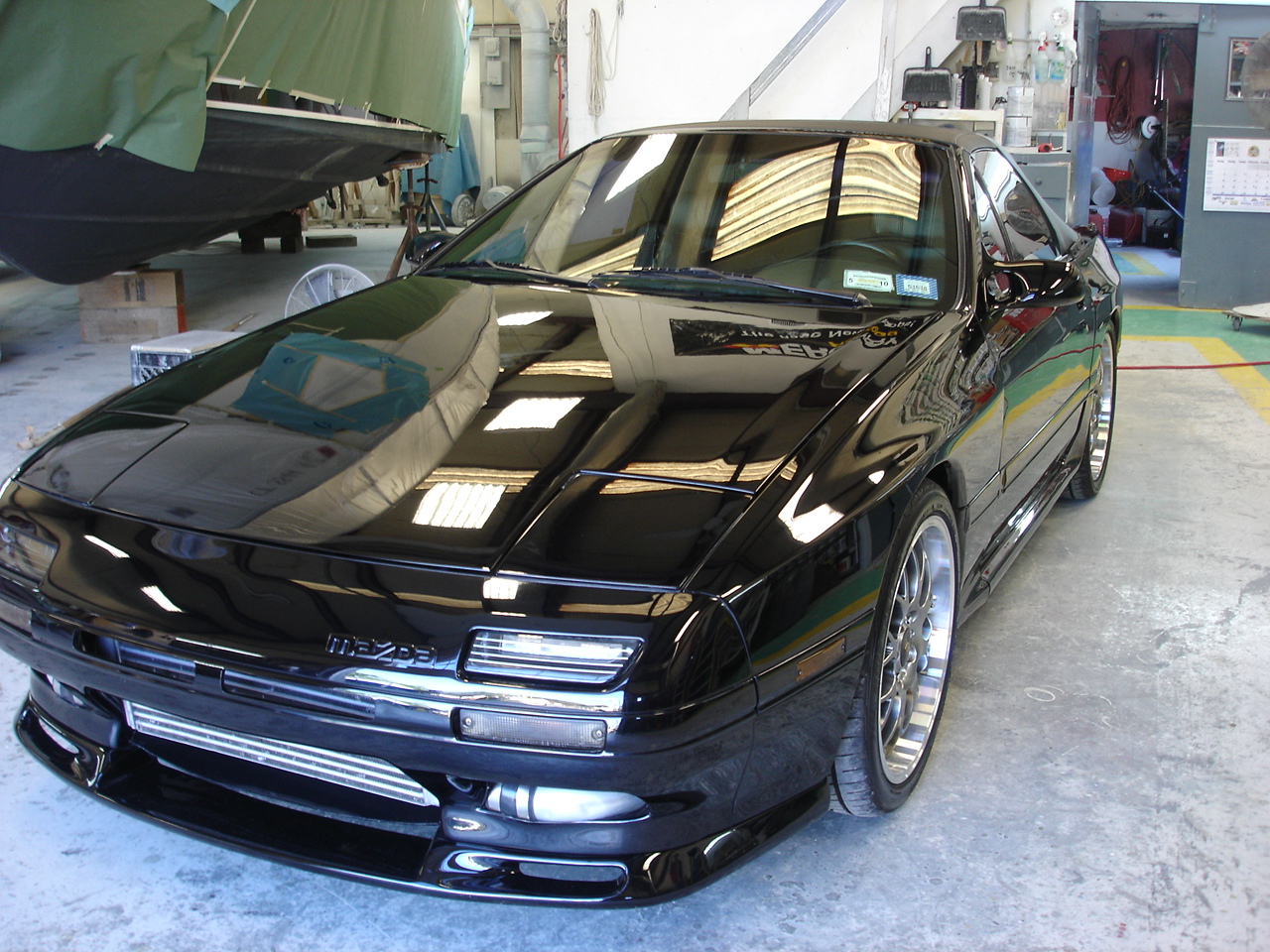
Cost of Painting Individual Car Parts
You may not need to repaint the entire vehicle. Painting one or two damaged panels can save money and preserve the factory finish on the rest of the car.
Typical prices include:
• Bumper cover: $300 to $800
• Single door: $300 to $900
• Fender: $300 to $800
• Hood: $400 to $1,000
• Roof: $500 to $1,200
• Trunk lid: $300 to $800
• Full side of a car: $1,000 to $3,000
These ranges include labor in many professional shops, but estimates vary. A panel may need blending into nearby panels if the color is difficult to match or the existing paint has faded.
Paint blending is the process of lightly extending the new color into an adjacent panel. It helps prevent a sharp color difference. This adds labor, but it often creates a more natural result.
For a small repair, ask whether the shop plans to blend the paint. A quote that excludes blending may look cheaper but could leave an obvious color line.

Hidden Costs That Can Raise the Estimate
The first estimate is not always the final cost. Extra problems may appear after the shop removes trim or sands the old paint.
Watch for these possible charges:
• Rust removal
• Dent repair
• Replacement of damaged clips and moldings
• Bumper repair
• Primer and sealer
• Paint blending
• Removal and installation of lights
• Door jamb painting
• Overspray protection
• Wet sanding and polishing
• Disposal fees
• Storage fees
Rust is one of the most serious cost increases. Surface rust may be cleaned and sealed, but deep rust can require cutting out metal and welding in new sections. Painting over active rust is like placing a bandage over a leak. The problem will usually return.
Ask the shop to explain what is included in writing. A useful estimate should list the repair areas, paint system, number of panels, finish level, warranty, and any exclusions.
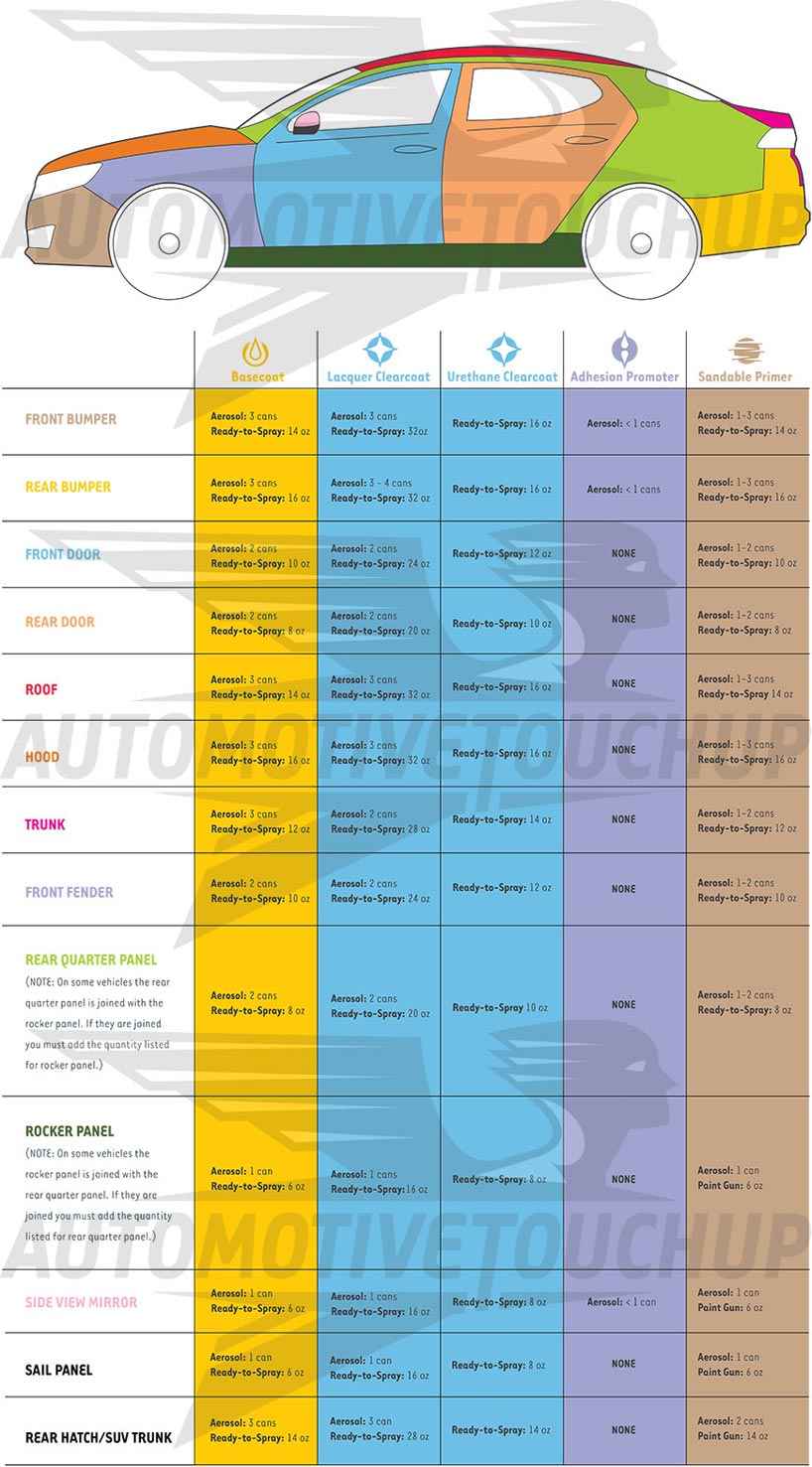
How to Get an Accurate Car Paint Estimate
You can make the estimate process easier by preparing a few details before visiting a shop.
Follow these steps:
Wash the car so the technician can see its true condition.
Take clear photos of dents, scratches, rust, and peeling paint.
Decide whether you want the same color or a complete color change.
Ask for an itemized written estimate.
Confirm whether the quote includes primer, base coat, clear coat, sanding, and polishing.
Ask which parts will be removed before painting.
Check the warranty and what it covers.
Compare at least three reputable shops.
Do not choose a shop based only on the lowest price. Visit the facility if possible. Look for a clean spray area, organized tools, finished cars, and clear communication.
Ask to see recent work on a similar vehicle. A shop that mainly repairs collision damage may produce a different result from a shop that specializes in restorations or custom paint.
Also check reviews with care. Look for comments about color matching, peeling, overspray, communication, and how the shop handled problems.

How Long Does It Take to Paint a Car?
A basic repaint may take two to five days. A standard professional job often takes one to three weeks, especially when the shop has a busy schedule or the vehicle needs body repairs.
A premium or restoration paint job may take several weeks or even months. Drying time, sanding between coats, parts removal, rust repair, and paint correction all add time.
A typical process includes:
• Inspection and estimate
• Washing and degreasing
• Removal or masking of trim
• Dent and rust repair
• Sanding the old finish
• Applying primer
• Sanding and cleaning again
• Spraying color
• Applying clear coat
• Curing and inspection
• Wet sanding and polishing
A shop that promises a complete, high-quality repaint in one day may be cutting corners. Fast work is not always poor work, but proper preparation and curing cannot be skipped without increasing the risk of defects.
How to Save Money Without Ruining the Finish
There are safe ways to reduce how much it is to paint a car. The key is to reduce unnecessary work, not essential preparation.
Consider these options:
• Keep the original color to reduce blending and edge work.
• Repair only important cosmetic defects.
• Choose a standard finish instead of a custom color.
• Paint selected panels instead of the whole vehicle.
• Remove personal items and clean the interior before delivery.
• Ask whether you can remove simple trim parts yourself.
• Compare local independent shops with large collision centers.
• Schedule the work during a less busy season.
Do not save money by skipping primer, rust repair, or clear coat. These steps support adhesion and protection. Cutting them may produce a lower bill now but a second paint job later.
You should also be cautious with unusually cheap mobile painting services. Some mobile technicians do excellent spot repairs, but a full vehicle repaint needs controlled conditions. Dust, wind, humidity, and poor lighting can affect the final finish.
Is Repainting a Car Worth It?
Repainting can be worthwhile when the vehicle has a strong engine, good tires, a sound frame, and a clean interior. It may protect the body and make an older car feel new again.
However, the paint job may not add its full cost to the vehicle’s resale value. If a car is worth $4,000, spending $6,000 on paint may not be a wise financial choice unless you plan to keep it.
Before deciding, compare:
• The car’s current market value
• The cost of a replacement vehicle
• Mechanical repair needs
• Rust and structural condition
• Your expected ownership period
• Insurance or financing requirements
A repaint makes more sense when the car is mechanically reliable and the owner values its history, comfort, or sentimental appeal. It makes less sense when major engine, transmission, or frame problems are also present.
A professional inspection can help you avoid polishing a sinking ship. Fresh paint cannot make a mechanically worn vehicle dependable.
How to Protect a Newly Painted Car
After spending money on paint, protect the finish from the start. Follow the shop’s instructions about washing, waxing, and curing.
Helpful care tips include:
• Wait as long as the shop recommends before washing the car.
• Use clean microfiber towels.
• Choose automotive soap rather than household dish soap.
• Avoid automatic brushes that can scratch clear coat.
• Repair bird droppings and tree sap quickly.
• Park in shade or a garage when possible.
• Use paint protection film on high-impact areas.
• Apply wax or sealant only when the paint is fully cured.
Fresh paint can be more sensitive during its early cure period. The exact time depends on the paint system, temperature, humidity, and shop process.
A ceramic coating may help protect the surface, but it cannot prevent every chip or scratch. Paint protection film offers stronger defense against road debris, though it costs more.
Frequently Asked Questions About How Much It Is to Paint a Car
How much is it to paint a car a different color?
A full color change often costs $3,000 to $10,000 or more. Painting door jambs, trunk edges, the engine bay, and other hidden areas takes extra labor and materials.
How much is it to paint a car with a basic finish?
A basic professional repaint usually costs $500 to $1,500. It may include limited body preparation and exterior painting, but it often does not include extensive dent repair or trim removal.
How much is it to paint a car at a professional shop?
Most standard professional jobs cost about $1,500 to $4,000. The final price depends on vehicle size, body condition, paint quality, location, and the amount of preparation needed.
Is it cheaper to wrap a car than to paint it?
A vehicle wrap often costs about $2,000 to $5,000 for a professional installation. Wrapping may be cheaper than a high-quality repaint, but it requires reasonably smooth paint and may not repair rust, dents, or peeling surfaces.
How long does a new car paint job last?
A quality repaint can last 10 years or longer with proper preparation and care. Poor prep, low-grade materials, strong sun, harsh weather, and frequent washing can shorten its life.
Can I paint only one panel?
Yes, a shop can paint one panel, such as a door, fender, or bumper. The technician may need to blend the color into nearby panels to make the repair less noticeable.
Does car insurance pay for a repaint?
Insurance may pay for repainting when the damage is covered by a collision or comprehensive claim. It typically does not pay for repainting caused only by age, fading, neglect, or a desire to change color.
Conclusion
So, how much is it to paint a car? Plan on $500 to $1,500 for a basic job, $1,500 to $4,000 for a solid professional repaint, and $4,000 or more for premium work. Body condition, paint type, vehicle size, color changes, and preparation will shape the final price.
The best choice is not always the cheapest quote. Request an itemized estimate, inspect the shop, ask about preparation, and choose a finish that matches your car’s value and your ownership plans. Get several local estimates before making a decision, and share your questions or experience with car painting in the comments.
