

Most children should switch from an infant car seat when they reach the seat’s maximum height or weight limit, not simply because they reach a certain age. Many babies outgrow an infant seat between 9 and 18 months, but the exact point depends on the seat, the child, and the fit.
The next seat is often a rear-facing convertible car seat. The American Academy of Pediatrics (AAP) and the National Highway Traffic Safety Administration (NHTSA) advise keeping children rear-facing for as long as possible, within the limits of the car seat.
Your child does not need to sit forward-facing just because they leave an infant carrier. A convertible seat can keep a young child rear-facing for much longer.

The short answer: When should you stop using an infant car seat?
Switch from an infant car seat when one of these conditions applies:


- Your child reaches the seat’s maximum weight limit.
- Your child reaches the seat’s maximum standing height limit.
- Your child no longer fits the harness correctly.
- Your child’s head is too close to the top of the seat, according to the manufacturer’s instructions.
- The seat is expired, damaged, recalled, or involved in a crash.
- You need a different seat because the infant carrier no longer fits your vehicle or daily routine.
Always check the label and instruction manual for your exact model. Limits differ by brand and model. Some rear-facing infant seats allow children up to 22 pounds; others allow 30 or 35 pounds. Height limits also vary.
Outgrowing an infant seat means moving to another rear-facing seat—not automatically turning the child forward-facing.
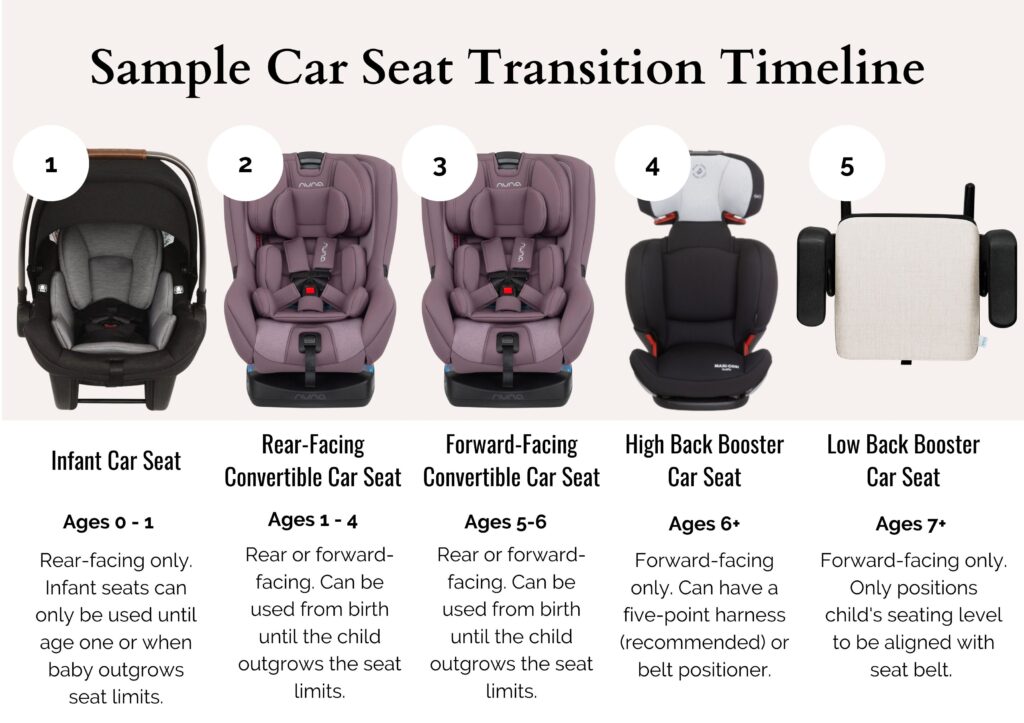
What is an infant car seat?
An infant car seat is a small, rear-facing-only car seat. It usually clicks into a detachable base and may also be used with a stroller.
The carrier is designed for babies and young toddlers. It has a built-in harness and a reclined shape that supports a small child. Unlike a convertible car seat, most infant seats cannot be used forward-facing.
An infant car seat has two separate limits:
- Weight limit: The highest child weight approved for rear-facing use.
- Height limit: The highest child standing height approved for rear-facing use.
Some manufacturers also give a head-clearance rule. For example, the manual may require a certain amount of space between the child’s head and the top of the shell. Do not assume that every seat uses the same rule.
The label on the side of the seat and the manual are the final sources for that model. Do not rely on a general rule such as “the child can stay in it until age one.”
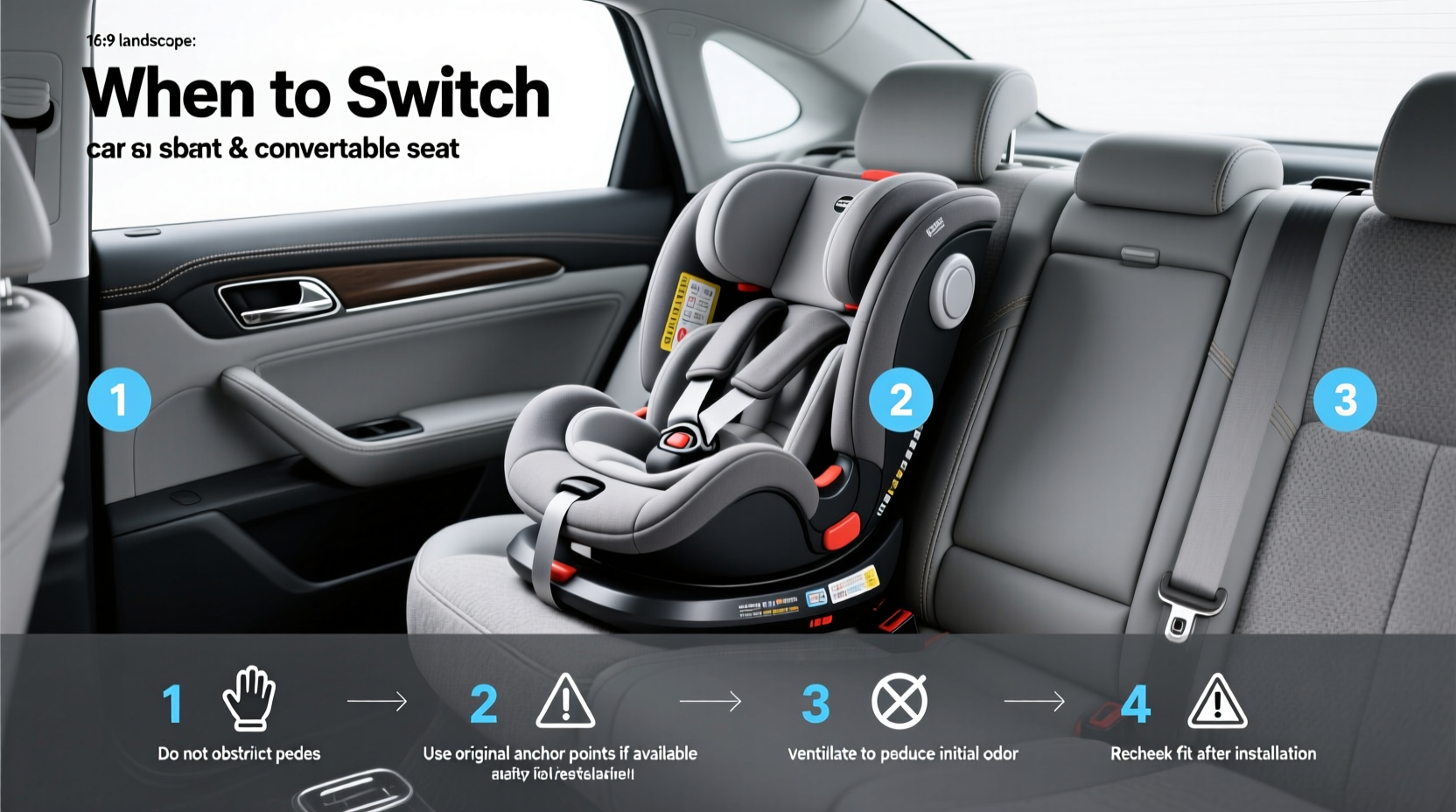
Signs your child has outgrown the infant car seat
Check your child’s fit often. Children can reach a height limit before a weight limit, especially during the first two years.
1. Your child is over the weight limit
Weigh your child without heavy clothing when possible. Compare the result with the rear-facing weight limit printed on the seat.


Do not continue using the seat because the child is only slightly over the limit. Once the limit is reached, stop using that seat and move to an approved replacement.
2. Your child is over the height limit
Many infant seats list a maximum standing height. Measure your child as the manufacturer describes. A standing-height measurement is not the same as the child’s height while sitting in the carrier.
Some manuals use different wording, such as “when the child’s head is less than one inch from the top of the seat shell.” Follow the wording for your specific model.
3. The harness no longer fits correctly
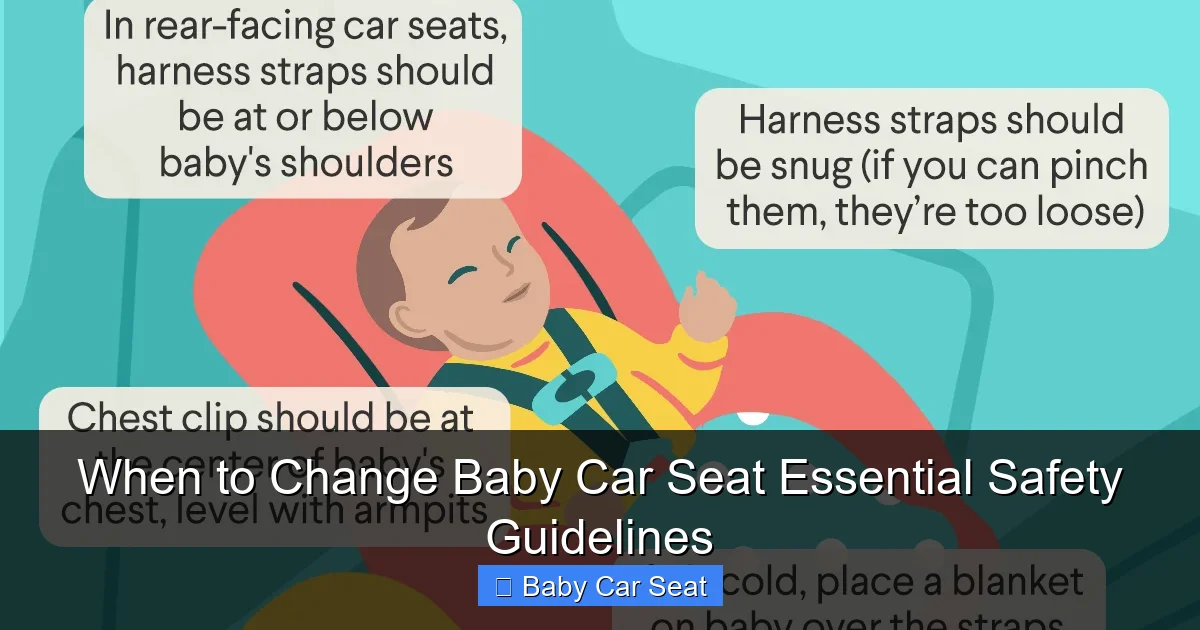
The harness should lie flat and snug on the child. For a rear-facing child, the harness straps should usually come from at or below the child’s shoulders, unless the manual says otherwise.
The chest clip should sit at armpit level. The harness should be snug enough that you cannot pinch extra webbing at the child’s shoulder.
Bulky coats can make a harness seem tight or can create dangerous slack. Remove thick outerwear and use a thin layer instead. Place a blanket over the buckled harness if the child needs more warmth.
4. Your child’s head reaches the seat’s stated limit
Do not use an informal rule from another seat or another family. Some seats require a specific amount of shell above the child’s head. Others rely mainly on the listed height limit.
Read the manual before deciding that the seat is outgrown. If the instructions are unclear, contact the manufacturer or have a certified child passenger safety technician check the fit.
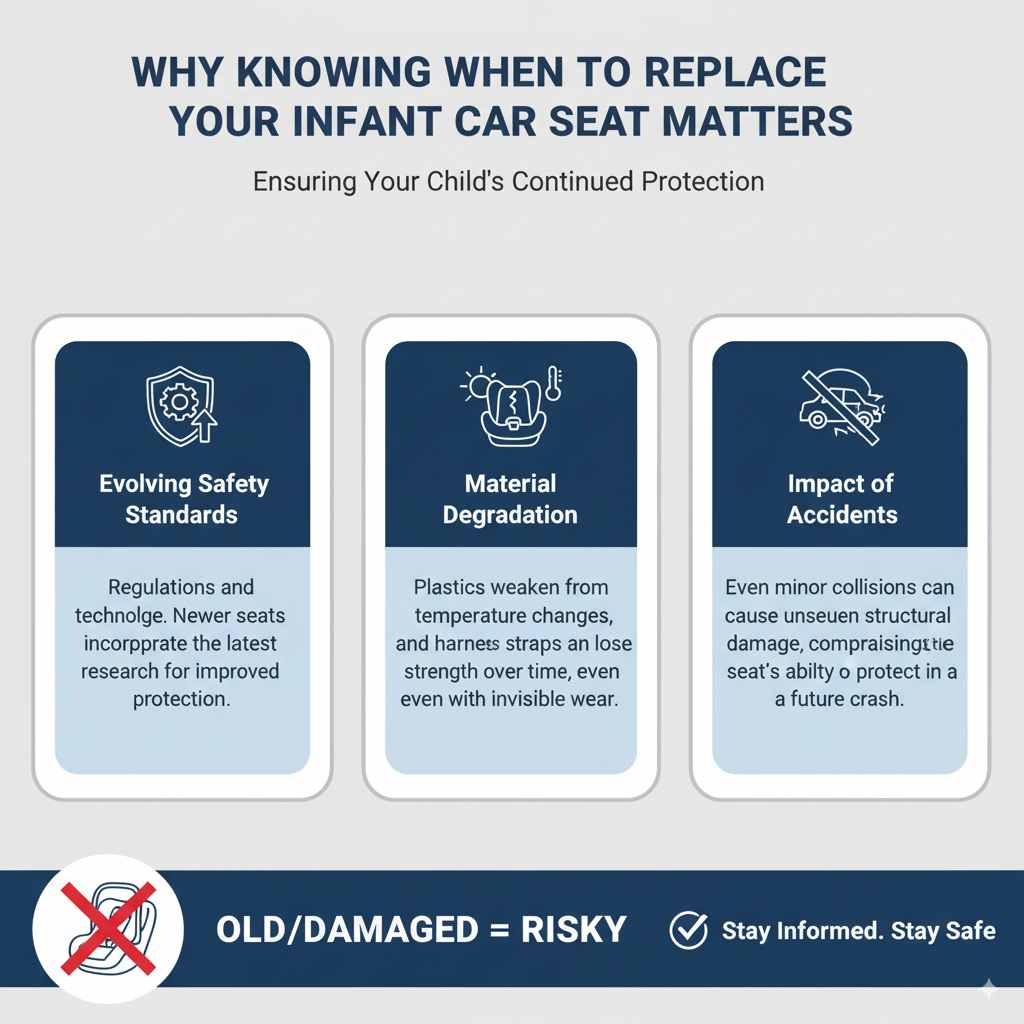
5. The seat is damaged, expired, or recalled
Replace the seat if:
- It was in a moderate or severe crash.
- The shell, harness, buckle, base, or foam is cracked or damaged.
- Parts are missing.
- The seat is past its expiration date.
- The seat has an open recall.
- You cannot identify its history.
NHTSA advises replacing a car seat after a moderate or severe crash. A seat involved in a minor crash may not need replacement if it meets all NHTSA conditions, but follow the manufacturer’s policy because some companies recommend replacement after any crash.
Should you switch to a convertible car seat or an all-in-one seat?
For most children who outgrow an infant carrier, a rear-facing convertible car seat is the most direct next step.
A convertible seat can typically be used:
- Rear-facing for a baby or toddler.
- Forward-facing with a harness for an older child.
- Sometimes as a belt-positioning booster for a later stage.
An all-in-one seat may add a booster mode. That can reduce the need to buy another seat, but the important issue is not the number of modes. The seat must fit your child, vehicle, and installation position in every mode.


Comparison of common options
| Seat type | Rear-facing use | Forward-facing use | Booster use | Best fit |
|---|---|---|---|---|
| Infant seat | Yes | No | No | Newborns and young babies |
| Convertible seat | Yes | Yes | Usually no | Families wanting extended rear-facing use |
| All-in-one seat | Yes | Yes | Usually yes | Families seeking one seat for several stages |
| Forward-facing harness seat | No | Yes | Sometimes | Children who have outgrown rear-facing limits |
| Belt-positioning booster | No | No harness | Yes | Children who are ready for a vehicle seat belt |
A seat that lasts longer is not automatically safer. Correct installation, correct harness use, and proper fit matter more than the number of stages listed on the box.

What seat should come after an infant car seat?
The usual next seat is a rear-facing convertible car seat with limits that fit your child’s current size and allow room for growth.
Look for these basic features:
- A rear-facing weight and height range that includes your child.
- A harness that fits the child correctly.
- Instructions that are clear for your vehicle.
- A secure installation in the seating position you plan to use.
- A model that is certified to meet applicable U.S. federal motor vehicle safety standards.
- A manual that explains rear-facing and forward-facing use.
- Replacement parts and manufacturer support, if needed.
Do not choose a forward-facing seat merely because your child’s legs touch the vehicle seat. Bent legs or feet touching the back of the vehicle seat are not, by themselves, signs that a child has outgrown rear-facing use.
The AAP recommends that children remain rear-facing until they reach the highest weight or height allowed by the car seat. Once they outgrow rear-facing limits, they can use a forward-facing seat with a harness and top tether.

When can a child face forward?
A child can face forward after reaching the rear-facing height or weight limit of the convertible car seat, provided the child meets the seat’s forward-facing requirements.
Many forward-facing seats require the child to be at least 2 years old, but the exact minimum depends on the seat. A state law may set a different minimum. A legal minimum is not always the safest target.
For forward-facing use:
- Follow the seat’s minimum age, weight, and height requirements.
- Use the internal harness until the child reaches the seat’s forward-facing limits.
- Use the top tether whenever the vehicle and seat instructions require or allow it.
- Install the seat in a position approved by both the car seat and vehicle manuals.
- Keep the seat in the back seat when possible.
The top tether limits forward movement of a forward-facing car seat in a crash. It is not a substitute for the lower anchors or vehicle seat belt. Use the installation method described in the manuals.

When should a child move from a harness to a booster?
A child should move to a belt-positioning booster only after outgrowing the forward-facing harness limits and meeting the booster’s requirements.
A booster does not restrain the child by itself. It raises the child so the vehicle lap and shoulder belt can fit correctly.
A child is usually ready to stop using a booster only when all of these conditions are true:
- The child can sit with their back against the vehicle seat.
- The child’s knees bend comfortably at the edge of the seat.
- The lap belt lies low across the upper thighs, not the stomach.
- The shoulder belt crosses the chest and shoulder, not the neck or face.
- The child can stay in the correct position for the full ride.
- The child fits the vehicle belt in every seating position used.
This often occurs between ages 8 and 12, but age alone does not determine belt fit. NHTSA and the AAP advise using a booster until the vehicle seat belt fits properly without it.
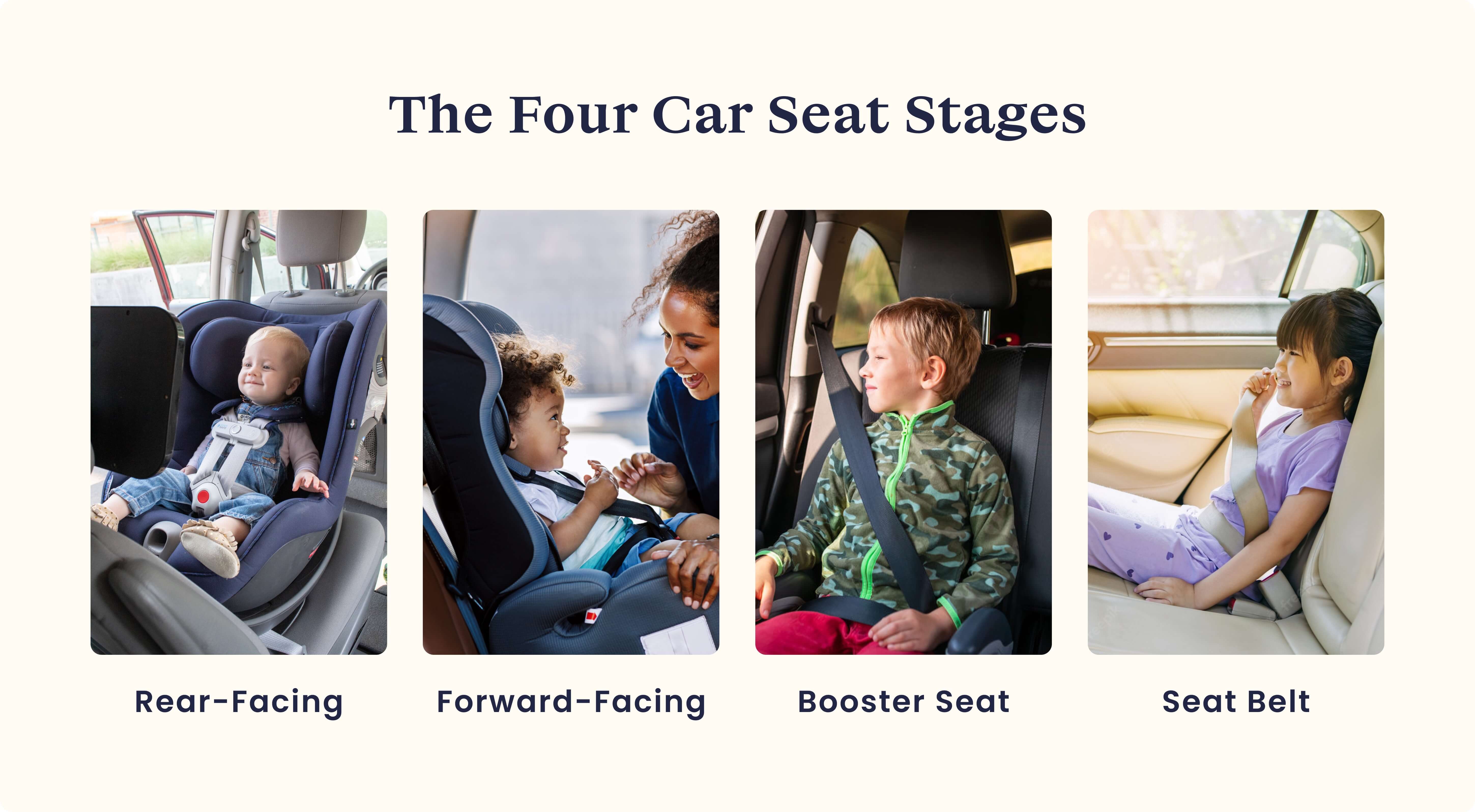
Infant car seat transition guide by stage
The table below shows the usual sequence. The seat manual and your child’s fit control the actual timing.


| Child’s stage | Recommended restraint | Main reason to move |
|---|---|---|
| Newborn to young baby | Rear-facing infant or convertible seat | Child needs a properly fitted rear-facing harness |
| Infant seat limit reached | Rear-facing convertible seat | Infant carrier is outgrown or no longer practical |
| Rear-facing convertible limit reached | Forward-facing harness seat | Child has reached the rear-facing height or weight limit |
| Forward-facing harness limit reached | Belt-positioning booster | Child still needs help fitting the vehicle belt |
| Seat belt fits consistently | Vehicle seat belt alone | Booster is no longer needed |
This is a safety sequence, not a strict birthday schedule. Two children of the same age may need different seats because their height, weight, body shape, maturity, and seat model differ.
How to switch from an infant car seat safely
Use this process before the first trip in the new seat.
1. Read both manuals
Read the child seat manual and the vehicle owner’s manual. Check:
- Approved seating positions.
- Lower-anchor locations and weight limits.
- Seat belt installation rules.
- Recline settings.
- Rear-facing angle.
- Harness height.
- Top-tether requirements.
- Whether the seat may touch the vehicle seat in front of it.
Never assume that an installation method allowed in one vehicle is allowed in another.
2. Choose the rear-facing mode
If your child has outgrown the infant carrier but has not outgrown rear-facing use, install the convertible seat rear-facing.
Set the recline angle exactly as shown on the seat. A newborn may need a different angle from an older toddler, so use the correct indicator or adjustment for your child.
3. Install the seat tightly
After installation, hold the seat near the belt path and test it. NHTSA generally describes a secure installation as one that moves no more than one inch from side to side or front to back at the belt path.
Do not test movement by pulling on the top of the seat. Some movement at the top can be normal. The key check is movement at the place where the vehicle belt or lower anchors pass through the seat.
4. Fit the child
Place the child’s back and bottom against the seat. Set the harness at the correct height. Buckle the harness and tighten it until you cannot pinch slack at the shoulder.
Keep the chest clip at armpit level. Do not add aftermarket inserts, strap covers, head supports, or padding unless the manufacturer supplied or approved them.
5. Have the installation checked
A certified child passenger safety technician can check the installation and harness fit. Use the NHTSA Child Passenger Safety Technician search tool or contact a local inspection station, hospital, fire department, or public health program.
Services and appointment rules vary. Ask whether the technician checks both the seat and the vehicle installation.

Common mistakes when switching car seats
Mistake 1: Switching because the child turns one
Turning one is not a reason to face forward. Many one-year-olds still fit safely in a rear-facing infant or convertible seat.
Mistake 2: Switching because the child’s legs bend
Children can ride rear-facing with bent legs. Foot contact with the vehicle seat does not mean the seat has been outgrown.


Mistake 3: Using a thick coat under the harness
A coat can compress in a crash and leave the harness too loose. Buckle the child in thin layers and place a blanket over the harness.
Mistake 4: Buying a used seat with an unknown history
You may not know whether a used seat has been in a crash, recalled, expired, or missing parts. A used seat is safer to consider only when you know its full history, expiration date, recall status, and instructions.
Mistake 5: Adding unapproved accessories
Aftermarket cushions and inserts can change how the harness holds the child. Use only parts that came with the seat or that the manufacturer specifically approves.
Mistake 6: Using the wrong installation path
Many seats have different belt paths for rear-facing and forward-facing installation. Follow the manual each time you change modes.
Mistake 7: Relying on state law alone
State laws set enforceable minimums, and they differ across the United States. Check your state’s current rules through your state highway safety office. For best practice, compare the law with current AAP and NHTSA guidance.

Do infant car seats expire?
Yes. Most infant and convertible car seats have an expiration date or useful-life period set by the manufacturer.
The date may appear:
- On a label on the seat shell.
- On the base.
- In the instruction manual.
- Near the model and manufacture date.
Expiration does not mean the seat suddenly becomes unsafe at midnight. It means the manufacturer no longer confirms the seat’s expected performance, parts support, or labeling after that date.
Replace an expired seat rather than passing it to another family. If a seat is recalled, follow the manufacturer’s remedy instructions and register new seats so the company can contact you about safety notices.

Frequently asked questions
Can I use the infant car seat after my baby’s feet hang over the edge?
Usually, yes, if the child is still within the seat’s height and weight limits and the manual does not state otherwise. Feet touching the vehicle seat or extending beyond the carrier are not, by themselves, signs that the seat is outgrown.
Does a baby need to be 2 years old to use a convertible car seat?
No. A convertible car seat can be used rear-facing from infancy if it is approved for the child’s size and installed correctly. Some models require a newborn insert or have a minimum weight, so check the manual.
Is a convertible car seat safer than an infant car seat?
Neither type is automatically safer. Both can protect a child when they fit the child, fit the vehicle, and are installed and used correctly. A convertible seat may let a child remain rear-facing longer, while an infant seat may offer a convenient carrier and stroller connection.
Can I use the infant seat without its base?
Some infant car seats allow installation without the base by using the vehicle seat belt. Others require specific routing or do not permit baseless installation. Read the manual before trying it.
What if my child refuses to sit rear-facing?
Check the harness fit, recline angle, clothing, and seat position. Offer a safe toy or mirror if permitted, and keep rides calm and brief when possible. Do not turn the child forward-facing early solely because the child is unhappy.
Should I replace a car seat after a small crash?
Check the manufacturer’s instructions and NHTSA’s crash-replacement guidance. A seat involved in a moderate or severe crash should be replaced. If you cannot tell how serious the crash was or cannot verify the seat’s condition, ask the manufacturer or a certified technician before using it again.


Final checklist: Is it time to switch?
Use this checklist before removing the infant car seat:
- My child has reached the seat’s height or weight limit.
- I checked the exact limits in the manual.
- The replacement seat supports my child’s current size.
- I plan to use the replacement seat rear-facing.
- I checked the vehicle manual and car seat manual.
- The seat is not expired or recalled.
- The harness fits snugly.
- I know how to install the seat in the chosen vehicle position.
- I can have the installation checked by a certified technician.
The safest time to switch from an infant car seat is when the child outgrows that specific seat or the seat is no longer safe to use. For most children, the next step is a properly installed rear-facing convertible seat—not a forward-facing seat.
