

The cheapest truck tires near you are often found by comparing local tire shops, national retailers, warehouse clubs, and online tire sellers that ship to a nearby installer. Start with your ZIP code, exact tire size, and truck use. Then compare the out-the-door price—tire, installation, balancing, disposal, taxes, and warranty—not just the online tire price.
A low price is helpful, but the tire must also match your truck’s load needs. A bargain tire with the wrong load range can create handling, wear, and safety problems.
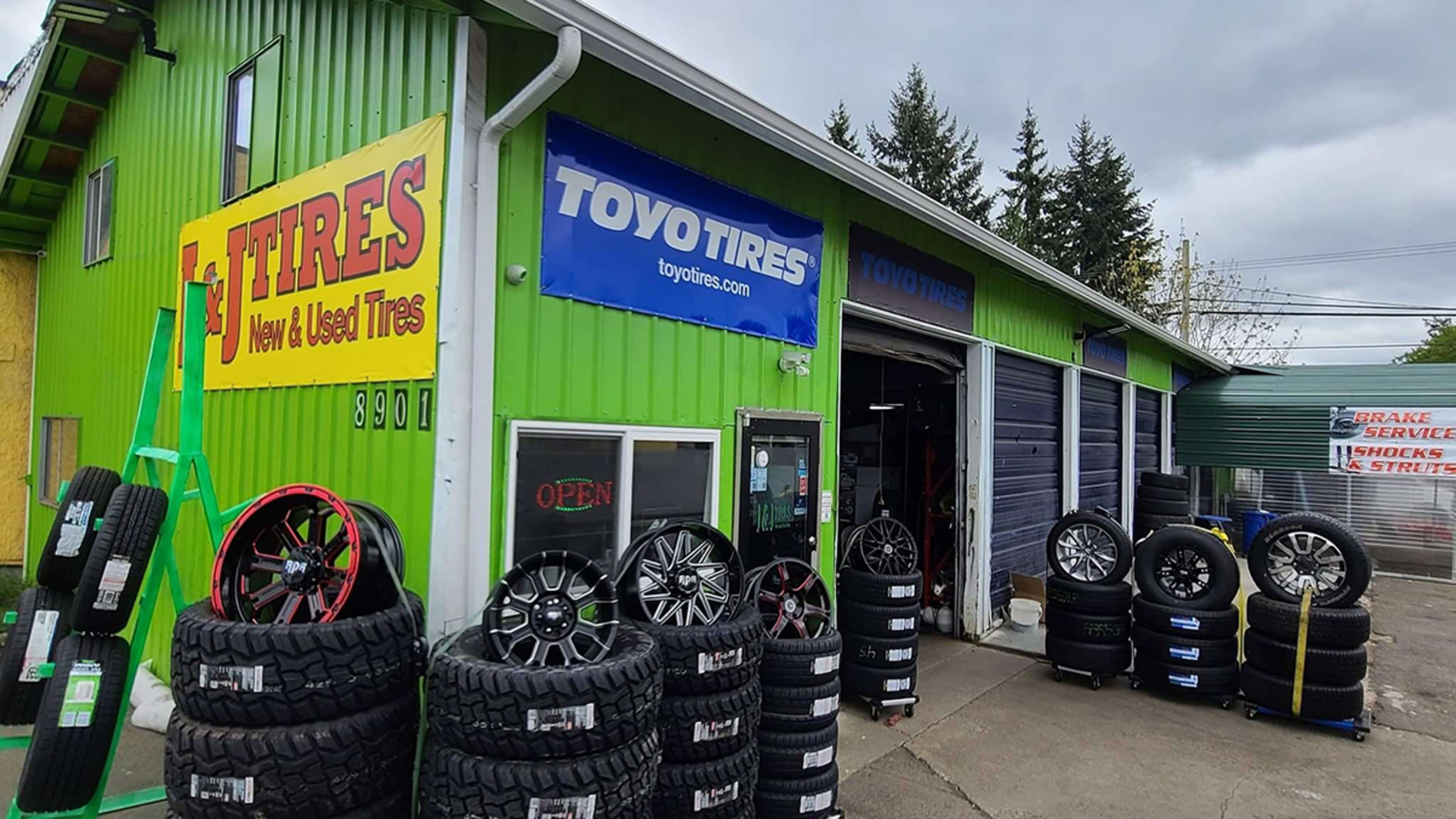
Where to Find Cheap Truck Tires in the United States
You can usually find affordable truck tires through five types of sellers:
Local independent tire shops
These shops may offer budget brands, used tires, rebates, and flexible installation prices. They can also inspect your truck and recommend a tire for local roads, towing, snow, or off-road use.National tire chains
Large chains often have online inventory, price matching, road-hazard plans, and regular promotions. Their prices and services vary by store, so check the final quote from your local branch.Warehouse clubs
Costco, Sam’s Club, and similar stores may have competitive prices. Membership, appointment availability, installation fees, and warranty terms can affect the real total.Large retailers with auto centers
Walmart and other major retailers may sell low-cost truck tires and install them at selected locations. Confirm that the store handles your tire size, wheel type, and truck class.Online tire retailers
Tire Rack and other online sellers can provide a broad selection. Many ship tires to a local installer, but you must add mounting, balancing, disposal, taxes, and possible service fees.


Use online search with your ZIP code and several variations:
- “cheap truck tires near me”
- “affordable LT tires near me”
- “used truck tires near me”
- “truck tire installation near me”
- “discount tires for pickup trucks”
- “cheap 4x4 tires near me”
Search results are only a starting point. Call the store before driving there. Online inventory may not include the exact quantity, load range, or tire type your truck needs.
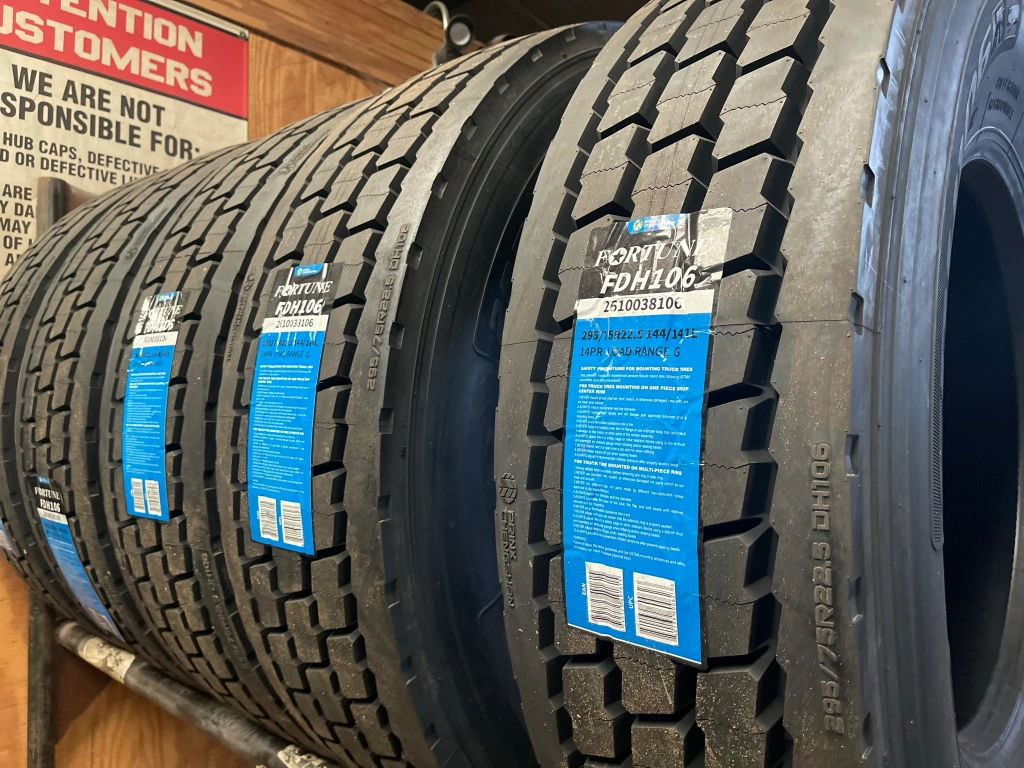
How to Compare the Real Cost of Truck Tires
The advertised tire price is not the final price. Ask each seller for a written or itemized quote.
| Cost item | What to check |
|---|---|
| Tire price | Is the price per tire or for a full set? |
| Mounting | Is the tire installed on the wheel? |
| Balancing | Is wheel balancing included? |
| Valve stems or sensors | Are new stems or tire-pressure sensor services extra? |
| Disposal fee | Is there a charge for old tires? |
| Taxes | Are sales taxes included in the quote? |
| Road-hazard coverage | Is it included, optional, or excluded? |
| Alignment | Is an alignment recommended or required? |
| Warranty | What defects, mileage, and services does it cover? |
A simple comparison looks like this:
Total cost = tire price × number of tires + installation + balancing + disposal + taxes + optional coverage
Hypothetical example
Suppose one shop quotes four tires at $125 each:
- Tires: $500
- Installation and balancing: $120
- Disposal and fees: $20
- Taxes: $45
- Total: $685
Another shop may list the tires at $140 each but include installation and balancing:
- Tires: $560
- Included services: $0
- Disposal and fees: $20
- Taxes: $50
- Total: $630
The second quote is cheaper even though its listed tire price is higher.


Ask these questions before paying:
- Is this price for one tire or four?
- Does it include mounting and balancing?
- Are tire-pressure monitoring system services included?
- Is the tire in stock today?
- What is the tire’s manufacture date?
- Does the warranty require tire rotation at set intervals?
- Can the store match a written local or online price?
- What happens if the tire is damaged later?
Call two or three sellers on the same day. Prices, rebates, and stock can change quickly.

Check Your Truck’s Tire Size Before You Shop
Read the tire information label on the driver’s doorjamb first. You can also check the owner’s manual and the tire sidewall. The door label usually lists the original tire size, recommended cold inflation pressure, and the proper load information for the truck.
A tire size may look like:
LT265/70R17 121/118S
Here is what the main parts mean:
- LT means Light Truck. It is designed for certain truck and commercial applications.
- 265 is the tire width in millimeters.
- 70 is the sidewall height as a percentage of width.
- R means radial construction.
- 17 is the wheel diameter in inches.
- 121/118 are load indexes for different tire positions and configurations.
- S is the speed rating.
Some pickups use P-metric tires, which begin with “P.” Others use LT tires. Do not switch between P-metric and LT tires based only on price. The correct choice depends on the truck maker’s specifications, axle weight, payload, towing needs, and driving conditions.
Before buying, match these details:
- Tire size
- Load index
- Load range, if specified
- Speed rating
- Tire type
- Wheel diameter
- Four-wheel-drive requirements
- Front and rear fitment, if different
If you are unsure, ask a qualified tire technician to confirm the fitment. A tire that physically fits the wheel may still be unsuitable for the truck’s weight or use.
Choose the Right Type of Cheap Truck Tire
The cheapest tire is not always the lowest-cost tire over time. Select the tire based on how you use the truck.
Highway tires
Highway tires are often a good fit for drivers who use a pickup mainly on paved roads. They usually focus on quiet road manners, fuel economy, wet grip, and even wear.
They may cost less to operate than aggressive tires if you rarely drive on mud, rocks, or deep snow.
All-terrain tires
All-terrain tires suit drivers who mix pavement with gravel, dirt roads, work sites, or light trails. They usually have more open tread than highway tires.
The trade-off can include more road noise, reduced fuel economy, and a higher purchase price.
Mud-terrain tires
Mud-terrain tires are made for deep mud and demanding off-road conditions. They are rarely the best cheap choice for a truck that spends nearly all its time on pavement.


They can be louder and may wear faster during highway driving.
Winter tires
All-season or all-terrain tires do not provide the same cold-weather performance as dedicated winter tires in severe winter conditions. If your area has frequent snow and ice, compare winter-rated options rather than choosing only by price.
Look for the three-peak mountain snowflake symbol when severe-snow performance is relevant. The symbol does not mean a tire is ideal for every winter road or ice condition.
Commercial and heavy-load tires
If you carry heavy cargo, tow often, or use the truck for work, confirm the tire’s load capacity. A cheap passenger tire may not be an acceptable substitute for the specified light-truck tire.
Are Used Truck Tires a Safe Way to Save Money?
Used tires can cost less, but they require a careful inspection. Buy them only from a seller who will identify the tire’s condition and stand behind the sale.
Check each used tire for:
- Uneven wear
- Cracks in the tread or sidewall
- Bulges, cuts, or punctures
- Exposed cords
- Repairs near the sidewall
- Damage from driving while flat
- Different sizes or load ratings
- Missing or unreadable markings
- Very old manufacture dates
The DOT tire identification number is molded into the sidewall. The final four digits generally identify the week and year of manufacture. For example, “2322” indicates the 23rd week of 2022.
Tire age alone does not tell you whether a tire is safe. Storage, heat, inflation, loading, repairs, and use also matter. The National Highway Traffic Safety Administration advises consumers to follow the tire maker’s guidance on age and replacement. Some tire makers recommend replacement within a specific age range, even when tread remains.
Avoid a used tire when:
- The seller cannot show its age or history.
- The sidewall has cracking or bulges.
- The tread is close to the wear indicators.
- The tire has questionable repairs.
- The load rating does not match your truck.
- The tire has been exposed to severe damage.
Do not mix random used tires on a four-wheel-drive truck without checking the vehicle manufacturer’s guidance. Differences in tire diameter can affect handling and drivetrain operation.
How to Get the Lowest Safe Price Near You
Use this buying process to reduce the price without sacrificing fit or service.
1. Record your tire information
Write down the full size, load range, and speed rating from the door label or owner’s manual. Note whether you need highway, all-terrain, winter, or commercial tires.
2. Set your budget by total installed cost
Decide whether your budget covers two tires or a complete set. If only two tires need replacement, ask whether the remaining tires are safe and compatible.
3. Get three comparable quotes
Ask each seller to quote the same tire size and category. A comparison is not useful if one shop quotes a highway tire and another quotes an aggressive all-terrain tire.


4. Search for rebates and price matches
Check the retailer’s current rebate terms and expiration date. Some offers require online registration or a specific payment method. Do not treat a rebate as an instant discount unless the seller confirms how it works.
5. Compare warranty conditions
A road-hazard plan may help with punctures, but it may exclude off-road damage, cosmetic damage, improper inflation, or tires with poor maintenance records. Read the terms before adding the cost.
6. Confirm stock and appointment time
Ask the shop to hold the exact tires, if possible. Confirm that it has the tools and equipment for your wheel size and tire type.
7. Inspect the installation
After installation, check that:
- The correct tires were installed.
- Tire pressures match the vehicle label.
- The tire-pressure warning light is off after the system is serviced.
- The steering wheel is centered.
- There is no vibration or rubbing.
- The receipt lists the tire model and warranty.
If the truck pulls, vibrates, or makes a new noise, return to the installer promptly. Do not assume the tires will “wear into” a serious vibration.

When a Cheap Tire Deal Is Not a Good Deal
A low quote deserves extra caution when it leaves out services or changes the tire specification.
Watch for these warning signs:
- The seller will not provide the complete tire size.
- The tire has a lower load index than the door label specifies.
- The tires are different sizes on the same axle.
- The quote excludes balancing.
- The seller will not discuss tire age.
- The warranty is unclear.
- The tire is marketed as “new” but has signs of damage or storage wear.
- The shop recommends an alignment without showing uneven wear or steering symptoms.
- The final price changes substantially at checkout.
An alignment may be useful when the truck pulls, the steering wheel sits off-center, or the tread shows uneven wear. It is not automatically required with every tire purchase. Ask the shop to explain the finding and show you the measurement or wear pattern.
Tire pressure also affects cost and safety. Underinflation can increase heat and wear, while overinflation can reduce the contact patch and make the ride harsher. Use the pressure on the vehicle label, not the maximum pressure printed on the tire sidewall, unless a qualified professional or vehicle manufacturer gives different instructions.
Best Places to Check First
The right seller depends on your priorities.
| Your priority | Start with |
|---|---|
| Lowest installed price | Local independent shops and price-matching chains |
| Easy online comparison | Online tire retailers with local installation |
| Membership discounts | Costco, Sam’s Club, or another warehouse club |
| Same-day availability | Local tire chains and large auto centers |
| Expert fitment help | An independent truck or tire shop |
| Used tire savings | A reputable used-tire dealer with inspection and warranty |
| Frequent towing or heavy loads | A shop experienced with LT and commercial truck tires |
| Snow and ice performance | A local shop familiar with your climate and winter tire needs |
A local independent shop may beat a large retailer on installation cost. A warehouse club may offer a lower tire price but longer appointment wait times. An online seller may have more models but fewer options if the tire is defective or the fitment is wrong.
The best choice is the seller that provides the correct tire, a clear total price, and reliable service after installation.
Questions to Ask Before Buying Truck Tires
Ask these questions by phone or in person:
- Do you have four tires in my exact size and load rating?
- What is the complete installed price, including taxes and disposal?
- What is the tire’s manufacture date?
- Is balancing included?
- Will you service my truck’s tire-pressure monitoring system?
- Do you offer a price match or current rebate?
- What does the workmanship and road-hazard warranty cover?
- Will you check alignment or suspension wear?
- Can you install the tires today?
- What is the return policy if the tires are noisy or vibrate?


These questions help reveal the difference between a low advertised price and a genuinely affordable purchase.
FAQ: Buying Cheap Truck Tires Near You
What is the cheapest place to buy truck tires?
There is no single cheapest seller for every truck or location. Compare local tire shops, warehouse clubs, national chains, and online sellers after adding installation, balancing, taxes, disposal, and warranty costs.
Is it cheaper to buy truck tires online?
Online prices can be lower, but installation and service fees may reduce the difference. Ask the online seller for the full delivered price and ask the installer for a complete mounting quote before ordering.
Should I buy two truck tires or four?
Replace four tires when all four are worn or when the truck requires closely matched tire diameters. If replacing only two, follow the vehicle and tire-maker guidance. On many vehicles, new tires are commonly placed on the rear axle, but the installer should confirm the correct arrangement for your truck.
How old is too old for a truck tire?
There is no single federal expiration date for all tires. Check the tire’s age, condition, storage history, manufacturer guidance, and tread. Replace any tire with cracking, bulges, exposed cords, or other damage, regardless of remaining tread.
Can I put passenger tires on a pickup truck?
Only if the vehicle maker allows that tire type and its load capacity meets the truck’s requirements. Do not make the change solely because passenger tires cost less.
Are used truck tires worth buying?
They can be worthwhile when they are inspected, correctly sized, structurally sound, and sold with clear terms. Avoid used tires with unknown age, sidewall damage, poor repairs, uneven wear, or the wrong load rating.
Final Recommendation
To find cheap truck tires near you, begin with the tire size and load information on your truck. Get at least three local quotes for the same tire, then compare the complete installed price. Check national chains, warehouse clubs, online retailers, and reputable independent shops.
Choose the lowest price only when the tire matches the truck, the condition is clear, and the seller provides safe installation and understandable warranty terms. Your next step is to call two nearby sellers with your exact tire size and ask for an itemized out-the-door quote.
