

Most car seats are good for six to ten years from the date of manufacture. The exact life varies by brand and model. Always check the seat’s label, owner’s manual, or the manufacturer’s website.
In the United States, there is no single federal expiration period for every car seat. Each manufacturer sets a useful life for its seats. A seat may expire after six years, while another may last seven, eight, or ten years.
Do not guess. Find the date of manufacture and the stated expiration date before using the seat.
Introduction
A car seat does not stay safe forever. Plastic can age. Straps can wear. Labels can fade. Safety rules and vehicle designs can also change.


For a family in the United States, the safest rule is simple: stop using the seat on its expiration date, after a crash that meets the replacement rules, or sooner if it is damaged, recalled, or missing parts.

How long do different types of car seats last?
Most infant seats, convertible seats, all-in-one seats, forward-facing seats, and booster seats last six to ten years from manufacture. The useful life is model-specific, not based on the type of seat alone.
| Car seat type | Common useful life | What to check |
|---|---|---|
| Infant car seat | About 6–10 years | Base and carrier dates may differ |
| Convertible car seat | About 6–10 years | Check every mode and included parts |
| All-in-one car seat | About 6–10 years | One expiration date may cover the full seat |
| Forward-facing harness seat | About 6–10 years | Check harness, padding, and top tether parts |
| Booster seat | About 6–10 years | Check the seat shell and belt guides |
| Used car seat | Depends on the model | Confirm age, history, recalls, and parts |
These ranges are general. They are not a substitute for the manual.
A car seat may have a different life than its detachable base. Some infant seat bases show their own date. If a carrier and base have separate labels, check both.
Does the expiration date start when you buy the seat?
Usually, no. Many manufacturers count the useful life from the date of manufacture, not the date of purchase.
For example, imagine a seat made in March 2021 with a six-year life. Its useful life may end in March 2027, even if you bought it in 2023.
That is why a new-looking seat can have little useful life left. This matters when buying a floor model, clearance item, or used seat.
Where can you find a car seat’s expiration date?
Look for a sticker, stamped label, or molded marking on the seat. The information may appear:
- On the back or bottom of the shell
- Under the cover
- Near the harness
- On the side of the seat
- On the infant carrier or base
- In the owner’s manual
You may see a date of manufacture but no printed expiration date. If so, contact the manufacturer with the model name, model number, and date of manufacture.
The model number is often near the serial number. Take a clear photo of the labels before they fade.


Do not rely only on a store receipt. A receipt may show when you bought the seat, but it may not show when the manufacturer made it.

Why do car seats expire?
Car seat expiration is based on the expected useful life of the seat and its parts. The date is not a promise that the seat suddenly fails the next day. It is a safety limit set by the manufacturer.
Plastic can age
A car seat shell must manage crash forces in a controlled way. Heat, cold, sunlight, and repeated use can affect plastic over time.
A seat left in a hot vehicle may face more heat than one kept indoors. Still, you cannot judge the strength of the shell by looking at it. Plastic may look fine and still be too old for the manufacturer’s stated service life.
Straps and padding can wear
Harness straps, buckles, chest clips, belt guides, and padding can wear with use. Food, drinks, dirt, sunscreen, and cleaning products can also affect parts.
Never use harsh cleaners on harness straps unless the manufacturer allows them. Do not replace harness parts with generic webbing or parts from another model.
Instructions and parts can change
Manufacturers may update instructions, replacement parts, or recall information. An older seat may also be harder to fit in a newer vehicle.
Expiration helps limit the time a seat remains in service. It also helps families avoid relying on parts or instructions that are no longer supported.
Is it safe or legal to use an expired car seat?
The American Academy of Pediatrics advises families not to use expired car seats. NHTSA also tells parents and caregivers to follow the manufacturer’s instructions and replace seats when they expire.
Federal safety rules do not set one expiration period for every car seat. The manufacturer’s stated useful life is the key limit for that model.
State child passenger laws focus on who must use a child restraint and how children must ride. They may not state a separate expiration rule. Even so, using an expired seat goes against the manufacturer’s instructions and removes the manufacturer’s support for that seat.
Do not treat “not clearly illegal” as “safe.” If the date has passed, replace the seat.
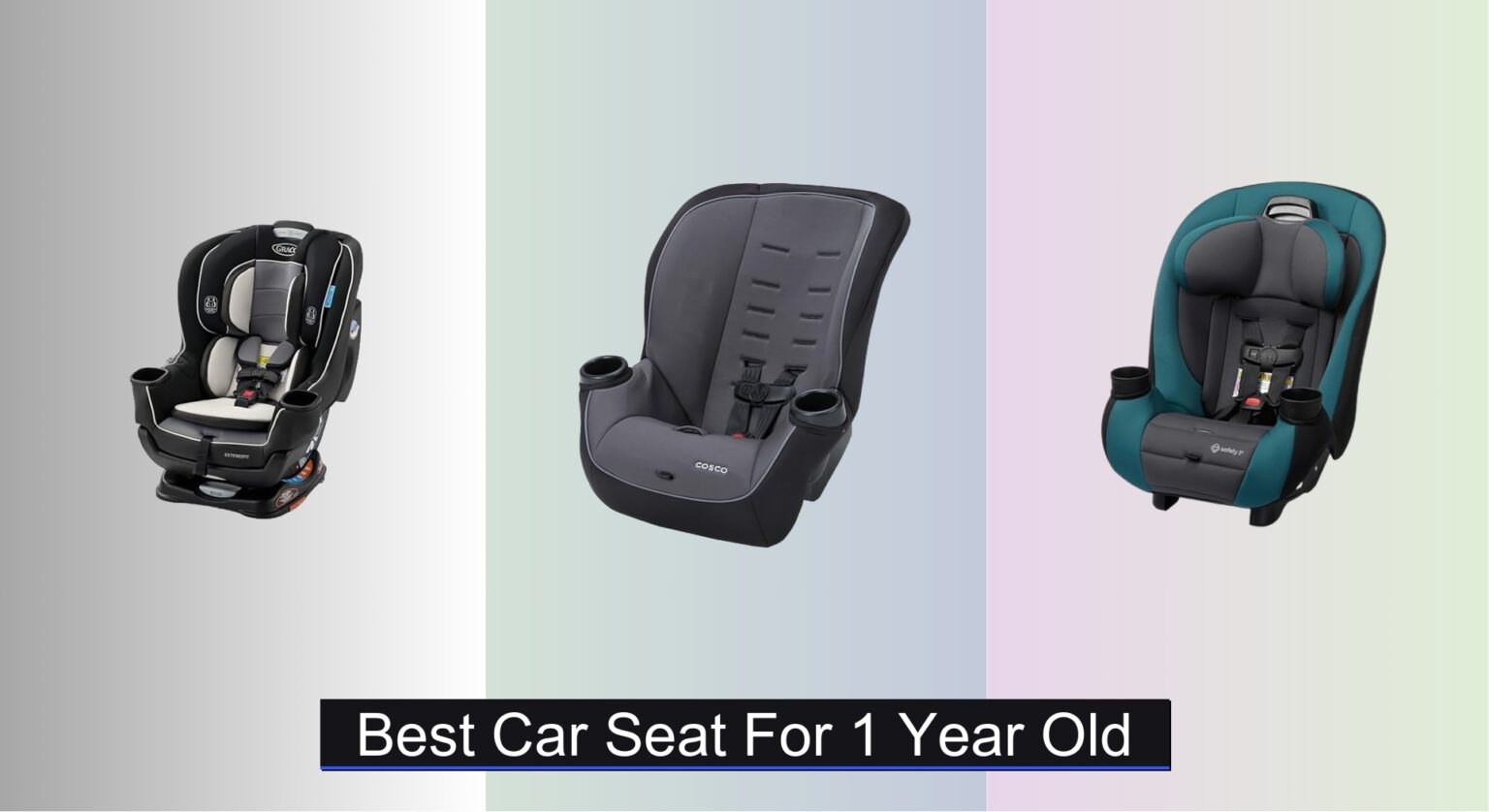
How to check whether your car seat is still good
Use this check before each new child uses the seat, and any time you buy a used seat.
1. Find the model and date
Locate the model number, serial number, date of manufacture, and expiration date. Read the manual for the exact model.
If you cannot identify the seat or its date, do not use it for a child until the manufacturer confirms the information.


2. Check for recalls
Search the seat on the manufacturer’s recall page and the NHTSA recall database.
A recall can affect a seat that is still within its useful life. Follow the recall remedy. It may involve a repair kit, replacement part, updated instructions, or a new seat.
3. Inspect the seat shell
Look for:
- Cracks
- Splits
- Deep scratches
- Broken foam
- Missing pieces
- Warping
- Loose parts
- Damage near the belt path or anchor points
Do not use a seat with structural damage. Contact the manufacturer before trying to repair it.
4. Inspect the harness and buckle
Check that:
- The harness is not frayed or cut
- The buckle clicks and releases correctly
- The chest clip stays closed
- The harness adjuster moves as directed
- The padding and cover fit the seat
- The labels and instructions remain readable
A buckle that sticks or a harness that will not tighten is a reason to stop use until the manufacturer provides a safe solution.
5. Confirm that all parts are present
A missing infant insert, base, tether strap, harness pad, or belt guide can change how the seat works.
Never substitute household items. Do not add aftermarket products that sit under or behind the child unless the manufacturer approves them.
6. Check the crash history
Ask whether the seat has been in a crash. A seat involved in a moderate or severe crash should be replaced.
NHTSA lists conditions that may allow continued use after a minor crash, but the manufacturer may be stricter. NHTSA’s minor-crash conditions include all of these:
- The vehicle could be driven away from the crash
- The vehicle door nearest the car seat was not damaged
- No one in the vehicle was injured
- The airbags did not deploy
- The car seat has no visible damage
If even one condition is not met, replace the seat. If you are unsure, contact the manufacturer or replace it.

What should you do with an expired car seat?
Do not donate or sell an expired car seat. Another family may not know that the seat is too old.
Many communities accept seats through local recycling events or special collection programs. Call first because programs vary by location.


If no recycling option exists, make the seat unusable before disposal:
- Cut the harness straps.
- Remove the cover.
- Mark the shell with a note such as “Expired—Do Not Use.”
- Follow local trash rules.
Do not destroy a seat that is needed for a recall return until the manufacturer tells you what to do.
Can you use a used car seat?
A used car seat may be acceptable only when you can verify its full history. You should know:
- The exact model
- The date of manufacture
- The expiration date
- Whether it has been recalled
- Whether it has been in a crash
- Whether all parts and labels are present
- Whether the owner’s manual is available
- Whether the seat was stored in a clean, dry place
Avoid a used seat when the seller cannot answer these questions. A low price is not worth an unknown crash history.
Be especially careful with seats from online marketplaces, yard sales, and informal hand-me-downs. A seat can look clean and still be expired or damaged.
What changes the car seat’s useful life?
The expiration date is only one part of the decision. Replace a car seat before that date if any of these conditions apply.
The seat was in a serious crash
Crash forces may damage the shell or parts without leaving obvious marks. Replace the seat after a moderate or severe crash.
The seat has visible damage
Cracks, broken pieces, bent hardware, or damaged anchor points mean the seat should not be used.
The seat was recalled
Follow the manufacturer’s recall instructions. Do not assume that a recall affects every model from that brand.
The seat was stored poorly
Long exposure to extreme heat, freezing temperatures, moisture, or direct sunlight may affect the seat. Storage conditions do not create a new official expiration date, but poor storage is a reason to ask the manufacturer for guidance.
The seat no longer fits the child
A seat can be within its date and still be wrong for the child. Check the height, weight, harness position, head position, and fit rules in the manual.
Also check the child’s stage. The American Academy of Pediatrics recommends keeping children rear-facing as long as possible, until they reach the highest weight or height allowed by the seat. Children should then use a forward-facing harness and later a booster until the vehicle belt fits properly.
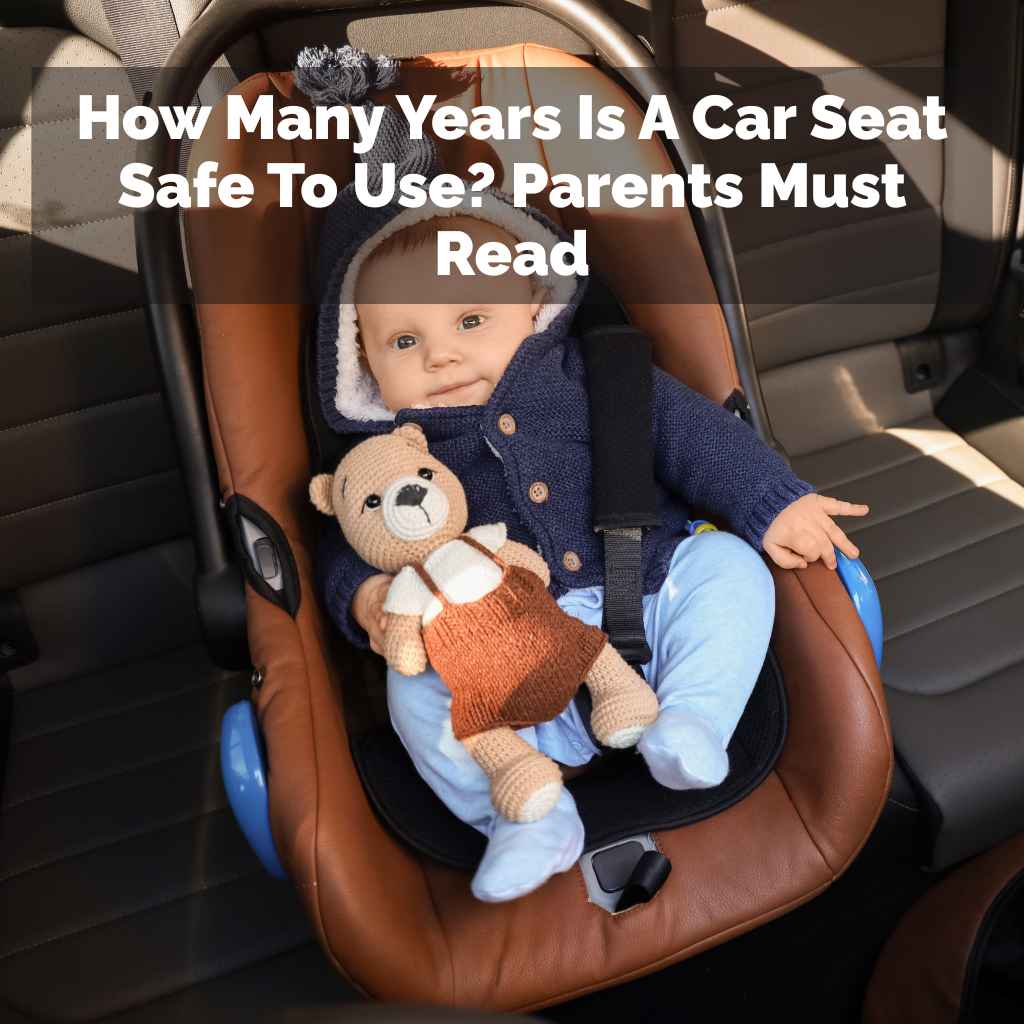
What is the best way to replace an old car seat?
Replace the seat with one that fits three things:


- The child: Check height, weight, age, and developmental needs.
- The vehicle: Confirm that the seat fits the vehicle seating position.
- The budget: A basic seat that fits and is used correctly is better than an expensive seat used incorrectly.
Read the vehicle owner’s manual and the car seat manual together. They explain where to install the seat and how to use lower anchors, the seat belt, and the top tether.
A certified child passenger safety technician can help check the installation. Use the National Highway Traffic Safety Administration inspection station search to find help in the United States. Availability may depend on your area.
After installation, check for a tight fit. The seat should not move more than one inch from side to side or front to back when tested at the belt path, unless the manual gives different instructions.

Common mistakes to avoid
These errors can reduce the protection a car seat provides:
- Counting the useful life from the purchase date
- Ignoring a separate expiration date for the infant base
- Using a seat with an unknown crash history
- Buying a seat without checking the recall record
- Washing harness straps with harsh chemicals
- Adding thick coats under the harness
- Using unapproved inserts, pads, or covers
- Installing the seat without checking the vehicle manual
- Using both lower anchors and a seat belt when the manuals do not allow it
- Forgetting to use the top tether for a forward-facing seat when required
- Moving a child to the next seat stage too soon
- Donating an expired seat without marking it as unusable
The safest installation is not always the one that feels most complicated. Follow the exact instructions for the seat and vehicle.
Frequently asked questions
Do car seat bases expire?
Yes. A base can have its own expiration date. Check the base label and manual. Do not assume that a newer carrier makes an old base safe.
Do booster seats expire?
Yes. Booster seats also have manufacturer-set useful lives. Check the date, shell, belt guides, and manual before use.
Can I use a car seat after the expiration date in an emergency?
It is best not to. An expired seat may be the only option in a true emergency, but replace it as soon as possible and do not make expired use part of a normal travel plan.
Does a car seat expire if it has never been used?
Usually, the useful life still runs from the manufacture date. Unused plastic and parts can age in storage. Check the manufacturer’s stated limit.
Can I give an expired seat to a recycling center?
Call the recycling program first. Some programs accept expired seats, while others accept only certain materials or run limited events. If disposal is the only option, cut the straps and mark the seat as expired.
How often should I check a car seat?
Check it before each trip for a secure installation and proper harness fit. Check the expiration date, recall status, and condition whenever the seat is handed down or moved to another vehicle.
Conclusion
Most car seats in the United States last six to ten years from the date of manufacture, but the exact period depends on the brand and model. Find the expiration date on the seat or in the manual. If you cannot confirm the date, crash history, recall status, or complete parts, do not use the seat.
Your next step is to photograph the seat’s labels, confirm the expiration date with the manufacturer, and replace the seat if it is expired, damaged, recalled, or involved in a serious crash.


