

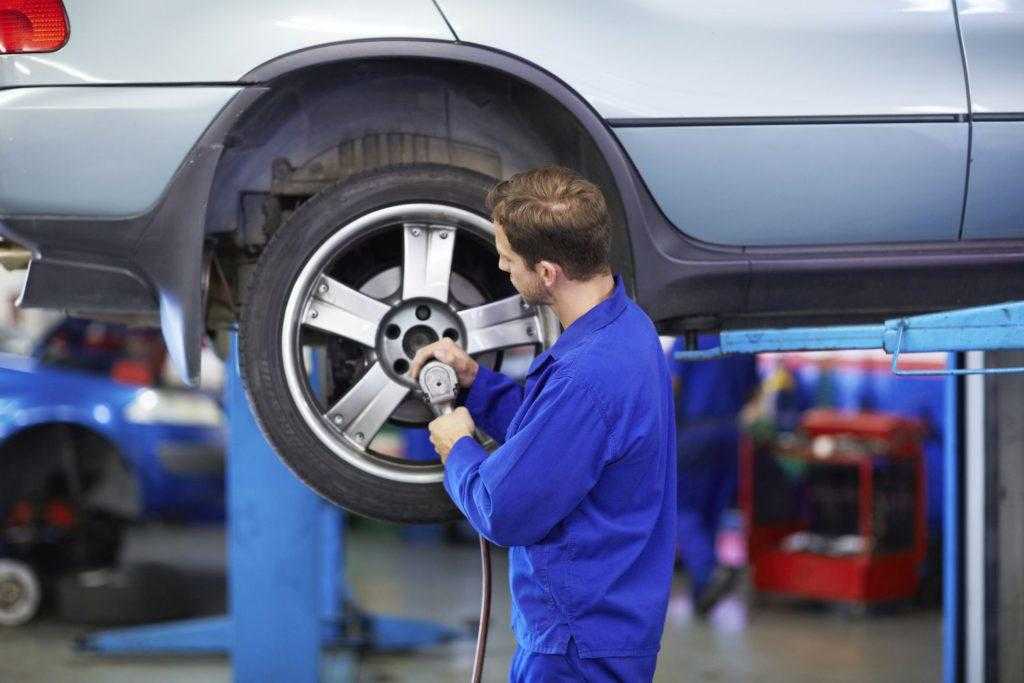
You can get a new tire installed at a tire shop, auto repair shop, car dealership, warehouse club, tire retailer, or mobile tire service in the United States. Most shops can mount the tire, balance the wheel, replace the valve stem, and check tire pressure.
The fastest way to find a nearby option is to search for “tire installation near me” or call a local shop before you go. Ask whether the shop installs customer-supplied tires, supports your tire size, and includes mounting and balancing in the quoted price.
Where Can You Get a New Tire Installed?
The best place depends on your tire, vehicle, location, and budget. These are the main choices in the U.S.
Local tire shops
A local tire shop is often the simplest choice. These businesses focus on tires and usually offer:


- Tire mounting
- Wheel balancing
- Tire rotation
- Flat-tire repair
- Valve stem replacement
- TPMS service
- Wheel alignment checks
- Tire disposal
A tire shop may also help you choose the right tire. Bring your vehicle year, make, model, and trim. The shop can confirm the correct size and load rating.
Auto repair shops
Many independent repair shops install tires. This can be useful if your vehicle also needs brake, suspension, or alignment work.
Ask whether the shop has the equipment for your tire type. Large wheels, run-flat tires, low-profile tires, and some electric vehicle tires may need special tools or training.
Car dealerships
A dealership can install tires on the vehicle brand it sells. Dealership service departments may be useful when:
- Your vehicle has special TPMS sensors.
- The vehicle needs a software reset.
- You want brand-specific service records.
- You are also getting warranty or recall work.
A dealership may cost more than an independent tire shop. Compare the full price before booking.
Warehouse clubs and large retailers
Some warehouse clubs and national retailers install tires bought through their stores. Rules vary by location.
Some stores do not install tires bought elsewhere. Others charge a separate fee for customer-supplied tires. Check the store’s policy before ordering a tire online.
Mobile tire services
A mobile tire service sends a technician to your home, office, or another safe location. This can save time and may help if the vehicle cannot be driven.
Mobile service may not support every tire or wheel. Confirm that the technician can handle your tire size, run-flat design, TPMS system, and vehicle type.


Do not use a mobile service on the shoulder of a busy highway unless the provider confirms that the location is safe. If your vehicle is in a dangerous spot, call roadside assistance or 911 when appropriate.
What Does “Putting on a New Tire” Include?
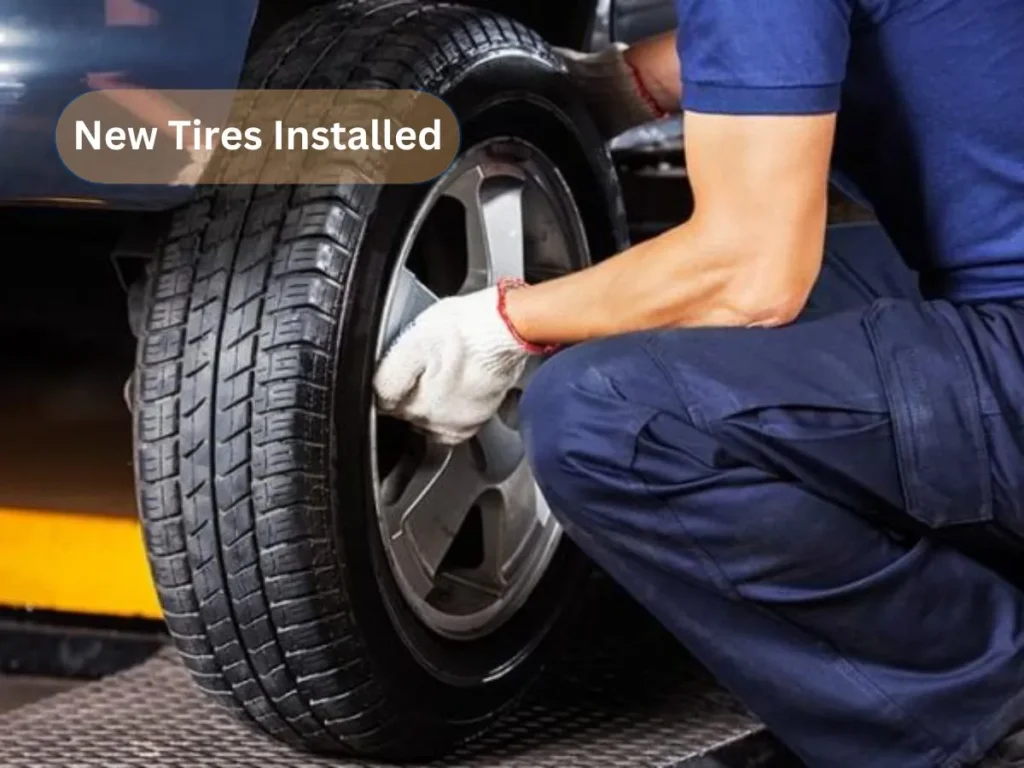
A complete tire installation usually involves more than removing the old tire. Ask for the exact service list because shops use different terms.
A standard installation may include:
- Removing the wheel from the vehicle.
- Removing the old tire from the wheel.
- Inspecting the wheel.
- Mounting the new tire.
- Replacing the valve stem when needed.
- Inflating the tire to the vehicle maker’s recommended pressure.
- Balancing the wheel and tire.
- Reinstalling the wheel.
- Tightening the lug nuts to the correct torque.
- checking for air leaks.
- Resetting or checking the tire-pressure monitoring system.
Mounting
Mounting means fitting the tire onto the wheel. The wheel is also called the rim in everyday speech.
The technician uses a tire machine to separate the old tire from the wheel. The new tire is then fitted onto the wheel. A damaged or bent wheel may not seal correctly.
Balancing
Balancing helps the tire and wheel spin smoothly. The technician places the assembly on a balancing machine and adds small weights when needed.
An unbalanced wheel can cause:
- Steering-wheel vibration
- Uneven tread wear
- Vibration at certain speeds
- Extra stress on suspension parts
Balancing is not the same as an alignment.
Alignment
An alignment adjusts wheel angles. It may be needed if the vehicle pulls to one side, the steering wheel sits crooked, or the tire has uneven wear.
A tire installation does not always require an alignment. However, a new tire can reveal an existing alignment problem. Ask for an alignment check if the old tire wore faster on one edge or the vehicle recently hit a pothole.
TPMS service
TPMS means tire-pressure monitoring system. Most passenger vehicles sold in the U.S. have this system.
A new tire does not always require a new TPMS sensor. The sensor may be reused if it works and its seal is in good condition. The technician may need to reset or relearn the system after installation.
Do not ignore a TPMS warning light. Check the tire pressure with a gauge and have the system inspected if the light stays on or flashes.
Tire disposal
Ask whether the quote includes disposal of the old tire. Used tires may have a separate disposal or recycling fee.


Do not leave old tires in a vacant lot or place them in a normal trash bin unless local rules allow it. Many tire shops, recycling centers, and local waste programs accept used tires under specific conditions.

How to Find a Place Near You
Use a short search and then verify the details by phone. Online listings can be out of date, and service prices vary by store.
Try searches such as:
- “New tire installation near me”
- “Tire mounting and balancing near me”
- “Tire shop open now”
- “Mobile tire installation near me”
- “Install customer-supplied tires near me”
- “Run-flat tire installation near me”
- “Tire shop for 20-inch wheels near me”
Then check the shop’s website for:
- Business hours
- Tire installation services
- Appointment rules
- Customer-supplied tire policies
- Vehicle and tire limits
- Roadside or mobile service
- Warranty terms
- Contact information
Call before you drive there
Ask these questions:
- Do you install a tire I bought somewhere else?
- What is the total installation price per tire?
- Does the price include mounting and balancing?
- Is a new valve stem included?
- Is TPMS service included?
- Is tire disposal extra?
- Can you install my tire size and type?
- Do you have the tire in stock?
- Do I need an appointment?
- How long should the service take?
Ask for an out-the-door price. This should include labor and known fees. Some shops quote only the tire price or only the mounting charge.
Bring the right information
Have these details ready:
- Vehicle year, make, and model
- Tire size
- Number of tires
- Tire brand and model, if already selected
- Whether the vehicle uses run-flat tires
- Whether the vehicle has all-wheel drive
- Your ZIP code, if asking for a local quote
You can find the correct tire size on the tire sidewall, the driver’s door-jamb label, or the vehicle owner’s manual. The door-jamb label usually lists the original tire size and recommended cold tire pressure.

What Should You Check Before Buying a New Tire?
Check the tire size, load rating, speed rating, age, and condition. A tire that fits the wheel may still be wrong for the vehicle.
Match the tire size
A tire size may look like this:
225/65R17 102H
The parts generally describe:
- 225: Tire width in millimeters
- 65: Sidewall height as a percentage of tire width
- R: Radial construction
- 17: Wheel diameter in inches
- 102: Load index
- H: Speed rating


Do not choose only by width or wheel diameter. The full tire specification matters.
Check load and speed ratings
The replacement tire should meet the vehicle maker’s requirements. A lower load rating can reduce the tire’s ability to carry the vehicle and its passengers.
The speed rating is not a target driving speed. It is part of the tire’s performance classification under specified test conditions. Follow posted speed limits and drive for weather and road conditions.
Consider tread matching
Replacing one tire can create a tread-depth difference. This may matter on vehicles with all-wheel drive, four-wheel drive, or sensitive drivetrains.
Some vehicle makers recommend replacing more than one tire at a time. Follow the owner’s manual and ask the tire shop for guidance. The correct answer depends on the vehicle, tire design, and remaining tread on the other tires.
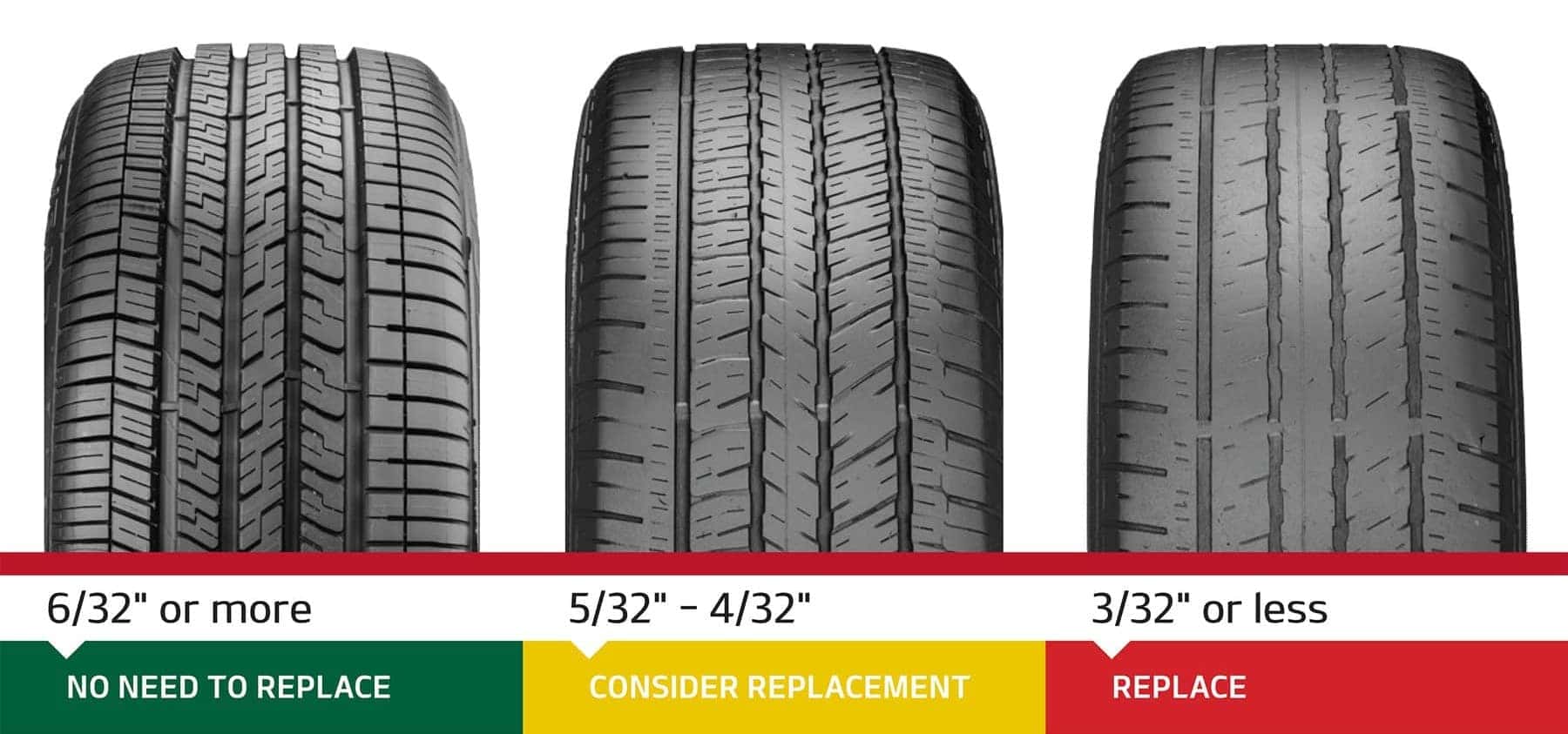
Inspect the tire’s age
Tires age even when they have not been driven much. Look for the DOT tire identification number on the sidewall. The last four digits show the week and year of manufacture.
For example, 2424 means the tire was made in the 24th week of 2024.
Age alone does not tell you the full condition of a tire. Heat, sunlight, storage, underinflation, and damage also matter. The U.S. Tire Manufacturers Association recommends regular tire inspections and following the vehicle and tire maker’s guidance.
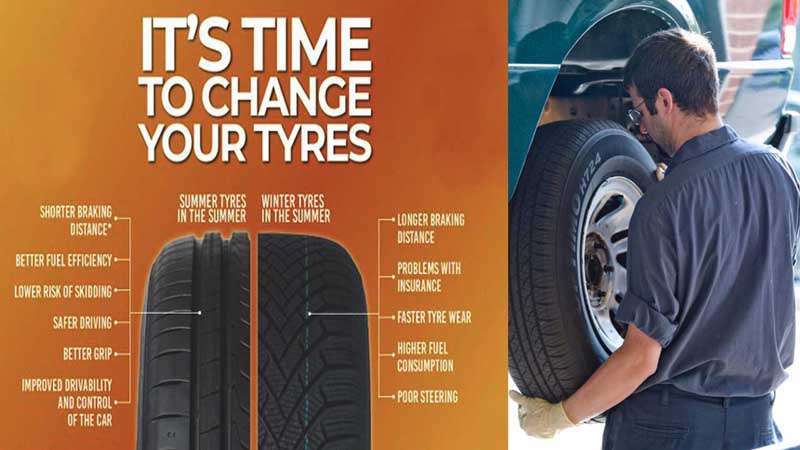
Choose the correct tire type
Your choice may depend on:
- Snow and ice in your area
- Heavy rain
- Hot temperatures
- Highway driving
- Gravel roads
- Towing
- Fuel use
- Ride comfort
- Road noise
- Vehicle warranty requirements
An all-season tire is not the same as a winter tire. An all-terrain tire may offer more off-road grip but can produce more noise and reduce fuel economy.
How Much Does Tire Installation Cost?
The total price depends on the tire, vehicle, wheel size, location, and services included. A quote may include separate charges for mounting, balancing, valve stems, TPMS service, disposal, taxes, and shop fees.
Instead of relying on one advertised price, compare the complete installed cost.
| Cost item | What it covers |
|---|---|
| Tire | The replacement tire itself |
| Mounting | Fitting the tire onto the wheel |
| Balancing | Correcting wheel-and-tire imbalance |
| Valve stem | Replacing the air valve |
| TPMS service | Sensor inspection, replacement, or reset |
| Disposal | Handling the old tire |
| Alignment | Adjusting wheel angles, if needed |
| Taxes and fees | Local charges and shop fees |
A low tire price may not be the lowest final price. One shop may include balancing while another lists it separately.
A tire with a larger diameter, low-profile sidewall, or run-flat design may cost more to install. These tires can require different equipment and more time.


If you buy tires online, calculate the full cost before ordering:
Total cost = tire price + shipping + installation + taxes + fees
Confirm that a local installer will accept the tire. Some shops will not install tires that are used, damaged, incorrectly sized, or purchased from an outside seller.
Can You Drive to the Shop With a Bad Tire?
Do not drive on a flat or severely damaged tire unless a qualified professional says it is safe. Driving on a flat tire can damage the tire, wheel, and vehicle. It can also cause a loss of control.
Use the spare tire if your vehicle has one and the owner’s manual permits it. Many temporary spare tires have distance and speed limits.
Call roadside assistance, a mobile tire service, or a tow company when:
- The tire has a large cut or puncture.
- The sidewall is damaged.
- The tire is flat and cannot hold air.
- The vehicle is stopped in traffic.
- The wheel is bent.
- You smell burning rubber.
- The vehicle pulls sharply after the tire problem.
- You are not sure whether the tire is safe.
A tire plug or patch may be possible for some tread punctures. A sidewall puncture usually cannot be repaired safely. The final decision should come from a trained tire professional after an inspection.
The National Highway Traffic Safety Administration advises drivers to check tire condition and pressure regularly. Follow the pressure listed on the vehicle information label, not the maximum pressure printed on the tire sidewall.

How to Make Sure the New Tire Was Installed Correctly
Before leaving, inspect the vehicle and ask the technician what was done.
Check that:
- The tire size matches the vehicle.
- The tire is mounted in the correct direction.
- Directional tires point the right way.
- The valve cap is present.
- The TPMS warning light is off after the system check.
- The lug nuts were tightened correctly.
- The tire pressure matches the vehicle label.
- The receipt lists the tire and services.
- The old tire was handled according to your instructions.
Drive slowly at first. Pay attention to vibration, pulling, noise, or a change in steering feel. Stop and return to the shop if you notice a problem.
After installation, check the tire pressure when the tires are cold. Recheck it as part of normal vehicle care. Pressure changes with temperature, so a warning light may appear during a cold snap even when the tire has no puncture.
Keep the receipt, tire warranty information, and tire identification details. You may need them for a warranty claim or future replacement.
Common Mistakes to Avoid
The most common mistake is choosing a tire by price alone. A cheap tire may have different handling, noise, tread life, or weather performance from the tire your vehicle needs.


Avoid these errors:
- Buying the wrong tire size
- Ignoring the load rating
- Replacing only one tire on an all-wheel-drive vehicle without checking the manual
- Skipping balancing
- Assuming an alignment is always included
- Ignoring a TPMS warning
- Driving on a damaged sidewall
- Forgetting tire disposal fees
- Ordering a tire before confirming installation
- Using the maximum sidewall pressure instead of the vehicle’s recommended pressure
Do not let a shop sell an alignment without explaining why it is needed. At the same time, do not reject an alignment check when the vehicle has uneven wear, steering problems, or impact damage.
A clear inspection and written quote should explain the need for each service.
Frequently Asked Questions
Can I get one new tire installed?
Yes, but one tire may not be the best choice. The answer depends on the tread depth of the other tires and the vehicle’s drivetrain. Check the owner’s manual and ask the installer to measure the existing tires.
Will a tire shop install tires I bought online?
Some shops do, and some do not. Ask before ordering. Confirm the shop accepts outside tires and ask for the complete installation price.
Do I need an alignment when I get a new tire?
Not always. An alignment may be useful when the vehicle pulls, the steering wheel is off-center, or the old tire shows uneven wear. Mounting a new tire alone does not automatically mean the vehicle needs an alignment.
How long does it take to install a tire?
A basic installation may be completed during one appointment, but the time varies with the shop, vehicle, tire type, wheel size, and workload. Ask for an estimated time when booking.
Can a tire be replaced at home?
Yes, if a mobile tire service covers your area and can safely work on your vehicle. The technician still needs proper equipment for mounting, balancing, and TPMS work.
Should I replace the valve stem with the tire?
Often, yes. A standard rubber valve stem is inexpensive, and replacing it can help prevent leaks. TPMS-equipped wheels may use a sensor valve assembly instead. The technician should inspect it and explain whether replacement is needed.
Where can I get a tire put on today?
Call nearby tire shops, dealerships, repair shops, warehouse clubs, and mobile tire services. Ask about stock, appointments, customer-supplied tires, and same-day installation. If the vehicle is unsafe to drive, use roadside or mobile service instead of driving to the shop.
Final Recommendation
For most drivers, a local tire shop is the best first call because it usually offers tire selection, mounting, balancing, TPMS service, and disposal in one place. Compare the full installed price, not just the tire price.
Before you go, check the tire size and pressure on the driver’s door-jamb label. Then call the shop and confirm that it can install your tire, service your vehicle, and explain all extra fees. If the tire is flat, cut, or unsafe, arrange mobile service or a tow rather than driving on it.
