

If you need new tires today in the United States, start with a local tire shop, national tire chain, auto dealer, warehouse club, or mobile tire service. Call before driving over. Same-day installation depends on your tire size, vehicle, local stock, shop hours, and open appointment times.
The fastest path is simple: find your tire size, search nearby shops, confirm the exact tire is in stock, and ask for the earliest installation time. If the tire has a flat, exposed cords, a bulge, or sidewall damage, avoid driving on it. Use a spare or request roadside help instead.

Where to Get New Tires Today
The best place depends on how quickly you need the tire, whether you need one tire or a full set, and whether your vehicle has special fitment needs.
Local independent tire shops
Independent tire shops often provide the quickest service because they may have flexible schedules and access to several tire brands. Many can mount, balance, rotate, and repair tires in the same visit.


Ask these questions before you go:
- Do you have my exact tire size in stock?
- Is the tire the correct load rating and speed rating?
- Can you install it today?
- What is the total price, including mounting, balancing, valve stems, disposal, taxes, and fees?
- Can you check the other tires and wheel alignment?
A local shop may offer more personal service. However, its online inventory may not always be current, so a phone call is still useful.
National tire chains
National chains are a common option for same-day tire installation. Their websites often let you enter your vehicle, select a tire, check store availability, and book an appointment.
Many stores offer:
- Tire installation
- Wheel balancing
- Tire rotation
- Flat repair
- Road hazard coverage
- Alignment checks
- TPMS service
Availability varies by store. A nearby location may have the right tire, while another store in the same city may not.
Auto dealerships
A dealership is often the safest choice for a vehicle with unusual tire needs. This includes luxury vehicles, performance cars, electric vehicles, all-wheel-drive systems, and vehicles that require special tire specifications.
Dealers may cost more than independent shops. They can still be useful when:
- Your vehicle is under warranty.
- The tire has a manufacturer-specific marking.
- You need a matching tire for an all-wheel-drive system.
- The vehicle uses a run-flat tire.
- The wheel or TPMS sensor needs special service.
Warehouse clubs and large retailers
Warehouse clubs and large retailers may have competitive prices and online ordering. Some offer same-day installation when the tire is available at a local store.
Check membership rules before you go. Some warehouse clubs limit tire purchases or installation services to members. Installation appointments may also fill quickly, especially before holidays, winter storms, or long travel weekends.
Mobile tire services
A mobile tire service can bring and install tires at your home, workplace, or roadside location. This is useful if:


- The vehicle cannot be driven safely.
- You have no usable spare.
- You are stuck at work or home.
- A child, older adult, or disabled passenger makes travel difficult.
Mobile service may have higher labor or travel fees. Confirm that the technician can install your tire size and service your vehicle type before booking.
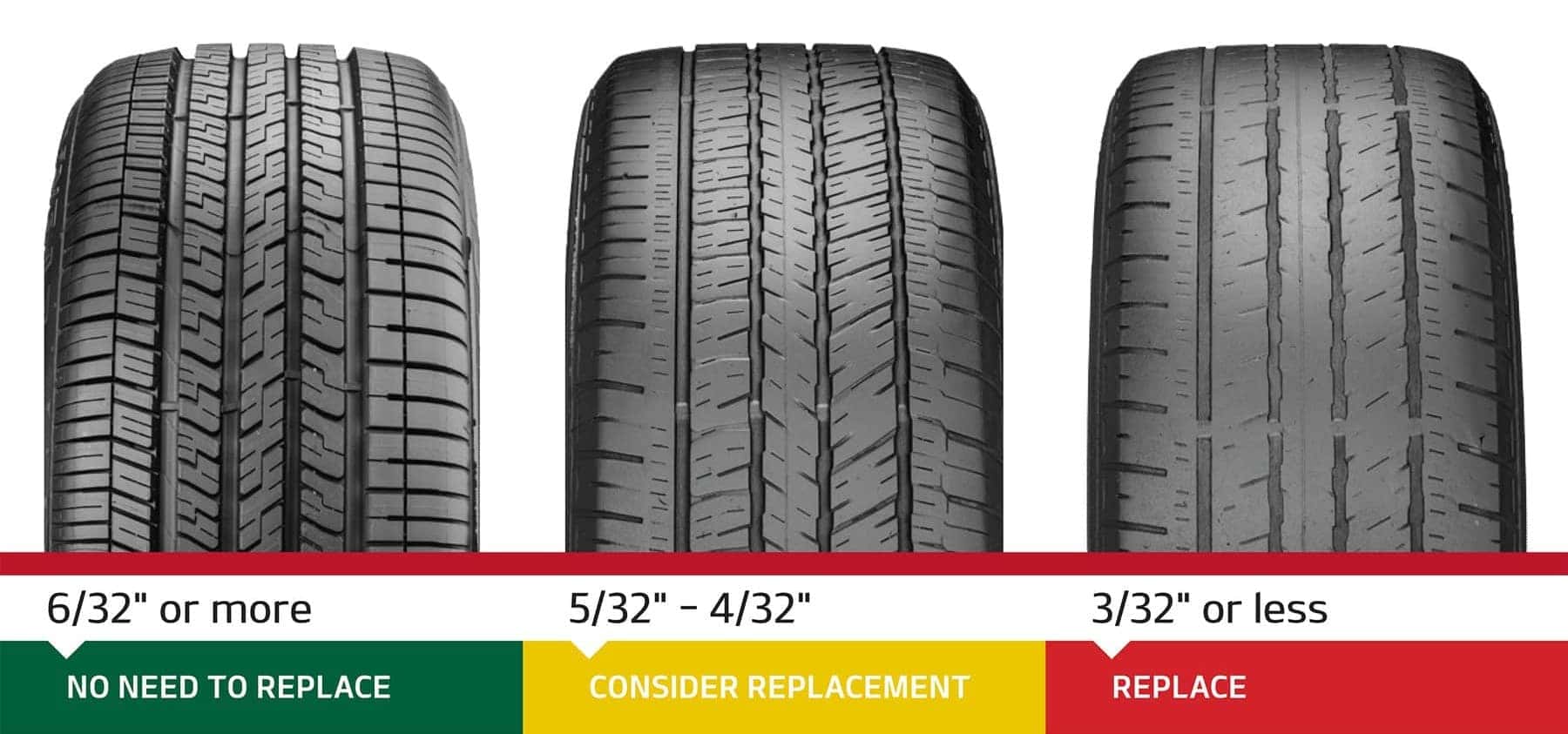
How to Find Same-Day Tire Installation Near You
Use the following process to find new tires today without wasting a trip.
1. Read the tire size
Look at the sidewall of the tire. A common size may look like this:
225/65R17 102H
Each part gives useful information:
- 225 is the tire width in millimeters.
- 65 is the aspect ratio, or sidewall height compared with width.
- R means radial construction.
- 17 is the wheel diameter in inches.
- 102 is the load index.
- H is the speed rating.
You can also find the recommended size on the driver-side doorjamb label or in the owner’s manual. Use the vehicle label as your starting point, not only the damaged tire. A previous owner may have installed the wrong size.
2. Search several nearby providers
Search for terms such as:
- “new tires today near me”
- “same-day tire installation”
- “tire shop open now”
- “mobile tire service near me”
- “tire replacement near me”
Compare at least three nearby providers. Check their hours, reviews, location, and online inventory. Treat online availability as a starting point because inventory can change before you arrive.
3. Call and confirm the details
Tell the shop:
- Your vehicle year, make, and model
- Your tire size
- Whether you need one tire or four
- Whether the car is drivable
- Whether the vehicle is front-wheel drive, rear-wheel drive, or all-wheel drive
- Your preferred tire type
- When you need the work completed
Ask for the out-the-door price. A low advertised price may not include installation, balancing, disposal, taxes, or other shop fees.
4. Reserve the tire and appointment
If the tire is in stock, ask the shop to hold it under your name. Book the installation time at the same time. A tire may be available in the warehouse but not reserved for your vehicle.
Request written confirmation by text or email when possible. Check the confirmation for the tire brand, model, size, quantity, and appointment time.


5. Bring the right information
Take your vehicle registration or VIN if the shop requests it. Bring the wheel-lock key if your vehicle has locking lug nuts. If you are replacing one tire, bring the vehicle so the shop can measure the remaining tires and inspect the drivetrain requirements.

How to Choose the Right Tires When You Need Them Today
The cheapest tire is not always the lowest-cost choice. The right tire must fit your vehicle and match your driving needs.
Match the size, load index, and speed rating
Do not choose a tire by size alone. The replacement should meet the vehicle maker’s load and speed requirements. A tire with a lower load index or speed rating may not be suitable.
The doorjamb label and owner’s manual are the best sources for the original specifications. A tire professional can help confirm whether an alternative specification is acceptable.
Pick the right tire type
| Tire type | Best for | Main trade-off |
|---|---|---|
| All-season | Mixed weather and daily driving | May offer less snow grip than a winter tire |
| All-weather | Drivers who want stronger winter ability without changing tires twice a year | Often costs more than basic all-season tires |
| Winter | Regular snow, ice, and very cold conditions | Must usually be removed in warmer months |
| Performance | Dry-road handling and steering response | Can wear faster and ride more firmly |
| Highway or touring | Quiet road trips and regular commuting | May not suit severe snow or track use |
| Run-flat | Vehicles designed for limited-distance driving after air loss | Can cost more and ride more firmly |
An all-season tire is not the same as a winter tire. If you regularly drive on snow or ice, look for the three-peak mountain snowflake symbol, which identifies a tire that meets a defined severe-snow performance test.
Decide whether to replace one, two, or four tires
Replacing one tire can be acceptable in some cases, but it depends on tread depth, tire type, drivetrain, and manufacturer guidance.
Replacing a pair is common when:
- The other tire on the same axle is worn.
- The vehicle is two-wheel drive.
- The new and old tires have compatible tread depths.
- The shop places the tires in the recommended position.
Replacing all four is often the best choice when all tires are worn or when the vehicle uses all-wheel drive. Some all-wheel-drive systems are sensitive to differences in tire circumference. Check the owner’s manual or ask a qualified technician before replacing only one tire.
Consider tire age
Tires can age even when they have good tread. Look for the Department of Transportation tire identification number on the sidewall. The last four digits show the week and year of manufacture. For example, 2424 means the tire was made in the 24th week of 2024.
Age limits vary by manufacturer and use. The National Highway Traffic Safety Administration advises consumers to follow the tire maker’s recommendations and inspect older tires carefully. Ask the shop to show you the date code on the tire being installed.

What to Expect at a Same-Day Tire Appointment
A normal tire installation includes more than removing the old rubber. The shop should inspect the wheel and install the tire using suitable equipment.
Typical steps include:
- Remove the old tire.
- Inspect the wheel for cracks, bends, corrosion, or debris.
- Install the new tire.
- Inflate it to the vehicle maker’s recommended pressure.
- Balance the wheel and tire assembly.
- Install or service the valve stem and TPMS sensor when needed.
- Tighten the lug nuts to the correct torque.
- Check for leaks.
- Reset or relearn the tire-pressure monitoring system if required.
Ask what the installation package includes. Some shops charge separately for TPMS service, valve stems, road hazard coverage, alignment, and tire disposal.
A wheel alignment is not automatically required with every tire replacement. It may be useful if the vehicle pulls to one side, the steering wheel is off-center, the tires show uneven wear, or the vehicle recently hit a curb or pothole.


What to Do If You Need Tires but Cannot Drive the Vehicle
Do not drive on a tire with serious damage. A tire with a large puncture, exposed steel cords, a bulge, separated tread, or damaged sidewall can fail while moving.
Use one of these options:
- Install the vehicle’s spare tire if it is properly inflated and safe to use.
- Call your roadside assistance provider.
- Contact your auto insurer if roadside service is included.
- Request a mobile tire technician.
- Ask a tire shop whether it offers pickup or towing.
- Have the vehicle transported to a shop.
A temporary spare is not a normal replacement tire. Follow the speed and distance limits printed on the spare or in the owner’s manual. Some temporary spares are intended only for limited use.
A tire-pressure warning light does not always mean the tire needs replacement. It can indicate low air pressure, a puncture, a temperature change, or a TPMS fault. Check the pressure with a gauge when the tires are cold, then have the tire inspected if the warning returns.

How Much Do New Tires Cost Today?
The total price depends on tire size, brand, tire type, vehicle, location, and installation fees. Prices can vary widely, so get a complete quote before approving the work.
Your estimate may include:
- Tire price
- Mounting
- Computer balancing
- New valve stems
- TPMS service
- Tire disposal
- Shop supplies
- Sales tax
- Road hazard coverage
- Alignment, if needed
A useful comparison is the installed price per tire:
Installed price per tire = tire price + installation fees + required parts + taxes ÷ number of tires
For example, this hypothetical quote shows why the advertised tire price may not be the final cost:
| Item | Example amount |
|---|---|
| Four tires | $560 |
| Mounting and balancing | $120 |
| Disposal and valve service | $36 |
| Taxes and other fees | $64 |
| Estimated total | $780 |
This is only an example, not a typical or guaranteed market price. Ask each shop for the same list of services so you can compare quotes fairly.
A road hazard plan may cover some punctures or damage, but terms differ. Ask about exclusions, tread-depth limits, prorated refunds, and whether the plan covers both parts and labor.

Common Mistakes to Avoid When Buying Tires Today
Rushing can lead to the wrong tire or an unexpected bill. Avoid these common problems.
Buying by vehicle model only
The same vehicle may use different tire sizes based on trim level, wheel size, drivetrain, or model year. Confirm the size on the door label or in the owner’s manual.
Choosing the lowest advertised price
The advertised price may exclude installation and fees. Compare the full installed price and the tire’s warranty terms.
Replacing one tire without checking the others
A new tire next to a deeply worn tire may affect handling. This matters even more on all-wheel-drive vehicles. Have the shop measure tread depth on all four tires.


Ignoring the tire’s intended use
A performance tire may be a poor fit for heavy snow. A winter tire may be unnecessary for a warm climate. Consider weather, road type, mileage, and ride comfort.
Driving on a damaged tire
Air loss, sidewall cuts, bulges, and exposed cords require prompt attention. Driving farther can damage the wheel and increase the chance of a crash.
Forgetting to check tire pressure after installation
Use the pressure listed on the driver-side doorjamb label, not the maximum pressure printed on the tire sidewall. Recheck the pressure when the tires are cold.

Same-Day Tire Checklist
Use this checklist before leaving for the shop:
- Confirm the vehicle year, make, model, and trim.
- Read the tire size from the doorjamb label.
- Check whether you need one, two, or four tires.
- Confirm the load index and speed rating.
- Ask whether the exact tire is physically in stock.
- Get the full installed price.
- Book an appointment.
- Bring the wheel-lock key.
- Ask for a tire and wheel inspection.
- Confirm the final inflation pressure.
- Check that the TPMS warning light is off.
- Recheck lug nuts and tire pressure according to the shop’s instructions.
A tire shop should also return your old tires or dispose of them according to local requirements. Keep your receipt and tire warranty information.

Frequently Asked Questions
Can I get new tires installed today without an appointment?
Possibly. Some shops accept walk-ins, but appointments usually improve your chances. Call first to confirm inventory, labor capacity, and closing time.
Can a tire shop replace only one tire?
Sometimes. The answer depends on tread wear, drivetrain, tire type, manufacturer guidance, and the condition of the other tires. An all-wheel-drive vehicle may require matching tire circumference across all four wheels.
How long does tire installation take?
A basic installation may take about an hour, but timing varies with the vehicle, tire availability, TPMS service, wheel condition, alignment needs, and the shop’s queue. Ask for an estimated completion time when booking.
Can I buy tires online and install them today?
Some retailers let you purchase online and schedule local installation. Confirm that the tires are available at the selected store and that the appointment is for the correct vehicle and tire size.
Should I get an alignment with new tires?
Not always. An alignment is worth checking when the vehicle pulls, the steering wheel is not centered, tread wear is uneven, or the vehicle hit a curb or pothole. New tires do not correct an existing alignment problem.

Final Answer: The Fastest Way to Get Tires Today
To get new tires today in the U.S., call nearby tire shops, national chains, dealerships, and mobile tire services. Give them your exact tire size and vehicle details. Confirm the tire is in stock, ask for the full installed price, and reserve the earliest appointment.
If the tire is unsafe to drive on, do not risk the trip. Use a spare, roadside assistance, towing, or mobile installation. The fastest tire replacement is useful only when the tire fits the vehicle and the installation is done safely.
