

If you are searching for who buys tires and wheels near me, start with local tire shops, used auto-parts dealers, salvage yards, metal recyclers, and online marketplaces. The best buyer depends on whether your tires are safe to reuse, whether your wheels are in good shape, and whether you want cash, fast removal, or the highest likely price.
In the United States, many businesses will not buy worn tires for resale. They may accept them only for recycling or disposal. Call before driving over, and have the tire size, tread condition, wheel type, and ZIP code ready.

Who Usually Buys Used Tires and Wheels?
The most likely buyers are local tire dealers, auto salvage yards, wheel shops, recyclers, and private buyers. Each group looks for a different type of item.
| Buyer | What they may want | Best for |
|---|---|---|
| Used tire dealer | Safe tires with useful tread | Selling tires for reuse |
| Tire shop | Select used tires or trade-ins | Quick local sale |
| Wheel or rim shop | Clean, straight alloy or steel wheels | Selling wheels separately |
| Salvage yard | Factory wheels and usable parts | OEM wheels and vehicle parts |
| Metal recycler | Scrap steel or aluminum wheels | Damaged or unusable wheels |
| Online marketplace | Tires and wheels with local demand | Selling directly to drivers |
| Auto repair shop | Some take-ins or customer referrals | Local leads and quick inquiries |
| Tire recycling facility | Old tires for processing | Disposal, not usually cash |
“Rims” and “wheels” are often used as if they mean the same thing. Technically, the wheel is the complete metal part that mounts to the hub. A rim is the outer section that holds the tire.
Most buyers use both terms, so include both in your search.

Local tire stores
A tire shop may buy used tires if they can inspect and resell them. This is more likely when the tires have:
- Even tread wear
- No sidewall cuts, bulges, or plugs in unsafe areas
- No visible cords
- A recent manufacture date
- Matching size and type
- Enough tread for legal and practical use
A shop may also accept old tires when you buy a new set. That is often a disposal service, not a purchase. Ask directly: “Do you buy used tires, or do you only take them for recycling?”
Salvage yards and used auto-parts dealers
Salvage yards may buy wheels that match common U.S. vehicles. Factory, or OEM, wheels often have more value than unknown aftermarket wheels because buyers can identify their fit.
A salvage yard may want:
- A full set of four wheels
- Wheels with the correct bolt pattern
- Wheels without bends or cracks
- Center caps and lug nuts
- Wheels removed from popular trucks, SUVs, and passenger cars
They may not pay much for tires mounted on the wheels. In some cases, the yard values the wheel and treats the tire as a disposal problem.
Metal recyclers
A scrap-metal buyer may accept aluminum or steel wheels. This route makes sense when the wheel is bent, cracked, heavily corroded, or missing important parts.
Metal recyclers usually pay by material weight and market conditions. They normally do not pay based on the wheel’s original retail price. Separate the tire from the wheel only if the recycler requests it and you can do so safely.
Never cut, burn, or puncture a tire to remove it at home. Tire removal requires proper equipment. A tire shop can dismount it safely.
Private buyers
Facebook Marketplace, Craigslist, OfferUp, eBay with local pickup, and local car groups can connect you with buyers. These channels may bring a better price than scrap, but they require more work.


Private buyers usually want exact fit information. Include the tire size, wheel diameter, bolt pattern, offset if known, tire age, tread depth, and any damage.
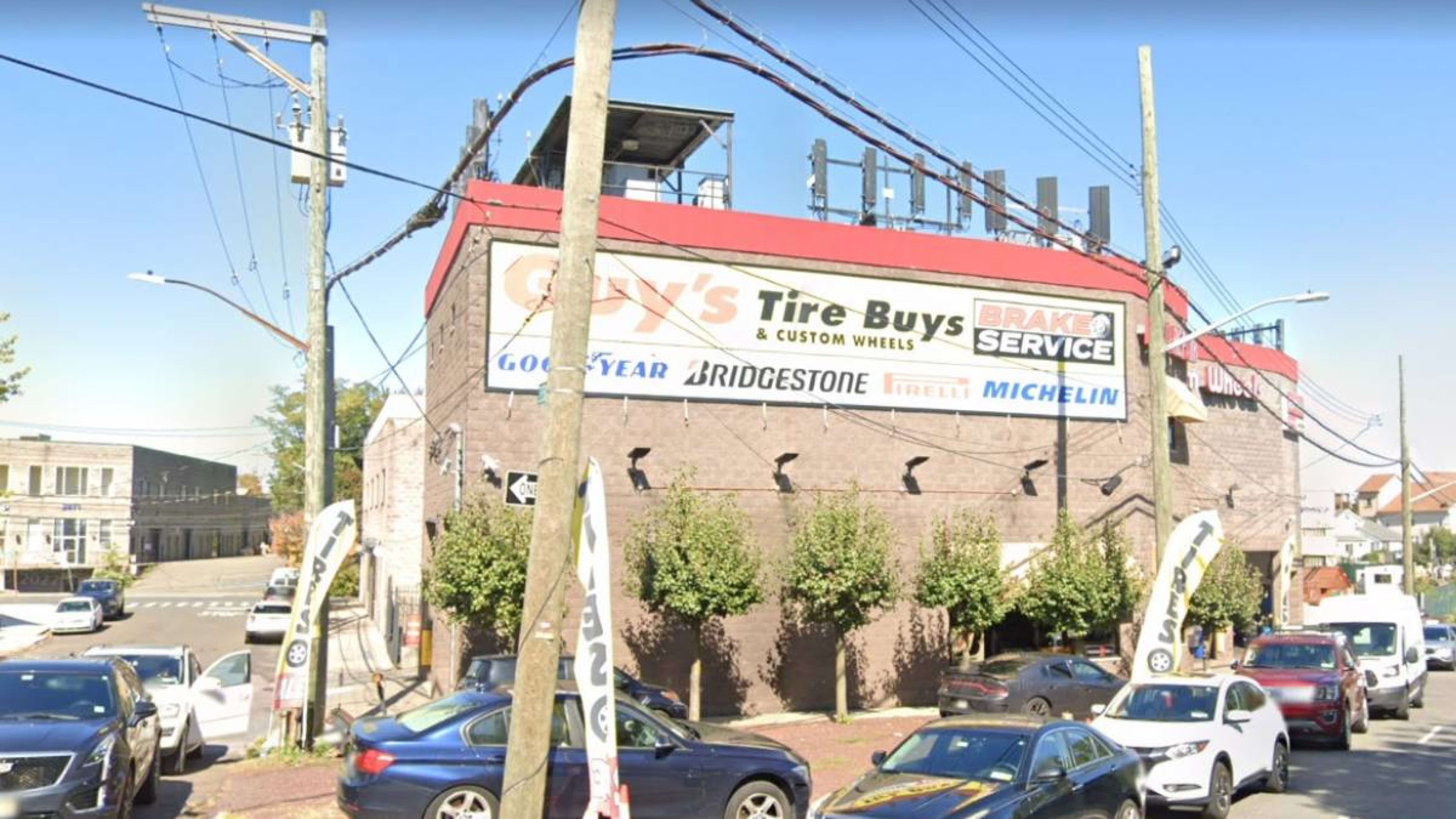
How to Find Tire and Wheel Buyers Near You
Use a short search process, then call the best matches. Search results can show businesses that accept tires for disposal but do not purchase them.
Try these U.S.-focused searches:
used tire buyers near meused wheels buyers near mesell old tires for cash near meused rims buyer near mescrap tire recycling near mealuminum wheel scrap buyer near mesalvage yard that buys wheels near metire shop buys used tires [your city]sell OEM wheels [your vehicle] [your city]
Replace the bracketed terms with your city, state, ZIP code, vehicle year, make, and model.
Check the business before you go
Look at the company’s website, business profile, and recent customer information. Confirm:
- Whether it buys tires, wheels, or only accepts them.
- Whether it accepts your tire size or wheel type.
- Whether it requires an appointment.
- Whether it buys from the public.
- Whether it pays cash, check, store credit, or electronic payment.
- Whether it charges a disposal fee.
- Whether it requires the tires to be removed from the wheels.
Call two or three businesses. Policies vary by city, state, equipment, and current inventory.
Ask a clear question
Use this script:
“I have four [tire size] tires mounted on [wheel type] wheels. The tires have about [estimated tread] remaining, and the wheels are [condition]. Do you buy items like these, and what information or photos do you need for a quote?”
This question prevents a common mistake: assuming that a tire recycling program is a buying program.
Verify local rules
Used tire rules differ across the United States. Some states limit how many tires a household may transport or store. Some charge tire fees or require licensed transport for larger loads.
Check your state environmental agency or solid-waste department before moving a large number of tires. The U.S. Environmental Protection Agency provides general information about scrap tires, but state and local agencies control many disposal details.
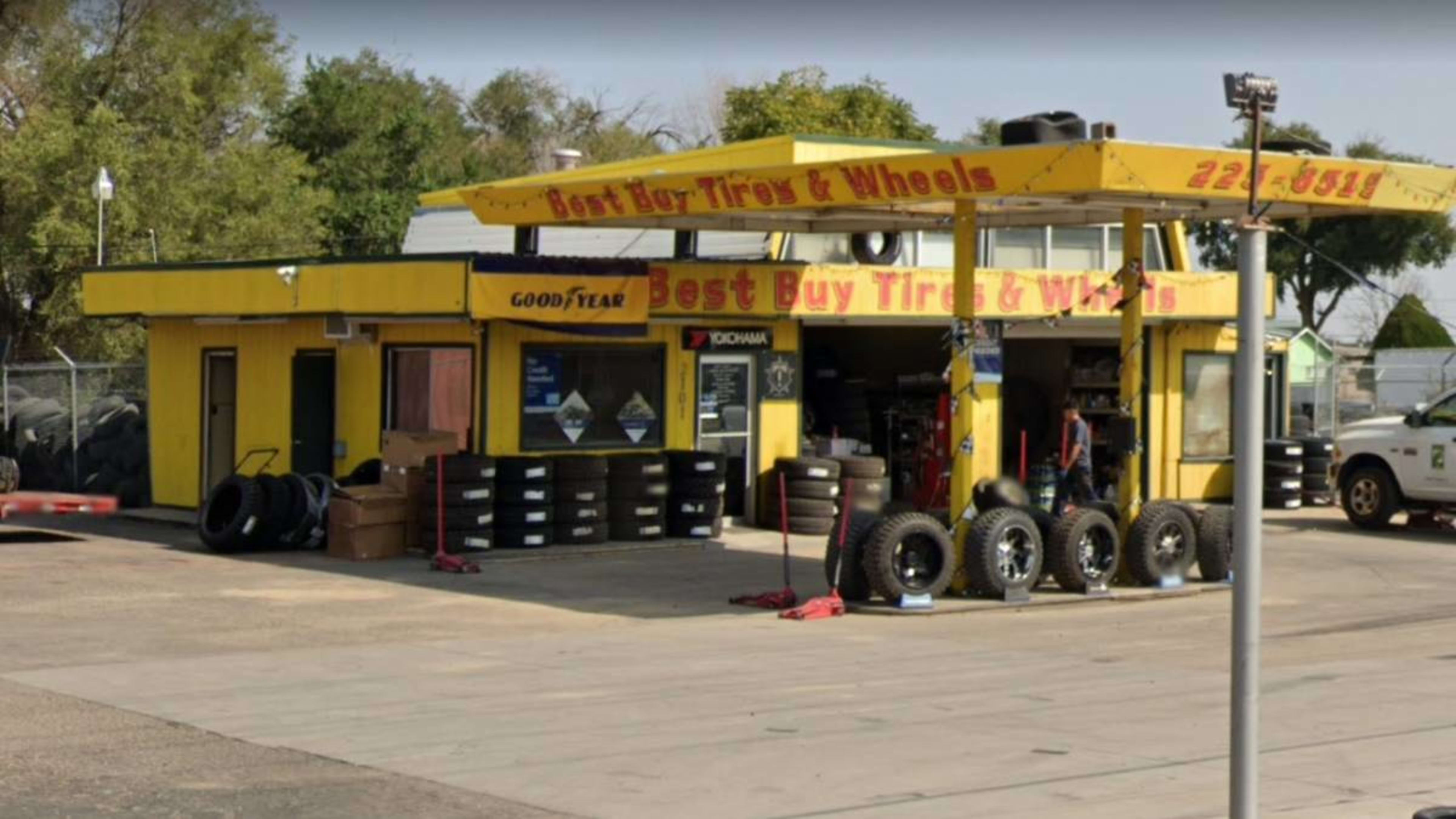
How Much Are Used Tires and Wheels Worth?
There is no single national price for used tires or wheels. Value depends on condition, demand, fit, age, brand, location, and how quickly you want to sell.
A simple way to think about the value is:
Likely sale value = local demand + usable condition + fit information − buyer risk and handling cost
This is not a formal pricing formula. It explains why two similar-looking sets can receive very different offers.


Tire value factors
Buyers may consider:
- Tire size
- Brand and model
- Tread depth
- Tire age
- Matching tread and size
- Seasonal type, such as winter or all-season
- Repairs and punctures
- Sidewall condition
- Uneven wear
- Local demand
The tire identification number, or DOT code, appears on the sidewall. The last four digits show the week and year of manufacture. For example, 2322 means the tire was made in the 23rd week of 2022.
Age alone does not determine whether a tire is safe. However, older tires may be harder to sell. Buyers should inspect them in person and follow the tire maker’s guidance.
Wheel value factors
Wheels may be worth more when they are:
- Factory wheels from a common vehicle
- Sold as a complete matching set
- Straight and free from cracks
- Clean and free from severe corrosion
- A popular diameter and bolt pattern
- Sold with center caps, sensors, and lug nuts
A single unusual wheel may have a buyer, but a matching set is usually easier to market.
Scrap value versus resale value
A reusable wheel can be worth more as a vehicle part than as scrap metal. A damaged tire usually has little resale value, even if the tread looks acceptable.
Ask for two types of quotes:
- Reuse quote: What would you pay to resell this tire or wheel?
- Scrap or recycling quote: What would you pay based on material or disposal value?
Do not compare a cash offer with a store credit offer as if they were equal. Also subtract transport costs, marketplace fees, and the time needed to meet buyers.
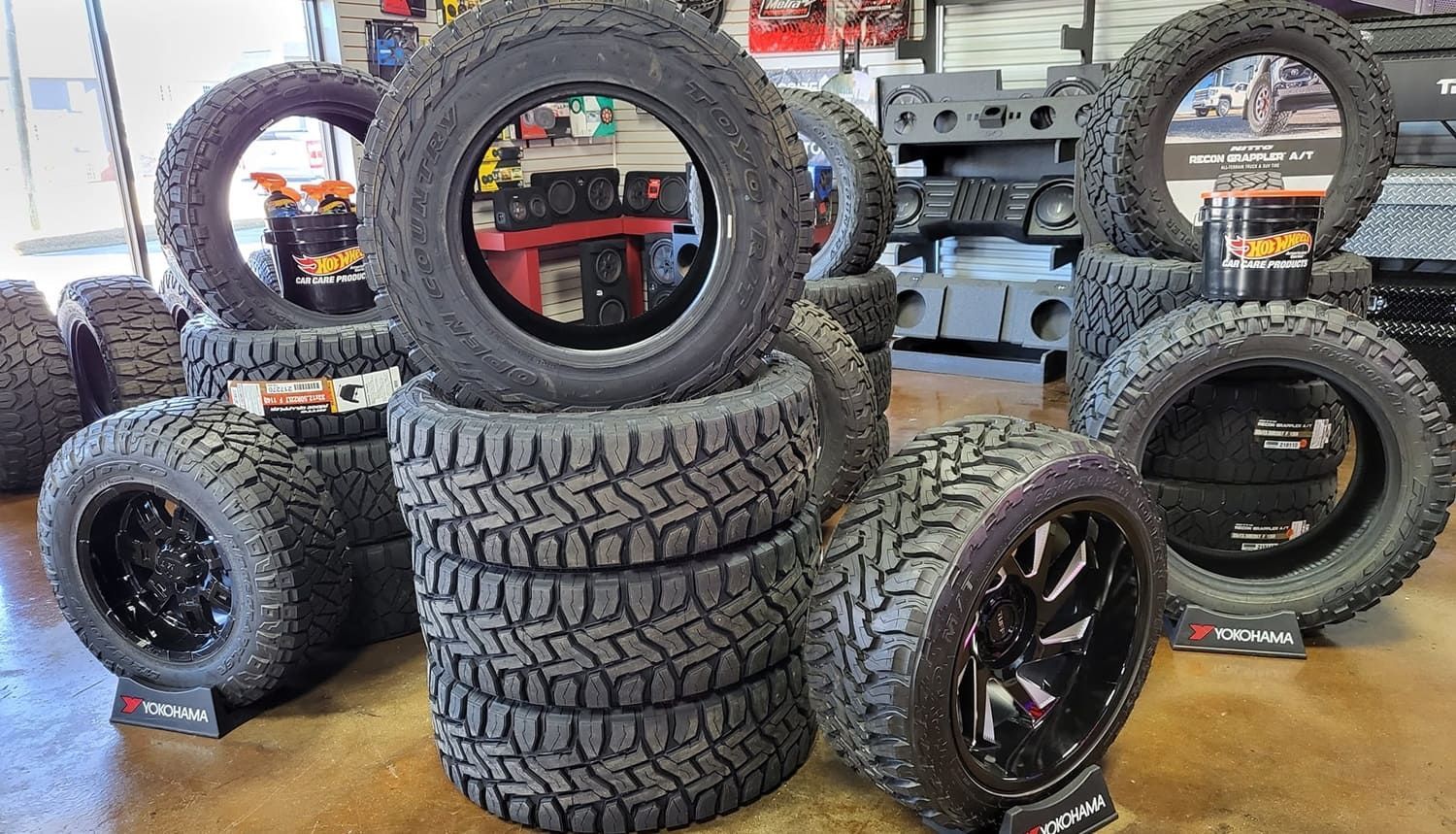
How to Check Tires Before Offering Them for Sale
Only offer tires for reuse when they appear suitable for professional inspection. A buyer may reject them for safety reasons even if they look fine from a distance.
Check each tire for:
- Sidewall bulges
- Deep cuts
- Exposed cords
- Cracks between tread blocks
- Severe dry rot
- Large or improper repairs
- Uneven wear
- Missing chunks of tread
- Foreign objects
- A very old DOT date
Measure tread with a tread-depth gauge if possible. Do not rely only on the built-in wear bars or a coin test when preparing a sale listing.
A tire with a bulge, exposed cord, serious sidewall damage, or a questionable repair should not be sold as a road-ready tire. Tell the buyer about any known damage. When in doubt, ask a tire professional to inspect it.
Do not sell unsafe tires as usable
A buyer may use the tire on a public road. Hiding damage creates a serious safety risk and may create legal problems. Mark damaged tires as scrap or recycling only when that is accurate.


The National Highway Traffic Safety Administration advises consumers to inspect tire condition and follow proper tire-care practices. Tire safety guidance does not create one universal resale rule for every tire, so local inspection and professional judgment still matter.

How to Check Wheels Before Selling Them
Clean the wheel, then inspect it in good light. Look at the inner barrel as well as the visible face.
Check for:
- Cracks
- Weld repairs
- Bends
- Flat spots
- Severe corrosion
- Damaged valve-stem holes
- Missing center caps
- Stripped or damaged lug holes
- Paint or finish damage
A wheel can look attractive from the front and still be bent on the inside. If a wheel lost air repeatedly or caused vibration, disclose that fact.
Do not describe a wheel as “perfect,” “like new,” or “safe” unless you can support the claim. Use plain terms such as “no visible cracks” or “removed from a vehicle with no known vibration,” if true.
Record the fit details
Wheel fit is more than diameter. Buyers may need:
- Wheel diameter
- Wheel width
- Bolt pattern
- Offset
- Center bore
- Load rating
- Tire pressure sensor type
- Vehicle year, make, and model
Look for markings on the back of the wheel. The owner’s manual, vehicle door label, parts catalog, or a qualified wheel shop may help confirm fit.
Do not guess the bolt pattern or offset. A wrong fit can damage parts or create a loss of vehicle control.
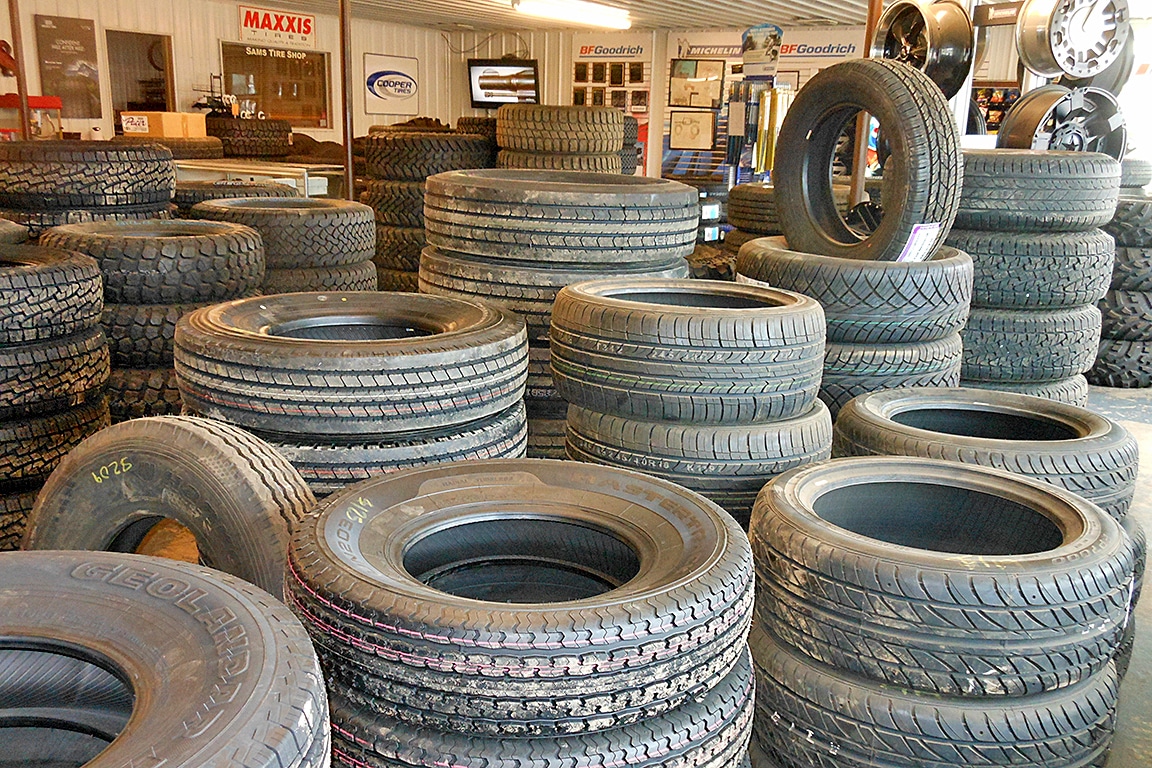
What to Include in a Listing
A complete listing helps serious buyers decide quickly. Include:
- Tire brand and model
- Tire size, such as
225/65R17 - Number of tires
- Estimated tread depth
- DOT date code
- Wheel material: steel or alloy
- Wheel diameter and width
- Bolt pattern and offset, if known
- Vehicle the set came from
- Damage, repairs, or uneven wear
- Pickup city or ZIP code
- Asking price or “best reasonable offer”
- Clear photos
Take photos of the full set, tread, sidewalls, DOT code, wheel markings, and any damage. A photo with a ruler or tread gauge can make the condition easier to judge.
Example listing
Set of four 225/65R17 all-season tires on OEM alloy wheels. Tires made in 2022, with approximately 7/32-inch tread remaining. Wheels came off a 2018 Honda CR-V. No visible cracks. One wheel has curb rash. Local pickup in Columbus, Ohio. Buyer should confirm fit before purchase.
That listing gives a buyer enough information to ask useful questions. It also reduces wasted messages and disputes.

How to Choose the Best Buyer
The highest offer is not always the best offer. Compare the full transaction.
| Priority | Buyer that may fit | Main trade-off |
|---|---|---|
| Fast removal | Local tire shop or salvage yard | Lower payment or no payment |
| Highest possible price | Private buyer | More time, messages, and safety concerns |
| Damaged wheels | Scrap-metal recycler | Material value only |
| Safe tire disposal | Tire recycler or tire shop | May charge a fee |
| OEM wheel sale | Salvage yard or vehicle-specific group | Requires accurate fit details |
| Full set sale | Marketplace or wheel shop | May take longer |
Meet private buyers in a public place when practical. Do not invite an unknown buyer into your home unless necessary. For heavy wheels and tires, use safe lifting methods and get help.


If a buyer asks you to accept an unusual payment method, ship the items before payment clears, or send money back from an overpayment, stop the transaction. Those are common fraud warning signs.

Common Mistakes to Avoid
Assuming every tire shop buys used tires
Many shops only sell new tires and arrange disposal for old ones. Ask whether the business is buying, accepting, or recycling.
Listing the tire size but not the wheel fit
A tire can fit several wheels, while a wheel may fit only certain vehicles. Add bolt pattern and vehicle details when possible.
Hiding tire age or damage
A missing DOT date, sidewall crack, or undisclosed repair can cause a buyer to reject the set. Honest condition notes build trust.
Removing tires without the right equipment
Tire beads can store force, and wheels can be heavy. Have a tire shop dismount them unless you have proper equipment and training.
Storing tires outdoors for long periods
Standing water, sunlight, heat, and poor storage can damage tires and attract pests. Keep them in a cool, dry place away from chemicals and ignition sources.
Driving on a questionable tire to meet a buyer
If a tire has a bulge, exposed cord, severe loss of pressure, or other serious damage, do not drive on it. Ask a tire professional about transport.
Frequently Asked Questions
Can I sell tires with wheels still mounted?
Yes, you can list them as a complete tire-and-wheel set. Some buyers prefer that arrangement. Others want the tire removed so they can inspect or use the wheel for a different tire. Ask the buyer which condition they prefer.
Will a junkyard buy old tires?
A junkyard may buy or accept wheels, but it may not pay for worn tires. Some yards send tires to a licensed recycler and may charge a fee. Call first and describe the number, size, and condition.
Can I sell tires with low tread?
You may find a buyer, but low tread reduces value and may make the tire unsuitable for resale. Do not market a tire as road-ready if it has unsafe wear or damage. A tire shop can advise whether it should be reused or recycled.
Are alloy wheels worth more than steel wheels?
Not always. Alloy wheels may attract buyers because of appearance, size, and vehicle fit. Steel wheels can also have demand, especially for winter use or common vehicles. Condition and fit often matter more than material alone.
Where can I dispose of tires if no one will buy them?
Start with a tire shop, county or city solid-waste program, household hazardous-waste program, or licensed tire recycler. Rules and fees vary across the United States, so confirm the local process before transport.
Should I sell tires separately from wheels?
Sell them together when the set is matched and the buyer wants a ready-to-use package. Sell them separately when the tires are worn but the wheels are valuable, or when the tires and wheels do not have the same fit.


Final Checklist Before You Contact a Buyer
Prepare this information:
- Number of tires and wheels
- Tire size and brand
- Tire DOT date
- Approximate tread depth
- Wheel material and size
- Bolt pattern and vehicle fit
- Damage or repairs
- Photos of all important areas
- Your ZIP code
- Whether you need pickup
- Whether the tires are mounted
Then contact at least two local businesses and one private-sale channel. Compare the real offer after fees, transport, removal, and time.
The safest path is simple: sell reusable tires and wheels only with honest condition details, send damaged items to the proper recycler, and confirm every buyer’s policy before you make the trip.
Sources for U.S. guidance
- U.S. Environmental Protection Agency: Scrap Tires
- National Highway Traffic Safety Administration: Tire Safety
- U.S. Tire Manufacturers Association: Tire Care and Safety
- Your state environmental or solid-waste agency for local tire transport and disposal rules
