

Yes. In the United States, you can usually buy tires from one seller and have them installed by a different tire shop, dealership, repair shop, or mobile installer. The key is to confirm that the installer accepts customer-supplied tires before you place the order.
The shop may charge a separate installation fee. It may also limit its warranty, refuse certain tires, or require proof that the tires fit your vehicle. Before buying, confirm the tire size, load rating, speed rating, age, shipping plan, and total installation cost.

How Buying Tires From One Seller and Installing Them Elsewhere Works
The process is simple: purchase the correct tires, arrange delivery, and book an installer that accepts outside tires.
You can buy tires from:
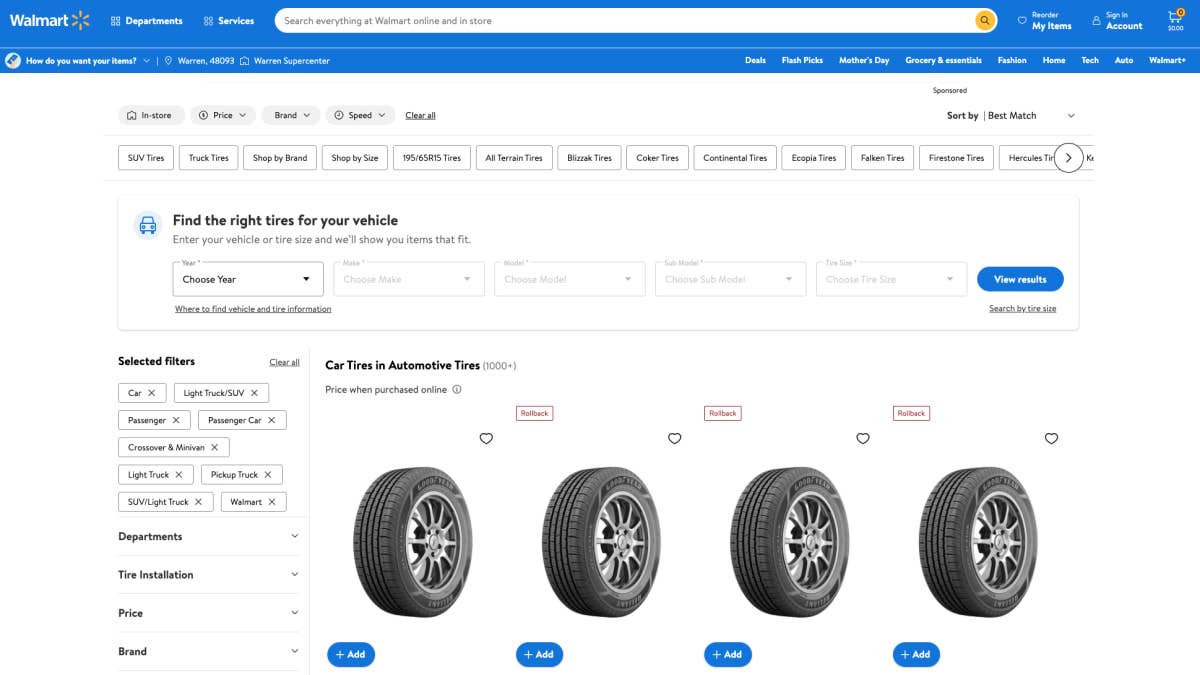
- An online tire retailer
- A local tire store
- A vehicle dealer
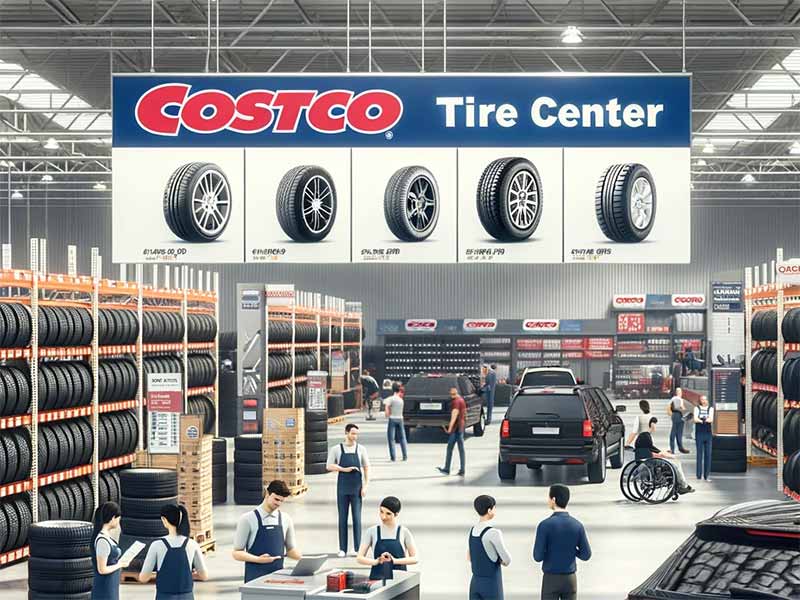
- A warehouse club
- A used-tire seller
- A private seller, although this has greater safety risks


You can then use:
- An independent tire shop
- A dealership service department
- A national tire chain
- A general repair shop with tire equipment
- A mobile tire installation service
Many online tire retailers let you ship tires directly to a partner installer. You may also ship them to your home and take them to a shop. However, some shops will not install tires supplied by the customer. Others will install them but charge more than they charge for tires bought in-house.
This business model is often called customer-supplied tire installation or carry-in tire installation.
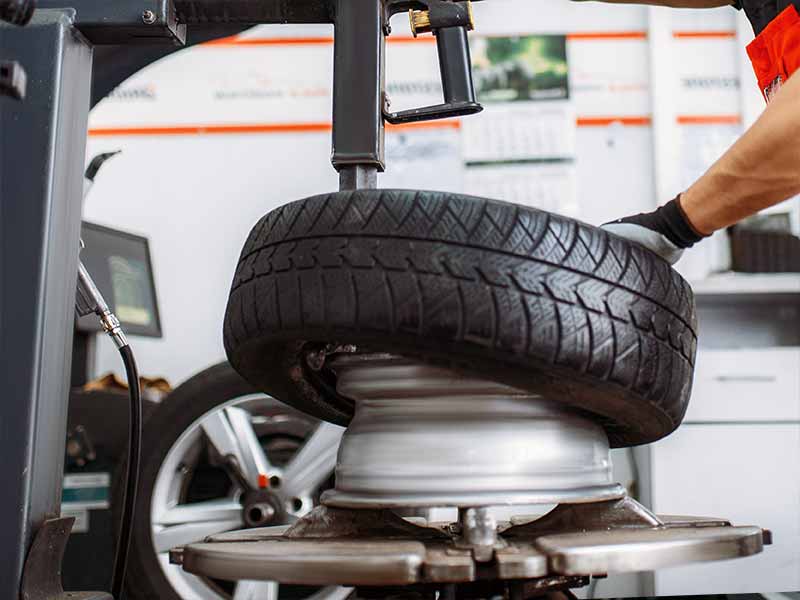
What the installer normally does
A standard tire installation may include:
- Removing the old tires
- Mounting the new tires on the wheels
- Balancing the wheel and tire assemblies
- Inflating the tires
- Installing new valve stems, if included
- Reinstalling the wheels
- Checking tire pressure
- Resetting or checking the tire-pressure monitoring system, or TPMS
Wheel alignment is usually a separate service. Tire installation does not automatically correct an alignment problem.
The exact services vary by shop. Ask for an itemized quote before scheduling the work.
What to Confirm Before You Buy
Confirm the shop’s policy first. This prevents a common problem: receiving four large tires at your home and then learning that no nearby shop will install them.
Ask these questions:
- Do you install customer-supplied tires?
- What is the installation price per tire?
- Does the price include mounting and balancing?
- Are new valve stems included?
- Is TPMS service included?
- Is tire disposal included?
- Do you charge a tire-storage or handling fee?
- Will you install run-flat, low-profile, or oversized tires?
- Do you provide a workmanship warranty?
- What happens if a tire is damaged or defective?
- Can I ship the tires directly to your shop?
- How long will you store delivered tires?
Get the answer in writing when possible. An email, text message, or online booking confirmation can help resolve confusion later.


Check the tire specifications
The tire must match your vehicle and driving needs. Check:
- Tire size
- Load index
- Speed rating
- Tire type
- Seasonal suitability
- Run-flat requirements
- Original equipment specifications
- Wheel size
- Vehicle-specific fitment limits
The correct size is often listed on the driver-side door-jamb label. It may also appear in the owner’s manual. The sidewall of the current tire can help, but it is not always the best source if a previous owner installed the wrong tire.
For example, a tire marked 225/65R17 102H has several important parts:
- 225: width in millimeters
- 65: sidewall height as a percentage of width
- R: radial construction
- 17: wheel diameter in inches
- 102: load index
- H: speed rating
Do not choose a tire based only on its width and wheel diameter. Load and speed ratings also matter.
Check the tire’s age
A new tire may have been made months earlier. That is usually normal, but avoid buying tires with an unknown or unusually old manufacturing date.
The Department of Transportation identification number, or DOT code, is molded into the tire sidewall. The final four digits show the week and year of manufacture. For example, 3524 means the tire was made during the 35th week of 2024.
The code may appear on only one side of the tire. You may need to inspect the inner sidewall after delivery.
Check the delivery plan
If the tires ship to your home, keep them dry and away from chemicals, heat, and direct sunlight. Do not leave them where they can roll into traffic or become damaged.
If the tires ship to the installer, confirm:
- The shop’s exact delivery address
- The order number
- The expected arrival date
- Whether the shop will call you
- How long it will hold the tires
- Whether shipping damage must be reported before installation
Photograph the tires and packaging when they arrive. Look for cuts, bulges, exposed cords, crushed beads, or other visible damage.

How Much Does It Cost to Install Tires You Bought Elsewhere?
The total cost depends on the shop, tire size, vehicle, region, and included services. Customer-supplied tires can cost more to install than tires purchased from the same shop.
A useful way to compare options is:


| Cost item | May apply? | What to check |
|---|---|---|
| Mounting | Yes | Charged per tire or as a package |
| Wheel balancing | Usually | Confirm whether weights are included |
| Valve stems | Sometimes | Metal or specialty stems may cost more |
| TPMS service | Sometimes | Sensors may need testing or replacement |
| Tire disposal | Often | May be charged per old tire |
| Shop supplies | Sometimes | Ask what this fee covers |
| Alignment | Only if needed | Usually separate from installation |
| Road-hazard coverage | Optional | Check exclusions and claim rules |
| Shipping | Sometimes | May be free, flat-rate, or location-based |
Use this calculation:
Total installed cost = tire price + shipping + installation + taxes and fees + optional services
Hypothetical comparison
Suppose an online seller offers four tires at a lower price than a local shop. The online order may still include shipping and a higher carry-in installation fee.
A local shop may charge more for the tires but include:
- Mounting
- Balancing
- Valve stems
- Disposal
- A workmanship warranty
The lower tire price is not automatically the lower final price. Compare the complete installed total.
Why shops charge more for outside tires
A shop that sells the tires often earns part of its revenue from the tire sale. When you bring your own tires, the shop may charge a higher labor rate to cover:
- Handling and inspection
- Installation time
- Warranty administration
- Storage space
- Risk from unknown tire quality
- Possible fitment problems
This does not mean a carry-in installation is a bad choice. It means the labor policy can change the savings.

What Happens If the Tires Do Not Fit?
Stop the installation if the tires are the wrong size, damaged, mismatched, or unsuitable for the vehicle.
A responsible installer should check the tires before mounting them. However, the shop may charge an inspection, restocking, or labor fee if the problem results from the customer’s order.
Common fitment problems include:
- Wrong tire diameter
- Incorrect load index
- Incorrect speed rating
- Tire too wide for the wheel or vehicle
- Run-flat tire installed on a vehicle without proper support
- Tire rubbing the suspension or body
- Different tire types on the same axle
- A tire that does not match the vehicle’s required winter setup
- Inadequate clearance around brakes or suspension parts
If one tire is damaged before installation, do not assume the shop or shipping company will automatically replace it. Take photos, keep the packaging, and contact the seller promptly.
Should all four tires match?
For many vehicles, installing four matching tires is the simplest and safest approach. It gives the vehicle more consistent handling and traction.
Replacing fewer than four tires can be more complicated, especially on:


- All-wheel-drive vehicles
- Four-wheel-drive vehicles
- Performance vehicles
- Vehicles with different front and rear tire sizes
Some all-wheel-drive systems have strict limits on tire circumference differences. Ask the vehicle manufacturer or a qualified technician before replacing only one or two tires.
If only two tires are replaced, many tire-industry recommendations place the newer tires on the rear axle to reduce the risk of oversteer on wet roads. The vehicle manufacturer’s instructions and the installer’s assessment should control when they differ.

Warranty and Damage Issues to Understand
Buying tires from one company and installing them at another can divide responsibility among several parties.
The tire manufacturer’s warranty may cover defects in materials or workmanship, subject to its terms. The seller may handle returns, shipping damage, or order errors. The installer may cover installation work, balancing, or damage caused during service.
These are separate issues.
Before installation, save:
- The sales receipt
- Tire model and size
- DOT identification information
- Shipping records
- Photos of the tires
- Installation invoice
- Warranty documents
Ask who handles each problem:
| Problem | Usually contact first |
|---|---|
| Wrong tire shipped | Seller |
| Visible shipping damage | Seller or carrier |
| Manufacturing defect | Seller or tire manufacturer |
| Damage during mounting | Installer |
| Vibration after installation | Installer first |
| Uneven wear from alignment | Repair or alignment shop |
| Road hazard such as a nail | Tire seller or road-hazard provider |
A tire manufacturer’s limited warranty does not usually cover every puncture, collision, improper inflation issue, or normal tread wear. Read the actual warranty terms instead of assuming all damage is covered.
The Federal Trade Commission explains that warranty rights can depend on the written warranty and the seller’s practices. Keep your records and ask for the terms before paying for optional coverage.

Do You Need an Alignment After New Tires?
No. New tires do not automatically require a wheel alignment, but an alignment may be useful when symptoms or vehicle history point to a problem.
Consider an alignment if:
- The vehicle pulls to one side
- The steering wheel is off-center
- The old tires wore unevenly
- The vehicle struck a pothole or curb
- Suspension parts were replaced
- The new tires show rapid or uneven wear
A tire shop may recommend an alignment because it can identify worn suspension or steering parts. The alignment should not be treated as a required add-on without a reason.
Balancing is different. Balancing corrects weight differences in the tire and wheel assembly. A vibration at certain speeds may indicate a balance problem, tire damage, bent wheel, or suspension issue.
If the vehicle shakes after installation, return to the installer promptly. Do not continue driving at highway speed while ignoring a strong vibration.

Is It Better to Buy Tires From the Installer?
Buying from the installer is not always better, and buying online is not always cheaper. The better choice depends on total cost, support, convenience, and warranty handling.


Buying from the installer may be better when:
- The price difference is small
- Installation is included
- You want one company to handle fitment and warranty issues
- You need the tires immediately
- You are unsure which tire fits
- The shop offers useful road-hazard coverage
- The shop will inspect the vehicle before ordering
Buying elsewhere may be better when:
- The outside seller has a lower complete price
- The tire model is unavailable locally
- You need a specialized tire
- The seller offers a clear return policy
- A trusted local shop accepts customer-supplied tires
- You have confirmed the installation fee in advance
The strongest comparison is not the tire’s advertised price. Compare the final installed price and the quality of support after the sale.
Common Mistakes to Avoid
The most costly mistakes happen before the tires reach the shop.
Ordering by appearance
A tire that looks right may still have the wrong load rating, speed rating, or size. Use the vehicle placard and owner’s manual.
Assuming every shop accepts outside tires
Policies differ by location and can change. Call the specific shop, not only the company’s national customer-service line.
Forgetting tire disposal
Old tires cannot usually be left with a regular trash service. Ask whether disposal is included in the installation quote.
Ignoring TPMS
A tire-pressure warning light may remain on after installation if the sensors need to be reset, relearned, repaired, or replaced.
Buying used tires without a careful inspection
Avoid tires with:
- Sidewall damage
- Bulges
- Exposed cords
- Uneven or very low tread
- Irregular wear
- Repairs in unsafe areas
- Unknown age
- Mismatched construction
A used tire can have hidden damage from underinflation, impact, or storage. If its history is unknown, the lower price may not justify the risk.
Waiting to inspect the tires
Check the tires before they are mounted. Once a tire is installed, proving that damage existed before installation can be harder.
Skipping the final checks
Before leaving, confirm:
- The tire-pressure warning light is off or properly addressed
- Lug nuts were tightened according to the vehicle specification
- Tire pressures match the door-jamb label
- The vehicle does not pull or vibrate
- The receipt lists the installed tire size and services
A Simple Step-by-Step Buying Checklist
Use this process to reduce errors:


- Read the vehicle tire label. Record the size, load, and speed information.
- Choose the tire type. Consider climate, snow, rain, mileage, noise, and driving style.
- Confirm the installer first. Ask about customer-supplied tires and the full service price.
- Compare complete totals. Include shipping, taxes, installation, disposal, and optional coverage.
- Check the seller’s return policy. Confirm who pays return shipping for an incorrect order.
- Order the tires. Use the installer’s address only after receiving permission.
- Inspect the shipment. Photograph the tires and check for visible damage.
- Verify the DOT date and sidewall markings.
- Have the tires mounted and balanced.
- Ask whether TPMS service or an alignment is needed.
- Check tire pressure and warning lights before driving away.
- Keep every receipt and warranty document.
If the shop refuses the tires after delivery, do not pressure it to install them. Contact the seller and ask about a return or exchange.

Frequently Asked Questions
Can a dealership install tires bought online?
Often, yes, but each dealership sets its own policy. Some dealerships install customer-supplied tires, while others limit installation to tires purchased through the dealership. Ask about the labor rate, warranty, and tire-storage policy first.
Can I ship tires directly to a tire shop?
Sometimes. Get the shop’s approval before shipping. Provide your full name, phone number, appointment date, and order number. Confirm how long the shop will hold the tires.
Will a tire shop install tires bought from Amazon or another marketplace?
Some shops will, but marketplace purchases can create extra questions about seller identity, returns, age, and warranty support. Confirm that the tires are new, correctly specified, and sold with clear manufacturer information.
Can I install only two new tires?
It may be possible, but the answer depends on the vehicle. All-wheel-drive vehicles may require closely matched tire circumferences. When replacing two tires, ask the installer where they should go and whether the remaining tires are safe to keep.
Do new tires come with installation?
Not always. Some sellers show a tire-only price. Others offer installation through a partner shop for an additional fee. Read the checkout details and verify what “installation” includes.
Can I return tires after they are mounted?
The seller’s return policy controls, and mounted tires may have different return limits. Ask about returns before installation. If the tire is defective or damaged, document the issue and contact the seller promptly.
Conclusion
You can buy tires in the United States and have them installed somewhere else, but confirm the installer’s policy before ordering. Compare the full installed cost, verify the tire specifications, inspect the shipment, and understand which company handles each warranty or damage issue.
The safest next step is to call a local installer with your vehicle’s year, make, model, tire size, and tire type. Ask for a written quote that includes mounting, balancing, valve stems, TPMS service, disposal, and any fees.
