How Far Can You Drive On A Run Flat Tire: Safe Driving Guide
Introduction
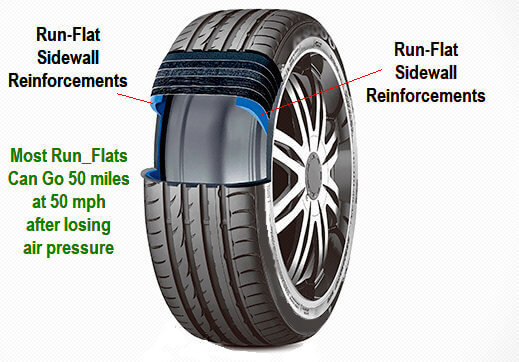
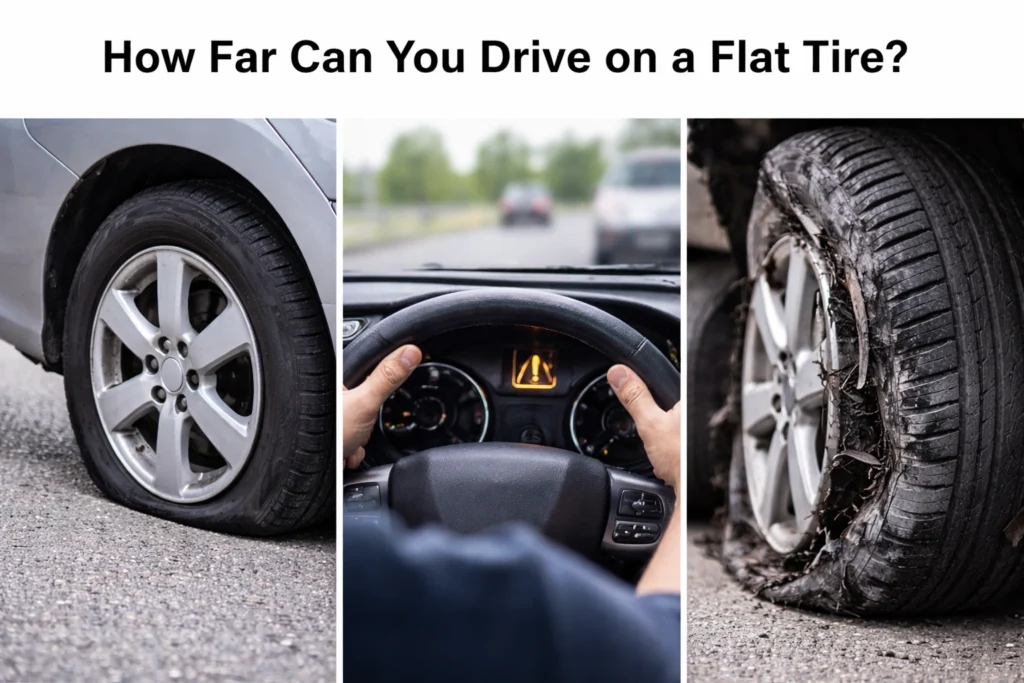
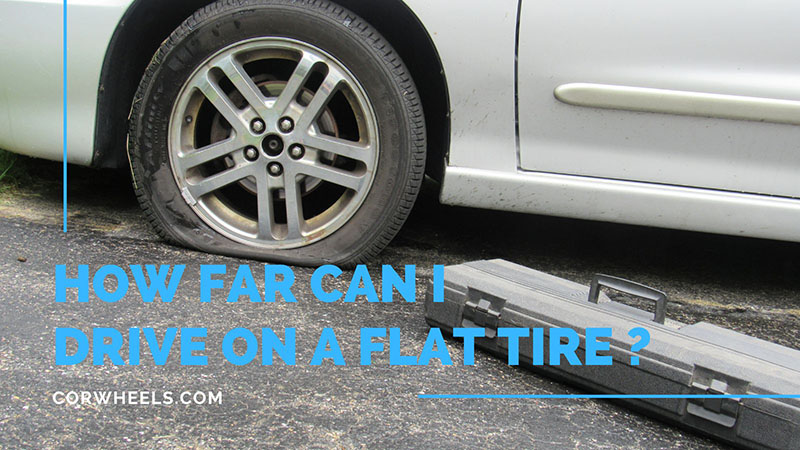
In the United States, most run-flat tires can travel up to 50 miles at no more than 50 mph after losing air. That distance is only a general limit. Your tire brand, vehicle, load, road, temperature, and the damage itself may reduce it.
A run-flat tire is an emergency feature, not a permanent way to drive with low pressure. Drive only far enough to reach a safe place or a tire shop. Check your owner’s manual and the tire maker’s limit before relying on the tire.
How far can you drive on a run-flat tire?
Most run-flat tires allow about 50 miles of travel at speeds up to 50 mph after a complete or major loss of air pressure. This common guideline appears in guidance from tire makers such as Bridgestone and Michelin.
However, the exact limit can differ. Some tires may have a shorter distance rating, a lower speed limit, or special instructions from the vehicle maker. The tire sidewall, vehicle handbook, and tire-pressure monitoring system can help identify the correct limit.
Use this rule as a safe starting point:
If the tire has lost pressure, slow down, stay below 50 mph, and drive no farther than necessary to reach a safe repair location.
Do not treat “50 miles” as a target. It is an upper limit under stated conditions, not a promise that every run-flat tire will safely travel that far.
General run-flat distance limits
| Situation | Typical guidance |
|---|---|
| Maximum distance after pressure loss | Up to 50 miles |
| Maximum speed | Up to 50 mph |
| Best use | Reaching a safe location or tire shop |
| Normal driving after failure | Not recommended |
| replacement decision | Follow the tire and vehicle maker’s instructions |
The limit assumes that the tire is suitable for continued travel and that you drive carefully. A heavily loaded vehicle, very hot weather, rough pavement, or repeated sharp turns can shorten the safe distance.
What is a run-flat tire?
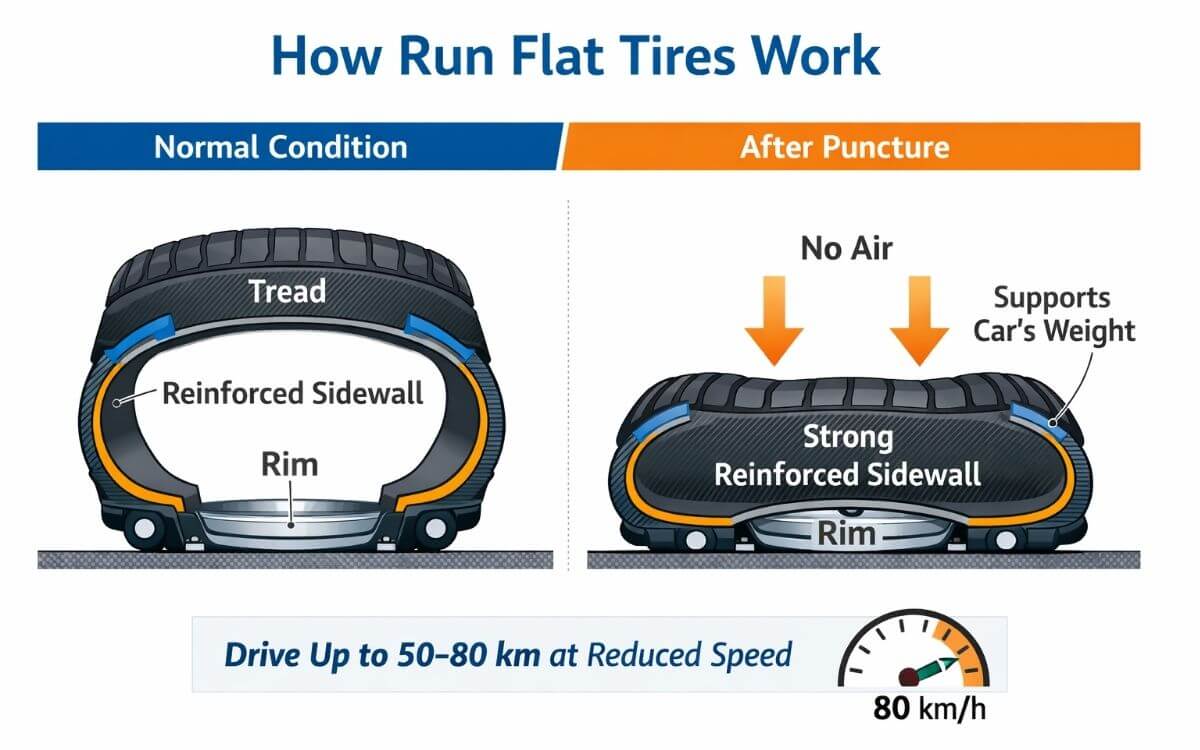
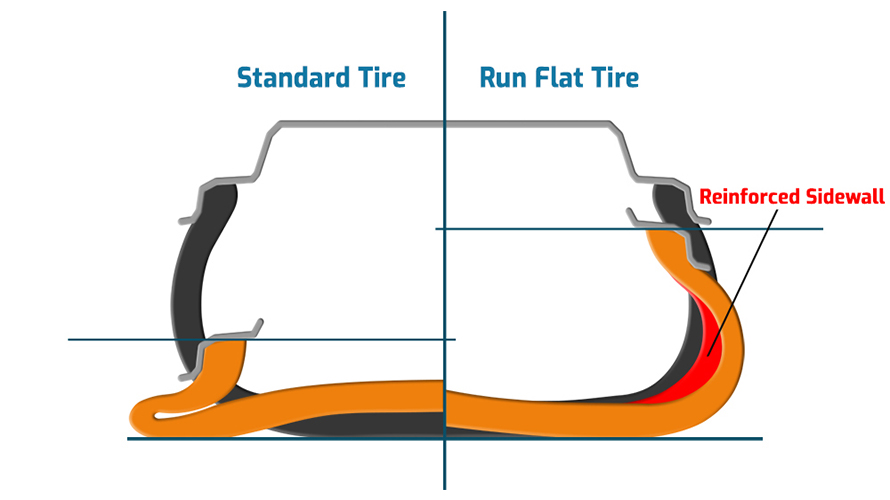
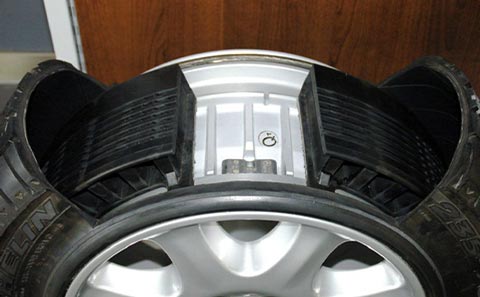
A run-flat tire has reinforced sidewalls or an internal support system that helps carry the vehicle’s weight after air pressure falls. A normal tire depends heavily on air pressure to hold its shape. A run-flat tire can keep enough structure to move at a controlled speed for a limited distance.
There are two common designs:
- Self-supporting run-flats: Reinforced sidewalls support the vehicle when air pressure drops.
- Support-ring systems: An internal ring or support device carries the load after deflation.
The first type is common on passenger vehicles in the United States. Run-flat tires usually require a working tire-pressure monitoring system, or TPMS, because a driver may not notice low pressure from the steering feel alone.
Run-flat tires do not let you drive normally forever. The sidewall can build heat as it flexes without air. That heat can damage the tire, even if the outside looks intact.
Why the tire can keep moving
A properly inflated tire uses air to support the vehicle and spread road forces. When the air escapes, a run-flat tire uses its stronger sidewall to maintain its shape.
That support comes with trade-offs:
- The ride may feel firmer.
- The tire may weigh more.
- Replacement tires can cost more.
- Handling may change after pressure loss.
- The tire may be unsafe to repair after driving while flat.
A run-flat tire buys time. It does not remove the need for inspection and replacement.
What should you do when the run-flat warning appears?
When the TPMS warning appears, reduce speed and find a safe place to stop. Do not wait until the tire looks flat or the vehicle begins to pull.
Follow these steps:
- Ease off the accelerator. Avoid hard braking or sudden steering.
- Turn on your hazard lights if you are moving slowly or stopping near traffic.
- Stay below the tire maker’s speed limit. If you do not know the limit, use 50 mph as an upper ceiling, not a goal.
- Avoid potholes, curbs, sharp turns, and hard acceleration.
- Stop in a safe location. A parking lot or wide shoulder is better than a narrow roadside.
- Check the tire pressure if you have a gauge. Do not crawl under the vehicle or enter traffic to inspect it.
- Call roadside assistance or drive to a tire shop if the tire appears damaged or the distance is uncertain.
If the tire has some air left, inflate it to the vehicle maker’s recommended cold pressure if you can do so safely. The correct pressure is usually listed on the driver’s door-jamb label, not on the tire sidewall.
Do not use a portable inflator to hide a serious failure. Inflation may help only when the tire has a small leak and no structural damage. A tire professional must inspect it.

When should you stop driving immediately?
Stop as soon as it is safe if the vehicle feels unstable, shakes, pulls sharply, or makes a loud thumping sound. These signs can mean the tire has suffered more damage than the run-flat system can support.
Do not continue driving if you notice:
- A cut, tear, bulge, or exposed cord
- The tire coming apart
- A damaged wheel or bent rim
- Strong vibration through the steering wheel
- Smoke or a burning smell
- Severe pulling to one side
- Repeated loss of control
- Contact between the tire and vehicle body
- A warning that remains after proper inflation
- A flat tire that has already traveled beyond its stated limit
A run-flat tire may look acceptable from the outside but still have internal damage. Sidewall flex can produce heat and weaken the tire’s internal structure.
If traffic makes stopping dangerous, continue only far enough to reach a safer location. Turn on your hazard lights and avoid sudden moves. Call 911 if you are stranded in an unsafe position on a busy road.
Can you drive faster than 50 mph on a run-flat tire?
You should not exceed the tire maker’s stated speed after pressure loss. For many passenger run-flat tires, that limit is 50 mph.
Speed increases heat. A tire with little or no air already produces more flex in the sidewall. Higher speed adds more heat and stress, which can cause rapid failure.
The posted speed limit does not change the tire’s emergency limit. If the highway speed is 65 or 70 mph, stay out of the fast lanes and slow down when safe. Use the shoulder only when necessary and legal, because it can contain debris and may expose you to passing traffic.
The safest choice is often a tow truck, especially when:
- The nearest tire shop is more than 50 miles away.
- The tire failed on a hot day.
- The vehicle carries a heavy load.
- You are towing a trailer.
- The road is rough or unpaved.
- The vehicle has a damaged wheel.
- The tire model’s limit is lower than 50 miles or 50 mph.
Can a run-flat tire be repaired?
A run-flat tire may be repairable if it lost air but was not driven while flat. Many tire makers do not allow repairs after the tire has been driven with low or zero pressure because internal damage may not be visible.
A tire shop should inspect the tire from the inside. A simple plug from the outside is not a proper inspection or a reliable repair for a punctured tire.
Repair may be possible when all of these conditions apply:
- The puncture is in the tread area.
- The puncture is within the repairable size set by the tire maker.
- The tire was not driven while severely underinflated.
- The tire has no sidewall or shoulder damage.
- The tire’s age and condition are acceptable.
- The repair follows accepted tire-industry procedures.
Replacement is usually required for sidewall damage, a large cut, bead damage, exposed cords, or internal heat damage. The exact rule depends on the tire manufacturer and the shop’s inspection.
Ask the technician whether the tire was driven underinflated. That detail can change the answer even when the puncture itself looks small.
Does every vehicle use the same run-flat distance limit?
No. The tire model and vehicle manufacturer control the limit. Two vehicles may use run-flat tires with different ratings, even when both tires carry the same brand name.
Your owner’s manual may specify:
- The maximum speed after pressure loss
- The maximum distance
- Whether the tire can be repaired
- Whether all four tires must match
- The correct replacement type
- Special rules for all-wheel-drive systems
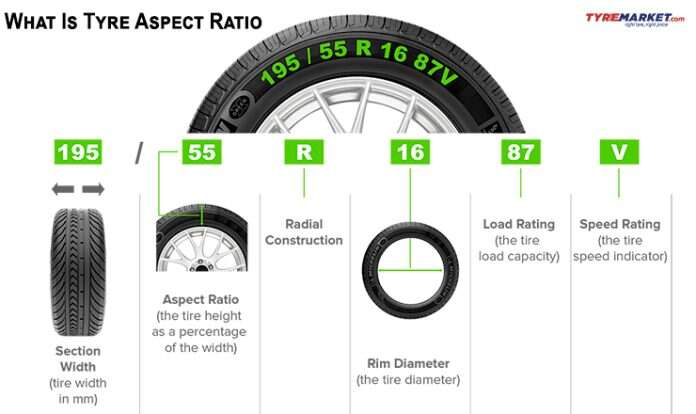
The tire sidewall identifies the tire size and construction, but it may not show every emergency-driving instruction. Look for the tire model’s owner information or contact the manufacturer.
Do not assume that a standard tire can replace a run-flat tire without checking the vehicle. The vehicle may have no spare tire, a suspension tuned for run-flats, or a TPMS system that needs a specific setup.
How do heat, load, and road conditions change the answer?
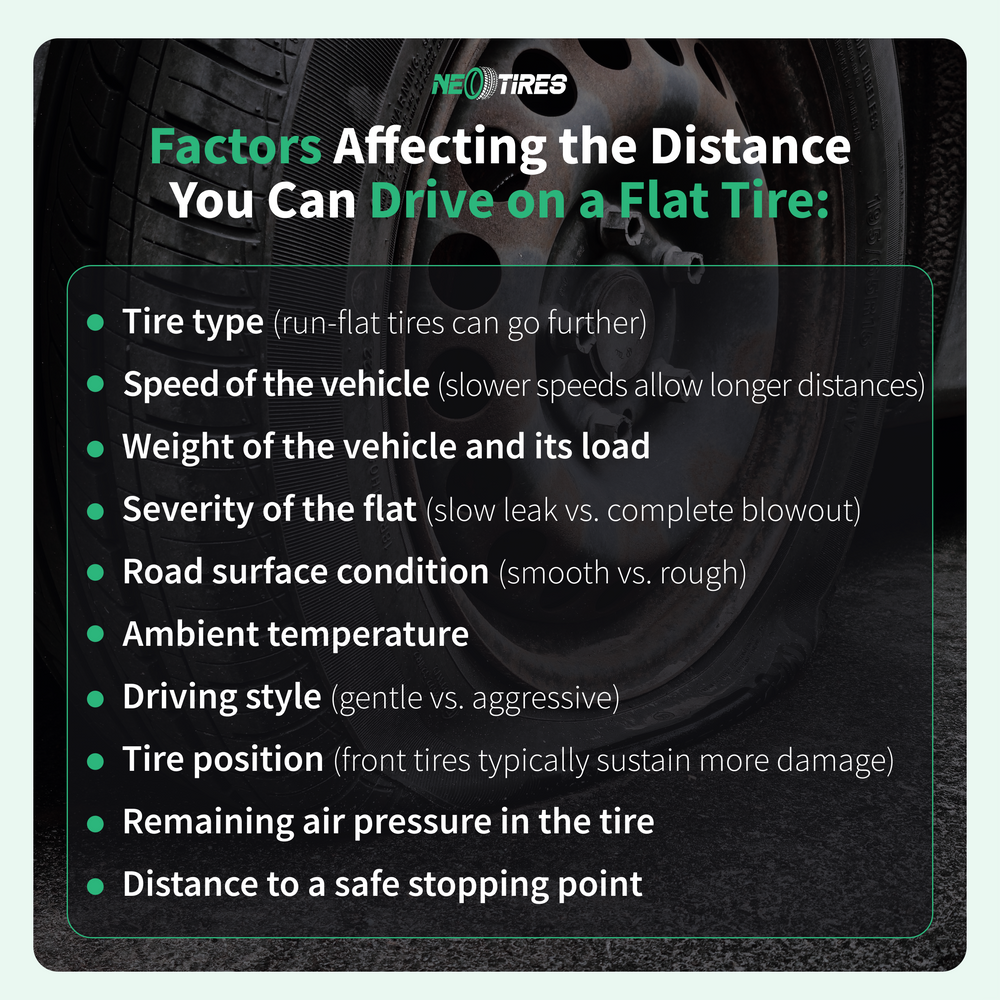
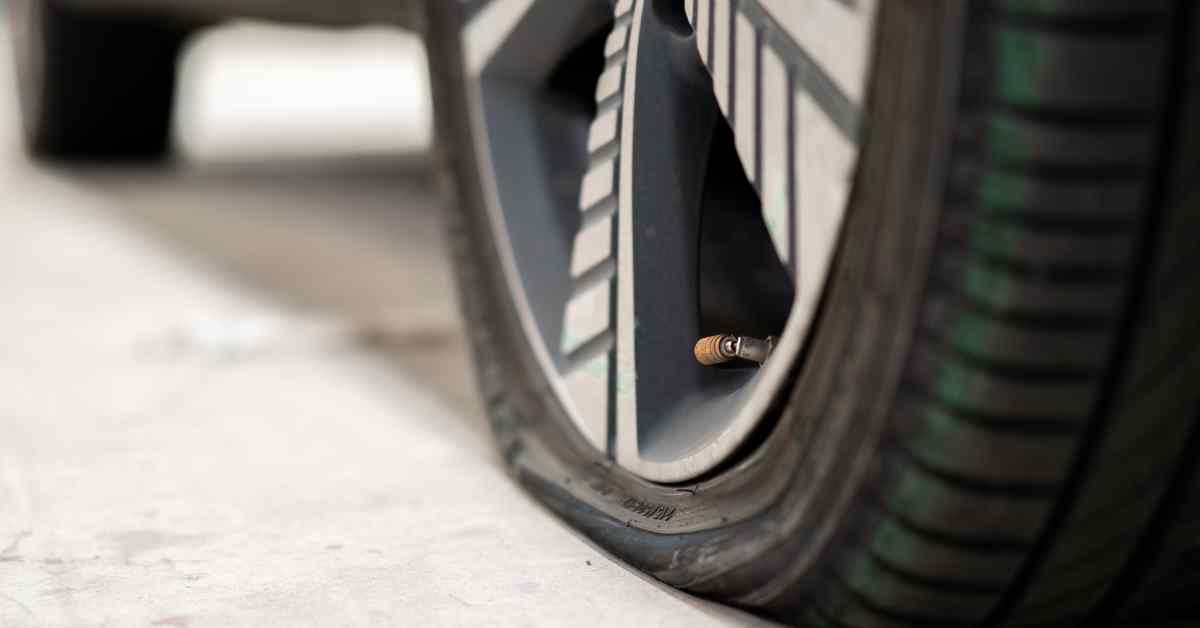
The 50-mile figure assumes controlled conditions. Real roads can be much harder on a deflated tire.
Heat
High temperatures make it harder for a tire to shed heat. A tire driven at high speed on a hot summer road may reach its limit sooner than one driven slowly in cool weather.
Vehicle load
Passengers, luggage, and cargo increase the load on the tire. Check the door-jamb label for the vehicle’s load limits. Do not exceed the tire’s load rating or the vehicle’s gross weight limits.
Road surface
Potholes, broken pavement, gravel, and sharp debris can damage a run-flat tire or wheel. Smooth roads are less stressful, but they do not make continued driving risk-free.
Driving style
Hard cornering, fast lane changes, heavy braking, and quick acceleration increase stress. Gentle steering and a steady, low speed give the tire its best chance of reaching a service location.
These factors do not add extra miles. They reduce the margin of safety.

Can you drive on a run-flat tire with zero pressure?
You may be able to drive a limited distance on some self-supporting run-flat tires with zero pressure, but only within the maker’s speed and distance limits. “Zero pressure” does not mean “no risk.”
A run-flat tire with no air can still suffer damage from:
- Excessive speed
- Heavy cargo
- Long-distance travel
- Sharp turns
- Road impacts
- Extreme heat
- A damaged wheel
If you do not know whether the tire is a true run-flat, do not drive on it after a pressure loss. Driving on a standard tire with zero pressure can destroy the tire and damage the wheel within a short distance.
Do not confuse run-flat capability with sealant products or temporary tire plugs. A sealant may slow a small puncture, but it does not give a standard tire run-flat performance.
What happens if you drive too far on a run-flat tire?
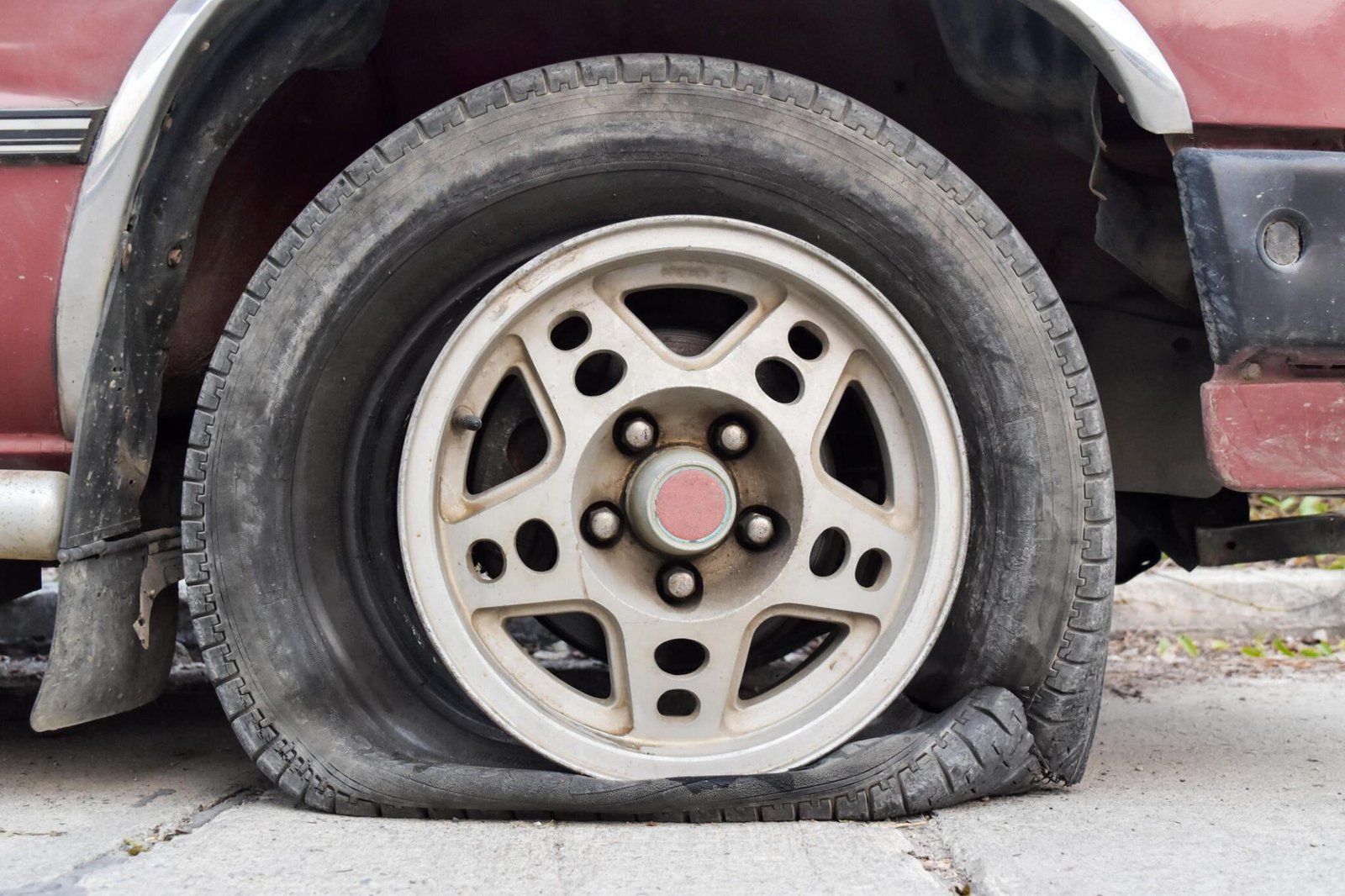
Driving beyond the stated limit can destroy the tire’s internal structure. The sidewall may separate, the tread may detach, or the tire may fail suddenly.
The wheel can also be damaged. Once the tire no longer protects the rim, impacts transfer more directly to the wheel. A damaged wheel may not hold air after a new tire is installed.
You may also lose control. A run-flat tire can have different grip and steering behavior after pressure loss. The vehicle may pull toward the failed tire or feel less stable in turns.
Even if the vehicle reaches a tire shop, the tire may no longer be safe to repair. In many cases, exceeding the limit turns a possible repair into a required replacement.
What should you check before buying replacement tires?
Before replacing a run-flat tire, confirm the vehicle’s required size, load index, speed rating, and construction. These details appear on the vehicle information label and the existing tire.
Check these points:
- Tire size matches the vehicle specification.
- Load index meets or exceeds the required rating.
- Speed rating meets the vehicle requirement.
- Run-flat construction is approved for the vehicle.
- All-wheel-drive requirements are followed.
- The TPMS system can be reset or relearned.
- The replacement tire has adequate tread and age.
- The shop checks wheel condition and alignment.
For an all-wheel-drive vehicle, replacing only one tire may cause differences in rolling circumference. That difference can stress the drivetrain or affect its control systems. The vehicle maker may require replacing two or four tires, or matching tread depth closely.
Do not mix run-flat and standard tires unless the vehicle manufacturer specifically permits it. Ask a qualified tire professional before making that change.
Common mistakes to avoid
The most common mistake is treating the emergency range as a normal driving range. A run-flat tire is designed to help you leave danger, not to let you finish a road trip.
Avoid these errors:
- Driving at normal highway speed after a pressure warning
- Assuming every run-flat tire has a 50-mile limit
- Ignoring the TPMS warning because the car still feels normal
- Using a tire plug without an internal inspection
- Repairing a sidewall puncture
- Continuing after vibration or smoke begins
- Replacing one tire without checking drivetrain requirements
- Resetting the TPMS without finding the cause
- Carrying more weight than the vehicle or tire allows
- Assuming a run-flat tire cannot fail suddenly
The correct next step is simple: slow down, stop safely, and verify the tire’s condition and limit.
Key takeaways
- Most passenger run-flat tires allow up to 50 miles at up to 50 mph after pressure loss.
- That is a general guideline, not a universal rule.
- Follow the tire model and vehicle manufacturer first.
- Drive only far enough to reach safety or a tire shop.
- Stop immediately for severe vibration, pulling, smoke, visible damage, or an unstable vehicle.
- A run-flat tire driven while flat may need replacement, even if the puncture looks repairable.
- Check all-wheel-drive and TPMS requirements before installing a replacement.
FAQs
Can I drive 100 miles on a run-flat tire?
Usually, no. Many run-flat tires have a maximum emergency range of about 50 miles at no more than 50 mph. Driving 100 miles could cause tire or wheel damage and may create a safety risk.
Can I drive on a run-flat tire for a week?
You should not use a damaged run-flat tire for normal trips. Have it inspected as soon as possible. A run-flat tire is an emergency mobility feature, not a substitute for a properly inflated tire.
Do run-flat tires need air?
Yes. Run-flat tires still need regular inflation. Air pressure supports the tire, improves handling, limits heat, and helps the tire last longer. Check pressure at least monthly and before long trips, when the tires are cold.
Can a run-flat tire get a flat?
Yes. A nail, cut, impact, valve problem, or wheel damage can cause a run-flat tire to lose air. The difference is that its reinforced design may let you travel a limited distance after the loss.
Should I replace all four run-flat tires?
Not always. The answer depends on tread wear, vehicle design, tire matching, and whether the vehicle uses all-wheel drive. Follow the vehicle maker’s instructions and have a tire professional measure the remaining tread.
What if my run-flat tire warning goes away?
Do not assume the problem is fixed. Check the pressure with a gauge and inspect the tire. Temperature changes can alter pressure, and a slow leak may return. Reset the TPMS only after correcting the pressure and finding the cause.
Conclusion
A run-flat tire can usually take you about 50 miles at no more than 50 mph after a major pressure loss, but the exact limit belongs to the tire and vehicle manufacturer. Treat that distance as an emergency maximum, not a travel plan.
Slow down, avoid hard maneuvers, and stop for inspection as soon as possible. If the tire shows damage, the vehicle feels unstable, or the service location is beyond the approved range, call for roadside assistance instead of continuing.