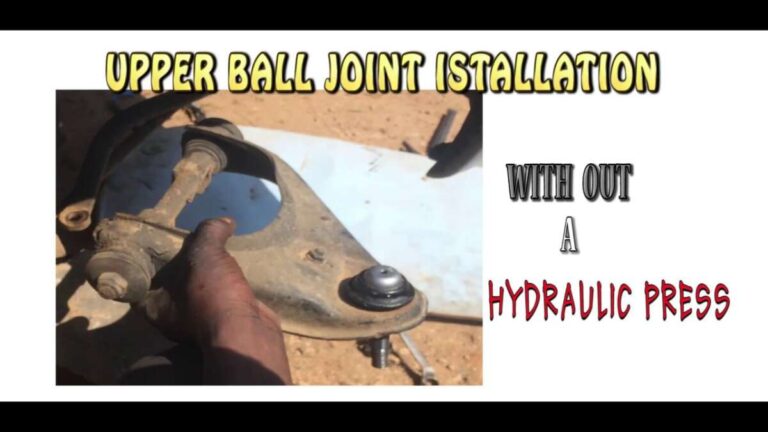
How Long Can You Drive With A Loose Ball Joint: Safety Tips
A loose ball joint is not safe to drive on for any planned distance. It may last for miles, or it may fail during the next turn, stop, or pothole. Because no one can predict the remaining life from a symptom alone, the safest choice in the United States is to stop driving, park on level ground, and have the vehicle towed for inspection.
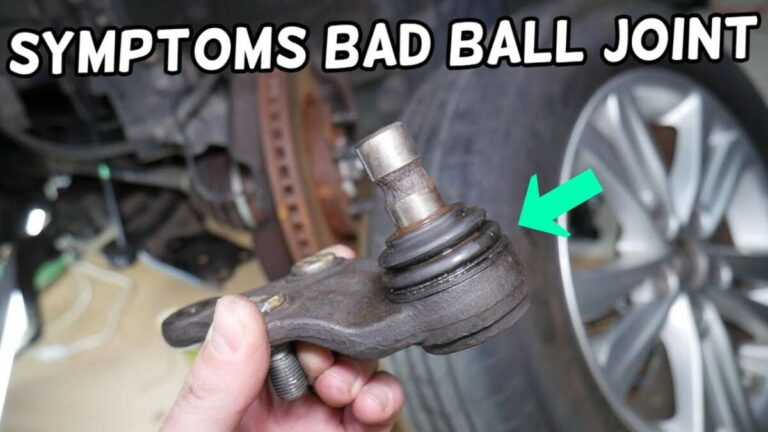
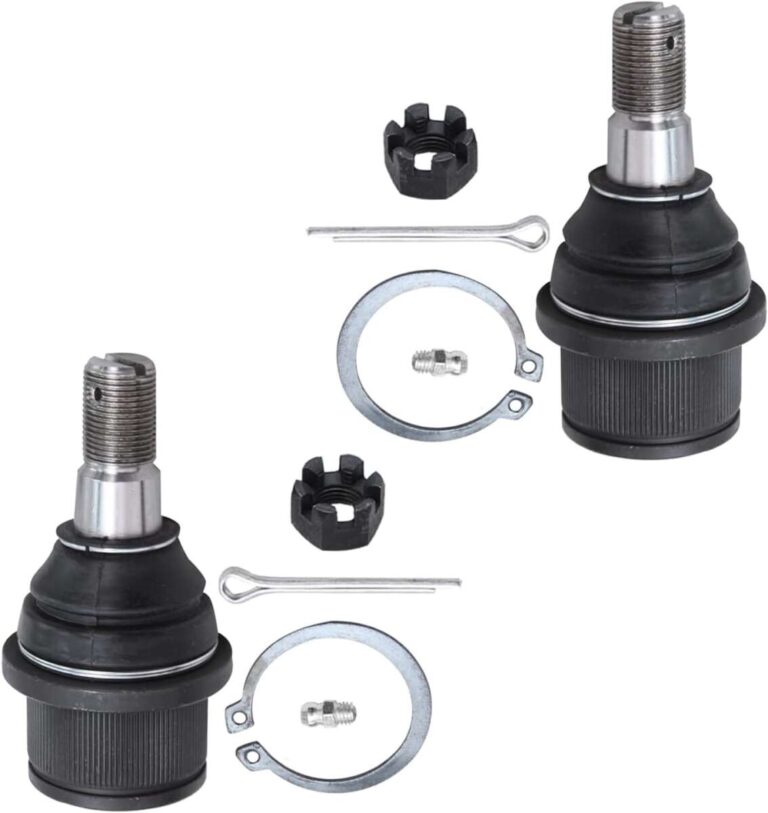
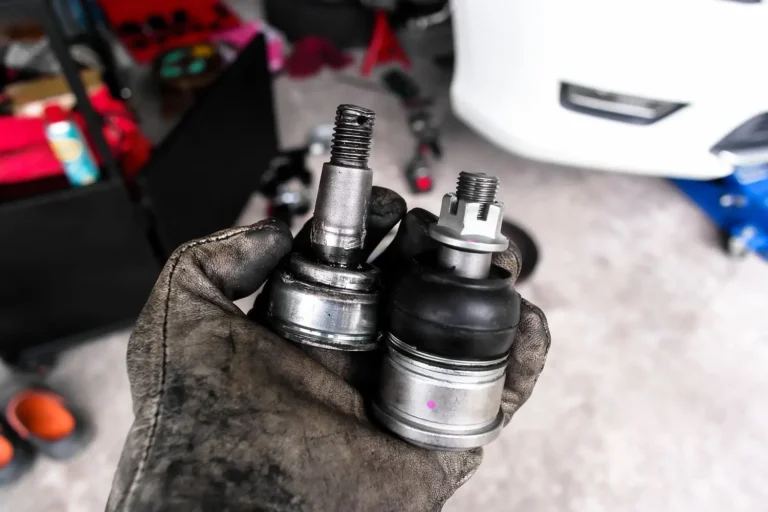
A ball joint connects the steering knuckle to the control arm. It lets the wheel move up and down with the suspension while also turning left and right. If the joint becomes badly worn or separates, the wheel can move out of position or fold under the vehicle. That can cause sudden loss of steering control, tire damage, or a crash.

Can you drive with a loose ball joint?
No. You should not drive with a confirmed loose ball joint except to move the vehicle a very short distance to prevent immediate danger, such as moving it out of traffic.
Even a small amount of play can worsen under:
- Braking
- Hard cornering
- Pothole impacts
- Rough roads
- Heavy loads
- Towing
- Sudden steering input
There is no reliable mileage estimate for a loose ball joint. The remaining life depends on the joint’s design, the amount of wear, the location of the play, road conditions, vehicle weight, and whether the joint has lost its grease or protective boot.
A mechanic may describe a joint as “slightly loose,” but that phrase does not create a safe driving distance. Ask the shop:
- Which ball joint is loose?
- How much movement was measured?
- Is the looseness within the vehicle maker’s limit?
- Is the joint worn, damaged, or separating?
- Can the vehicle be driven safely, or should it be towed?
If the technician confirms that the joint is outside the manufacturer’s limit, repair it before driving normally.
Why failure can be sudden
A ball joint usually wears gradually. Its failure may not be gradual, though.
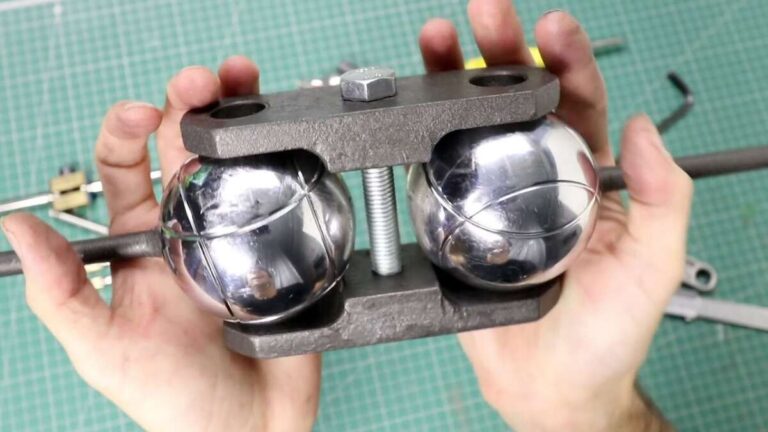
The joint contains a ball and socket. The ball moves inside the socket and carries suspension and steering loads. As the socket, stud, liner, or retaining parts wear, the wheel may gain unwanted movement. If the stud pulls out or the housing breaks, the suspension can collapse at that corner.
The vehicle may still feel normal shortly before failure. That is why a quiet test drive does not prove that a loose joint is safe.
Is it safe to drive to a repair shop?
In most cases, towing is the safer option. Do not drive to the shop if you notice any of these signs:
- The wheel leans inward or outward
- The steering wheel suddenly sits off-center
- The vehicle pulls strongly
- A wheel shakes or wobbles
- You hear a loud clunk during turns
- The tire rubs on the fender or suspension
- The steering feels loose
- The joint has separated or the control arm has dropped
- The vehicle has suffered a severe pothole or crash impact
If the vehicle is blocking traffic, you may move it only as far as needed to reach a safer location. Use hazard lights and avoid speed. Do not treat that emergency move as a trip to the repair shop.

What does a loose ball joint feel like?
A loose ball joint can cause clunks, vague steering, uneven tire wear, or a wandering feel. These symptoms are not unique to ball joints, so a proper inspection is needed before choosing a repair.
Common symptoms include:
Clunking over bumps
A worn joint may make a dull knock when the wheel travels over a bump or driveway edge. The sound may be more noticeable at low speed.
Other parts can make a similar noise, including:
- Sway bar links
- Control-arm bushings
- Tie-rod ends
- Strut mounts
- Wheel bearings
- Loose brake hardware
Loose or wandering steering
The vehicle may need frequent steering corrections. It may drift after bumps or feel less precise than usual.
This can also result from:
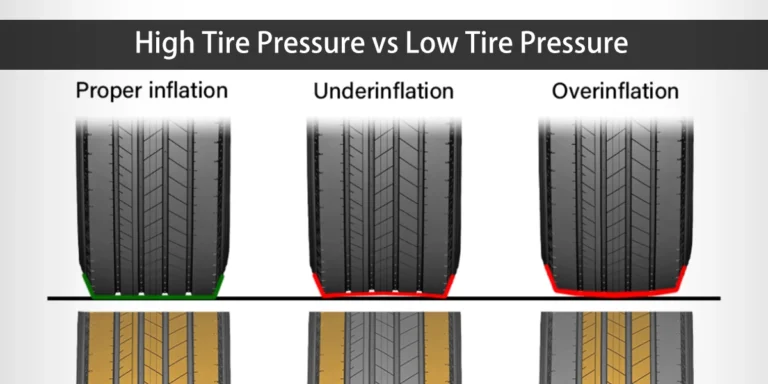
- Incorrect tire pressure
- Poor wheel alignment
- Worn tie rods
- Worn control-arm bushings
- A damaged tire
- A bent wheel
- Rear suspension problems
Uneven tire wear
A damaged ball joint can change the wheel’s camber or toe angle. Those changes may wear the inside or outside edge of a tire.
Uneven wear does not prove that the ball joint is bad. Alignment, tire pressure, worn bushings, and bent suspension parts can produce the same pattern.
Steering-wheel vibration
A loose joint can allow the wheel to move as the suspension loads and unloads. The vibration may appear during braking, acceleration, or travel over rough pavement.
Wheel imbalance, a bent wheel, a bad tire, and a worn wheel bearing are also common causes.
Visible movement or damage
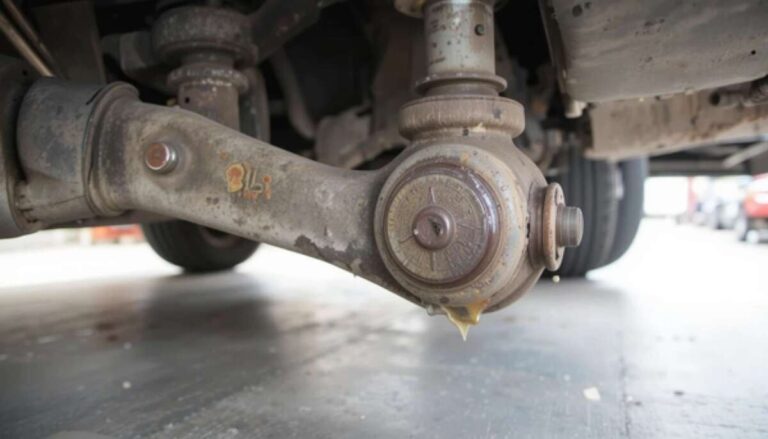
A cracked or split dust boot can allow water and dirt into the joint. Grease may leak out. Rust, missing hardware, or a joint that visibly shifts during an inspection are serious findings.
Do not place any part of your body under a vehicle supported only by a jack. A professional shop should inspect the joint with the vehicle supported correctly.
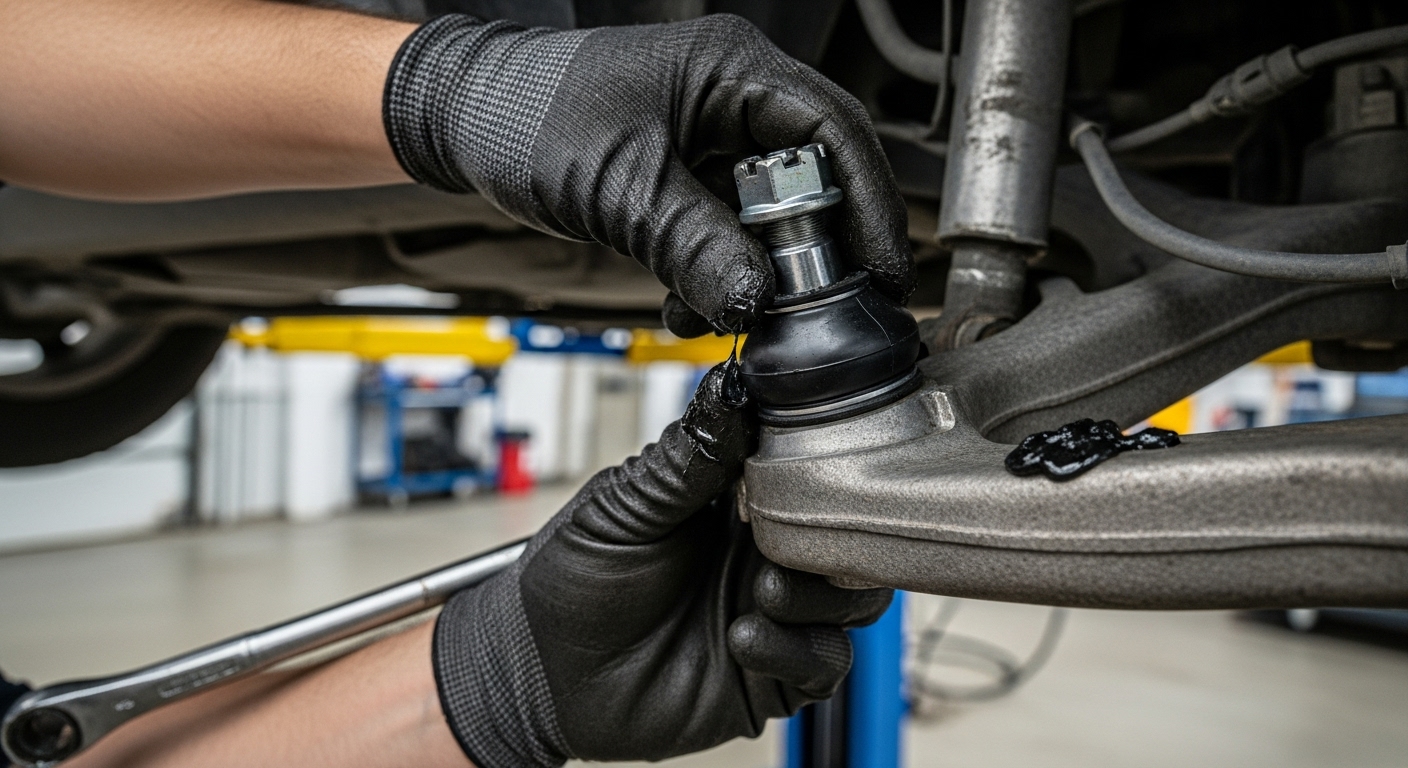
How serious is a loose ball joint?
The seriousness depends on the amount and location of play, but any confirmed looseness deserves prompt attention. A lower ball joint can be especially serious because it may carry major suspension loads, although upper and lower joints can both affect steering and wheel control.
A loose joint can lead to:
- Unstable wheel alignment
- Accelerated tire wear
- Damage to the control arm or steering knuckle
- Damage to brake hoses or wiring
- Loss of steering control
- Suspension collapse
- A wheel folding under the vehicle
The risk is higher when the joint is badly worn, the retaining hardware is damaged, the dust boot is torn, or the wheel position has changed.
A worn boot is not the same as a loose joint
A torn dust boot does not always mean that the ball joint is already loose. It does mean that contamination may have entered and lubricant may have escaped.
Some ball joints can be serviced with new grease and a boot, but many modern joints are sealed and must be replaced as an assembly. The correct repair depends on the vehicle design and the manufacturer’s service information.
Noise is not a safety rating
A quiet ball joint can still have excessive play. A noisy ball joint may have a problem in a different suspension part.
Noise can help a technician find the fault, but sound alone cannot determine how long the vehicle can be driven.
A recall may change the repair path
Search the vehicle identification number, or VIN, through the official National Highway Traffic Safety Administration recall database at NHTSA.gov/Recalls. A recall may provide a free repair for an eligible safety defect.
A recall search does not replace an inspection. It also does not cover every worn or damaged ball joint.

How a mechanic checks a ball joint
A qualified technician checks ball-joint play while following the vehicle maker’s inspection method. The method varies by suspension design, so a basic home test cannot replace a service-manual inspection.
A typical inspection may include:
- Checking the tire, wheel, steering, and suspension for visible damage.
- Looking for a torn boot, leaking grease, rust, or missing hardware.
- Supporting the vehicle at the correct suspension points.
- Checking vertical and horizontal movement.
- Comparing measured play with the manufacturer’s limit.
- Separating ball-joint movement from wheel-bearing or tie-rod movement.
- Inspecting related parts before recommending repair.
Some vehicles require a special loading method. On one design, the suspension must hang freely. On another, the suspension must remain loaded. A test that is correct for one vehicle may give a false result on another.
Why the common “rock the wheel” test can mislead
A person may lift a wheel and grasp it at the 12 and 6 o’clock positions. Movement can suggest a ball-joint problem, but it can also come from a wheel bearing or another part.
Grasping the wheel at 3 and 9 o’clock may help reveal steering-linkage play, but it is not a complete test. Some worn ball joints show little movement by hand, while some vehicles use designs that require a specific inspection tool.
Use home checks only as a warning sign. Do not use them to approve a long drive.

What should you do if your ball joint is loose?
If you suspect a loose ball joint, follow a safe sequence rather than testing the vehicle on the road.
1. Stop driving when it is safe
Park away from moving traffic. Avoid turning the steering wheel sharply or rolling over curbs.
If the wheel looks crooked, the suspension has dropped, or the tire is rubbing, do not move the vehicle under its own power.
2. Arrange a tow
Tell the towing company that the vehicle may have a suspension or steering failure. A flatbed tow truck may be appropriate, especially if the wheel cannot roll normally or the suspension is damaged.
Follow the vehicle manufacturer’s towing instructions. Do not attach a tow strap to a ball joint, tie rod, control arm, or other part unless the manufacturer specifically permits that location.
3. Request a complete front-end inspection
Ask the repair shop to inspect:
- Both ball joints
- Control arms and bushings
- Tie-rod ends
- Wheel bearings
- Steering knuckles
- Struts or shocks
- Sway bar links
- Brake hoses and wiring
- Tires and wheels
- Wheel alignment
A joint may be only one part of a larger suspension problem.
4. Confirm the repair recommendation
Before authorizing work, ask whether the repair requires:
- A ball-joint replacement
- A complete control-arm replacement
- New retaining hardware
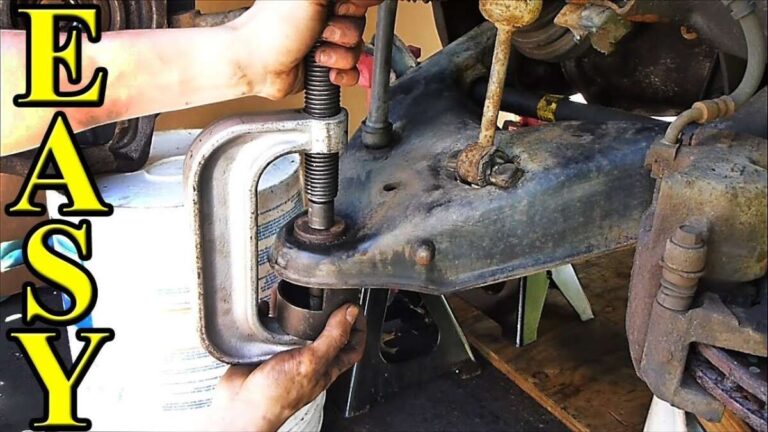
- A pressed-in or bolted-in joint
- Alignment after the repair
- Replacement of a damaged tire or wheel
Some vehicles use a ball joint that is integrated into the control arm. Replacing the whole control arm may be the approved repair, while other vehicles allow the joint to be replaced separately.
5. Get an alignment when required
Ball-joint work can alter wheel alignment. The need for an alignment depends on the vehicle and the work performed, but the shop should check alignment after suspension repairs.
A new joint does not correct a bent steering knuckle, damaged control arm, or worn tire.
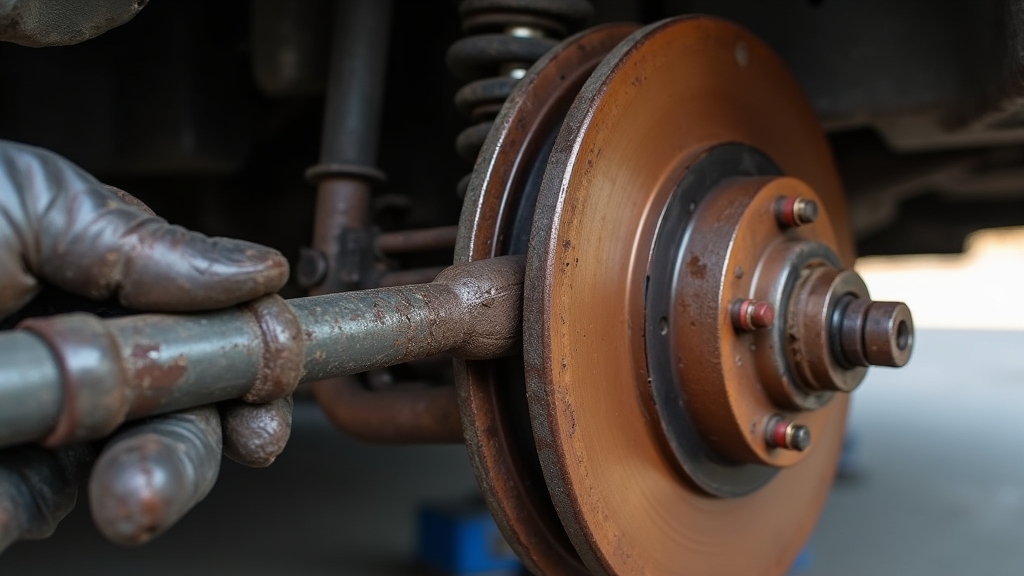
How far can you drive with different levels of ball-joint wear?
There is no universal distance table because “loose” can mean different things. The table below gives a safety response, not a mileage prediction.
| Condition | Safe driving response |
|---|---|
| Suspected problem with no inspection | Avoid unnecessary driving; schedule an inspection soon |
| Boot torn but no confirmed play | Have it inspected promptly; do not assume it is safe for a long trip |
| Measurable play within the manufacturer’s limit | Follow the technician’s specific advice and repair plan |
| Play beyond the manufacturer’s limit | Do not drive normally; tow it |
| Visible wheel movement, bent wheel, or changed wheel position | Do not drive; tow it |
| Joint separated or suspension collapsed | Do not drive; use a flatbed or suitable recovery method |
A mechanic who has inspected the vehicle can account for details that a general article cannot, such as the exact joint design, measured movement, and condition of the surrounding parts. If you cannot obtain that assessment, treat a confirmed loose joint as unsafe to drive.
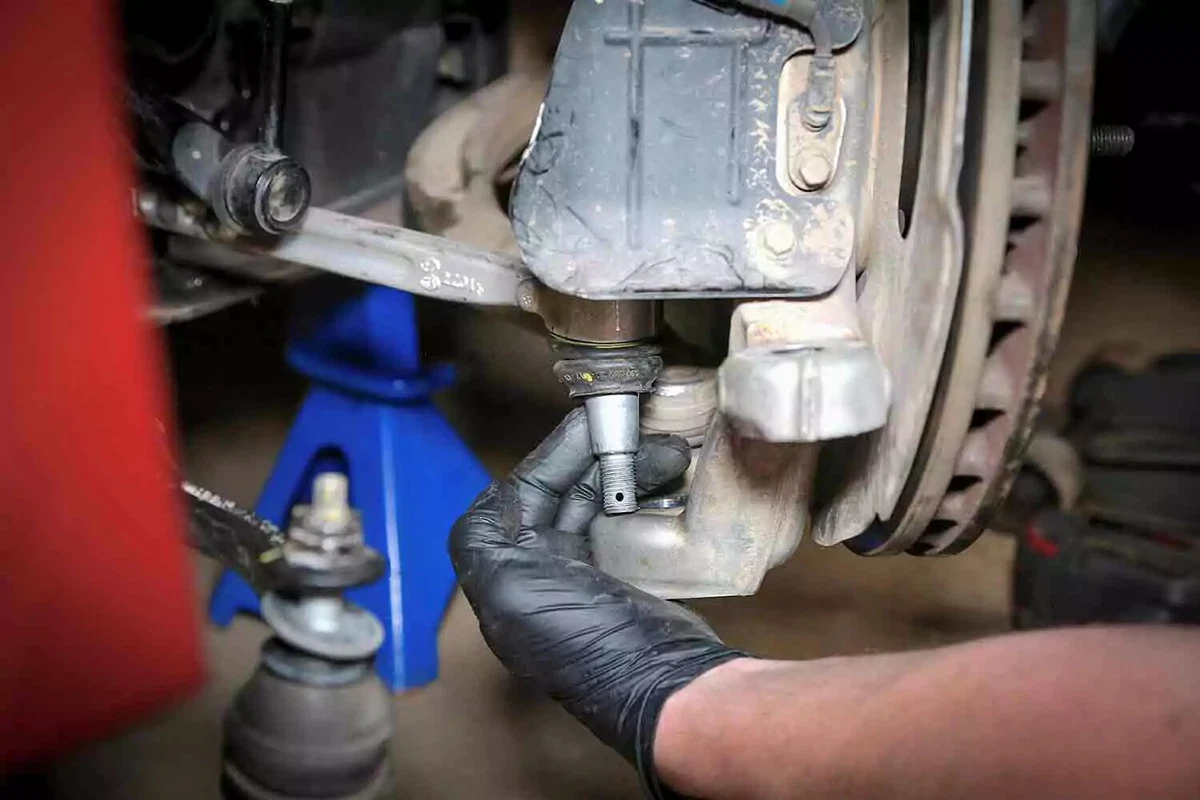
Ball joint repair cost and what affects it
The repair price varies widely across the United States. Labor rates, vehicle design, parts quality, rust, and local taxes can all change the final bill.
The total may include:
- Diagnostic inspection
- One or more ball joints
- A complete control arm
- Replacement bolts or nuts
- Pressing or removal work
- Tire replacement
- Wheel alignment
- Towing
- Additional damaged suspension parts
Replacing both sides is not always required. A shop should explain why it recommends one side or both sides. The opposite joint may be the same age, but it should still be inspected rather than replaced automatically.
Ask for a written estimate that separates parts, labor, alignment, and any additional damage. If the shop says the vehicle is unsafe, ask the technician to show you the measured play or damaged part when practical.

Common mistakes to avoid
Several choices can turn a manageable suspension repair into a dangerous road event.
Do not rely on a mileage estimate
A statement such as “it should last another 500 miles” is not a dependable safety judgment without a documented inspection and vehicle-specific limit.
Do not replace only the noisy part without a diagnosis
Ball-joint noise can come from several suspension parts. Replacing the wrong part wastes money and leaves the actual fault in place.
Do not use grease as a permanent fix
Adding grease may reduce noise on a serviceable joint, but it cannot restore worn metal, a damaged bearing surface, or a failed retaining part.
Do not tighten random suspension hardware
Some fasteners require a specific torque, angle, or replacement procedure. Incorrect tightening can damage parts or allow them to loosen.
Do not crawl under a car held by a jack
Use proper lifting points and rated jack stands. Better still, leave suspension inspection and repair to a trained technician with the right equipment.
Do not ignore the tires after suspension damage
A loose joint can alter tire contact and alignment. Inspect the tire for cuts, bulges, exposed cords, unusual wear, or sidewall damage before returning the vehicle to the road.

Frequently asked questions
Can a loose ball joint cause a tire to fall off?
It can contribute to a wheel or suspension collapse, but the exact failure depends on the vehicle and the damaged parts. A separated ball joint may allow the wheel to fold outward or inward, which can cause loss of control and damage to the tire, brake system, or fender.
Can you drive with a bad upper ball joint?
You should not drive with a confirmed bad upper ball joint. Upper and lower ball joints both help locate the steering knuckle. The risk depends on the suspension design and the amount of play, so use the manufacturer’s limit and a technician’s inspection rather than the joint’s position alone.
Can a loose ball joint affect alignment?
Yes. Excessive movement can change the wheel’s position while the vehicle moves. This may cause uneven tire wear, pulling, or an off-center steering wheel. An alignment may be needed after the joint and any related damaged parts are repaired.
Does a loose ball joint always make noise?
No. A worn joint can have excessive play without a clear clunk. Noise is only one symptom and cannot show whether the joint is safe.
Should you replace one ball joint or both?
Replace the failed joint or assembly identified by the inspection, unless the vehicle maker’s procedure or the technician’s findings support replacing both. The other side should be checked for matching wear, but it should not be replaced solely because one side failed.
Can you pass a state safety inspection with a loose ball joint?
Requirements vary by state and inspection program. A safety inspection result does not replace a repair decision, and a vehicle that passes one check may still develop a problem later. Check your state’s official inspection rules and have any confirmed excessive play repaired.
Bottom line
You cannot safely predict how long a loose ball joint will last. A confirmed joint with excessive play should be treated as a safety-critical suspension problem, not as a routine noise that can wait for a convenient trip.
Stop driving when safe, arrange a tow, and have the vehicle inspected against the manufacturer’s specifications. After repair, check related suspension parts, tire condition, and alignment before returning to normal driving.