Signs Of Bad Ball Joints On Truck: Warning Signs
Bad ball joints can make a truck feel loose, noisy, or hard to control. Common signs include clunking over bumps, uneven tire wear, wandering steering, a crooked steering wheel, and play in the wheel when it is lifted.
A worn ball joint can fail without much warning. That can let the steering knuckle move out of position and, in severe cases, cause a wheel to fold under the truck. This guide applies to trucks sold and driven in the United States, including pickup trucks used for daily driving, towing, off-road use, and heavy loads.

What Is a Ball Joint?
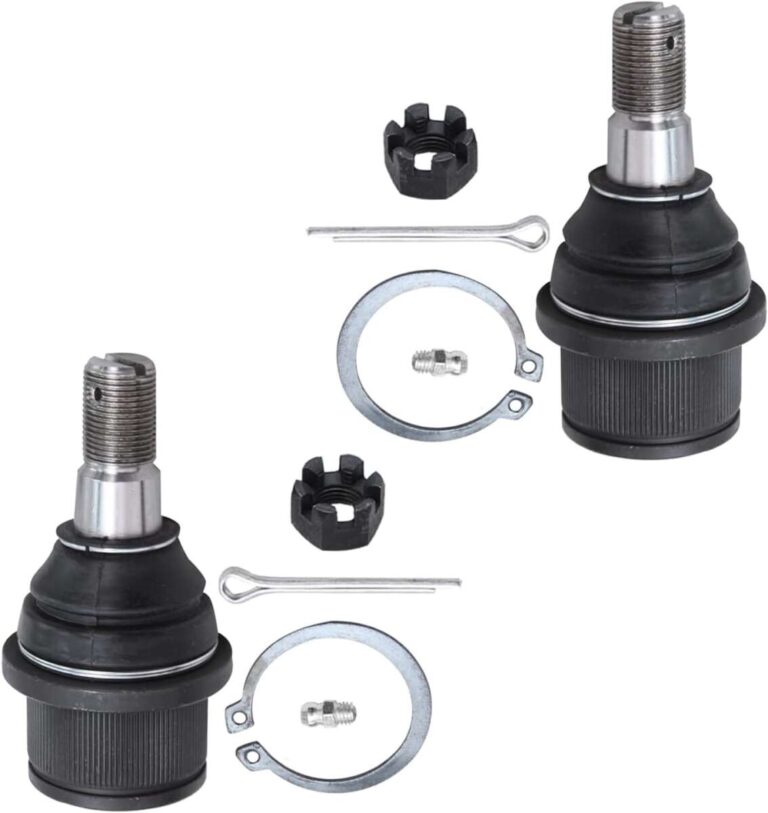
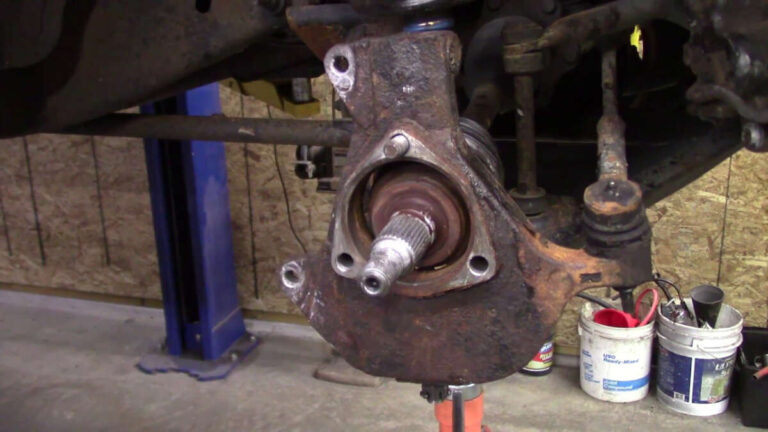
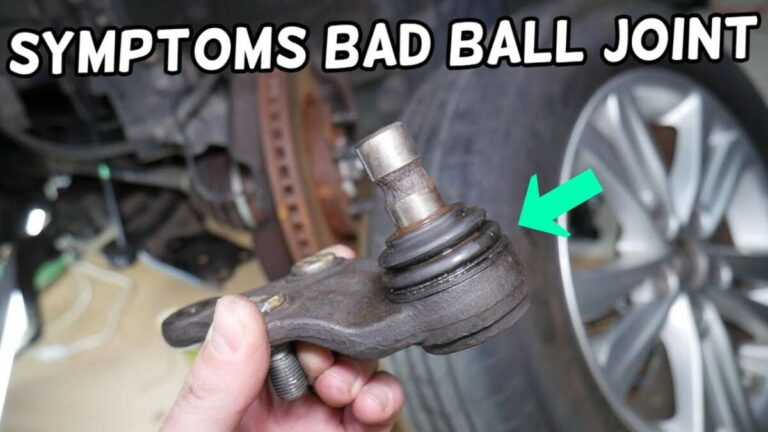
A ball joint is a pivot that connects the steering knuckle to a control arm. It works much like a hip joint. The joint lets the wheel move up and down with the suspension while also turning left and right with the steering.
Many trucks have:
- An upper ball joint
- A lower ball joint
- A control arm or steering knuckle
- A ball-and-socket design
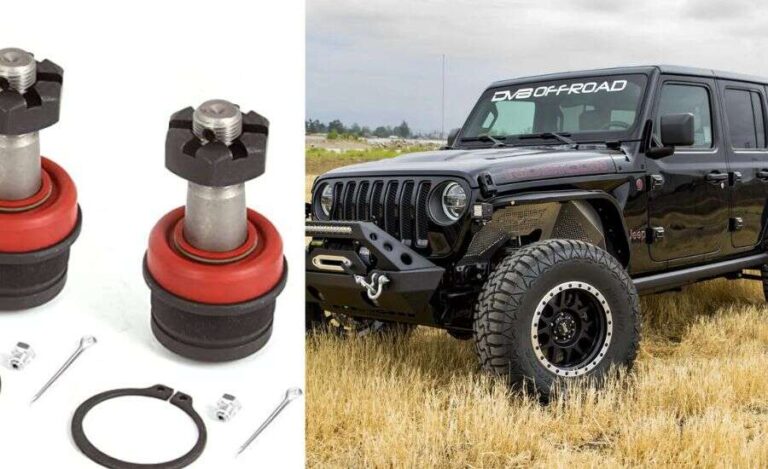
- A grease fitting on some replacement joints
The lower ball joint often carries much of the front-end load, but the exact design varies by truck. Some trucks use a coil spring on the lower control arm. Others place the spring on the upper control arm or use a torsion bar.
Ball joints wear because of age, high mileage, road salt, dirt, water, heavy loads, towing, off-road driving, and damaged protective boots. A torn boot lets grease escape and allows grit and water to enter the joint.
A small amount of movement may be normal on some designs. The correct limit depends on the truck, joint type, and service manual. Do not judge a ball joint by a generic measurement from another vehicle.
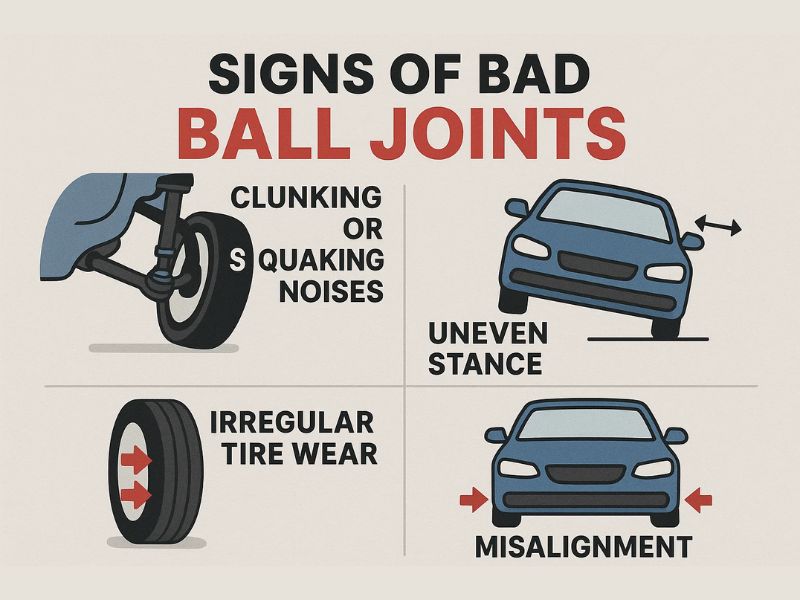
Common Signs of Bad Ball Joints on a Truck
The most useful signs are changes in steering, tire wear, suspension noise, and wheel movement. One symptom alone does not prove that a ball joint is bad, because several front-end parts can cause similar problems.
1. Clunking or knocking over bumps
A worn ball joint may make a dull clunk when the truck travels over:
- Potholes
- Speed bumps
- Rough gravel
- Railroad crossings
- Uneven driveways
The sound may come from one front corner. It may also occur when braking, accelerating, or changing direction.
A clunk can also come from a sway bar link, control arm bushing, tie rod, strut mount, shock absorber, or loose hardware. The location and movement of the noise matter.
2. Loose or wandering steering
A bad ball joint can allow the steering knuckle to shift. You may feel that the truck:
- Wanders across the lane
- Needs constant steering correction
- Feels loose on the highway
- Pulls or changes direction over bumps
- Does not track straight
Tire pressure, alignment, worn tie rods, steering gear problems, and damaged control arm bushings can cause the same feeling.
3. Steering wheel vibration
A worn joint may contribute to vibration through the steering wheel. The vibration may be worse when:
- Driving over rough roads
- Braking
- Turning
- Traveling at highway speed
A bent wheel, unbalanced tire, tire separation, worn wheel bearing, or brake problem is also possible. Do not assume a steering vibration is a ball joint fault.
4. Uneven or rapid tire wear
A worn ball joint can change the wheel’s alignment while the truck moves. This may cause:
- Wear on the inside edge of a tire
- Wear on the outside edge
- Feathered tread
- A cupped or scalloped pattern
- Different wear on the left and right tires
Tire wear can also result from incorrect alignment, low tire pressure, worn shocks, bent suspension parts, or poor tire balance. Check tire pressure before drawing a conclusion.
5. A crooked steering wheel
A steering wheel that sits off-center while the truck drives straight may point to an alignment problem. A bad ball joint can cause that problem, but so can:
- A bent tie rod
- A worn control arm
- A pothole impact
- A shifted alignment setting
- Unequal tire pressure
An alignment should follow the repair of a worn ball joint. Aligning the truck before repairing loose parts may not solve the problem.
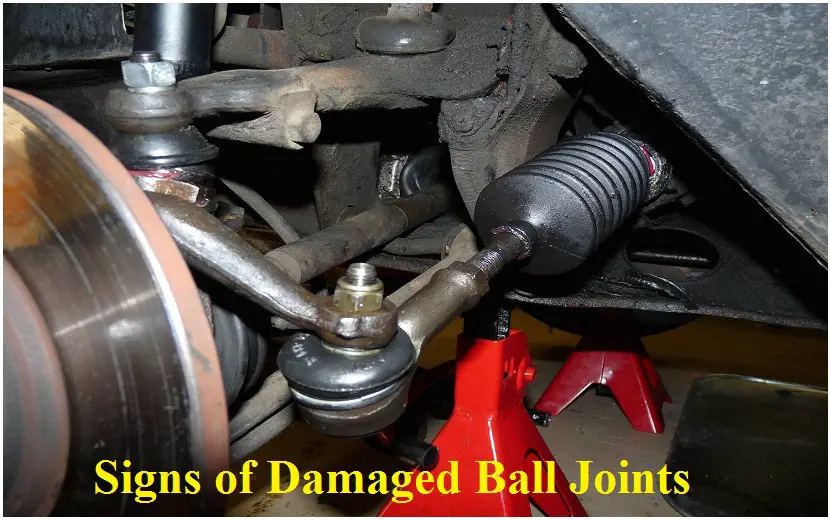
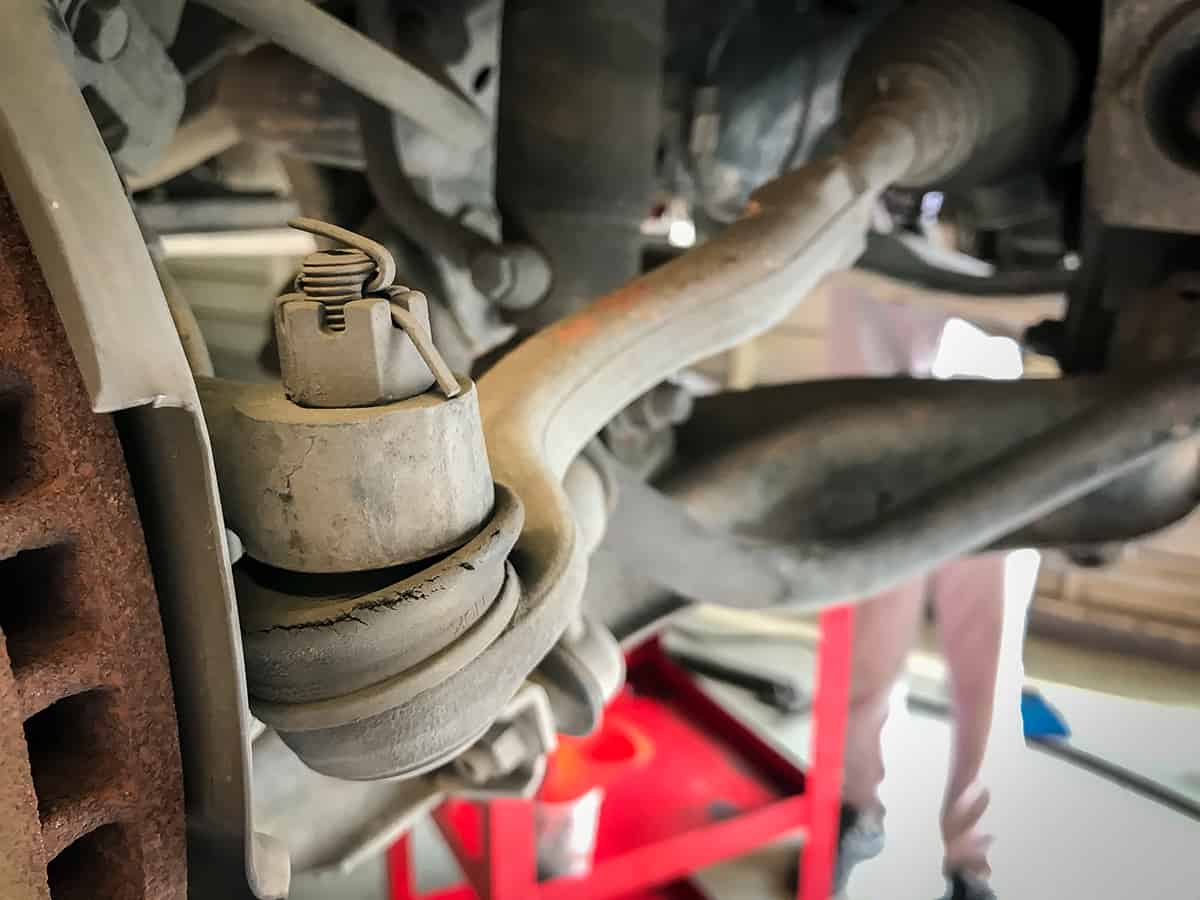
6. Visible damage to the ball joint boot
Look for a rubber boot that is:
- Torn
- Cracked
- Split
- Missing
- Wet with leaked grease
- Packed with dirt around the opening
A damaged boot is a warning sign, but it does not always prove that the joint has excessive play. A joint may still feel tight after the boot fails, yet it can wear quickly once contamination enters.
7. Grease around the joint
Grease leaking from the boot may show that the seal has failed. Some grease may also appear after improper lubrication, so the source must be confirmed.
Do not pump grease into a sealed joint unless the manufacturer designed it for service. Over-greasing can damage the boot.
8. A truck that sits unevenly
A bad ball joint does not usually act as a spring. It may not directly cause one side of the truck to sag. However, worn suspension parts, a broken spring, a damaged control arm, or a shifted joint can make the truck appear uneven.
Measure ride height only after checking tire pressure and parking on level ground.
9. A clicking sound during turns
Clicking while turning is more often linked to a constant-velocity axle joint on a four-wheel-drive or all-wheel-drive truck. Still, a ball joint can make noise during steering if it has severe wear.
Inspect the full front suspension instead of replacing a ball joint based only on a turning noise.
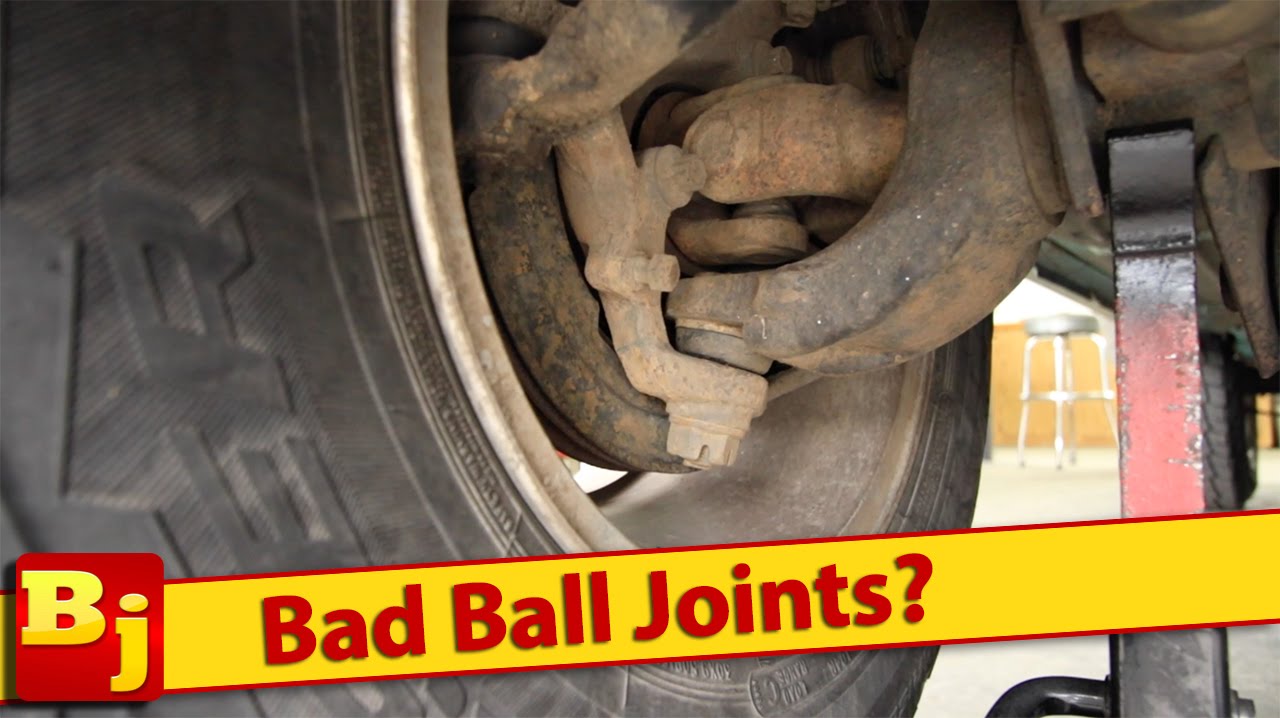
How to Check Truck Ball Joints Safely
A visual check and a wheel-play check can help find a problem. They cannot replace the truck’s service procedure. Different suspension layouts require different test methods.
What you need
Prepare:
- A level, hard surface
- Wheel chocks
- A floor jack rated for the truck
- Heavy-duty jack stands rated for the truck
- A flashlight
- A pry bar
- A helper
- The correct service information for the truck
Never work under a truck supported only by a jack. Set the parking brake, chock the wheels, and support the frame or the approved lift points.
Step 1: Read the service procedure
Find the factory or trusted repair manual for the exact:
- Model year
- Make
- Model
- Cab and bed style
- Two-wheel-drive or four-wheel-drive system
- Front suspension design
The manual may specify where to lift the truck, where to place the stands, and how to measure joint play.
Step 2: Inspect the boots and fasteners
With the truck safely supported, use a light to inspect both front ball joints.
Look for:
- Torn boots
- Missing snap rings
- Loose nuts
- Damaged studs
- Rust or dirt inside the joint area
- Contact marks near the joint
- Fresh grease in the wrong place
Also inspect control arm bushings, tie rods, sway bar links, wheel bearings, and shock absorbers. A front-end inspection should cover the complete system.
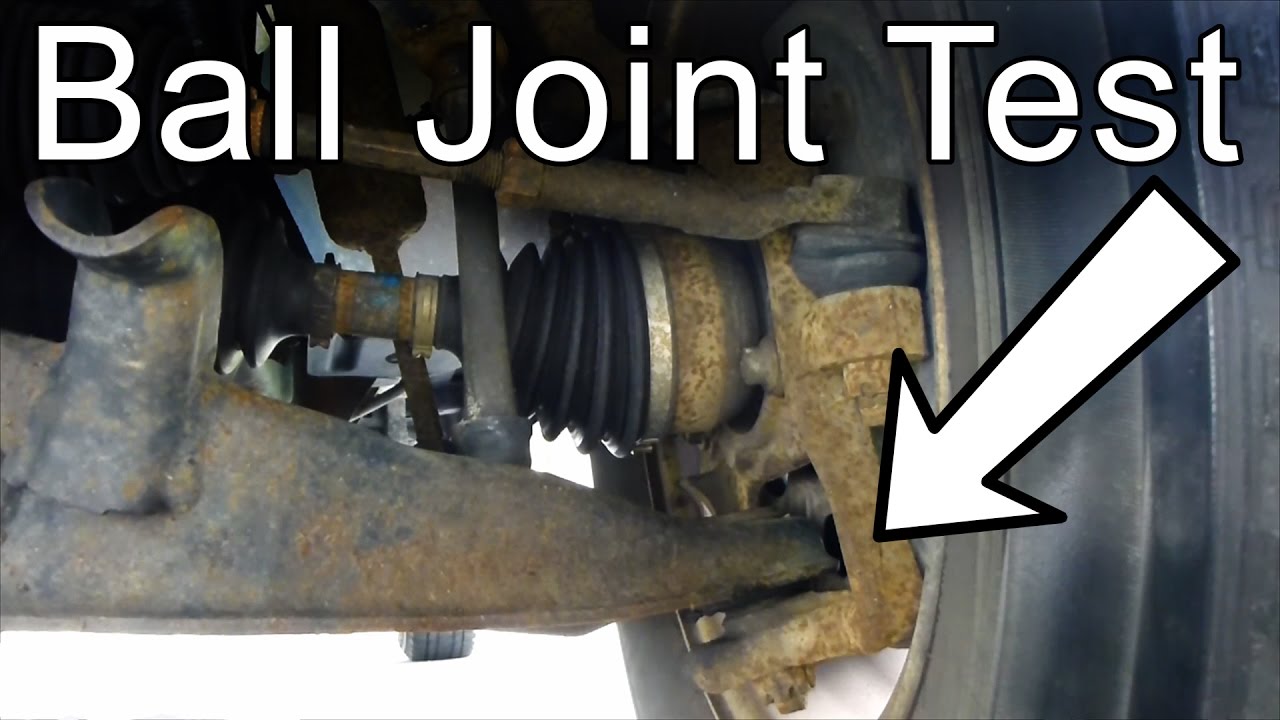
Step 3: Check for wheel movement
On many trucks, you can hold the tire at the 12 o’clock and 6 o’clock positions and rock it in and out.
Excess movement may come from:
- A ball joint
- A wheel bearing
- A steering knuckle
- A bent suspension part
Ask a helper to watch the ball joint while you move the wheel. Movement at the joint is more useful than movement at the tire alone.
Some trucks need the suspension loaded for a valid check. Other designs need the wheel hanging free. Follow the vehicle-specific procedure.
Step 4: Separate ball-joint movement from wheel-bearing movement
A helper can place a hand on the ball joint while the wheel is rocked. If the joint moves inside its socket, that points toward joint wear.
You can also repeat the check while applying the brake pedal. If movement is reduced with the brake applied, a wheel bearing may be involved. This is only a clue, not a final diagnosis.
Step 5: Use a pry bar only when the design allows it
A pry bar can reveal vertical movement at a ball joint. Use care around brake hoses, wiring, boots, and aluminum parts.
Do not force the suspension far beyond its normal travel. Do not pry against a thin dust shield or a part that can bend.
Step 6: Watch the joint while someone turns the steering wheel
With the truck safely supported and the engine off, have a helper turn the steering wheel slightly from side to side. Watch for:
- A delay before the wheel responds
- A visible shift at the joint
- A knock
- Movement between the stud and socket
Do not place hands near pinch points. Keep the engine off unless the service procedure requires otherwise.
Step 7: Compare both sides
The opposite side can provide a useful visual comparison. However, do not assume both sides have the same wear. One side may be damaged by a pothole or may carry more load.
The correct decision comes from measured play, visible damage, and the manufacturer’s limit.
Ball Joint Symptoms vs. Other Front-End Problems
Several worn parts can feel like bad ball joints. A quick comparison can help you choose the next inspection.
| Symptom | Possible ball-joint cause | Other common causes |
|---|---|---|
| Clunk over bumps | Loose or worn joint | Sway bar link, shock, control arm bushing |
| Wheel play at 12 and 6 o’clock | Ball-joint wear | Wheel bearing, knuckle damage |
| Wandering steering | Joint allows alignment change | Tie rod, steering gear, alignment |
| Inside tire wear | Wheel angle changes | Bad alignment, low tire pressure |
| Clicking on turns | Severe joint movement | CV axle joint, tire contact |
| Vibration at speed | Loose front-end part | Tire balance, bent wheel, tire defect |
| Pulling while braking | Suspension movement | Brake caliper, tire, alignment |
| Grease near the wheel | Torn joint boot | CV axle boot, tie rod boot |
The key point is simple: a symptom identifies a system, not always one part. A complete inspection prevents unnecessary parts replacement.
Can You Drive a Truck With a Bad Ball Joint?
Do not continue normal driving if a ball joint has confirmed excessive play, a damaged stud, a broken boot with severe wear, or a loud clunk with visible movement.
A severely worn joint can separate. If that happens, the steering knuckle may move away from the control arm. The wheel can tilt, the tire can contact the body, and the truck may lose steering control.
Consider towing the truck when:
- The wheel leans noticeably
- The steering feels very loose
- The joint makes a heavy knock
- The wheel has clear movement
- The truck pulls sharply
- A ball-joint stud or nut is damaged
- The tire rubs after a suspension change
A truck with a minor boot tear and no measurable play may not require an immediate tow, but it needs prompt inspection. The repair decision must follow the truck’s service limits.
Heavy towing, a loaded bed, rough roads, and highway travel increase the cost of a failure. Do not treat a worn ball joint as a harmless noise.

How Ball Joints Are Repaired or Replaced
A worn ball joint may be replaceable by itself, or it may be part of a complete control arm assembly. The correct repair depends on the truck.
A technician may need to:
- Confirm the failed joint.
- Support the suspension safely.
- Remove the wheel and related parts.
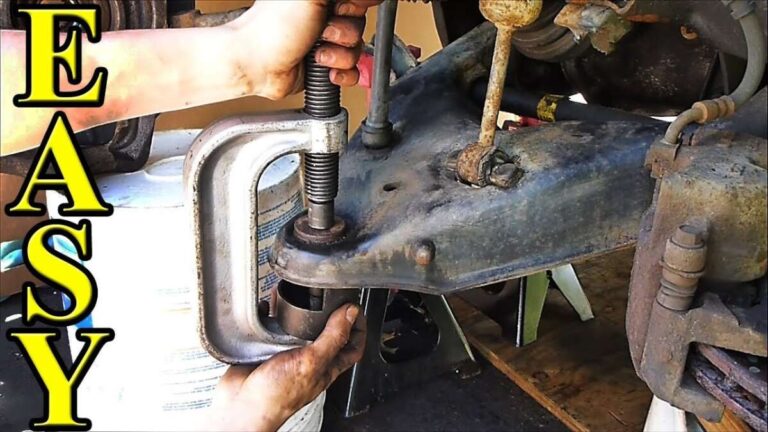
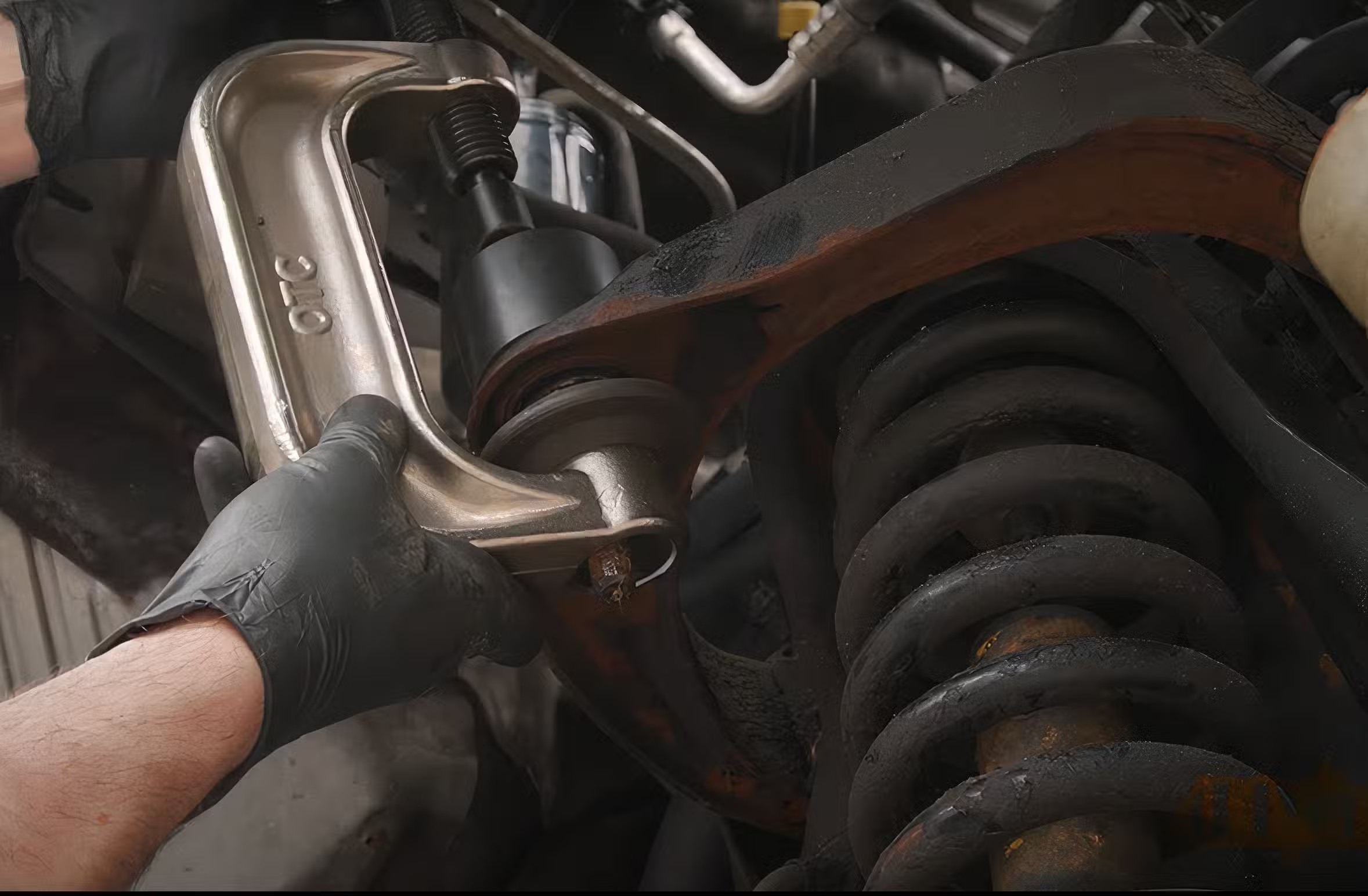
- Separate the ball joint from the steering knuckle.
- Press out the old joint if the control arm allows it.
- Install the new joint in the correct direction.
- Replace damaged hardware, clips, or boots.
- Tighten fasteners to the manufacturer’s torque values.
- Check the other front-end parts.
- Perform a wheel alignment when required.
Some ball joints are riveted into the control arm. These may require drilling or grinding the rivets before installation. Others are pressed in with special tools. A replacement control arm may be faster, but it can cost more and may include bushings that are not needed.
Use the correct part for the exact truck. Suspension parts can differ by engine, payload rating, drive system, and production date.
After the repair, the truck may need an alignment. This is especially likely when the ball joint affects camber or caster. The steering wheel should sit straight, and the tires should show no abnormal movement or wear.

Common Mistakes When Diagnosing Ball Joints
Replacing a joint based only on a noise
A noise does not identify the failed part. Inspect the joint and test for movement before buying parts.
Using a generic play limit
A small amount of movement may be acceptable on one truck and excessive on another. Use the service data for the exact vehicle.
Checking only the lower joint
Inspect the upper and lower joints, if fitted. Also check tie rods, wheel bearings, control arms, and sway bar links.
Working under a truck held by a jack
A jack can move or lose pressure. Use properly rated jack stands on solid support points.
Forgetting the wheel bearing
A loose wheel bearing can create movement that looks like ball-joint wear. Compare the movement with the brake applied and inspect the bearing directly.
Ignoring the tire
A separated tire, bent wheel, or incorrect tire pressure can cause vibration and pulling. Check the tire before blaming the suspension.
Skipping the alignment
A new ball joint does not correct every alignment problem. Measure and align the truck after the repair when the service procedure calls for it.
Reusing damaged hardware
Some ball-joint nuts, cotter pins, and fasteners are one-time-use parts. Follow the repair manual rather than reusing damaged or stretched hardware.

When Should You Ask a Professional for Help?
Ask a qualified technician to inspect the truck when you cannot safely support it, cannot identify the source of movement, or do not have the correct service information.
Professional help is especially wise when:
- The ball joint is pressed into the control arm
- The suspension uses torsion bars
- The truck has a heavy-duty front axle
- The joint has separated
- The steering wheel has major play
- The truck has been in a collision
- The front suspension has aftermarket parts
- The vehicle is used for towing or commercial work
A professional inspection should identify the failed part, measure or compare the movement, check related components, and explain whether the truck is safe to drive.

FAQs About Bad Ball Joints on Trucks
How long do truck ball joints last?
There is no fixed service life for every truck. Mileage, road salt, towing, payload, suspension design, lubrication, and driving conditions all affect wear. Inspect them when symptoms appear and during routine front-end service.
Can a bad ball joint cause a tire to wear on the inside?
Yes. A worn joint can allow the wheel angle to change, which may cause inside-edge wear. Alignment problems, low tire pressure, worn control arm bushings, and bent parts can cause the same pattern.
Can a bad ball joint cause death wobble?
A worn ball joint can contribute to severe front-end shake, including a violent steering oscillation on some solid-axle trucks. It is not the only possible cause. Track bars, tie rods, wheel bearings, steering dampers, tires, and alignment must also be checked.
Is a torn ball-joint boot an automatic replacement?
Not always. A torn boot means the joint has lost protection. If the joint has no play and the design permits a boot replacement, a technician may replace the boot. If dirt or water has entered, replacing the complete joint is often the safer repair.
Should both ball joints be replaced at the same time?
Replace both when the service inspection shows that both are worn or when the manufacturer’s repair procedure calls for it. Do not replace a good joint only because the joint on the other side failed, unless the condition and repair plan support that choice.
Does a truck need an alignment after ball-joint replacement?
Often, yes. A ball joint can affect camber, caster, and steering position. Check the alignment after repair, especially if the truck pulls, the steering wheel is off-center, or the old tire wear was uneven.
Key Takeaways
- Clunks, loose steering, uneven tire wear, and wheel play can point to bad ball joints.
- A torn boot is a warning sign but does not alone prove excessive wear.
- Wheel bearings, tie rods, tires, bushings, and alignment problems can create similar symptoms.
- Use the service procedure for the exact truck.
- Never work beneath a truck supported only by a jack.
- Do not drive normally with severe play, a leaning wheel, or a damaged joint.
- Check alignment after repairs when required.
Conclusion
The clearest signs of bad ball joints on a truck are visible joint damage, measurable play, steering looseness, clunking, and tire wear that matches a changed wheel angle. Because other front-end parts can cause similar symptoms, confirm the source before replacing anything.
Start with a visual inspection and a safe movement check. If the joint has excessive play or the truck feels unsafe, stop driving it and arrange a professional inspection or tow.