
Most car inspections take 30 to 90 minutes, but complex checks may require several hours.
Knowing how long a car inspection takes helps you plan your day, avoid surprise delays, and prepare the right documents. The time depends on the inspection type, your vehicle’s condition, the testing station, and your state’s rules. This guide explains what happens during an inspection, how to save time, and what to do if your car fails.
How long does a car inspection take?
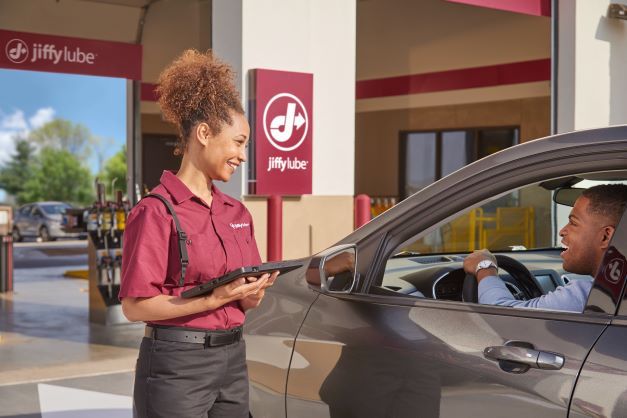
A standard car inspection usually takes 30 to 60 minutes. A state safety inspection may take closer to 90 minutes if the technician checks many systems or finds a problem.
A vehicle emissions test can be much faster. In many locations, the test itself takes 15 to 30 minutes. However, the full visit may take longer because of paperwork, waiting, or a busy inspection station.
A pre-purchase inspection is more detailed. It often takes one to two hours because the technician checks the engine, transmission, brakes, suspension, tires, electrical parts, and signs of accident damage.
Here is a simple time guide:
• Basic emissions test: 15 to 30 minutes
• Standard safety inspection: 30 to 60 minutes
• Safety and emissions inspection: 45 to 90 minutes
• Pre-purchase vehicle inspection: 1 to 2 hours
• Full diagnostic inspection: 2 to 4 hours or more
These are typical ranges, not guarantees. A clean, newer car may move through the process quickly. An older car with warning lights, worn tires, or leaks can take much longer.

What happens during a car inspection?
The inspection process varies by state and shop. Still, most inspections follow a similar path. The technician checks whether the vehicle is safe, legal, and working within required limits.
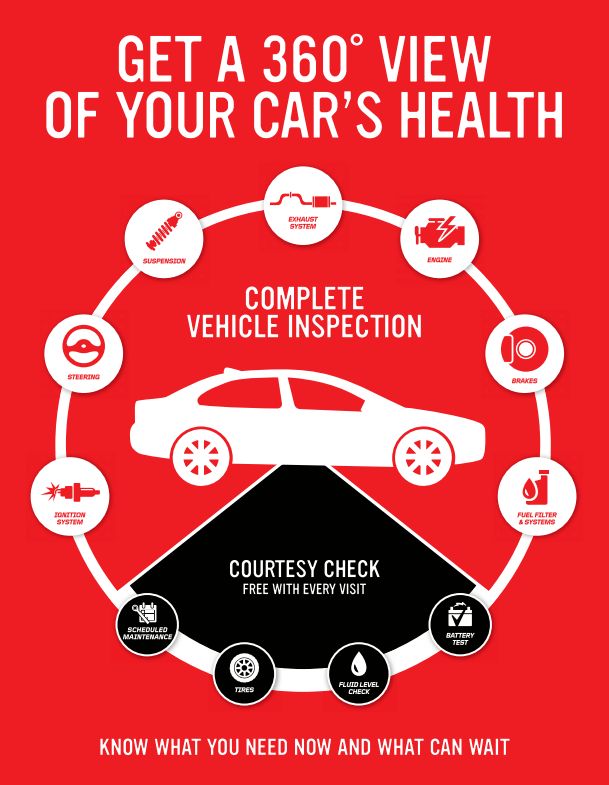
A typical inspection may include the following:
• Confirming the vehicle identification number, or VIN
• Checking the registration and inspection documents
• Testing the headlights, brake lights, turn signals, and hazard lights
• Inspecting the tires for tread wear, damage, and proper inflation
• Checking the brakes, brake lines, and parking brake
• Examining the steering and suspension parts
• Looking for fluid leaks or damaged components
• Testing the horn, windshield wipers, mirrors, and seat belts
• Checking the exhaust system and emissions equipment
• Connecting a scan tool to read diagnostic trouble codes
The technician may also test the gas cap, onboard emissions system, or exhaust output. Some states use an emissions dynamometer, which measures emissions while the vehicle runs at different speeds.
In my experience observing routine service visits, the inspection often slows down when a technician finds a small issue that needs a closer look. A loose light bulb may take only a few minutes to fix, while a brake or suspension concern may require lifting the vehicle and removing a wheel.

What factors affect inspection time?
The answer to “how long does a car inspection take” depends on more than the inspection checklist. Several practical factors can add time to your visit.
Inspection type
A basic emissions test is usually short. A full safety inspection covers more parts and takes longer. A pre-purchase inspection is the most detailed because it evaluates the vehicle’s current condition and possible future repair needs.
Vehicle age and condition
Older vehicles often need more inspection time. Rust, worn parts, fluid leaks, and past repairs can make some areas hard to access.
A newer car may still take longer if it has warning lights or electronic faults. Modern vehicles use many control modules, cameras, and sensors. A technician may need extra time to test these systems.
State requirements
Each state sets its own inspection rules. Some states require safety inspections. Others focus mainly on emissions. A few states do not require routine inspections for most private vehicles.
Your local motor vehicle agency or official inspection program is the best source for current rules. Requirements can also differ by county, vehicle age, fuel type, and model year.
Waiting time
The inspection itself may take 45 minutes, but the full appointment can take longer. A busy station may have a line of cars before yours.
Scheduling an appointment can help. Arriving early, bringing the correct documents, and choosing a less busy time can also reduce delays.
Repairs found during the test
A failed inspection can become a repair visit. For example, replacing a windshield wiper is quick, but repairing an exhaust leak may take several hours.
Ask the shop whether it will inspect the vehicle first and call you before making repairs. This simple step helps you control the cost and the time.
How long does a state safety inspection take?
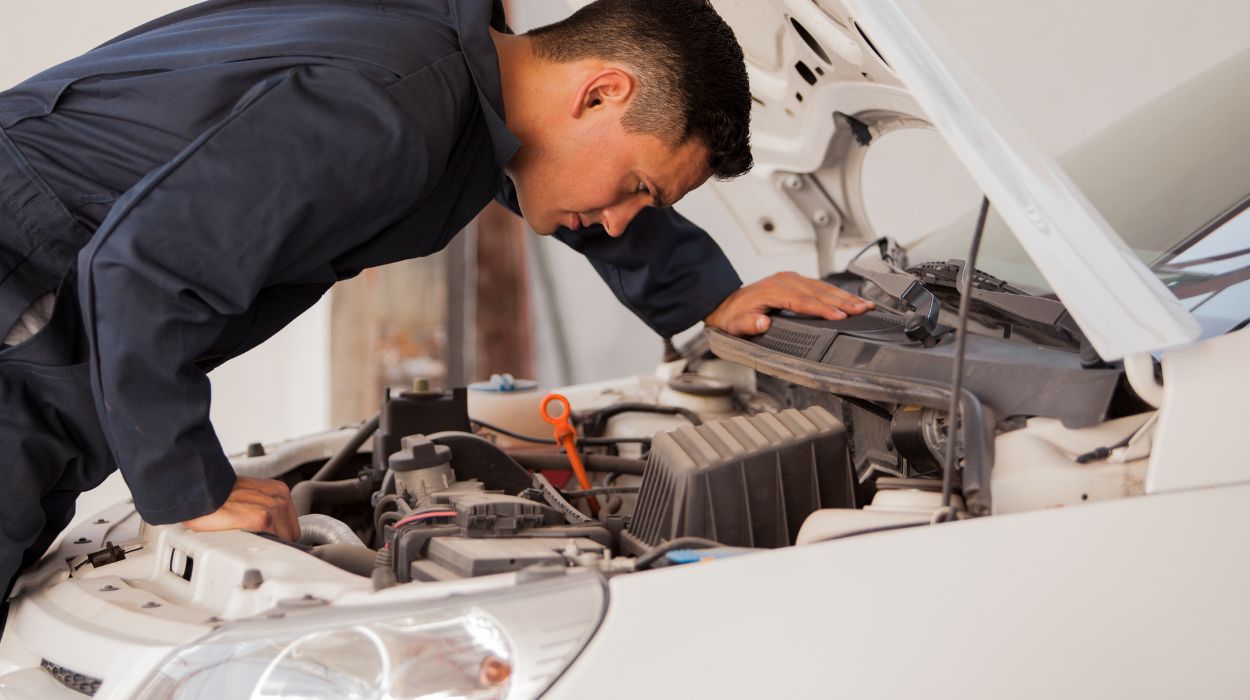
A state safety inspection commonly takes 30 to 60 minutes. It may take up to 90 minutes if the shop has a detailed checklist or finds a safety issue.
The technician usually checks equipment that affects safe driving. This includes brakes, tires, steering, suspension, lights, glass, mirrors, seat belts, and the exhaust system.
Some inspections also include a road test. During the drive, the technician may look for unusual braking, steering, vibration, or noise. A road test can add 10 to 20 minutes.
The inspection may end quickly if the car passes and all records are ready. If the vehicle fails, the technician should explain the reason and tell you what must be repaired or corrected.
Do not assume a failed inspection means the vehicle is unsafe in every way. It may fail because of one worn tire, a damaged light, or an emissions warning. Ask for the written inspection report so you understand the exact issue.
How long does an emissions inspection take?
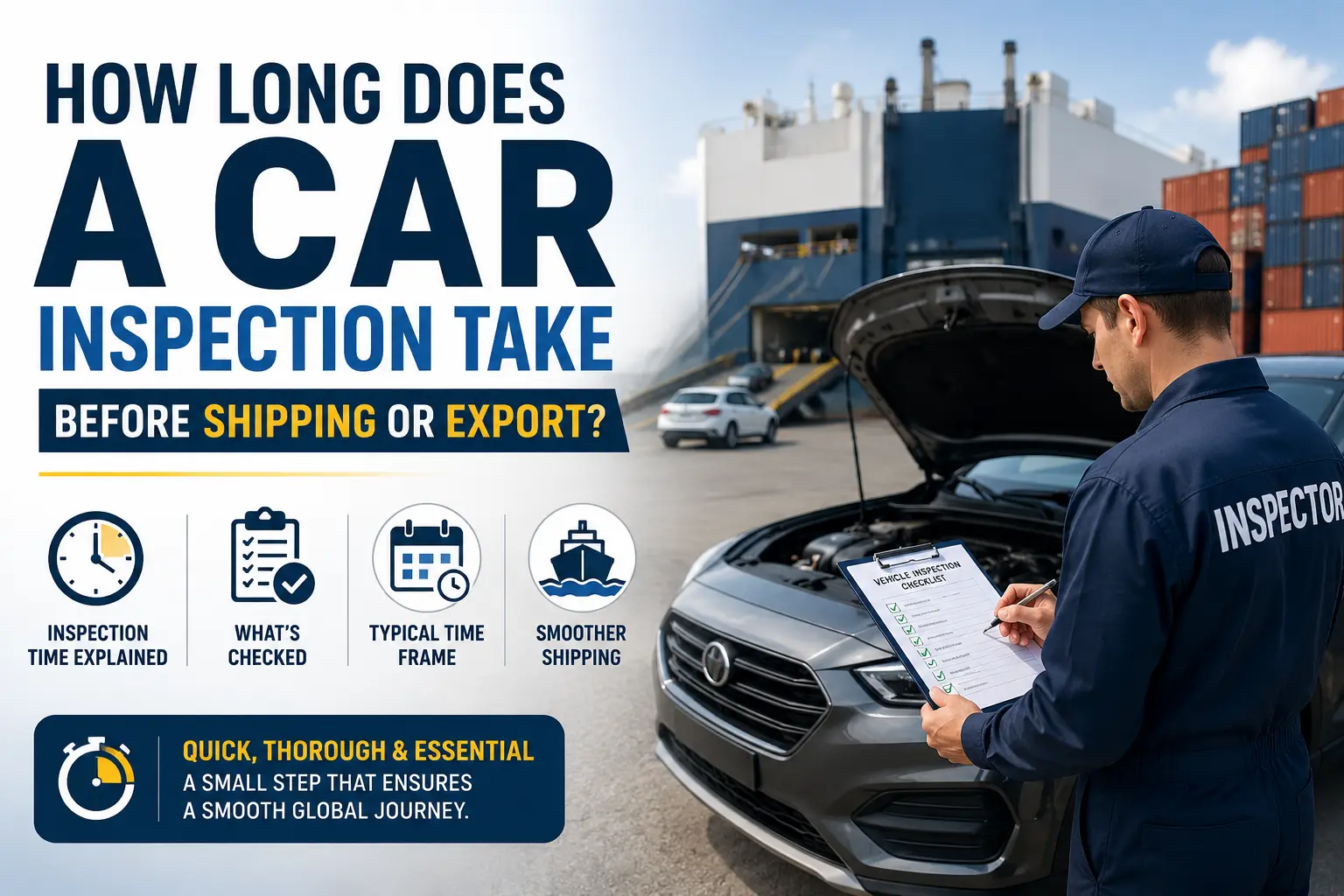
An emissions inspection often takes 15 to 30 minutes. The visit may take longer if the vehicle fails an initial test or the onboard diagnostic system shows a fault.
Many newer cars use an onboard diagnostics test. The technician connects a scanner to the vehicle and checks whether the emissions system is ready and free of certain trouble codes.
Older cars may receive a tailpipe test. The equipment measures gases from the exhaust while the engine runs. Some vehicles must run on a machine that simulates driving conditions.
A vehicle may fail emissions testing when:
• The check engine light is on
• The battery was recently disconnected
• The emissions monitors are not ready
• The catalytic converter is not working correctly
• The oxygen sensor or another emissions part has failed
• The fuel cap is loose or damaged
One common mistake is clearing the check engine light right before an inspection. The light may turn off, but the emissions monitors may remain incomplete. The car can then fail or receive a “not ready” result.
How long does a pre-purchase car inspection take?
A pre-purchase inspection usually takes one to two hours. A very detailed inspection of a luxury car, classic car, truck, or used electric vehicle can take longer.
This inspection is different from a basic state test. It is designed to help you decide whether a vehicle is worth buying. A technician may check the car on a lift, scan its computer, inspect the underbody, and take it for a road test.
A strong pre-purchase inspection may cover:
• Engine oil condition and possible leaks
• Transmission operation and fluid leaks
• Brake pad thickness and rotor condition
• Tire age, tread, and uneven wear
• Steering and suspension components
• Frame damage or corrosion
• Signs of flooding or accident repairs
• Air conditioning and heating
• Power windows, locks, cameras, and sensors
• Warning lights and stored fault codes
• Service records and maintenance needs
For example, a used car may look clean in a driveway but show worn suspension parts on a lift. Spending two hours on an inspection can prevent thousands of dollars in repair bills.
How to prepare for a faster car inspection
You cannot control every delay, but you can make the visit smoother. Good preparation often saves more time than people expect.
Use this checklist before you leave:
Check your state’s inspection requirements.
Bring your registration, insurance card, and identification if required.
Remove personal items from the vehicle.
Make sure the license plate is visible.
Check that all lights work.
Inflate the tires to the pressure listed on the driver’s door label.
Replace worn windshield wipers.
Tighten the fuel cap until it clicks.
Avoid disconnecting the battery before an emissions test.
Book an appointment when possible.
You can also do a simple visual check at home. Turn on the headlights, brake lights, turn signals, and hazard lights. Look under the car for fresh leaks and listen for unusual noises.
Do not try to hide a problem before an inspection. Cleaning a dirty engine may make it harder to spot leaks, and clearing diagnostic codes can create emissions readiness problems. Honest preparation is safer and usually more effective.
What if your car fails inspection?
If your car fails, ask the technician for a written report. It should list the failed items and, in many states, explain whether the problem is related to safety, emissions, or paperwork.
Some failures are simple to fix. A new bulb, wiper blade, tire, or gas cap may solve the problem. Other repairs, such as brake work or emissions system repairs, need a proper diagnosis.
Before approving repairs, ask these questions:
• What exact part caused the failure?
• Is the repair required by law or recommended for safety?
• What is the estimated labor and parts cost?
• Will the shop perform a free or reduced-cost retest?
• Is there a deadline for completing the repair?
In many areas, you have a limited period to return for a retest. The rules differ, so check the paperwork or contact the local inspection authority.
A useful lesson from service visits is to avoid approving a large repair based only on a vague statement such as “the emissions system is bad.” Ask for the diagnostic code, test results, and a clear explanation of the failed component.
How much does a car inspection cost?
The price of an inspection depends on the state, vehicle type, inspection level, and shop. A basic inspection may cost about $15 to $50, while a combined safety and emissions inspection may cost $40 to $100 or more.
A pre-purchase inspection often costs $100 to $250. A detailed inspection by a specialist may cost more, especially for a luxury, diesel, electric, or classic vehicle.
The inspection fee may not include repairs. Ask whether the price covers:
• The initial inspection
• Emissions testing
• A printed report
• A retest after repairs
• Diagnostic scans
• Road testing
Some repair shops offer a low inspection price because they expect to perform the repairs. That does not always mean the service is poor, but it is wise to request a clear estimate before work begins.
Official state fees and local taxes may also affect the total. Check the current fee schedule in your area instead of relying on an old online price.
When should you get a car inspection?
You should get a required inspection before the expiration date on your current inspection sticker or certificate. Waiting until the last day can create stress if the station is busy or the car needs repairs.
A voluntary inspection is useful before a long road trip, after buying a used car, or when you notice a new noise, vibration, warning light, or braking change.
It is also smart to schedule an inspection before selling a vehicle. Fixing known safety problems and sharing a recent report can make the sale easier. However, never promise that a vehicle is perfect simply because it passed a basic inspection.
A pass result is a snapshot in time. It means the vehicle met specific requirements on that day. It does not guarantee that every part will remain reliable or that hidden problems do not exist.
Frequently Asked Questions About How Long Does a Car Inspection Take
How long does a car inspection take at a dealership?
A basic inspection may take 30 to 60 minutes at a dealership. The total visit can take longer if the service department is busy or if the technician finds repairs that need approval.
How long does a car inspection take for an older vehicle?
An older vehicle usually takes 45 to 90 minutes for a standard inspection. Rust, worn parts, leaks, and hard-to-read components can increase the inspection time.
How long does a car inspection take if it includes emissions testing?
A combined safety and emissions inspection often takes 45 to 90 minutes. The exact time depends on the state test, the vehicle’s emissions system, and whether the car passes on the first attempt.
Can I wait while my car is being inspected?
Many inspection stations allow customers to wait in a lobby. Ask when booking because some detailed inspections require more time or may involve a road test.
Does a failed inspection take longer?
Yes. A failed inspection can take much longer if the technician must diagnose the problem or complete repairs. The retest itself may be short, but repair time can range from a few minutes to several hours.
Can a car inspection take two hours?
Yes, a car inspection can take two hours when it is a pre-purchase inspection, a detailed diagnostic check, or a safety inspection with several problems. Waiting time and repair approval can also extend the visit.
Conclusion
So, how long does a car inspection take? Most standard inspections finish within 30 to 90 minutes, while emissions tests may be shorter and pre-purchase inspections may take one to two hours. Vehicle condition, state rules, appointment traffic, and needed repairs are the main factors that affect the schedule.
Check your local requirements, bring the right documents, and inspect simple items such as lights, tires, wipers, and the fuel cap before you go. Plan extra time if your car is older or has a warning light.
Schedule your inspection early, ask for a written report, and approve repairs only after you understand the problem and cost. Share this guide with another driver who needs to plan a car inspection.