

Introduction
For most U.S. truck and SUV owners, the Falken Wildpeak A/T4W is the best all-around 35-inch all-terrain tire. It offers a strong mix of highway comfort, wet-road grip, winter traction, sidewall protection, and off-road control.
The BFGoodrich All-Terrain T/A KO3 is a close second and may be better for drivers who spend more time on rocks, dirt, and rough trails. The right choice still depends on your truck, wheel size, load needs, weather, and how much highway driving you do.
A 35-inch tire is not one exact tire size. Common U.S. fitments include:
- 35x12.50R17
- 35x12.50R18
- 35x12.50R20
- 35x11.50R20
- 35x12.50R22
Always check the exact tire size, load range, wheel width, suspension clearance, and vehicle rating before buying.
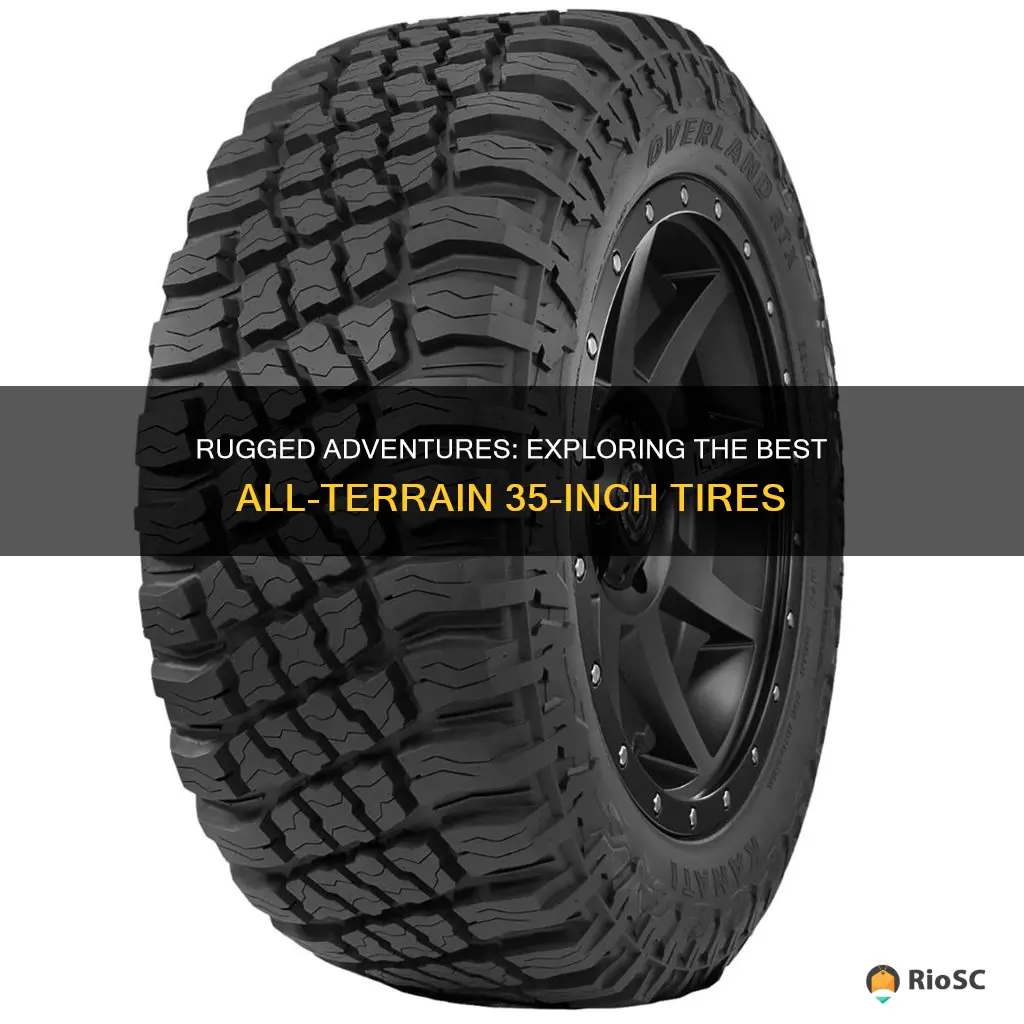
Quick Answer: Which 35-Inch All-Terrain Tire Is Best?
The best choice for most drivers is the Falken Wildpeak A/T4W because it balances daily road use with real off-road ability.
| Tire | Best for | Main strength | Main drawback |
|---|---|---|---|
| Falken Wildpeak A/T4W | Best overall use | Strong wet, snow, road, and trail balance | Heavy in many LT sizes |
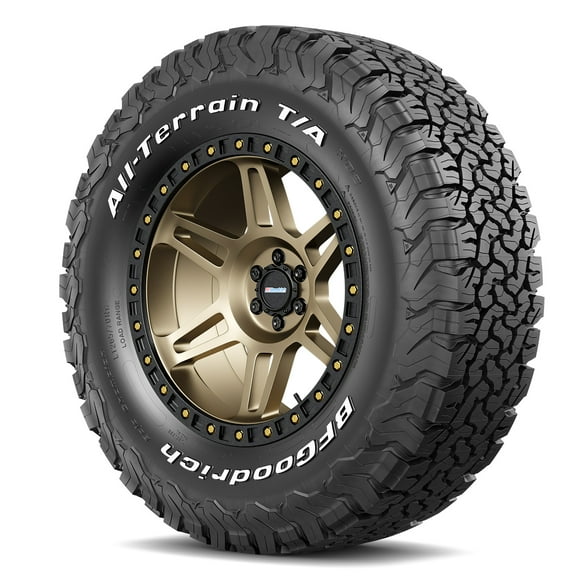
| BFGoodrich All-Terrain T/A KO3 | Rough trails and long-term use | Tough construction and off-road grip | Can feel firm and may cost more |
| General Grabber A/TX | Snow and mixed use | Severe-snow capability and good value | Less sharp on hard pavement |
| Toyo Open Country A/T III | Highway and trail travel | Stable road manners and long tread life | Older design than some rivals |
| Nitto Ridge Grappler | Aggressive looks and hard trails | Strong traction and sidewall design | More road noise; hybrid, not a traditional A/T |
The best tire is not always the most aggressive tire. A tire that is excellent in mud may be tiring on a daily commute. A tire that is quiet on the highway may give up grip on loose rock.
Best Overall: Falken Wildpeak A/T4W
The Falken Wildpeak A/T4W is the strongest general recommendation for a 35-inch all-terrain tire in the United States.
Its tread design aims to provide steady highway manners while keeping enough open space for gravel, dirt, snow, and light mud. Many sizes carry the Three-Peak Mountain Snowflake, or 3PMSF, symbol. This means the tire met a standardized severe-snow traction test. It does not mean the tire replaces a dedicated winter tire.
The A/T4W also uses a rugged sidewall and a deep tread design. Those features can help on rocky trails and loose surfaces. The trade-off is weight. A heavy 35-inch LT tire can reduce acceleration, increase braking distance, lower fuel economy, and place more load on steering and suspension parts.
Choose the Falken A/T4W if you:
- Drive your truck every day.
- Need dependable rain and snow traction.
- Take forest roads, gravel roads, and moderate trails.
- Want one tire for work, travel, and recreation.
- Prefer a stable tire over an extremely aggressive tread.
Think twice if you:
- Need maximum mud performance.
- Want the lightest possible 35-inch tire.
- Drive almost entirely on pavement.
- Have limited wheel-well clearance.
Falken lists official load ratings, approved wheel widths, speed ratings, and measured specifications for each size. Check the exact size rather than relying on a general product description.
Best for Rocky Trails: BFGoodrich All-Terrain T/A KO3
The BFGoodrich All-Terrain T/A KO3 is a strong option for drivers who regularly use rocky trails, desert tracks, work roads, or remote backcountry routes.
The KO3 is designed around off-road durability. Its sidewall construction and tread blocks are intended to resist damage from sharp surfaces. It also uses interlocking tread features to help maintain stability on pavement.
Compared with a mild all-terrain tire, the KO3 may feel more deliberate and firm. That is common with heavy-duty 35-inch tires. Steering response, ride comfort, and noise can vary by vehicle, tire pressure, wheel width, and load.
Choose the KO3 if you:
- Spend a lot of time on rocks and rough trails.
- Value sidewall protection.
- Carry tools, camping gear, or heavy loads.
- Want a tire with a long history in truck and off-road use.
- Prefer a more traditional all-terrain tread pattern.
Check the exact KO3 size for the 3PMSF symbol, load range, and sidewall rating. Not every size has identical markings or performance claims.
Best Value and Snow Choice: General Grabber A/TX
The General Grabber A/TX deserves attention when winter traction and price matter.
It is available in many truck and SUV sizes and uses an all-terrain tread with features aimed at snow, gravel, and light trail use. Several sizes carry the 3PMSF mark. This makes it more suitable for drivers who face regular snow than an all-terrain tire with only an M+S marking.
The Grabber A/TX may not have the same brand following as BFGoodrich or the same broad road refinement as some premium competitors. Still, it can be a practical choice for a full-size pickup, Jeep, or SUV that sees mixed U.S. driving.
Choose the Grabber A/TX if you:
- Drive in snow but do not need a winter tire.
- Want an all-terrain tire at a potentially lower cost.
- Use your truck on pavement, gravel, and mild trails.
- Need several 35-inch fitment options.
- Prefer balanced performance over extreme mud traction.
Best for Highway Travel: Toyo Open Country A/T III
The Toyo Open Country A/T III is a sensible choice for drivers who spend most of their time on highways but still need off-road traction.
Its road-focused balance can suit long trips, towing, commuting, and occasional trail use. The tread is less open and less aggressive than a mud-terrain tire, which usually helps road stability and noise control.
The main limitation is that the A/T III is not the newest design in this group. Tire technology and size availability can change, so compare the exact current specification before purchase.
Choose the Toyo A/T III if you:
- Drive long highway miles.
- Tow or haul on a regular basis.
- Want controlled steering on pavement.
- Use dirt roads more often than difficult trails.
- Prefer a less aggressive appearance.
Best Aggressive Hybrid Choice: Nitto Ridge Grappler
The Nitto Ridge Grappler is often considered when a buyer wants more trail grip and a stronger visual style than a typical all-terrain tire.
It is best described as a hybrid all-terrain and mud-terrain tire, rather than a conventional all-terrain tire. Its open tread can help in loose dirt, sand, and mud. Its sidewall design also appeals to drivers who want added protection and a rugged look.
The trade-off is greater road noise and a less smooth highway feel than many traditional all-terrain tires. A 35-inch Ridge Grappler can also be heavy, especially in a high-load LT construction.
Choose the Ridge Grappler if you:
- Drive difficult trails often.
- Want more loose-surface grip than a mild A/T tire.
- Accept extra noise and weight.
- Care about sidewall appearance.
- Do not need the quietest highway tire.
What Does “35-Inch” Really Mean?
A 35-inch tire is a nominal size, not a guarantee of a 35.00-inch measured diameter.
For example, 35x12.50R17 generally means:
- 35: approximate tire diameter in inches
- 12.50: approximate section width in inches
- R: radial construction
- 17: wheel diameter in inches
The actual mounted height may be slightly smaller or larger. Tire pressure, wheel width, tread design, vehicle weight, and measurement method also affect the result.
A metric size may provide a similar fit. For example, a 315/70R17 is often compared with a 35x12.50R17. However, the two sizes are not identical. Their measured height, width, load rating, and wheel requirements can differ.
Check these measurements before buying:
Overall diameter
A larger tire can contact the fender, control arm, or bumper.Section width
Wide tires may rub the inner fender, steering parts, or body mount.Wheel offset
A wheel that sits farther outward can increase fender rubbing.Load index
The tire must support the vehicle's required load.Wheel width range
A tire must be mounted on an approved wheel width.Spare-tire space
A 35-inch spare may not fit in the factory underbody location.
A suspension lift does not solve every fitment problem. Some vehicles need different offset wheels, trimming, bump-stop changes, or steering adjustments.
How to Choose the Right 35-Inch All-Terrain Tire
Start with how you drive, not with the most aggressive tread.
1. Measure your pavement use
If you drive 80% on pavement, choose a road-friendly all-terrain tire. Look for:
- Stable steering
- Even tread blocks
- Good wet braking
- Low tread noise
- A load rating that matches the truck
- A clear warranty and service network
If you drive mostly on trails, you can accept more noise and weight for stronger sidewalls and open tread.
2. Match the tire to your weather
For snow, look for the 3PMSF symbol on the tire sidewall. The symbol indicates that the tire passed a standardized severe-snow traction test.
The 3PMSF mark does not measure:
- Ice braking
- Snow stopping distance on your vehicle
- Steering feel
- Deep-snow performance
- All winter conditions
A dedicated winter tire still performs better in very cold weather and on ice. All-terrain tires are a compromise for drivers who need one tire through several seasons.
3. Pick the correct load range
Many 35-inch truck tires are marked LT, meaning Light Truck. They may use load ranges such as C, D, or E.
A higher load range does not automatically make a tire better. It often means:
- More carrying capacity
- A stiffer sidewall
- More weight
- A firmer ride
- Greater stress on suspension parts
Use the vehicle maker's door-jamb label as the starting point. Never reduce the tire's required load capacity to gain a softer ride.
4. Consider tire weight
A 35-inch tire can weigh far more than the factory tire. Extra unsprung weight affects the parts that move with the wheel, including the tire, wheel, brake, and some suspension components.
More weight can lead to:
- Slower acceleration
- Reduced fuel economy
- More brake demand
- Heavier steering
- Faster wear in some components
- Reduced suspension travel
Compare the published weight of each exact tire size. Do not compare only the model name.
5. Consider wheel size
A 17-inch wheel usually gives a taller sidewall than an 20-inch wheel with a similar outside diameter. More sidewall can help absorb impacts and allow better low-pressure trail use.
A larger wheel may offer:
- A sharper appearance
- More brake clearance
- Less sidewall flex
- A firmer ride
- Greater risk of wheel damage off-road
For difficult trails, a properly sized 17-inch wheel often provides a more useful sidewall than a 20-inch or 22-inch wheel.

Are 35-Inch All-Terrain Tires Legal and Safe on Any Truck?
No. A 35-inch tire is not automatically safe or legal on every truck.
Vehicle safety depends on more than tire diameter. Check:
- The vehicle owner's manual
- The door-jamb tire label
- Tire load capacity
- Wheel load rating
- Brake and suspension clearance
- Speedometer calibration
- Local equipment laws
- Insurance and inspection rules
State rules differ. Some states regulate fender coverage, tire protrusion, lift height, bumper height, lighting, or mud flaps. Verify the rules in your state before modifying a vehicle.
A tire that rubs during full steering lock or full suspension compression needs correction. Rubbing can damage the tire and reduce steering control. Ask a qualified tire or suspension shop to inspect the vehicle if the fit is uncertain.
Tire Pressure, Rotation, and Alignment
Use the vehicle maker's recommended cold pressure as the starting point. The number on the tire sidewall is usually the maximum pressure for the tire's rated load, not the correct everyday pressure for your vehicle.
After fitting 35-inch tires:
- Check pressure when the tires are cold.
- Rotate them according to the tire maker's pattern.
- Inspect for uneven wear.
- Recheck lug-nut torque after installation.
- Balance the tire and wheel assembly.
- Check alignment if the vehicle pulls or the steering wheel is off-center.
- Inspect for rubbing at full steering lock and suspension compression.
Do not lower pressure on the highway just because a tire feels firm. For trail use, lower pressure only when the vehicle, wheel, tire, terrain, and driving speed support it. Reinflate before returning to paved roads.
A slow leak, bulge, exposed cord, deep cut, or repeated pressure loss needs prompt inspection. Do not continue driving on a damaged tire.
Common Mistakes to Avoid
Buying by tread appearance alone
An aggressive tread may look ready for the trail but can be loud, heavy, and less efficient on pavement.
Ignoring actual tire weight
The difference between two 35-inch tires can be substantial. Weight affects more than fuel use. It can change braking, steering, suspension response, and ride quality.
Choosing the highest load range automatically
Extra capacity can help a work truck, but a very stiff tire may ride poorly on a lighter SUV. Match the tire to the actual vehicle load.
Assuming 3PMSF means “winter tire”
The symbol confirms a snow-traction test. It does not make an all-terrain tire equal to a dedicated ice and winter tire.
Skipping the spare tire
A 35-inch tire may not fit the stock spare location. A temporary spare may also create a mismatch in diameter and drivetrain load on four-wheel-drive vehicles.
Mixing tire sizes
Avoid mixing different outside diameters on a four-wheel-drive or all-wheel-drive vehicle unless the vehicle maker specifically permits it. Mismatched tires can affect drivetrain operation and traction-control systems.

35-Inch Tire Comparison by Driving Style
| Driving style | Recommended direction | Why |
|---|---|---|
| Daily commuting and mixed weather | Falken Wildpeak A/T4W | Balanced road, rain, snow, and trail performance |
| Rocky trails and remote travel | BFGoodrich KO3 | Strong off-road focus and sidewall protection |
| Snowy rural roads | Falken A/T4W or General Grabber A/TX | Look for the 3PMSF symbol in the exact size |
| Highway towing and road trips | Toyo Open Country A/T III | More road-focused behavior |
| Mud, sand, and aggressive trails | Nitto Ridge Grappler | More open tread and hybrid design |
| Light-duty SUV use | A properly rated P-metric or lighter LT option | Can reduce weight and improve ride quality |
This table is a starting point, not a substitute for checking the exact load rating and fitment.
Frequently Asked Questions
Are 35-inch all-terrain tires good for daily driving?
Yes, if the vehicle can safely accommodate them and the driver accepts added weight, noise, and fuel use. A road-friendly model such as the Falken Wildpeak A/T4W or Toyo Open Country A/T III is usually easier to live with than an aggressive hybrid tire.
Do 35-inch tires reduce fuel economy?
They can. A larger and heavier tire may increase rolling resistance and rotational mass. Fuel use also depends on tire pressure, wheel weight, gearing, alignment, driving speed, and vehicle design.
Do I need a lift kit for 35-inch tires?
Not always, but many trucks need suspension changes, trimming, different wheel offset, or bump-stop adjustments. The answer depends on the vehicle, wheel, tire width, steering angle, and suspension travel.
Are 35-inch tires better than 33-inch tires off-road?
Not in every situation. A 35-inch tire can improve ground clearance and help the vehicle cross larger obstacles. It can also add weight and reduce power, clearance, and drivetrain margin. A well-chosen 33-inch tire may work better on a stock vehicle.
Should I buy LT or P-metric 35-inch tires?
Choose based on the vehicle and load. LT tires usually offer greater load capacity and tougher construction, but they are often heavier and firmer. Use the vehicle's required load rating and the tire maker's fitment data as the deciding factors.
How often should I rotate 35-inch tires?
Follow the tire manufacturer's schedule and your vehicle manual. Many vehicles need rotation at regular service intervals, but uneven wear, towing, heavy loads, and four-wheel-drive use may require closer checks.
Final Recommendation
For most American truck, Jeep, and SUV owners, the Falken Wildpeak A/T4W is the best 35-inch all-terrain tire because it provides the broadest balance of road comfort, wet traction, snow capability, and trail use.
Choose the BFGoodrich KO3 when rough trails and sidewall durability matter more than the softest ride. Consider the General Grabber A/TX for a value-focused snow and mixed-use setup, the Toyo Open Country A/T III for highway travel, or the Nitto Ridge Grappler for a more aggressive hybrid tire.
Before ordering, confirm the exact size, load index, 3PMSF status, wheel-width range, tire weight, and vehicle clearance. The best 35-inch tire is the one that fits safely, supports your real load, and matches the roads you drive most.
