

The best way to protect your car from hail is to use covered parking, monitor storms, and act before hail begins.
Learning how to protect car from hail can save you from costly dents, cracked glass, paint damage, and insurance stress. The right plan combines weather awareness, safe parking, a proper hail cover, and quick action when a storm is near. This guide explains what works, what does not, and how to protect your car before, during, and after a hailstorm.
Why hail can damage your car
Hail forms inside strong thunderstorms. Updrafts push water high into cold air, where it freezes into ice. The stones grow larger as they collect more water and ice.
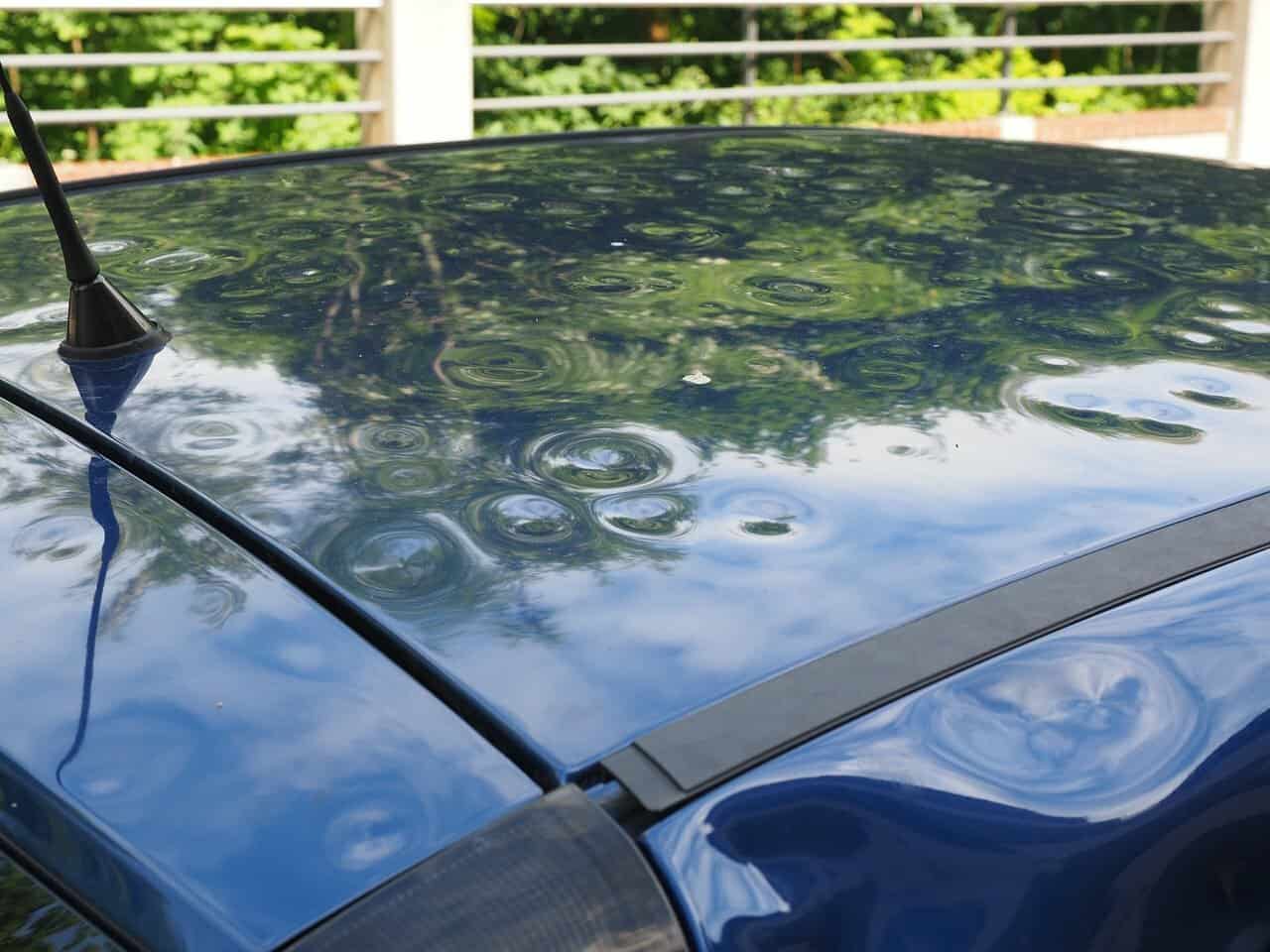
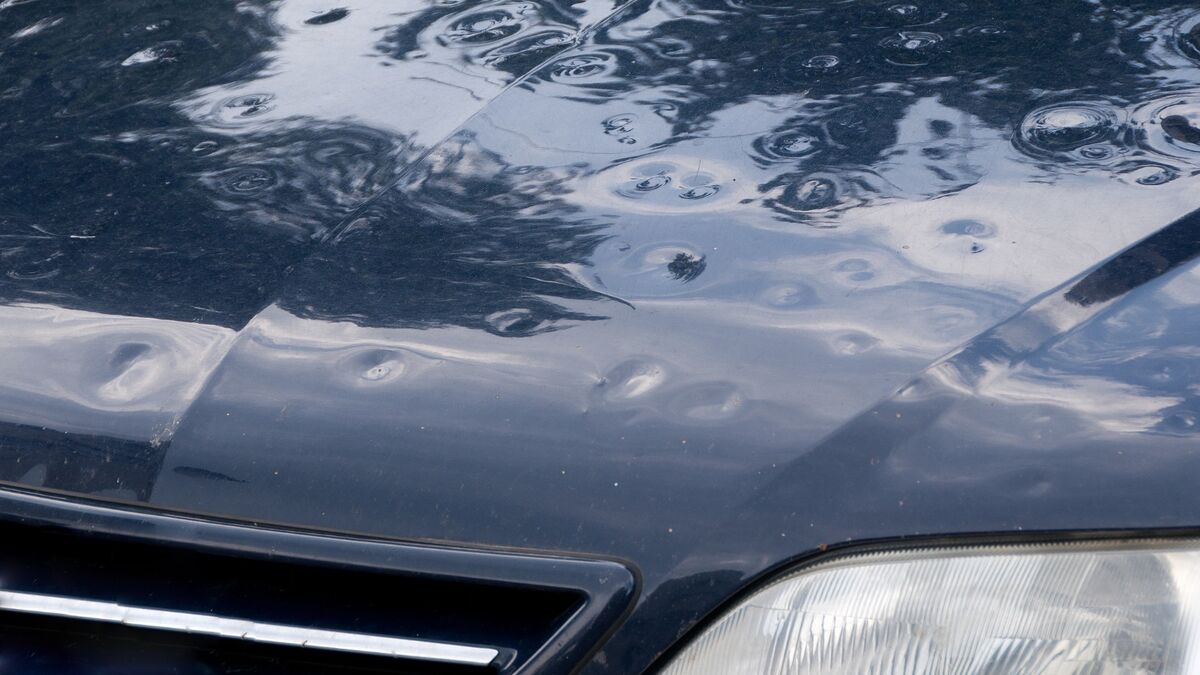
Small hail may leave only light marks. Large hail can cause serious damage in minutes. It may dent the hood, roof, trunk, doors, and fenders. It can also break windows and damage mirrors, lights, and sunroofs.
Hail damage is not only cosmetic. A broken window can let rain into the cabin. Water may then damage seats, carpets, electronics, and wiring. This is why learning how to protect car from hail is worth the effort.
The National Weather Service warns that severe thunderstorms can produce hail, strong winds, lightning, and flash flooding at the same time. Hail is only one part of the danger, so your safety must always come first.
Check the weather before you drive
The easiest way to protect your car from hail is to spot the risk early. Check the forecast before long trips, outdoor events, and overnight parking.
Useful tools include:
• Your local weather service app
• Emergency weather alerts
• Radar apps with hail warnings
• Local television or radio alerts
• Your vehicle’s built-in weather service
Look for terms such as “severe thunderstorm watch” and “severe thunderstorm warning.” A watch means conditions may support severe weather. A warning means severe weather has been detected or is expected soon.
Do not wait until hail is falling. Once the storm arrives, roads may become slick, visibility may drop, and traffic may stop. Early action gives you more safe choices.
A simple habit helps: check the forecast each afternoon during hail season. In many parts of the United States, the greatest risk occurs in spring and early summer. The central Plains, Midwest, and parts of the South often see frequent hailstorms, but hail can occur in many regions.

Park inside a garage whenever possible
A garage offers the strongest everyday protection from hail. It blocks ice, wind, flying branches, and heavy rain.
Use these steps:
Park fully inside the garage.
Close the garage door before the storm begins.
Move loose tools, bikes, and other items away from the vehicle.
Keep enough space to open the doors without hitting walls.
Store a flashlight near the garage entrance in case the power fails.
A private garage is best, but you may have other options. Covered parking at work, a shopping center, a public garage, or a parking deck can also help. Choose a covered space that has no signs of loose roofing, broken glass, or flooding.
Do not park under a tree as your first choice. Tree branches may block some hail, but strong wind can break limbs and push them onto the car. Trees also create a risk from falling power lines.
If you park outside often, consider a carport. A strong, properly anchored carport can reduce hail exposure. It cannot offer the same protection as a solid garage, especially during high winds.

Use a quality hail car cover
A proper hail cover is one of the best ways to protect car from hail when covered parking is not available. These covers usually contain thick foam or air-filled padding. They are designed to absorb some of the impact before the hail reaches the vehicle.
Look for these features:
• Thick impact padding over the roof, hood, trunk, and windows
• Strong straps or clips
• A snug fit for your exact vehicle size
• Waterproof or water-resistant outer material
• Soft inner lining that will not scratch paint
• Reflective panels for heat protection
• Vents that reduce wind lift
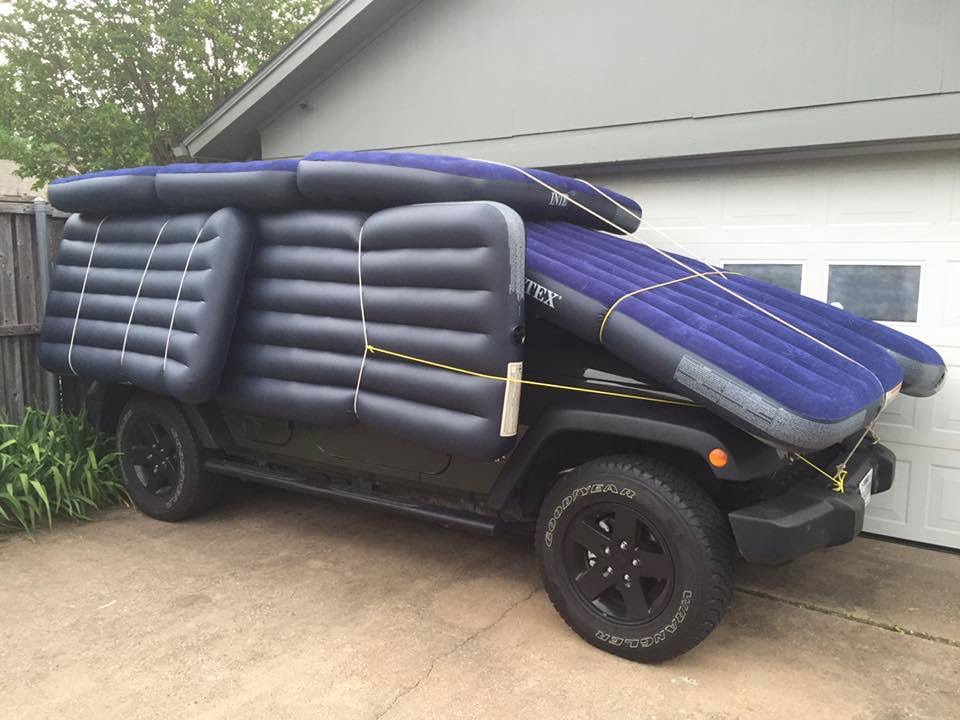
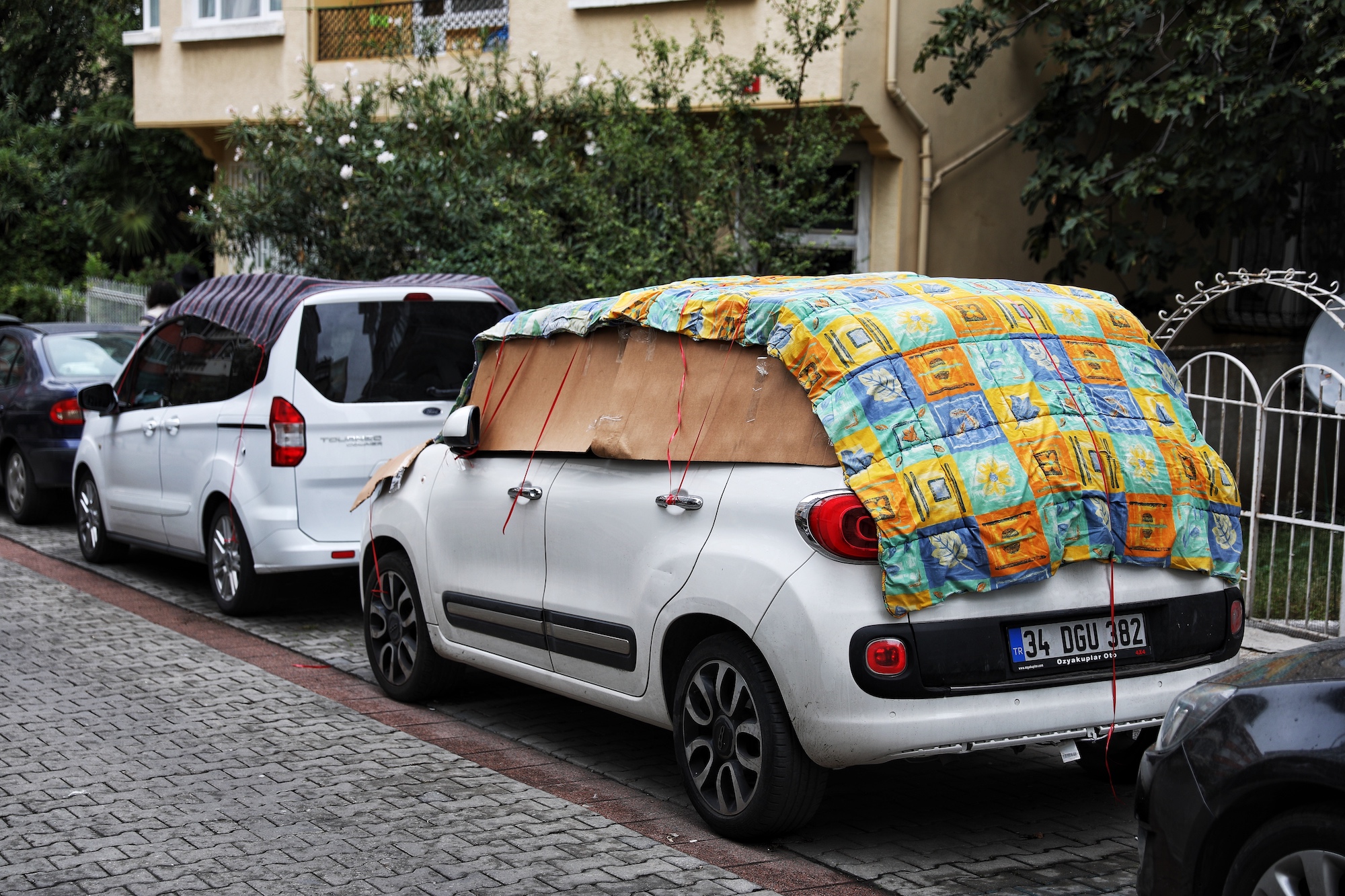
Avoid using a thin car cover, blanket, towel, or tarp as your main defense. These items may protect against dust and light rain, but they provide little impact protection. A loose tarp can also flap against the paint and cause scratches.
Install the cover before hail starts. Never try to put it on during lightning, high wind, or heavy hail. If the cover has straps, secure them beneath the vehicle or at the approved anchor points. Do not place yourself in danger to save the car.
Read the product instructions carefully. No hail cover can guarantee zero damage during a major storm. Its protection depends on the hail size, wind speed, cover quality, and how well it is secured.
Make a fast emergency plan
Storms often arrive faster than expected. A simple emergency plan can make how to protect car from hail much easier.
Keep these items in your vehicle or home:
• A properly fitted hail cover
• A small flashlight
• A phone charging cable or power bank
• A clean towel for temporary glass protection
• A first-aid kit
• A tire pressure gauge
• A list of nearby garages or covered parking areas
If a storm warning arrives while you are at home, move the car to the garage. If the garage is full, move items outside or reorganize them quickly. Do not delay until hail is already falling.
If you are away from home, search for a safe covered location. A parking deck is usually better than an open lot. However, avoid low areas that may flood and avoid structures with visible damage.
A personal lesson many drivers learn the hard way is that preparation beats speed. By the time hail hits, even a well-planned escape can become unsafe. Keeping a cover and knowing nearby shelter options removes much of the panic.
What to do if hail starts while you are driving
Your safety matters more than the vehicle. If hail begins while you are driving, slow down and look for a safe place to stop.
Follow these steps:
Reduce speed without braking sharply.
Turn on your hazard lights if visibility is poor.
Pull into a covered public area when possible.
Stay away from underpasses and low roads that may flood.
Keep away from trees, utility poles, and large signs.
Stop safely and remain inside the vehicle.
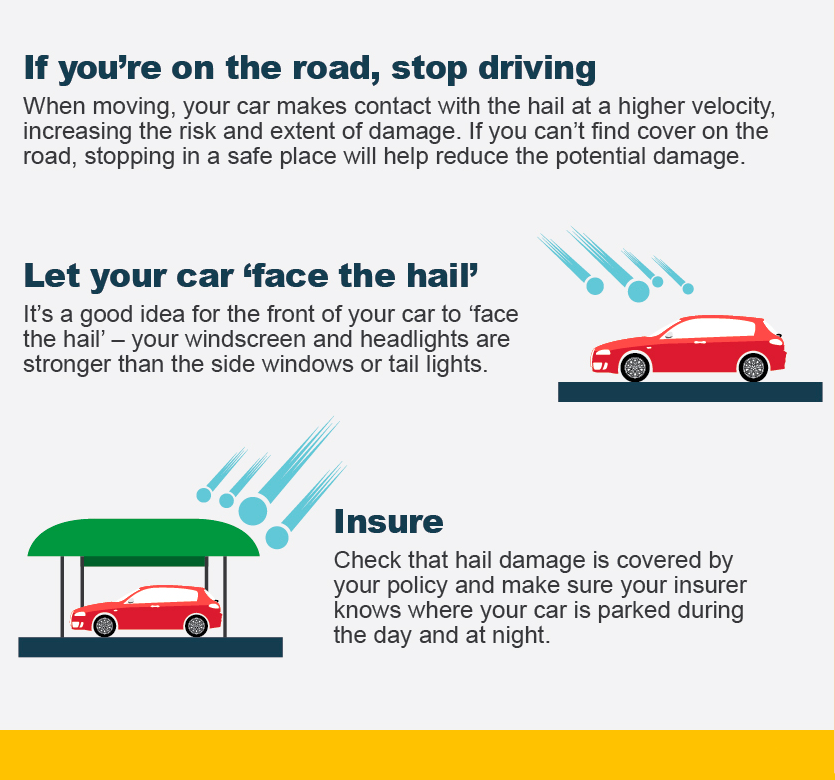
Turn the car so the windshield faces the hail if you cannot find cover.
The windshield is usually made from laminated glass, while side and rear windows often use tempered glass. The windshield may resist impact better, but it can still crack. Turning the front of the car toward the storm may reduce exposure to side windows, especially when strong wind drives hail at an angle.
Do not leave the vehicle to hold a cover in place. Do not stand outside during lightning or severe wind. A damaged car can be repaired; a serious injury cannot.
Never stop beneath a bridge or in a traffic lane. These actions can cause crashes and block emergency vehicles.
Protect a car parked outside
Sometimes a garage is not available. You can still reduce the risk of hail damage with smart choices.
Park in a location that:
• Is away from trees and power lines
• Has no loose signs, branches, or construction materials nearby
• Is not in a low area that may flood
• Allows you to leave quickly if conditions change
• Has a strong overhead structure when possible
If you own a hail cover, place it on the car before the storm. Make sure all straps are secure. Check the cover after the storm, because strong wind can move it or expose part of the vehicle.
Some drivers use thick moving blankets under a cover. This may add a small layer of padding, but it is not a substitute for a tested hail cover. Blankets can become wet, shift in the wind, or damage paint if dirt is trapped between the fabric and the car.
A portable car canopy may offer some help, but it must be rated for wind and anchored correctly. A weak canopy can collapse onto the vehicle. Follow the manufacturer’s wind limits and remove it if severe weather approaches.
Prepare your car before hail season
Basic maintenance can limit secondary damage. It cannot stop hail, but it can make the car more resistant to water and debris.
Before storm season:
• Inspect the windshield for existing chips or cracks.
• Replace worn windshield wipers.
• Check rubber seals around doors, windows, and the sunroof.
• Make sure the trunk and hood close fully.
• Test the alarm and hazard lights.
• Keep the fuel tank at least partly full.
• Remove loose items from the roof and trunk.
• Save photos of the vehicle’s condition.
Taking clear photos is especially useful for insurance. Photograph each side, the roof if possible, the wheels, and the interior. Store the images in cloud storage with the date.
Wax and paint sealants may help water run off and keep the finish clean, but they do not stop hail dents. Ceramic coatings also do not make a car hailproof. Be cautious of products that promise complete protection.
Inspect the vehicle after a hailstorm
Wait until the storm passes and the area is safe. Watch for downed wires, broken glass, flooding, and unstable branches.
Then inspect the vehicle in good daylight. Look at:
• The hood, roof, trunk, and doors
• Fenders and pillars
• Side mirrors and lights
• Windshield, sunroof, and other glass
• Door seals and weather stripping
• Interior carpets and seats
• Warning lights on the dashboard
Small dents may be easier to see when light reflects across the paint. You can also run your hand gently over the surface, but do not press hard.
Do not pour hot water over a dented panel. Sudden temperature changes may damage paint or glass. Avoid using a hair dryer, suction cup, or home dent tool unless you understand the risks. These methods can make the damage worse.
If glass is broken, cover the opening with plastic until it can be repaired. Keep water out of the cabin, but do not drive if visibility or vehicle control is unsafe.
Handle insurance and repairs carefully
Many comprehensive auto insurance policies cover hail damage. Collision coverage usually does not cover hail because hail is not a crash. Coverage depends on your policy, deductible, exclusions, and state rules.
Contact your insurer soon after the storm. Ask about:
• Your comprehensive deductible
• Mobile claims inspections
• Approved repair shops
• Rental car coverage
• Glass coverage
• The deadline for reporting damage
Take photos before cleaning or repairing the vehicle. Keep receipts for temporary steps, such as covering broken glass. Do not authorize major repairs before speaking with your insurer unless immediate action is needed to prevent more damage.
Paintless dent repair can often fix small dents without replacing the original paint. It may not work for sharp creases, damaged paint, stretched metal, or areas near certain body edges. A qualified technician should inspect the car before recommending a repair method.
Be careful with unsolicited repair offers after a major storm. Ask for a written estimate, proof of insurance, business details, and warranty terms. A low price is not always a good deal.
Mistakes that can increase hail damage
Knowing what not to do is an important part of how to protect car from hail.
Avoid these common mistakes:
• Waiting for hail to start before searching for shelter
• Parking under trees during strong wind
• Using a thin tarp as hail protection
• Leaving windows or the sunroof partly open
• Driving during a severe hailstorm without a clear need
• Stopping under an unsafe bridge or in a traffic lane
• Standing outside to install a cover during lightning
• Pouring hot or cold water on dents
• Cleaning the car before taking damage photos
• Accepting repair work without a written estimate
One mistake I often hear about is treating a weather alert as a suggestion rather than a warning. Drivers may wait because the sky still looks calm. Severe storms can change quickly, so acting early is usually the safer and cheaper choice.
A simple hail protection checklist
Use this checklist before and during hail season:
Check local weather alerts each day.
Know where the nearest covered parking area is.
Keep a quality hail cover ready.
Secure loose items around your home.
Inspect glass and door seals.
Save current photos of your vehicle.
Review comprehensive insurance coverage.
Move the car before hail begins.
Stay inside during dangerous weather.
Photograph damage before repairs.
Report the claim promptly.
Use a trusted repair professional.
No single method can guarantee complete protection. A garage gives the best defense, while a quality hail cover offers useful backup. Weather awareness and early action provide the greatest overall benefit.
Frequently Asked Questions About How to Protect Car From Hail
What is the best way to protect a car from hail?
The best option is to park inside a solid garage before the storm arrives. If that is not possible, use a properly fitted, padded hail cover and park away from trees, power lines, and loose objects.
Does a car cover really protect against hail?
A purpose-built hail cover can reduce dents and impact damage. A thin fabric cover, tarp, or blanket offers little protection and may scratch the paint if it moves in strong wind.
Should I park under a tree during a hailstorm?
No. A tree may block some hail, but wind can break branches and bring down power lines. A garage or sturdy parking deck is a safer choice.
What should I do if hail starts while I am driving?
Slow down and move to a safe covered location if possible. Avoid trees, flooded roads, underpasses, and traffic lanes, and stay inside the vehicle until the storm passes.
Does car insurance cover hail damage?
Comprehensive auto insurance often covers hail damage, subject to your deductible and policy terms. Collision insurance alone usually does not cover hail, so review your policy or contact your insurer.
Can hail damage be repaired without repainting?
Small dents may be repaired with paintless dent repair when the paint is intact and the metal is not badly stretched. Deep dents, sharp creases, and chipped paint may need traditional body repair.
Should I cover my car with blankets during hail?
Blankets may add a small amount of padding when used carefully, but they are not a reliable hail defense. A tested hail cover is safer and more effective.
Conclusion
The most reliable way to protect car from hail is to prepare before the storm. Use a garage or sturdy covered parking, monitor weather alerts, keep a quality hail cover ready, and avoid unsafe places such as trees and flood-prone roads.
If hail strikes, protect yourself first. Afterward, document the damage, contact your insurer, and choose a qualified repair shop. Take a few minutes today to review your parking options and insurance coverage, then share your own hail protection tips or explore more vehicle care resources.