

Most scratched car wheels can be repaired at home by cleaning, sanding, filling, painting, and sealing the damaged area.
Scratched wheels are common after a tight parking spot, a rough curb, or a careless tire change. I have repaired many light curb marks, and the main lesson is simple: good preparation matters more than expensive paint. This guide explains how to repair scratched car wheels safely, how to choose the right method, and when professional wheel repair is the smarter choice.
What Causes Scratched Car Wheels?
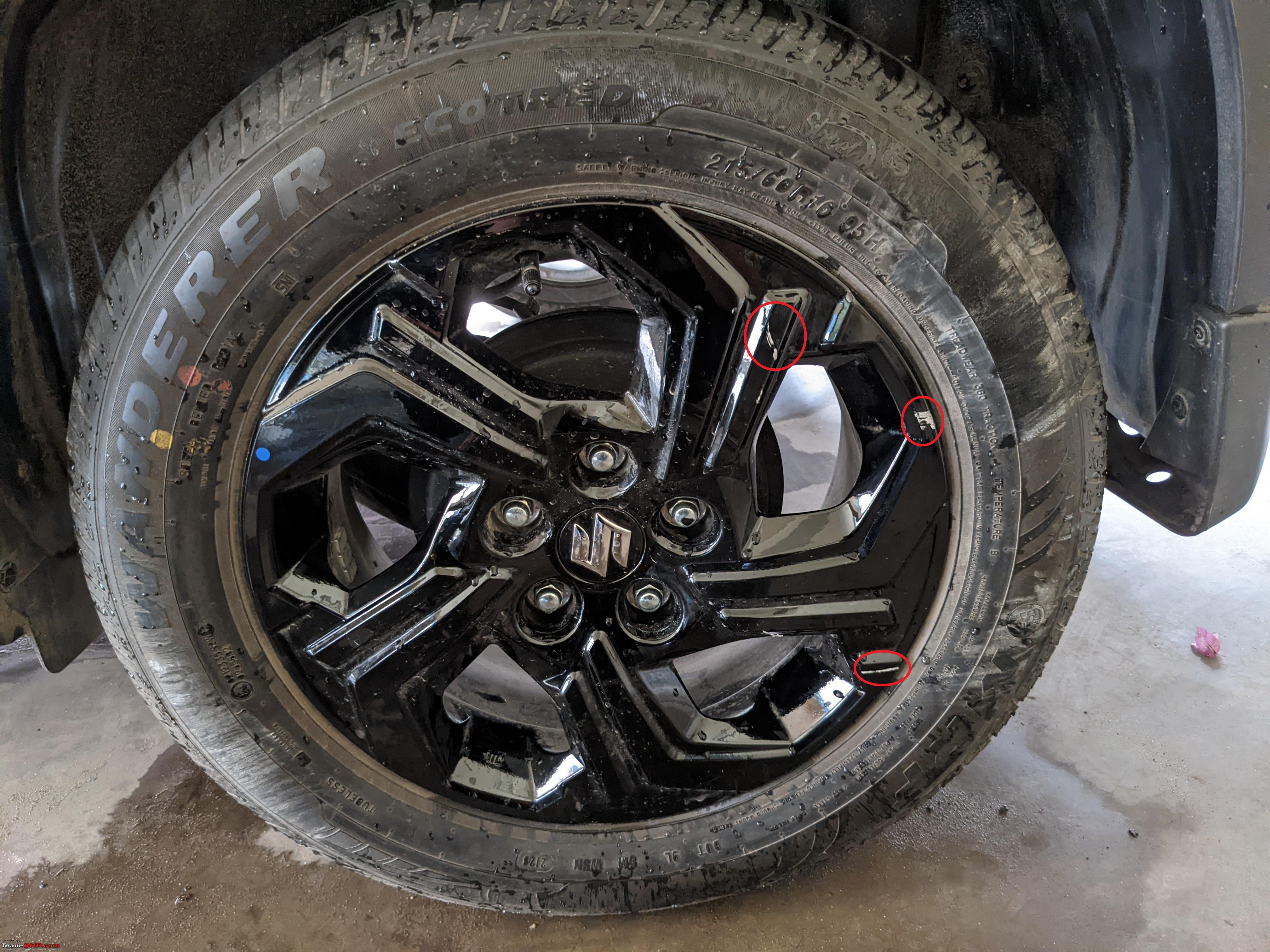
Most wheel scratches come from contact with a hard surface. A curb can scrape the outer lip, while road debris can chip the finish across the spokes. Poor lifting tools and tire machines can also damage the wheel.
Common causes include:
• Curb rash from parallel parking or tight turns
• Gravel, road salt, and loose metal debris
• Scratches from tire mounting equipment
• Incorrect jack placement
• Harsh wheel cleaners or stiff brushes
• Corrosion under chipped paint or clear coat
A light scratch may affect only the clear coat. A deeper scrape can remove the paint and expose bare aluminum. In severe cases, the impact may bend or crack the wheel.
Before learning how to repair scratched car wheels, inspect the damage in bright light. Run a clean finger over the mark. If your fingernail catches, the scratch likely needs sanding and filler rather than simple polishing.
Can You Repair Scratched Car Wheels at Home?
Yes, many cosmetic scratches can be repaired at home. This is especially true for painted, clear-coated, and silver alloy wheels with light to medium curb rash.
Home repair works best when:
• The wheel is not cracked
• The wheel is not bent
• The damage is limited to the outer surface
• You can match the original finish
• You have time for careful cleaning and drying
Do not treat a structural problem as a cosmetic one. A cracked wheel can lose air or fail under load. A bent wheel can cause vibration, uneven tire wear, or poor handling.
If the wheel has a crack, a large flat spot, deep gouges near the spokes, or air loss, stop and visit a qualified wheel repair shop. Learning how to repair scratched car wheels is useful, but safety must come first.
Tools and Materials You Need
The right tools make the job faster and help prevent a poor finish. You do not need a full body shop, but you do need clean materials and a dust-free work area.
Gather these items:
• Wheel-safe soap and water
• Microfiber towels
• Automotive degreaser or isopropyl alcohol
• Nitrile gloves and safety glasses
• Sandpaper in 400, 600, 800, and 1,000 grit
• Sanding block or small flexible sanding pad
• Aluminum or automotive body filler
• Plastic spreader
• Automotive primer
• Wheel paint that matches the finish
• Automotive clear coat
• Masking tape and plastic sheeting
• Tack cloth
• Small detailing brush
• Jack, jack stands, and wheel chocks
Use a wheel paint made for metal and automotive use. Household paint often peels, fades, or reacts with brake dust and heat. A paint supplier or automotive parts store can help match silver, gunmetal, black, or other factory finishes.
In my own repair work, the most common mistake was using too much filler. A thin layer is easier to sand and looks more natural. Thick filler can crack or leave a visible ridge.

Inspect the Wheel Before Repair
Remove the wheel if possible. Repairing a wheel while it is still on the car makes it hard to reach the inner edge and increases the chance of spraying paint on the brake parts.
Place the wheel on a clean, soft surface. Then inspect the front and back.
Look for:
• Cracks between spokes
• A bent outer lip
• Missing chunks of metal
• Corrosion around the bead seat
• Damage near the valve stem
• Tire sidewall cuts or bulges
• Slow air loss
A small scratch on the face is usually cosmetic. Damage on the bead seat, which is the area where the tire seals against the wheel, is more serious. Corrosion or deep gouges in this area may cause a leak.
Check the wheel for vibration after any hard impact. A repair that looks good can still hide a balance or alignment issue. When learning how to repair scratched car wheels, remember that appearance is only one part of the inspection.
Step-by-Step: How to Repair Scratched Car Wheels
The process below works for many painted alloy wheels. Always follow the instructions on the products you buy, since drying times and safety rules can differ.
1. Remove the wheel safely
Park on a level surface. Set the parking brake and place wheel chocks behind the tires that remain on the ground.
Loosen the lug nuts slightly before lifting the car. Use the vehicle’s approved lift point, then support the car with jack stands. Never work under a car held only by a jack.
Remove the wheel and place it face up on a padded work surface. Keep the lug nuts in a safe container so dirt does not enter the threads.
2. Clean the wheel well
Wash the wheel with warm water and a wheel-safe soap. Use a soft brush to remove brake dust from the spokes and outer lip.
Rinse it well and dry it with a microfiber towel. Then wipe the damaged area with isopropyl alcohol or an approved automotive degreaser.
Do not sand over grease, tire dressing, or brake dust. These materials can clog sandpaper and prevent primer from bonding.
3. Mark the damaged area
Use masking tape to outline the repair zone. Keep the repair area as small as possible, but do not create a sharp paint edge right beside the scratch.
A gradual repair zone blends better. For a curb rash on the outer lip, you may need to refinish the full lip or one complete spoke. Spot repairs are harder to hide on highly polished or metallic finishes.
4. Sand the scratch
Start with 400-grit sandpaper if the damage is deep. Use 600-grit paper for lighter scratches or to smooth the edge around a gouge.
Sand by hand with even pressure. A small sanding block helps keep the surface flat. Stop often and wipe away dust so you can see your progress.
Your goal is to remove loose paint and soften the damaged edges. Do not grind deeply into the aluminum. A smooth transition is better than a large, flat hollow.
5. Fill deep gouges
If the scratch has a deep groove, apply a small amount of aluminum-compatible filler. Press it into the gouge, then remove extra material with a plastic spreader.
Let the filler cure fully. Sand it with 400-grit paper, then refine the surface with 600- and 800-grit paper.
The repaired area should feel level when you slide a fingertip across it. If you can feel a dip or ridge, paint will not hide it. Add a very thin second coat instead of forcing one thick coat.
6. Smooth and clean the surface
Use 800- or 1,000-grit paper to smooth the repair. Feather the edges into the surrounding finish.
Wipe the wheel with a clean microfiber towel and then use a tack cloth. Avoid touching the repair with bare fingers. Skin oils can reduce paint adhesion.
Before spraying, check for dust, moisture, and silicone-based products. A clean surface is one of the most important parts of how to repair scratched car wheels.
7. Apply automotive primer
Spray a light coat of primer over the bare metal and filler. Hold the can at the distance recommended on the label, often about 8 to 12 inches away.
Use several thin coats instead of one heavy coat. Allow the primer to flash or dry between coats as the label directs.
Heavy primer can sag and hide sanding marks until the final paint reveals them. If the primer dries with rough texture, lightly sand it with 800- or 1,000-grit paper before cleaning again.
8. Apply the wheel paint
Shake the paint well. Test the color on cardboard first, then compare it with the wheel in daylight.
Spray light, overlapping passes. Keep the can moving before you press the nozzle and continue moving after you release it. This method reduces runs and thick spots.
Metallic wheel paint may need extra care. Spray in one consistent direction and keep the distance steady. Uneven spray patterns can make the metallic particles look darker in one area.
9. Blend the finish
If the color looks slightly different, do not panic after the first coat. Apply two or three thin coats and allow each coat to dry.
For a small repair, blend the paint gradually into the surrounding area. Avoid stopping in a straight line where the color change will be obvious.
Some finishes, such as chrome, polished aluminum, and diamond-cut wheels, do not blend well with ordinary wheel paint. These finishes often require machine work or specialized refinishing.
10. Add clear coat
Apply a compatible automotive clear coat after the color has flashed as directed by the product label. Use light coats first, followed by a slightly fuller coat if needed.
Clear coat protects the color from water, brake dust, UV exposure, and mild chemical contact. It also affects the final gloss, so choose a finish that matches the rest of the wheel.
Do not wash or wax the wheel until the clear coat has fully cured. Dry to the touch does not always mean fully hardened.
11. Reinstall and torque the wheel
Allow the repair to cure. Then reinstall the wheel and tighten the lug nuts in a star pattern.
Use a calibrated torque wrench and follow the torque value in the vehicle owner’s manual. Incorrect torque can damage the wheel, studs, or brake assembly.
After driving a short distance, check for vibration, air loss, or unusual noise. Recheck the lug nut torque if the vehicle or wheel manufacturer recommends it.

How to Repair Different Wheel Finishes
Not every wheel has the same surface. The finish determines whether a home repair will look seamless or only improve the damage.
Painted alloy wheels
Painted alloy wheels are usually the easiest to repair. You can sand the damaged area, use primer, apply matching wheel paint, and seal it with clear coat.
A full repaint may be better if the wheel has widespread chips or fading. Local touch-up works well for small curb marks.
Clear-coated aluminum wheels
Clear-coated aluminum wheels may show a cloudy or white patch when moisture reaches the metal. Light clear coat damage can sometimes be polished, but deep scratches require refinishing.
Do not apply clear coat over oxidation. Remove the corrosion first, then restore the surface.
Powder-coated wheels
Powder coat is tougher than common spray paint. Small chips can receive a touch-up, but a smooth, factory-style repair often requires stripping and recoating the whole wheel.
Do not use aggressive solvents unless the product maker confirms they are safe. Some chemicals can soften the coating or leave stains.
Polished aluminum wheels
Polished wheels have a reflective metal surface rather than a normal painted finish. Light marks may respond to metal polish and careful wet sanding.
Deep scratches may need professional polishing. Clear coating polished aluminum at home can change its appearance if the surface is not prepared correctly.
Diamond-cut wheels
Diamond-cut wheels have a machined face with fine lines. A computer-controlled lathe cuts the visible surface.
This finish is difficult to reproduce with spray paint. A qualified shop usually removes a very thin layer of metal and applies a new clear coat. Home paint may hide the damage but will not recreate the original cut pattern.
Chrome wheels
Chrome plating is not the same as silver paint. Peeling, flaking, or deep pitting usually requires specialized plating or refinishing.
Small surface marks may be polished, but aggressive sanding can permanently remove the chrome layer. When deciding how to repair scratched car wheels, identify the finish before choosing a method.

Common Mistakes to Avoid
A wheel repair can fail even when the paint color is correct. Most poor results come from rushing the prep work.
Avoid these mistakes:
• Painting over dirt or brake dust
• Using household filler or wall putty
• Skipping primer on bare metal
• Spraying one thick coat
• Repairing a bent or cracked wheel with paint
• Using a wire brush that gouges aluminum
• Spraying near open flames or strong heat
• Washing the wheel before the clear coat cures
• Forgetting to torque the lug nuts
• Using a generic paint that does not tolerate wheel heat
One lesson I learned early is that a smooth repair matters more than a shiny repair. Glossy clear coat can make every low spot and sanding mark easier to see. Take time with the surface, and the final result will look much more professional.
How Long Does a Wheel Repair Take?
A small scratch may take two to four hours of hands-on work. The total project can take a full day because primer, paint, and clear coat need drying time.
A deeper curb rash may take longer because it needs filler and extra sanding. Cold, humid weather can also slow curing.
Plan for:
• 30 to 60 minutes for cleaning and inspection
• 30 to 90 minutes for sanding and filling
• 20 to 40 minutes for primer
• 30 to 60 minutes for color and clear coat
• Several hours or more for curing
Never rush the drying stage to meet a schedule. Soft paint can collect dust, fingerprints, and tire mounting marks.
How Much Does It Cost to Repair Scratched Car Wheels?
A basic home repair often costs about $30 to $100 for sandpaper, filler, primer, paint, clear coat, and cleaning products. The price rises if you need a jack stand set, specialty paint, or a custom color match.
Professional repair commonly costs more, but the shop may include tire removal, straightening, welding, machining, refinishing, and balancing. Prices vary by location, wheel size, finish, and damage level.
A professional repair is usually worthwhile when:
• The wheel is cracked or bent
• The finish is diamond-cut or chrome
• The damage reaches the tire bead
• More than one wheel needs refinishing
• You need a factory-quality appearance
• You do not have a safe place to lift and paint the vehicle
The cheapest option is not always the best option. A poor repair can peel, allow corrosion, or make the wheel look worse than the original scratch.

How to Prevent Future Wheel Scratches
Prevention is easier than repair. A few small habits can protect your wheels from new curb rash.
• Leave extra space when parallel parking
• Use a parking camera and mirrors together
• Avoid brushing the curb with the tire
• Clean brake dust with a soft wheel brush
• Use wheel cleaners made for your finish
• Do not use acidic cleaners on unknown surfaces
• Ask tire shops to use rim protectors
• Inspect wheels after tire mounting
• Keep tire pressure at the recommended level
• Consider curb-protection strips where suitable
Correct tire pressure can also help protect the rim from sharp impacts, although it cannot prevent every scratch. Check pressure when the tires are cold and follow the vehicle placard rather than a general online chart.

Safety Tips for DIY Wheel Repair
Safety should guide every step of how to repair scratched car wheels. Wear eye protection when sanding or spraying, and use a respirator approved for paint vapors when the product label requires one.
Work outdoors or in a well-ventilated area. Keep paint, solvents, and aerosol cans away from sparks, flames, heaters, and cigarettes.
Use jack stands on solid ground. Do not place any part of your body under a vehicle supported only by a jack.
Before driving, confirm that:
• The wheel is fully seated against the hub
• The lug nuts are torqued correctly
• The tire has no damage or air leak
• No masking tape remains near the brakes
• The clear coat is cured enough for normal use
Paint products can also create hazardous waste. Follow local rules for disposing of used cans, solvent cloths, and sanding dust.

When to Choose Professional Wheel Repair
DIY refinishing is suitable for cosmetic damage, but a professional has tools and training for more complex work. A repair shop can test for bends, weld certain aluminum cracks when appropriate, machine diamond-cut faces, and refinish the wheel in a controlled booth.
Choose a reputable shop that:
• Explains the repair before starting
• Checks the wheel for structural damage
• Uses proper balancing equipment
• Gives a clear written estimate
• Identifies the wheel finish correctly
• Offers a warranty on the refinishing work
Be cautious of any repair service that promises to make a severely cracked or bent wheel “as good as new” without inspection. Some wheels should be replaced rather than repaired.

Frequently Asked Questions About How to Repair Scratched Car Wheels
Can I repair scratched car wheels without removing the tire?
Yes, light cosmetic scratches can sometimes be repaired with the tire installed. However, removing the tire gives you better access and reduces the risk of overspray, trapped dirt, and damage near the bead.
Can toothpaste remove scratches from alloy wheels?
Toothpaste may reduce the look of very light clear coat marks, but it will not repair deep curb rash or missing paint. Use a proper metal polish only when it matches the wheel finish and product instructions.
Is it safe to drive with a scratched wheel?
A surface scratch is normally safe to drive with if the wheel is not bent or cracked and the tire holds air. Have the wheel inspected after a hard impact, especially if you notice vibration, leaking air, or steering changes.
What grit sandpaper should I use on scratched car wheels?
Start with 400- or 600-grit paper for deeper damage, then move to 800- or 1,000-grit paper for smoothing. Use gentle pressure and avoid removing more metal than necessary.
Can I spray paint a diamond-cut wheel?
Spray paint can improve the color, but it cannot recreate the precise machined pattern of a diamond-cut wheel. For a close factory match, use a shop with diamond-cut wheel refinishing equipment.
How long should wheel paint cure before driving?
Follow the paint and clear coat label because cure times vary with temperature and humidity. Many products need several hours before light handling and longer before washing or heavy use.
Will clear coat prevent future curb rash?
Clear coat protects against moisture, chemicals, and small chips, but it cannot stop impact damage. Careful parking and proper wheel cleaning remain the best ways to prevent curb rash.
Conclusion
Learning how to repair scratched car wheels can save money and restore the look of your vehicle when the damage is only cosmetic. Clean the wheel well, sand the scratch carefully, use compatible filler and primer, apply thin paint coats, and allow the clear coat to cure fully.
Always inspect for cracks, bends, air leaks, and tire damage before starting. For diamond-cut, chrome, severely damaged, or structurally unsafe wheels, professional repair is the safer choice. Use these steps on your next light curb rash, and share your repair results or questions in the comments.