

To register a car in Texas, you usually need proof of Texas auto insurance, a valid government-issued ID, the vehicle title or current registration, a completed Form 130-U, and payment for registration and local fees. New Texas residents may also need an out-of-state title, proof of vehicle inspection or emissions testing when applicable, and a Texas vehicle identification number (VIN) verification.
You register your car through the county tax assessor-collector’s office in the Texas county where you live. Requirements can vary by vehicle type, ownership status, county, and whether the car came from another state.
This guide explains what to bring, how the process works, what it costs, and what to do if your documents or title are missing.
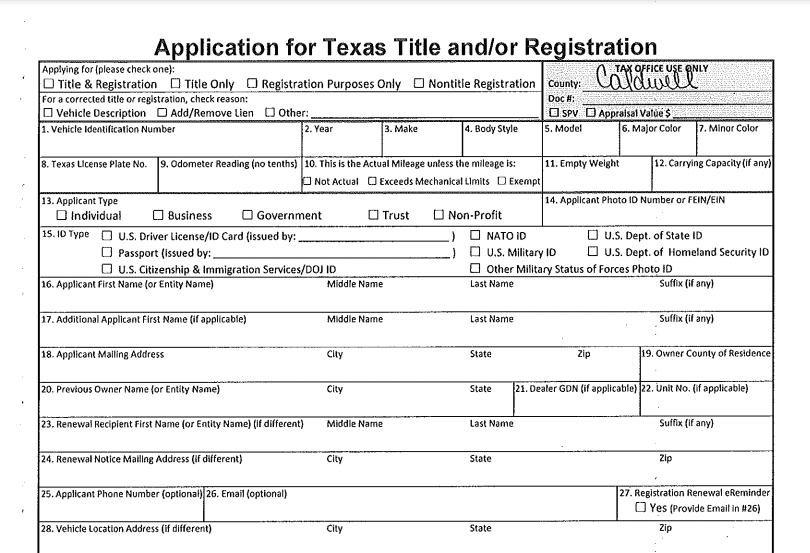
Texas Car Registration Requirements at a Glance
Most Texas vehicle owners should prepare the following:


- Proof of Texas liability insurance
- Government-issued photo ID
- Vehicle title or current out-of-state registration
- Completed Application for Texas Title and/or Registration, Form 130-U
- Proof of inspection or emissions testing, if required
- Payment for registration, local fees, and any title or tax charges
- Lienholder information, if a lender holds the title
- Power of attorney, if someone else is applying for you
The exact documents depend on your situation.
| Situation | Documents you may need |
|---|---|
| You bought a car in Texas | Signed title, Form 130-U, proof of insurance, ID, payment |
| You moved to Texas | Out-of-state title or registration, proof of insurance, Form 130-U, inspection or VIN documents when required |
| You bought from a dealer | Dealer paperwork, proof of insurance, ID, and payment if the dealer did not complete registration |
| You received the car as a gift | Signed title, Form 130-U, gift documentation, proof of insurance, and tax documents |
| The car has a lien | Lienholder details and documents showing the lender’s interest |
| You are registering for someone else | Power of attorney and identification for both parties |
Texas counties may ask for additional documents. Call the county tax office before visiting if your case involves a lost title, inheritance, leased vehicle, military status, or an out-of-state lien.
How to Register a Car in Texas
1. Get Texas auto insurance
You need Texas-compliant liability insurance before registering a car in Texas. Your insurance company usually provides an electronic or printed insurance card.
Texas law generally requires minimum liability coverage of:
- $30,000 for injury to one person
- $60,000 for injury to two or more people
- $25,000 for property damage
These limits are often written as 30/60/25. Your lender may require more coverage if you finance or lease the vehicle.
An insurance policy from another state may not be accepted as proof of Texas insurance. If you recently moved, ask your insurer to issue a Texas policy before you apply for registration.
2. Gather your title and ownership documents
For a Texas-titled vehicle, bring the properly signed title. The seller must complete the required parts of the title, and you must complete the buyer section.
For a vehicle from another state, bring:
- The out-of-state title, if available
- The current out-of-state registration
- A bill of sale or purchase documents, if available
- Lienholder information, if the vehicle is financed
- Any required VIN verification or inspection record


Do not leave blank spaces on a signed title. Do not sign a title until you are ready to complete the sale. Errors, missing signatures, or altered information can delay the title and registration process.
3. Complete Form 130-U
Form 130-U is the Application for Texas Title and/or Registration. It asks for information such as:
- Buyer and seller names
- Vehicle identification number
- Year, make, and model
- Odometer reading
- Sale price
- Lienholder details
- Gift or tax information, when applicable
The seller and buyer may both need to sign the form. Use the legal names shown on your identification and title documents.
4. Complete inspection or emissions requirements
Since January 1, 2025, Texas no longer requires a general safety inspection for most noncommercial vehicles. However, emissions testing still applies in certain Texas counties and for certain vehicles.
Emissions testing applies in these counties:
- Brazoria
- Collin
- Dallas
- Denton
- El Paso
- Ellis
- Fort Bend
- Galveston
- Harris
- Johnson
- Kaufman
- Montgomery
- Parker
- Rockwall
- Tarrant
- Travis
- Williamson
The vehicle must meet the age and type rules for emissions testing. Ask a Texas-licensed inspection station or your county tax office whether your vehicle needs an emissions test.
Vehicles coming from another state may also need a VIN inspection or other verification. The requirement can depend on the vehicle’s title history and records. Your county office can tell you which form or inspection is required.
5. Visit your county tax assessor-collector
Take your documents to the county tax assessor-collector’s office. Texas generally requires you to apply in the county where you live.
At the office, the clerk will review your paperwork, calculate the applicable taxes and fees, and issue your registration receipt. You will normally receive:
- A Texas license plate, if one is needed
- A registration sticker
- A registration receipt
Keep the receipt in a safe place. It can help prove registration if your sticker or plate is lost.
6. Display the plate and registration sticker
Install the license plate as directed by Texas law. Most passenger vehicles use one plate on the front and one on the rear. Some vehicles, such as motorcycles or certain trailers, may have different requirements.
Place the registration sticker on the vehicle in the location required by Texas instructions. Check that the plate is visible and not covered by a frame or accessory.


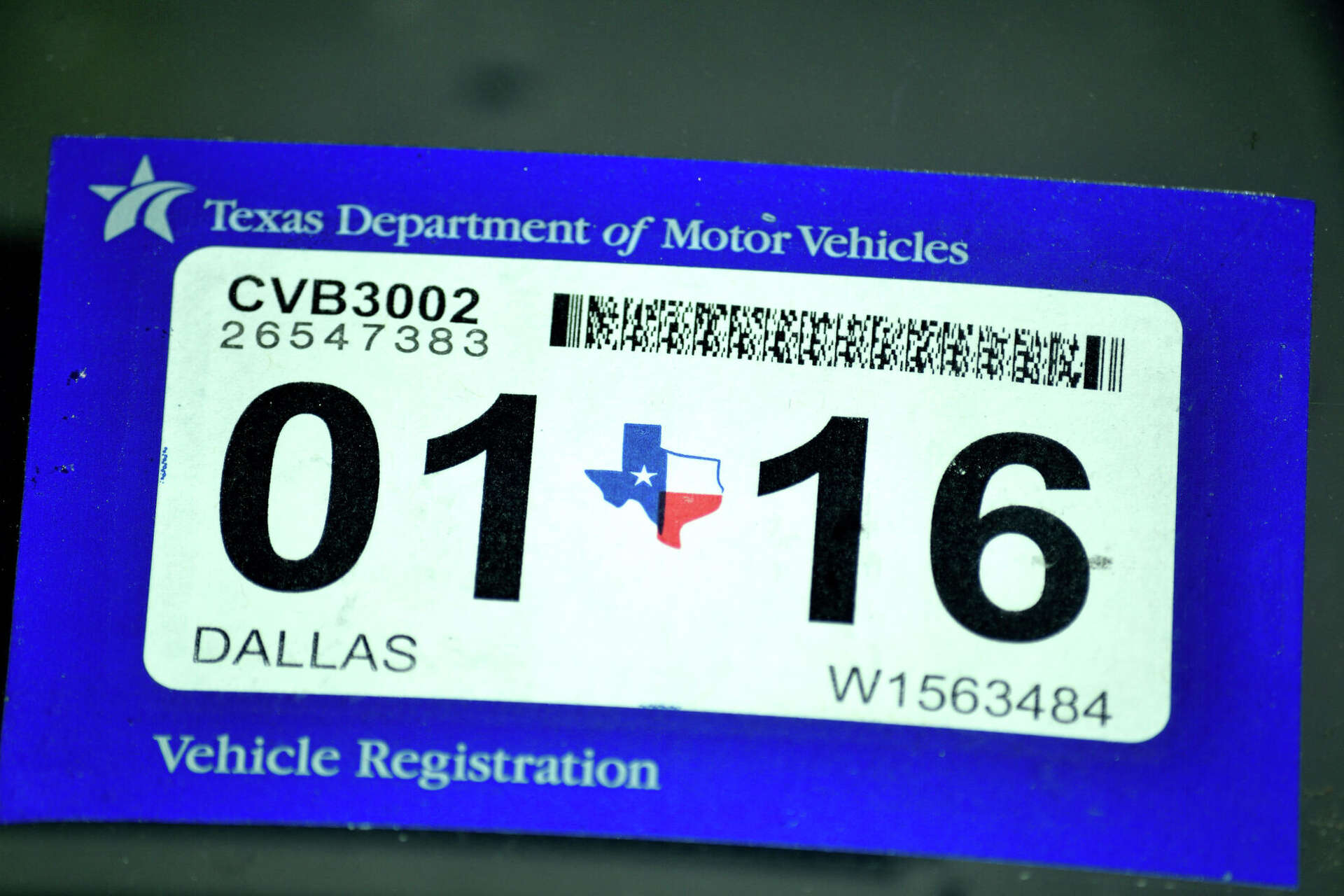
What New Texas Residents Need
New residents should register their vehicles soon after moving to Texas. Texas generally gives new residents 30 days to register their vehicles after establishing residency.
You will typically need:
- Proof of Texas insurance
- The out-of-state title or current registration
- A completed Form 130-U
- Proof of emissions testing, if required
- Any required VIN verification
- Government-issued identification
- Payment for taxes and fees
Texas may charge a new resident tax instead of the usual Texas motor vehicle sales tax when you bring a vehicle that you owned before moving to the state. The amount and eligibility depend on your circumstances.
If you bought the vehicle shortly before moving, Texas may instead require sales or use tax based on the purchase. Bring your purchase contract and payment records so the county can determine the correct tax treatment.
New residents with an out-of-state loan
If a bank or finance company holds the title, bring the lender’s name, address, and lien information. Texas may need to contact the lender or process the title electronically.
Call the county office before your visit if you have only a registration card and cannot obtain the out-of-state title. A loan payoff, lien release, or electronic title record may be needed.
New residents with an expired registration
An expired out-of-state registration does not remove the need to register in Texas. Avoid driving the vehicle until you have confirmed that you may legally operate it.
You may need a temporary permit or another lawful way to move the vehicle while completing registration. Ask the county tax office or TxDMV about the correct permit rather than driving with expired tags.
How Much Does It Cost to Register a Car in Texas?
The cost depends on the vehicle, county, taxes, plate type, and transaction. Common charges can include:
- State registration fee
- Local county road and bridge or other local fees
- Processing and handling fees
- Title application fee
- Texas motor vehicle sales or use tax
- New resident tax, when applicable
- Specialty or personalized plate fees
- Late registration penalties
- Transfer or replacement fees
For a standard passenger vehicle, the state registration fee is commonly listed as $51.75, but that is not the complete amount most people pay. Local fees and processing charges are added.
A simple example:
| Charge type | Applies to |
|---|---|
| State registration fee | Most standard passenger vehicles |
| Local county fees | Varies by county |
| Processing fee | Common registration transactions |
| Title fee | When applying for or transferring a title |
| Sales or use tax | Many purchases and taxable transfers |
| New resident tax | Certain vehicles brought into Texas by new residents |
The county tax office calculates the final amount. Do not rely on the state registration fee alone when budgeting for a title and registration transaction.
Sales tax on a recently purchased car
Texas generally charges motor vehicle sales tax on taxable purchases. The tax is based on the taxable value under Texas rules, not simply on the amount of your monthly loan payment.
Bring the bill of sale, purchase contract, and proof of tax paid in another state. Texas may give credit for qualifying tax paid elsewhere, but the county must review the documents.
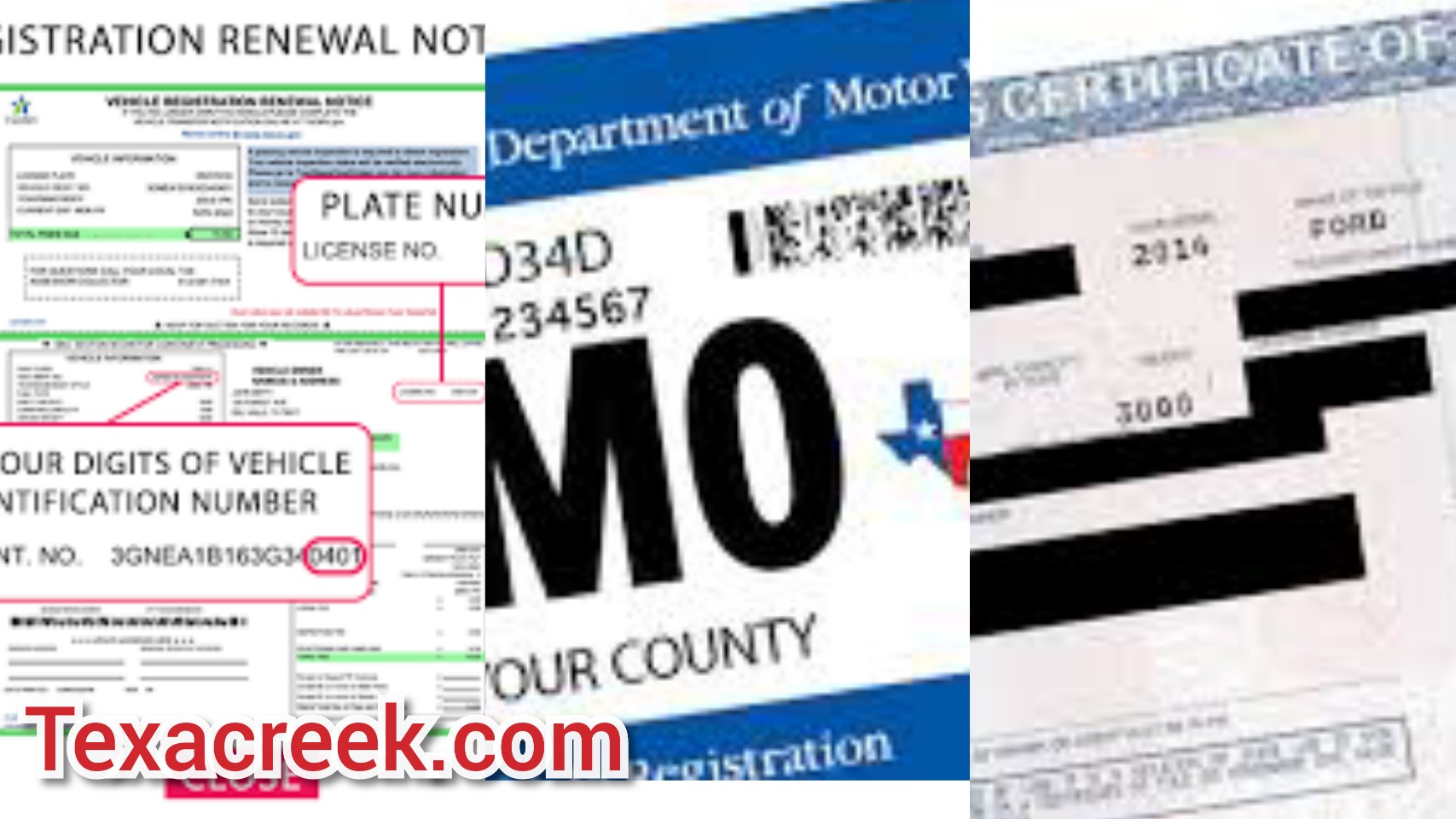
Can You Register a Car Without a Texas Title?
You may be able to register a vehicle without holding a paper Texas title, but you still need proof of ownership and a record that allows Texas to issue or transfer the title.


Possible cases include:
- A lender holds the title electronically
- The vehicle came from a state that uses electronic titles
- The title was lost
- The vehicle was inherited
- The vehicle was given as a gift
- The seller did not properly assign the title
- The vehicle has a salvage, rebuilt, or nonrepairable title
If the title is lost, ask the previous state or lienholder about obtaining a replacement. If the seller cannot be located, the county office may direct you to a bonded title or other title review process.
Do not buy a vehicle with only an informal bill of sale when a title is required. A bill of sale may support your application, but it does not always prove ownership by itself.
Special Registration Situations
Registering a gifted vehicle
A vehicle transferred as a gift may qualify for different tax treatment, but the transfer must be documented correctly. You may need:
- Signed title
- Form 130-U
- Gift affidavit or related tax form
- Proof of insurance
- Identification for the giver and recipient
The county tax office decides whether the transfer qualifies as a gift for tax purposes.
Registering an inherited vehicle
An inherited vehicle may require:
- Death certificate
- Probate or estate documents
- Will or court order, when applicable
- Signed title
- Form 130-U
- Proof of insurance
Requirements vary based on whether the estate went through probate and whether a surviving spouse or beneficiary is transferring the vehicle.
Registering a leased vehicle
For a leased car, the leasing company usually remains the titled owner. You may need:
- Lease agreement
- Proof of insurance
- Lessor authorization
- Vehicle information
- Lienholder or lessor address
Contact the leasing company before visiting the county office. Some lessors handle Texas registration directly.
Registering a rebuilt or salvage vehicle
A salvage, rebuilt, or previously damaged vehicle may require additional title records, inspections, photographs, affidavits, or verification. These vehicles do not follow the same process as an ordinary used car.
Ask the county tax assessor-collector or TxDMV for the exact title procedure before buying the vehicle.
Military members and out-of-state residents
Texas military members and Texas residents temporarily stationed elsewhere may have special registration options. Active-duty military members should check TxDMV rules and provide military orders or other qualifying records when requesting an exemption or special process.


Do not assume that military status automatically waives every fee or document requirement.

Common Reasons Texas Registration Gets Delayed
The most common problems are incomplete documents, title errors, unpaid taxes, and insurance information that does not match the vehicle.
Check these items before you go:
- The VIN matches the vehicle, title, insurance card, and Form 130-U.
- The buyer and seller names are spelled correctly.
- The title has no missing signatures.
- The odometer statement is complete when required.
- The insurance policy covers the correct VIN.
- The lienholder name and address are accurate.
- Any required emissions test is complete.
- Taxes or fees from the purchase have been addressed.
- You have the correct identification.
- You have a payment method accepted by the county office.
If the county rejects your application
Ask the clerk to identify the exact missing item. Common next steps include:
- Contacting the seller for a corrected title
- Asking the lender for a lien release or electronic title record
- Obtaining a replacement title
- Completing a VIN verification
- Paying unpaid tax or penalties
- Correcting the insurance record
- Applying for a temporary permit while the issue is resolved
Keep copies of every document you submit. If the issue involves suspected fraud, a stolen vehicle, or an altered title, stop the transaction and contact TxDMV or law enforcement.
When Do You Need to Renew Texas Registration?
Texas vehicle registration generally expires once each year. Your renewal notice may arrive by mail, but you can also check your registration status through official Texas services.
Many eligible vehicles can be renewed:
- Online
- By mail
- In person at a county office
- At participating subcontractor locations
Online renewal is usually available only when the vehicle and owner meet the state’s eligibility rules. You may not be able to renew online if your address, insurance, inspection, title, or county record needs attention.
Renew before the expiration date. Driving with expired registration can lead to fines, enforcement action, and problems with insurance or vehicle records.
Quick Checklist: What to Bring
Use this checklist before visiting the county tax office:
- Texas insurance card
- Valid government-issued photo ID
- Original title or out-of-state title
- Current registration, if available
- Completed Form 130-U
- Bill of sale or purchase contract
- Odometer reading
- Lienholder information
- Emissions test or other inspection record, if required
- VIN verification, if required
- Gift, inheritance, military, or lease documents, if applicable
- Payment for taxes and fees
The safest next step is to check your county tax assessor-collector’s website or call the office before you go. County rules and appointment systems differ, and a short call can prevent a second trip.
Frequently Asked Questions
How long do I have to register a car after moving to Texas?
New Texas residents generally have 30 days to register their vehicles after establishing residency. You should also arrange Texas insurance and complete any required emissions or VIN steps as soon as possible.


Can I register a car in Texas with an out-of-state license?
Usually, you need proof that you live in Texas and a valid form of identification. A Texas driver license may not be the only acceptable document, but the county office may request proof of Texas residency.
Do I need a Texas inspection to register my car?
Most noncommercial vehicles no longer need a general safety inspection as of January 1, 2025. Emissions testing still applies in certain counties and for qualifying vehicles. An out-of-state vehicle may also need VIN verification or another record check.
Can someone else register my car for me?
Yes, in many cases, but the person may need a signed power of attorney and identification. The county office may require a specific form, especially when the applicant is signing title or tax documents for the owner.
Can I drive my car while waiting for Texas registration?
Do not drive the vehicle on public roads unless it is legally registered, covered by valid insurance, and operated under a valid temporary permit or other lawful authorization. Ask the county tax office or TxDMV about your specific situation.
Official Texas Resources
For the latest requirements, forms, and fee rules, use official state and county sources:
- Texas Department of Motor Vehicles
- TxDMV Vehicle Registration
- TxDMV New to Texas
- Texas Department of Public Safety Vehicle Inspection
- Your local county tax assessor-collector’s office
Conclusion
To register your car in Texas, prepare your Texas insurance card, identification, title or current registration, Form 130-U, and payment. New residents and people with out-of-state vehicles may also need emissions testing, VIN verification, new resident tax documents, or lender paperwork.
Start with your county tax assessor-collector because that office confirms the exact requirements for your vehicle and situation. Bring complete, matching documents, and resolve title or insurance errors before you submit the application.
