

Keeping your car interior fresh is important for both comfort and health. A clean and pleasant-smelling cabin makes every drive more enjoyable. It also keeps you proud of your car, whether you’re picking up a friend or driving alone. Over the years, I’ve learned many ways to freshen up car interiors.
Some tricks come from my own experience, while others are backed by experts in automotive care. If you’ve ever struggled with odors or mess inside your car, this guide will help you fix those issues—and prevent them from coming back.
Why A Fresh Car Interior Matters
A fresh car interior is more than just a nice smell. It can affect your mood and your health. Dust, dirt, and old food can trigger allergies. Bad smells can make driving stressful and embarrassing. According to a survey by the International Carwash Association, 62% of drivers say a clean interior makes them enjoy driving more. A fresh cabin also keeps your car’s value higher if you ever want to sell it.
Common Causes Of Odors And Dirt
Before you start cleaning, it helps to know where smells and mess come from. Here are a few main sources:
- Food spills: Even small crumbs can rot and smell.
- Wet items: Umbrellas, gym bags, or wet shoes can cause mold.
- Smoking: Smoke sticks to seats and carpets.
- Pets: Fur and accidents leave strong odors.
- Air vents: Dust and moisture can build up inside.
- Dirty floor mats: Mud and water get trapped easily.
- Cabin filter: An old filter lets dust and pollen in.
Knowing these sources helps you target your cleaning efforts for best results.
How To Deep Clean Your Car Interior
Let’s start with the basics. A deep clean removes dirt and odors so you can enjoy a truly fresh car. I remember once, after a long road trip, my car had a strange smell. It turned out to be a forgotten apple under the seat! Since then, I always follow these steps:
Step 1: Remove Trash And Personal Items
Take out everything from your car. Remove trash, empty water bottles, papers, and any items from the seats, floor, and trunk. Check under seats and inside pockets. This simple step makes the rest of the process easier.
Step 2: Vacuum Thoroughly
Use a strong vacuum cleaner with attachments. Focus on:
- Seats
- Carpets
- Floor mats
- Under seats
- Door pockets
Move the seats back and forth to reach hidden areas. Even if you don’t see dirt, dust often hides deep in the fabric.
Step 3: Clean Floor Mats
Shake mats outside to remove loose dirt. Then wash them:
- Rubber mats: Rinse with water and scrub with soap.
- Carpet mats: Wash with carpet cleaner and scrub gently.
Let mats dry completely before putting them back. Wet mats can cause mold.
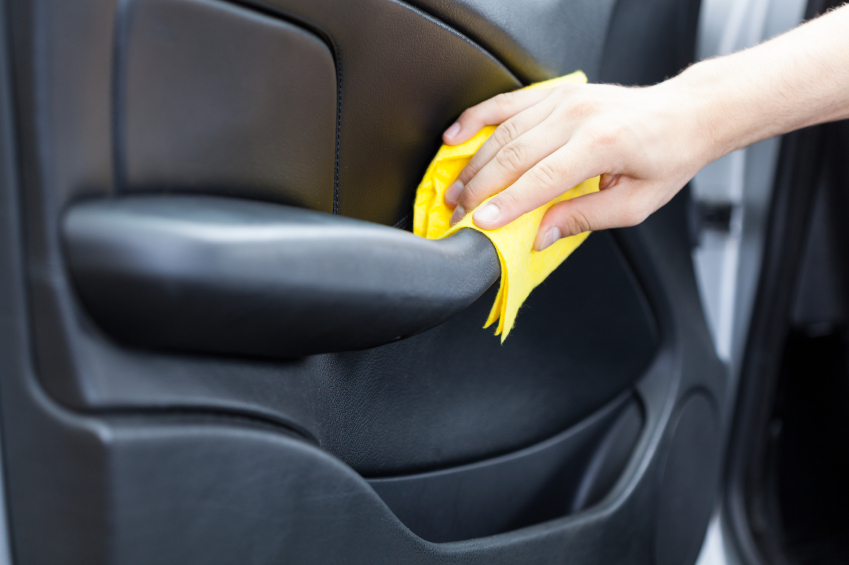
Step 4: Wipe Down Surfaces
Use a microfiber cloth and a safe interior cleaner. Wipe:
- Dashboard
- Steering wheel
- Gear shift
- Door panels
- Center console
Avoid harsh chemicals. They can damage surfaces or leave sticky residues. For tough spots, use a soft brush.
Step 5: Clean Seats
For cloth seats:
- Spray fabric cleaner
- Scrub gently with a brush
- Wipe with a clean towel
For leather seats:
- Use leather cleaner
- Wipe with a soft cloth
- Apply conditioner to keep leather soft
If your seats have stains, treat them right away. Older stains are harder to remove.
Step 6: Clean Windows And Mirrors
Dirty windows make your car look bad and reduce visibility. Spray glass cleaner and wipe with a lint-free cloth. Don’t forget the inside of the windshield and rear window.
Step 7: Clean Air Vents
Dust inside vents can spread odors. Use a vent brush or compressed air to clear debris. For extra freshness, spray a little air freshener into the vents.
Step 8: Replace Cabin Air Filter
Most cars have a cabin air filter. It traps dust and pollen. If your car smells stale, check the filter. Replace it every 12,000 to 15,000 miles, or as recommended by your car’s manual.
Quick Methods For Freshening Car Interior
Sometimes, you need to freshen your car fast—maybe before a date or a ride-sharing job. Here are some quick methods that work well:
- Open windows: Let fresh air in for 10-15 minutes.
- Use fabric freshener: Spray seats and carpets lightly.
- Place baking soda: Sprinkle a bit on carpets, leave for 30 minutes, then vacuum. It absorbs odors.
- Use an air purifier: Portable car purifiers remove smells and dust.
- Hang air fresheners: Choose scents you like, but avoid overpowering ones.
These methods are quick fixes. For lasting freshness, deep cleaning is still needed.
Natural Ways To Remove Odors
If you prefer gentle, chemical-free solutions, try these:
- Charcoal bags: Activated charcoal absorbs bad smells. Place a bag under the seat.
- Coffee grounds: Put dry coffee grounds in a container. They neutralize odors.
- White vinegar: Leave a small bowl of vinegar in the car overnight. It removes strong smells.
- Citrus peels: Orange or lemon peels give a fresh scent. Replace every few days.
These tricks are safe and cheap. I once used coffee grounds after spilling milk in my car—they worked better than store-bought air fresheners.
How To Keep Your Car Interior Fresh Every Day
Once your car is clean, it’s important to keep it that way. These habits will help:
- No eating in the car: Food crumbs are the biggest cause of smells.
- Remove trash daily: Keep a small trash bag and empty it often.
- Check for spills: Clean up wet spots right away.
- Use seat covers: Protect seats from sweat, spills, and pet fur.
- Change cabin filter regularly: This keeps air fresh.
- Keep windows closed in rain: Moisture causes mold and odors.
These simple steps prevent problems before they start.
Products That Help Freshen Car Interior
Many products can make your car smell and feel fresh. Here’s a comparison of popular options:
| Product | Purpose | Pros | Cons |
|---|---|---|---|
| Air fresheners | Add scent | Cheap, easy to use | Temporary effect, may mask odors |
| Fabric sprays | Remove odors | Safe for most fabrics | Need regular use |
| Charcoal bags | Absorb odors | Natural, lasts months | Slow action |
| Car air purifiers | Clean air | Removes dust, pollen, odors | Higher cost |
| Baking soda | Absorb odors | Cheap, effective | Needs cleanup after use |
Choose products based on your needs. For example, if you have allergies, a car air purifier is a smart investment.
Professional Car Interior Cleaning Vs. Diy
Sometimes, you may wonder if you should clean your car yourself or hire a professional. Here’s a helpful comparison:
| Aspect | DIY Cleaning | Professional Cleaning |
|---|---|---|
| Cost | Low (just products) | High ($75-$300) |
| Time | 1-2 hours | 30 min to 2 hours |
| Results | Good for light mess | Deep, thorough |
| Expertise | Basic skills needed | Expert tools and knowledge |
| Frequency | As needed | Every 6-12 months |
If your car has tough stains or strong odors, professionals can help. Otherwise, DIY works well for regular upkeep.
Mistakes To Avoid When Freshening Car Interior
Many people make mistakes that make cleaning harder or less effective. Here are some to watch out for:
- Ignoring spills: Even small spills can cause big odors.
- Using harsh chemicals: These can damage fabric and leather.
- Leaving wet mats inside: Moisture leads to mold.
- Overusing air fresheners: Too many scents can be unpleasant.
- Not cleaning air vents: Odors often hide here.
Avoiding these mistakes saves time and keeps your car fresh longer.
Expert Tips For Lasting Freshness
Based on both personal experience and advice from cleaning professionals, here are some advanced tips:
- Steam cleaning: For deep stains, use a steam cleaner. It removes dirt and kills bacteria.
- Ozone treatment: Some shops offer ozone machines that remove all odors. It’s useful after smoke or pet accidents.
- UV light: Portable UV sanitizers can kill germs in seats and carpets.
- Regular detailing: Schedule professional detailing once or twice a year for best results.
These methods are especially useful for cars used daily or with kids and pets.
Credit: www.meineke.com
Seasonal Advice For Car Interior Freshness
Different seasons bring different challenges. In summer, sweat and heat can make smells stronger. In winter, moisture from rain or snow can cause mold.
- Summer: Air out your car often and use sunshades to reduce heat.
- Winter: Dry wet mats and clothes before bringing them in. Use moisture absorbers like silica gel.
Adjust your cleaning routine based on the weather for the best results.
Data: How Often Should You Clean?
Studies show that most people clean their car interior every 2-4 weeks. However, experts recommend a light cleaning every week and a deep cleaning every 2-3 months. Here is a simple breakdown:
| Cleaning Type | Recommended Frequency |
|---|---|
| Light cleaning | Weekly |
| Deep cleaning | Every 2-3 months |
| Professional detailing | Every 6-12 months |
Following this schedule keeps your car fresh and helps prevent odors and stains.
/how-to-clean-car-interior-4775265-08-841a91bf649c481a8663348427a23df3.jpg)
Credit: www.thespruce.com
Personal Experience: The Power Of Routine
I used to clean my car only when it started to smell bad. But after switching to weekly cleaning, my car always feels fresh. It takes just 10 minutes each week to remove trash, wipe surfaces, and check for spills.
This routine saves me from deep cleaning and embarrassment.
Updated Information: New Products And Trends
The auto industry is always improving cleaning products. In 2026, many new items are available:
- Eco-friendly cleaners: These products use plant-based ingredients and are safe for sensitive skin.
- Smart air purifiers: Modern purifiers track air quality and adjust automatically.
- Wireless vacuum cleaners: Rechargeable handheld vacuums are powerful and easy to use.
If you want to stay updated on the latest trends, check sites like Consumer Reports for reviews and advice.
:max_bytes(150000):strip_icc()/how-to-clean-car-interior-4775265-Hero-01-e95ef9c85b5343af9c9dadfb87c51f9d.jpg)
Credit: www.thespruce.com
Frequently Asked Questions
How Can I Remove Cigarette Smell From My Car?
Cigarette smell is tough to remove. First, clean all surfaces with a strong cleaner. Replace the cabin air filter and use an ozone machine if available. Place charcoal bags under the seats. Repeat cleaning as needed. Smoke penetrates fabrics, so deep cleaning may be required.
Is It Safe To Use Vinegar To Clean My Car Interior?
Yes, white vinegar is safe for most surfaces. Mix it with water for cleaning. However, avoid using vinegar on leather, as it can dry out the material. Always test a small spot first.
How Often Should I Replace My Cabin Air Filter?
Most experts suggest changing the cabin filter every 12,000 to 15,000 miles. If you notice odors or reduced air flow, replace it sooner. Check your car’s manual for specific advice.
What Is The Best Way To Prevent Pet Odors?
Use seat covers and clean them often. Vacuum your car after each trip with pets. Place charcoal bags or baking soda under the seats to absorb smells. Bathe your pet before travel if possible.
Can I Use Household Cleaners For My Car?
Some household cleaners are safe, but avoid anything with bleach or strong chemicals. Use mild soap, water, or products made for cars. Always check labels and test a small area first.
A fresh car interior isn’t just for looks—it’s for your comfort and health. With the right cleaning steps, products, and habits, you can enjoy every drive in a clean, pleasant environment. Remember, regular care is easier than fixing big problems later.
If you ever feel overwhelmed, don’t hesitate to try professional detailing or new products. Your car—and your nose—will thank you.