

The lightest road-legal car is often the 59-kg Peel P50, but class and market rules matter.
The answer to “what is the lightest car” depends on how you define a car. A tiny three-wheeler, a modern sports car, and a normal four-seat vehicle all use different weight standards. This guide explains the lightest cars ever made, the lightest modern cars, how weight is measured, and what low mass means for safety, speed, and daily use.
What is the lightest car?
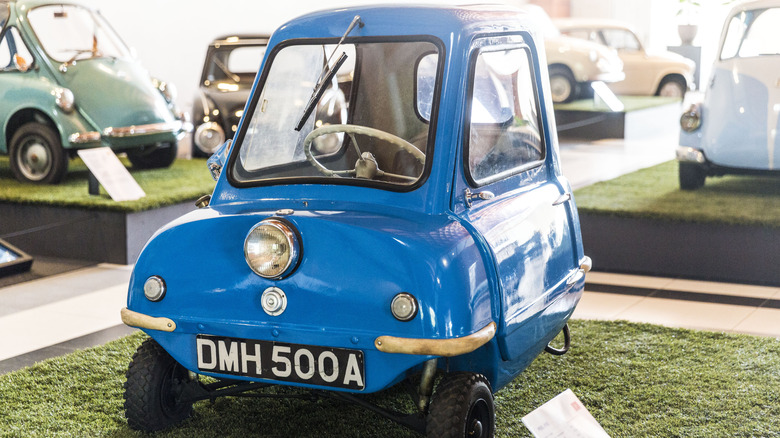
The Peel P50 is widely recognized as the lightest production car ever made. It weighs about 59 kilograms, or 130 pounds, in its lightest form. It has one seat, three wheels, a tiny body, and a very small engine or electric motor in later versions.
However, the Peel P50 is not what most people picture when they ask, “what is the lightest car?” It is closer to a motorized cabin than a normal family car. It has limited space, minimal safety equipment, and very little protection in a crash.
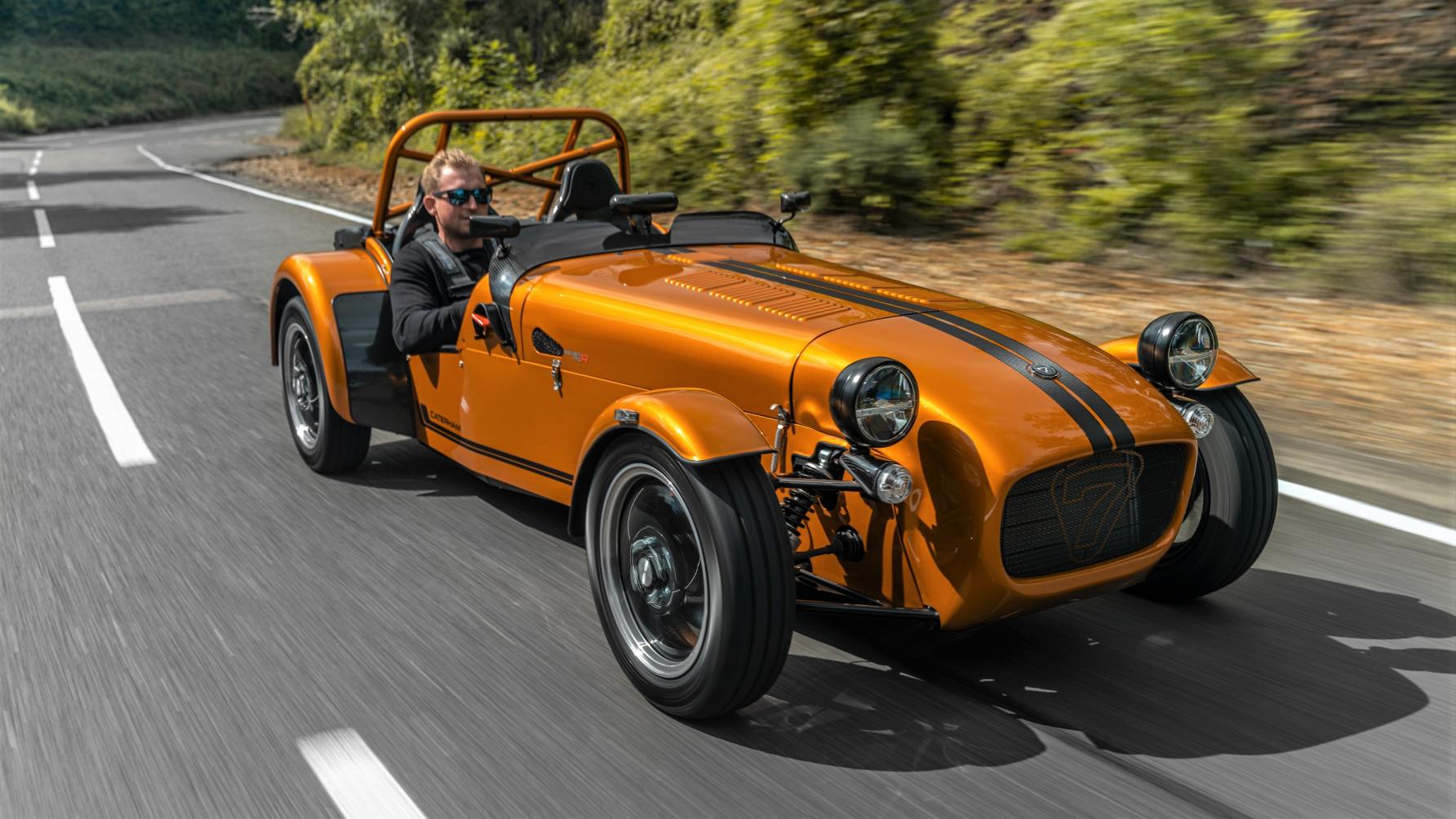
For a modern, high-performance car, the Caterham Seven 170 is one of the best answers. Its weight is roughly 440 kilograms, or 970 pounds, depending on specification and market. It is a two-seat sports car with a proper chassis, suspension, brakes, and road equipment.
The answer changes by category:
• Lightest production car ever: Peel P50, about 59 kg.
• Lightest modern sports car: Caterham Seven 170, about 440 kg.
• Lightest practical four-wheel car: Models such as the Smart Fortwo and older compact city cars are much heavier, but more useful.
• Lightest electric car: Small neighborhood EVs can weigh under 500 kg, but most modern electric cars weigh far more because of their batteries.
The Peel P50: the lightest production car
The Peel P50 was built on the Isle of Man in the 1960s. It was designed for simple city travel, not long road trips or high-speed driving. Its tiny size made it easy to park and, in some versions, easy to move by hand.
The original P50 weighs around 59 kg. It is about 54 inches long and has only one seat. The car was so small that its makers promoted it as a vehicle that could fit through a standard doorway.
Its basic design explains the low weight:
• A very small fiberglass body.
• A simple tubular frame.
• One seat.
• Three wheels.
• Few comfort features.
• A small engine with limited power.
• Almost no crash protection compared with a modern car.
The Peel P50 gained worldwide attention after appearing on television and in online car videos. Its fame is real, but it is important to understand its limits. It is not a normal commuter car, and its low weight does not make it automatically safer.
The P50 is a perfect example of why the question “what is the lightest car” needs context. It wins the weight contest, but it would not win a contest for comfort, safety, cargo room, or highway ability.
The Caterham Seven 170: the lightest modern sports car
For drivers who want a real sports car, the Caterham Seven 170 is a stronger answer to what is the lightest car today. It weighs about 440 kg, or 970 pounds, before some optional equipment. Exact figures can vary by trim, fluids, wheels, and local regulations.
The Seven 170 uses a lightweight steel chassis and a simple open body. It does not carry the heavy sound insulation, powered seats, large screens, complex air bags, and luxury systems found in modern cars.
Its engine produces modest power by modern sports car standards. Yet the low weight gives it a strong power-to-weight ratio. The result is quick acceleration, sharp steering, and a very direct driving feel.
This is the central lesson in lightweight car design: mass affects nearly every part of performance.
A lighter car can offer:
• Faster acceleration with less engine power.
• Shorter braking distances in many conditions.
• Better cornering response.
• Lower tire wear.
• Lower fuel use.
• Less strain on suspension parts.
Driving a Caterham is not like driving a heavy sports sedan. It feels more like wearing a pair of racing shoes than a pair of work boots. You feel the road more clearly, but you also feel bumps, wind, noise, and weather.
Other very light cars worth knowing
The answer to what is the lightest car also depends on whether you mean a current model, a historic model, or a road-legal car. Several vehicles deserve attention because they show different ways to reduce weight.
Morgan 3 Wheeler
The Morgan 3 Wheeler is a small, open-air vehicle with three wheels. Older versions weighed roughly 500 to 600 kg, depending on the model. Newer versions are also light compared with most sports cars.
It offers a dramatic driving experience, but it is not a practical family vehicle. Its low weight comes with limited storage, little weather protection, and a cabin that feels more like a cockpit.
Smart Fortwo
The Smart Fortwo is not the lightest car ever built, but it is one of the smallest modern four-wheel cars. Many versions weigh between about 750 and 1,000 kg, depending on the engine, battery, equipment, and generation.
It has more safety and comfort equipment than a Peel P50. It also offers a more useful cabin and better protection in modern traffic. That makes it a more realistic city choice.
Mazda MX-5 Miata
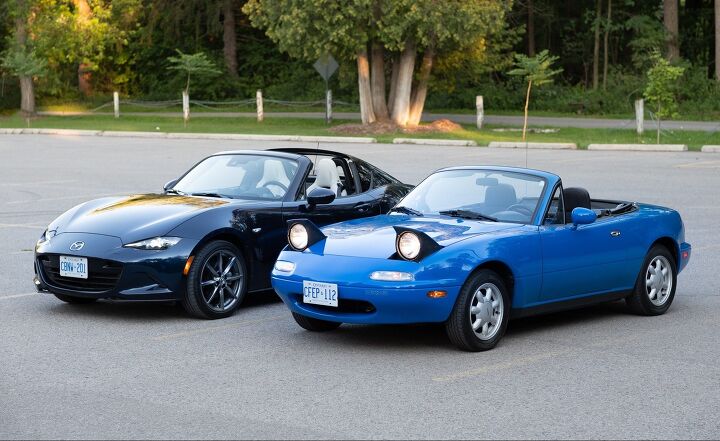
The Mazda MX-5 Miata is not the lightest car on the market, but it remains light for a modern sports car. Depending on the generation and trim, it weighs roughly 2,300 to 2,500 pounds.
The Miata shows how careful engineering can keep a car enjoyable without making it extreme. It has two seats, good reliability, modern safety systems, and enough comfort for daily use.
Lotus Elise
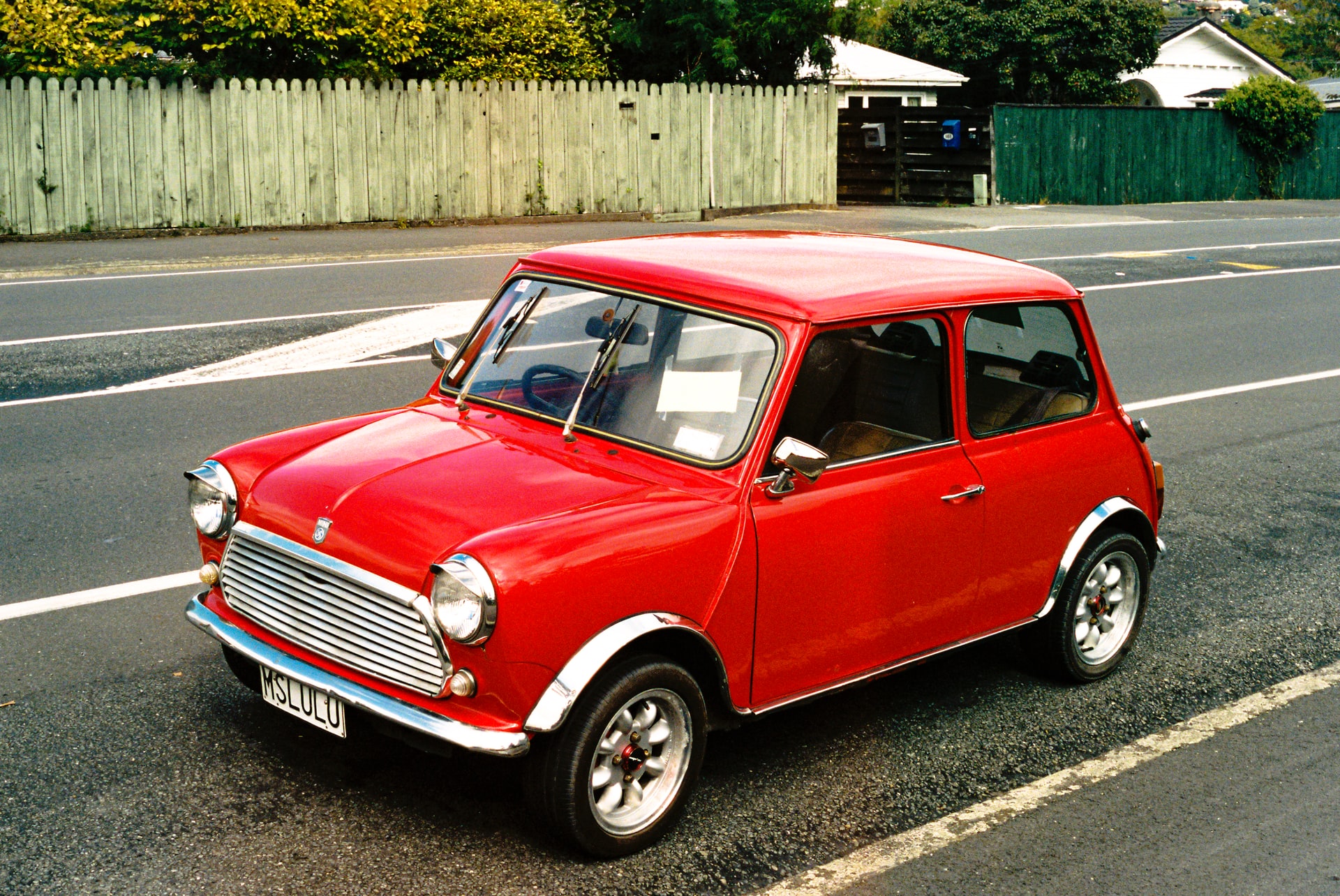
The Lotus Elise became famous for its low weight and simple engineering. Many versions weighed between about 850 and 950 kg. That is much heavier than a Caterham Seven, but very light compared with most current sports cars.
Lotus built the Elise around the idea that reducing weight is often better than adding power. This approach influenced many performance cars.
Renault Twizy
The Renault Twizy is a compact electric quadricycle designed for urban travel. It weighs far less than a normal electric car because it uses a small battery, a narrow body, and limited equipment.
It is useful in dense cities, but it is not a full replacement for a conventional car. Range, weather protection, speed, and crash protection are limited.

How car weight is measured
A major reason people disagree about what is the lightest car is that weight figures are not always measured the same way.
Common terms include:
• Curb weight: The car’s weight with standard equipment and operating fluids, but usually without passengers or cargo.
• Dry weight: The car without fuel and sometimes without other fluids. This figure is usually lower.
• Gross vehicle weight: The maximum legal weight of the vehicle, passengers, cargo, and fluids.
• Payload: The amount of passenger and cargo weight a car can carry.
• Kerb weight: A term used in many countries for a vehicle ready to drive, although the exact rule can vary.
A car listed at 440 kg may weigh more after adding fuel, safety equipment, a spare tire, a roof, and optional parts. Always check the manufacturer’s local specification sheet before comparing models.
This matters when researching what is the lightest car. Comparing one model’s dry weight with another model’s curb weight can create a misleading result.
For fair comparisons, use the same standard for every vehicle. Curb weight is usually the most useful figure for shoppers because it better reflects real-world driving.
Why lightweight cars perform so well
Weight affects more than speed. It changes how a vehicle feels, stops, turns, and uses energy.
Better power-to-weight ratio
A 100-horsepower engine can feel strong in a 500-kg car. The same engine may feel weak in a 2,000-kg vehicle. This is why low-weight sports cars can be exciting without using a large engine.
Lower energy use
A lighter car needs less energy to move. This can improve fuel economy in a gasoline car and extend range in an electric vehicle. The benefit is strongest in city driving, where the car must repeatedly accelerate from a stop.
Smaller brakes and tires
Light cars can often use smaller brakes and tires. This may reduce replacement costs and unsprung weight. Smaller wheels can also improve ride comfort on rough roads.
More agile handling
A light car changes direction quickly. It can feel alert and easy to place on a narrow road. Drivers often describe this feeling as “nimble” or “connected.”
Lower environmental impact
Using less material can reduce the energy needed to build a vehicle. A lighter car also uses less energy during its life. However, total environmental impact still depends on manufacturing, fuel use, battery production, and vehicle lifespan.

The limits and risks of ultra-light cars
Low weight is not always better. It creates trade-offs that buyers should understand.
The biggest concern is crash protection. A heavier vehicle can sometimes provide more space and structure around its occupants. Modern safety also depends on crumple zones, air bags, electronic controls, seat belts, and crash testing. A tiny vehicle may have less room to absorb crash energy.
Ultra-light cars may also have:
• Less sound insulation.
• Limited storage space.
• Less protection from rain, heat, and cold.
• Lower stability in strong wind.
• Smaller engines or batteries.
• Less highway comfort.
• Higher exposure to surrounding traffic.
A light vehicle can stop quickly, but that does not mean it is safe in every crash. Tire condition, brakes, seat belts, visibility, road surface, and driver skill all matter.
Another issue is legal classification. Some tiny vehicles are classed as motorcycles, tricycles, quadricycles, or neighborhood electric vehicles. They may not meet the same rules as a standard passenger car.
Before buying the lightest car, check:
Whether it is legal on your local roads.
Whether it can use highways.
Whether it has modern crash testing.
Whether parts and service are available.
Whether your insurance company will cover it.
Whether the vehicle fits your daily trips.

What makes a car light?
Engineers reduce weight through many small choices. No single part usually explains the full result.
Common weight-saving methods include:
• Aluminum body panels.
• Carbon-fiber or composite parts.
• Smaller engines.
• Fewer seats.
• Simple dashboards.
• Thin glass.
• Small wheels.
• Lightweight suspension parts.
• Smaller fuel tanks or batteries.
• Minimal sound insulation.
• Fewer powered features.
Material choice helps, but design matters just as much. A light aluminum panel does not help if the car needs extra reinforcement elsewhere. Good lightweight engineering removes mass while keeping the structure strong.
There is also a useful rule called “mass reduction creates more mass reduction.” If a car becomes lighter, it may need smaller brakes, springs, tires, and engine parts. Those smaller parts reduce the weight again.
This is why sports car companies often begin with a low target weight. It can improve the whole vehicle, not just one component.
What is the lightest car for daily driving?
For daily use, the lightest car is not always the best car. A vehicle should match the roads, weather, traffic, and trips you make.
A Peel P50 may suit a collector or a short private-road experience. It is a poor choice for regular highway travel. A Caterham Seven may be excellent for weekend driving but tiring for commuting in rain or heavy traffic.
A small modern hatchback may be the better answer for many people. It offers a useful cabin, modern safety features, air conditioning, and easier access to service centers.
When choosing a lightweight car, consider:
• Your average trip length.
• Local speed limits and highway rules.
• Winter weather and rain.
• Passenger needs.
• Parking space.
• Repair costs.
• Insurance rates.
• Safety equipment.
• Access to replacement parts.
A practical lesson from comparing lightweight cars is simple: do not shop by curb weight alone. The best car is the lightest one that still performs every task you need.
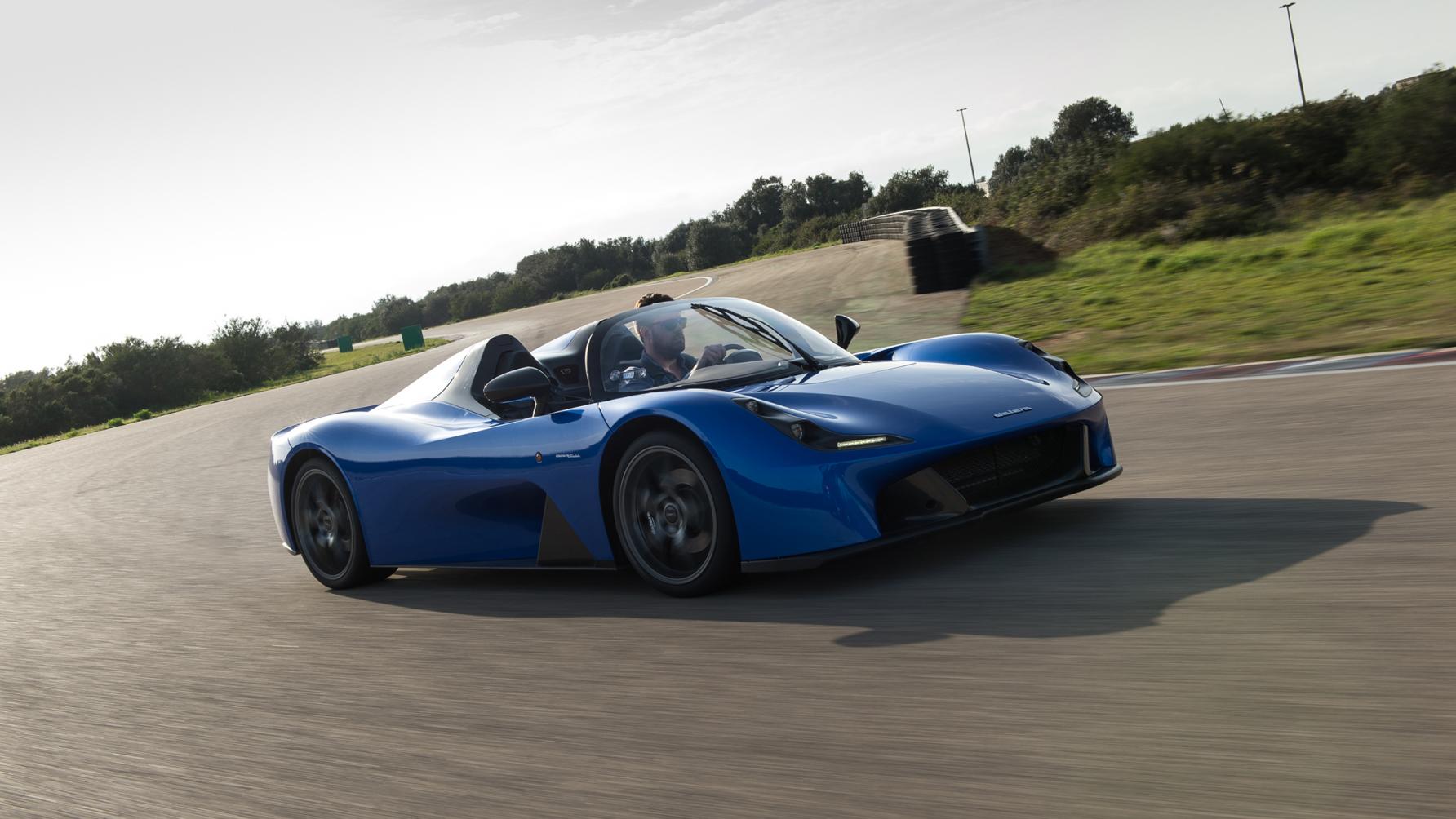
What is the lightest car for performance?
The Caterham Seven 170 is one of the strongest choices for lightweight performance. It provides a genuine sports car layout and a very low mass without being as extreme as the Peel P50.
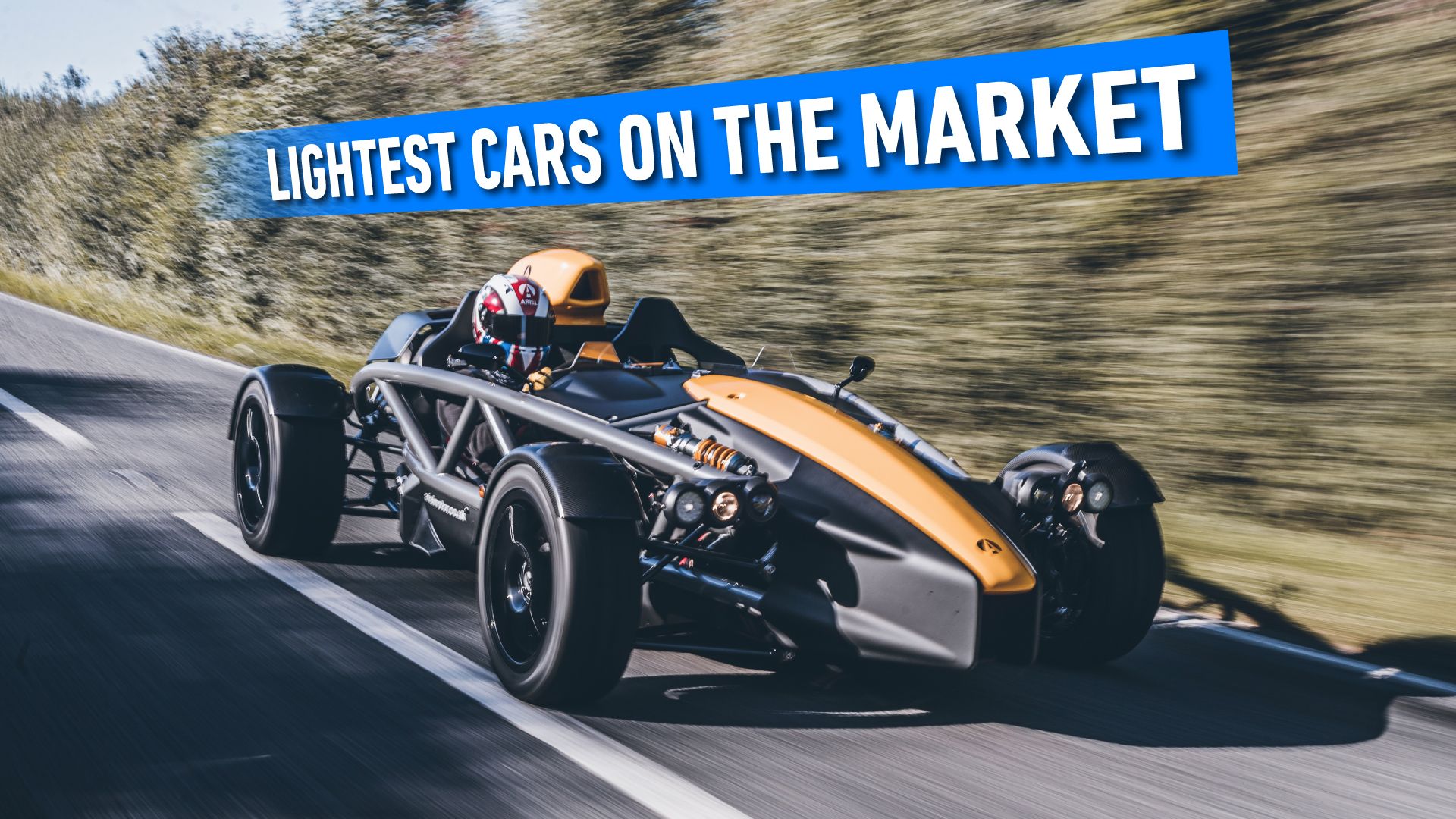
The Ariel Atom is another very light performance car. Depending on the version, it can weigh around 600 kg or more. It has an exposed frame, two seats, and a powerful engine, so it focuses on track-style performance rather than comfort.
The BAC Mono is a single-seat track-focused car with very low weight. It is highly specialized and may not be practical or legal for normal road use in every market.
These cars show that the answer to what is the lightest car for performance is not always the car with the lowest number. Power, tires, suspension, aerodynamics, driver position, and chassis balance all affect performance.
For most enthusiasts, a light sports car with modest power is easier to enjoy than a heavy car with extreme power. It can be faster on narrow roads, less expensive to operate, and more rewarding at legal speeds.
How to compare lightweight cars correctly
Use a clear process before deciding which model deserves your attention.
- Confirm the official weight
Check the manufacturer’s specification sheet. Look for curb weight, not just a promotional dry-weight figure.
- Compare the same vehicle class
Do not compare a single-seat three-wheeler with a five-seat sedan and call the result a fair comparison.
- Review safety equipment
Check air bags, electronic stability control, crash-test results, seat belts, and the vehicle’s legal category.
- Check real-world range
For gasoline cars, consider fuel economy and tank size. For electric cars, review battery capacity, charging speed, and winter range.
- Calculate ownership costs
A light car may use less fuel, but rare parts or specialist repairs can cost more.
- Consider comfort
A low weight figure is not helpful if the car leaves you tired after every trip.
- Take a proper test drive
Pay attention to visibility, seating, road noise, ride quality, brake feel, and ease of entry. Numbers matter, but daily comfort matters too.
Frequently Asked Questions About What Is the Lightest Car
What is the lightest car ever made?
The Peel P50 is commonly recognized as the lightest production car. Its lightest version weighs about 59 kg, or 130 pounds.
What is the lightest road-legal car today?
The answer depends on the country and vehicle class. The Caterham Seven 170 is one of the lightest modern road-legal sports cars, while tiny quadricycles and three-wheelers may weigh less.
Is the lightest car also the safest?
No. Low weight does not guarantee strong crash protection. Safety depends on structure, crash design, seat belts, air bags, stability systems, and verified testing.
What is the lightest four-wheel car?
There is no single worldwide answer because specifications and legal categories differ. Small city cars and lightweight sports cars can be among the lightest four-wheel options, but they are much heavier than the three-wheeled Peel P50.
Why are electric cars usually heavier?
Electric cars need large battery packs. Batteries store energy efficiently, but they add considerable mass compared with a small gasoline engine and fuel system.
Does a lighter car use less fuel?
Usually, yes. A lighter car needs less energy to accelerate and climb hills. Aerodynamics, tires, engine design, driving style, and traffic also affect fuel use.
Conclusion
So, what is the lightest car? The Peel P50 holds the famous production-car answer at about 59 kg, but it is a tiny specialty vehicle. For a modern sports car, the Caterham Seven 170 offers one of the clearest examples of lightweight performance at about 440 kg.
Weight affects speed, handling, efficiency, and cost, but it also brings trade-offs in safety, comfort, space, and weather protection. Compare vehicles using the same weight standard, check local laws, and choose the lightest car that fits your real needs. Explore verified specifications, arrange a test drive, and share your favorite lightweight car in the comments.