
Vacuum, deep-clean surfaces, replace filters, and use absorbers or ozone for stubborn odors.
I have spent years detailing cars and testing methods to remove smoke odor. This guide shows clear, safe steps for how to get cigarette smell out of car. I explain why the smell sticks, what works fast, which products to trust, and when to call a pro. Read on for step-by-step actions you can do today to reclaim a fresh interior.

Why cigarette smell lingers in cars
Cigarette smoke is a mix of gases and tiny particles.
Those particles sink into fabric, foam, plastics, and the ventilation system.
The smell hides in carpets, seat foam, headliner, and cabin air filters.
That is why surface cleaning alone often fails when you try to get cigarette smell out of car.

Quick checklist: What you'll need
- Vacuum with brush and crevice tools
- Steam cleaner or carpet extractor for deep cleaning
- Baking soda and activated charcoal for odor absorption
- White vinegar or enzyme cleaner for neutralizing smoke odors
- Microfiber cloths and soft brushes
- Replacement cabin air filter
- Optional: ozone generator (use with caution) or professional ozone treatment

Step-by-step: How to get cigarette smell out of car (deep clean)
- Air the car out first. Open doors and windows for several hours on a dry, breezy day. Fresh air lowers surface concentration of smell.
- Remove trash and all loose items. Empty ashtrays and take out floor mats and seat covers.
- Vacuum everything. Work seats, carpets, crevices, and under seats. Use a brush tool to lift trapped ash and dust.
- Clean hard surfaces. Wipe dash, door panels, cup holders, and ashtray with a solution of warm water and mild cleaner. Rinse with a clean cloth.
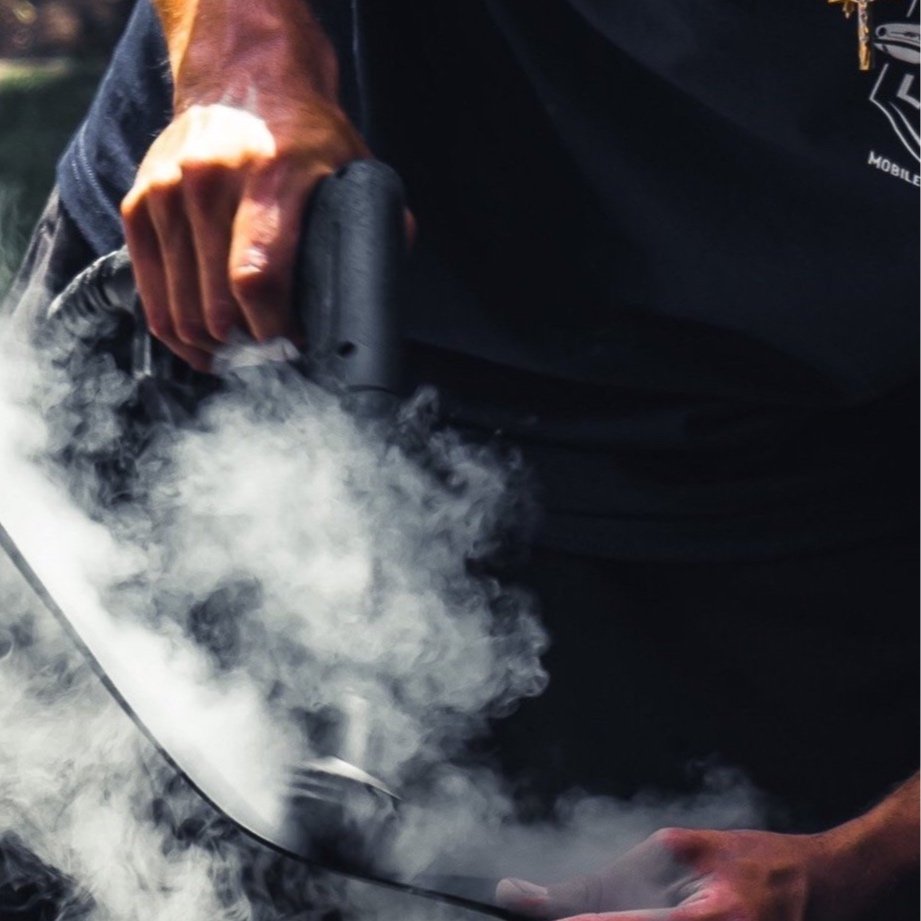
- Shampoo carpets and upholstery. Use a carpet extractor or foam cleaner. For cloth seats, scrub gently and extract as much moisture as possible. Repeat if smell persists.
- Clean vents and ducts. Use a vent brush, compressed air, and a mild disinfectant. Spray a water-vinegar mix into vents while the blower runs on high to push through the system.
- Replace cabin air filter. Old filters trap smoke and recirculate it. Swap it for a new filter and run the A/C on fresh-air mode.
- Use odor absorbers. Sprinkle baking soda on carpets and upholstery, leave overnight, then vacuum. Place activated charcoal pouches inside the car for several days.
- Consider ozone or enzyme treatment for tough cases. Use ozone only with safety steps—or hire a pro. Enzyme cleaners can break down organic residues left by smoke.

Cleaning specific areas and materials
Cloth seats and carpets
- Pre-vacuum well.
- Use a steam cleaner or upholstery shampoo.
- Allow full drying. Dampness can cause musty smells.
Leather seats and vinyl
- Wipe with a mild leather cleaner.
- Condition leather afterward. Avoid harsh chemicals that strip finish.
Headliner and fabric trim
- Use a low-moisture foam cleaner.
- Do not saturate the headliner; it can delaminate. Blot gently and air dry.
Vents, ducts, and HVAC system
- Run the fan on high with fresh-air intake open while spraying a vent-safe cleaner.
- Replace cabin filter and run AC to flush the system.
Ashtrays, cupholders, and small crevices
- Soak removable inserts in vinegar and water.
- Scrub with a toothbrush to reach stains and residue.

Odor removal methods and products — pros and cons
Baking soda
- Pros: Cheap and non-toxic. Good for mild odors.
- Cons: Slow. Needs time to absorb smell.
Activated charcoal
- Pros: Strong absorber for gases. Lasts longer than baking soda.
- Cons: Requires containment; messy if spilled.
White vinegar
- Pros: Neutralizes odors chemically. Safe and cheap.
- Cons: Leaves its own scent until it dries.
Enzyme cleaners
- Pros: Break down organic residues that hold smell. Good on upholstery and headliner.
- Cons: May need repeat applications.
Ozone generators
- Pros: Penetrate foam and fabrics to oxidize odor molecules. Highly effective on stubborn smoke.
- Cons: Unsafe for humans and pets during use. Must be handled by a trained person or with strict safety steps.
Professional steam cleaning and shampooing
- Pros: Deep clean that removes particles and stains. Often successful.
- Cons: Costlier than DIY.
Safety tip: Do not use ozone in a car with leather that is old or cracked without expert advice, and never occupy the vehicle during ozone treatment.

Professional options, time, and cost
- Mobile detailers and shop-based detail centers can deep-clean upholstery and ducts. Typical time: 2–6 hours. Cost: varies by region and vehicle condition.
- Ozone treatment by a pro usually takes 1–3 hours and can be effective in one session. Expect an extra fee.
- Replacing heavily saturated parts (seat foam, headliner) is a last resort. This is the most expensive option but can eliminate persistent smell.
From my experience, most cars improve 70–90% with a good DIY deep clean, and a single professional ozone session fixes the remainder in many cases.
Prevention and long-term care
- Make the car a no-smoking zone to stop new deposits.
- Replace cabin air filter every 12,000–15,000 miles or sooner if you drive in smoky conditions.
- Use a reusable charcoal pouch or an odor-absorbing gel in the car. Replace monthly.
- Wipe down surfaces weekly to stop buildup.
- If a guest smokes, air out the car immediately and run the fan on fresh-air mode.
Common concerns (PAA-style)
How long does it take to remove cigarette smell from a car?
- Mild cases can improve in a few hours with airing and baking soda. Deep-set odors may take days or multiple cleanings.
Will an air freshener hide the smell?
- Air fresheners mask the odor temporarily but do not remove smoke particles. Use them only after deep cleaning.
Is ozone safe for people and pets?
- No. Ozone is harmful to breathe. People and pets must stay away during treatment and until the car is aired out thoroughly.
Frequently Asked Questions of how to get cigarette smell out of car
What is the fastest way to remove cigarette smell from a car?
The fastest route is airing out the car, vacuuming, shampooing upholstery, and replacing the cabin air filter. For stubborn scent, a professional ozone treatment is often fastest.
Can baking soda eliminate cigarette smell?
Baking soda helps absorb mild smoke odors in fabrics and carpets. It works best as part of a broader cleaning plan, not alone for heavy, set-in smoke.
Will car air fresheners remove smoke smell permanently?
Air fresheners only mask the smell. They do not remove particles or residue that hold the odor. Permanent removal needs cleaning and odor neutralizers.
How often should I replace the cabin air filter after a smoker used the car?
Replace the cabin air filter right away after a heavy smoke exposure. Then follow the vehicle schedule or replace every 12,000–15,000 miles for ongoing freshness.
Is ozone treatment safe for my car’s interior materials?
Ozone can be effective but may age some materials if overused. It is best done by a professional who knows safe exposure levels and post-treatment airing.
Can I use vinegar to remove smoke odor?
Yes. A vinegar solution can neutralize smoke odor on hard surfaces and in fabric. Leave windows open while it dries to remove the vinegar smell.
Do enzyme cleaners work on smoke smell?
Enzyme cleaners help break down organic residues and can reduce the smell. They work well on upholstery and spots where smoke residues collect.
Conclusion
Removing cigarette smell from a car takes a mix of cleaning, odor absorption, and system care. Start with airing, vacuuming, and replacing the cabin air filter. Use shampooing and enzyme cleaners for fabrics. For tough cases, consider professional ozone or deep-detail services. Take action now: pick one deep-clean step today and follow up with prevention habits to keep your car fresh. Share your results, ask a question below, or subscribe for more practical car-care tips.