How Much Is A New Ball Joint: Cost Guide
Introduction
A new ball joint usually costs $200 to $600 installed in the United States. The ball joint itself may cost about $40 to $200, while labor often adds $150 to $400. If the joint is built into the control arm, the repair can cost $400 to $1,000 or more.
Your final price depends on the vehicle, the type of suspension, the location of the joint, local labor rates, and whether the shop recommends an alignment. This guide explains the full cost, warning signs, repair choices, and questions to ask before approving the work.

Ball Joint Replacement Cost at a Glance
The table below shows common U.S. planning ranges. These are general estimates, not a guaranteed quote for a specific vehicle.
| Repair item | Typical U.S. cost |
|---|---|
| Ball joint part only | $40–$200 |
| Labor for one ball joint | $150–$400 |
| One ball joint installed | $200–$600 |
| Two separate ball joints installed | $400–$1,000 |
| Control arm with ball joint installed | $400–$1,000+ |
| Wheel alignment, if needed | $100–$200 |
| Four-wheel alignment | $150–$250 |
| Dealer repair | Often higher than an independent shop |
Some vehicles use a press-in ball joint. Others use a control arm that includes a pre-installed joint. On the second type, the shop may replace the complete control arm instead of pressing out only the joint.
A quote near the lower end may apply to a common vehicle with easy access and an inexpensive aftermarket part. A quote near the higher end may involve a truck, luxury vehicle, rusted fasteners, a complete control arm, or extra suspension work.
What Does a Ball Joint Do?
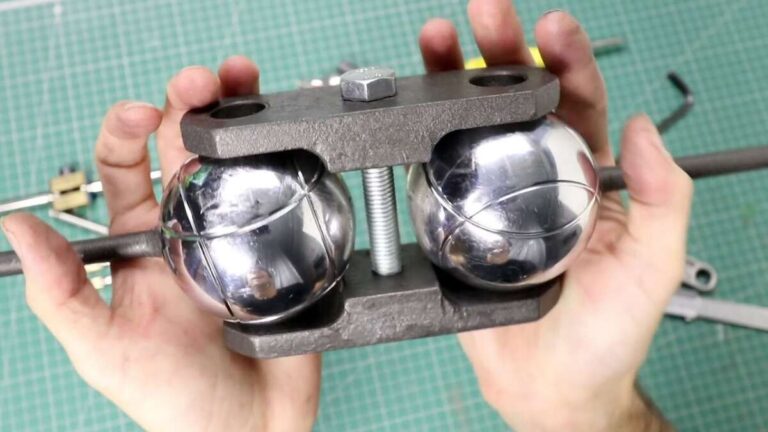
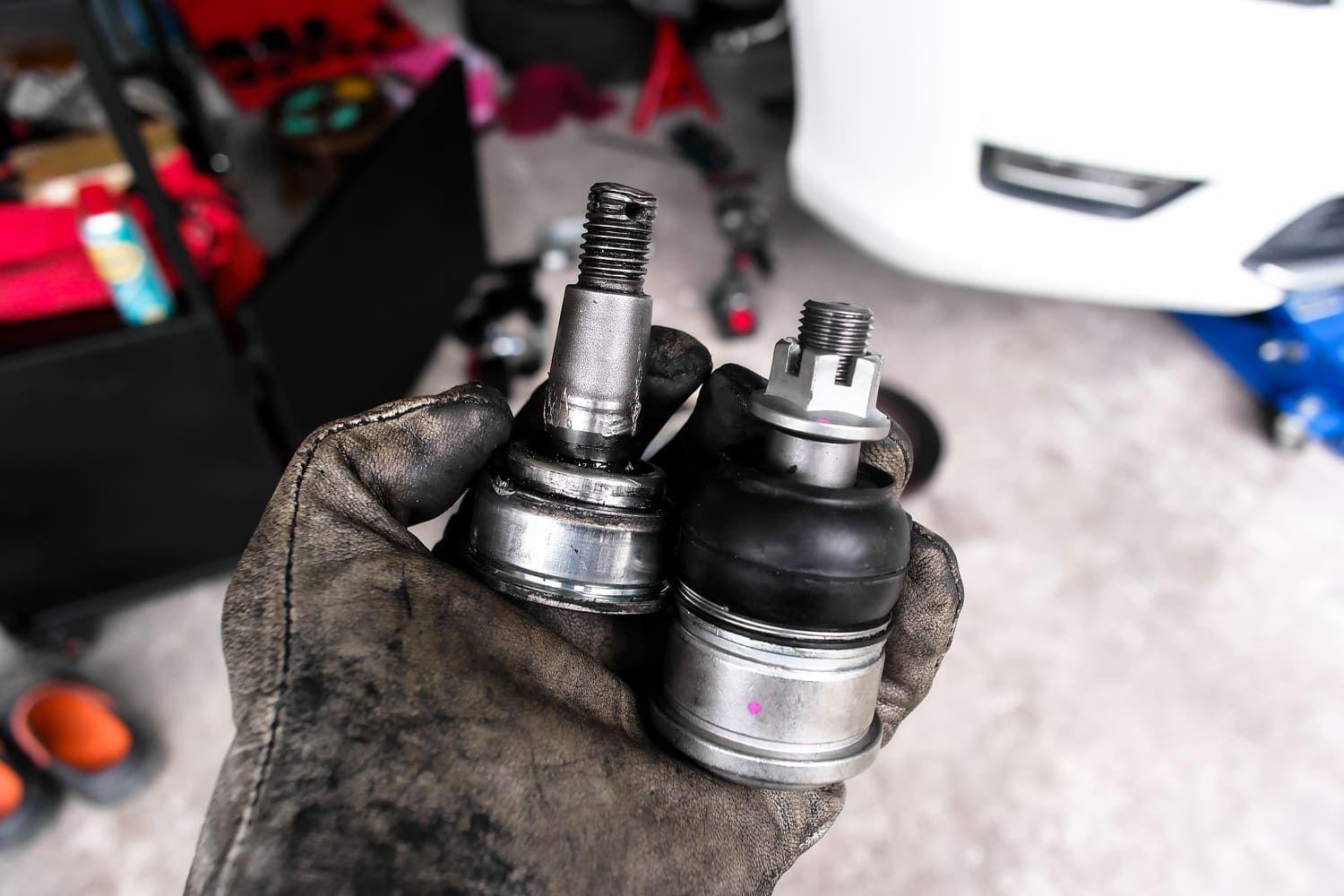
A ball joint connects the steering knuckle to a control arm. It works much like a strong ball-and-socket joint in your body. This design lets the wheel move up and down with the suspension while also turning left and right.
Most modern vehicles have at least two front ball joints. Some have an upper and lower joint on each side. Others use a single lower ball joint with a different upper suspension link.
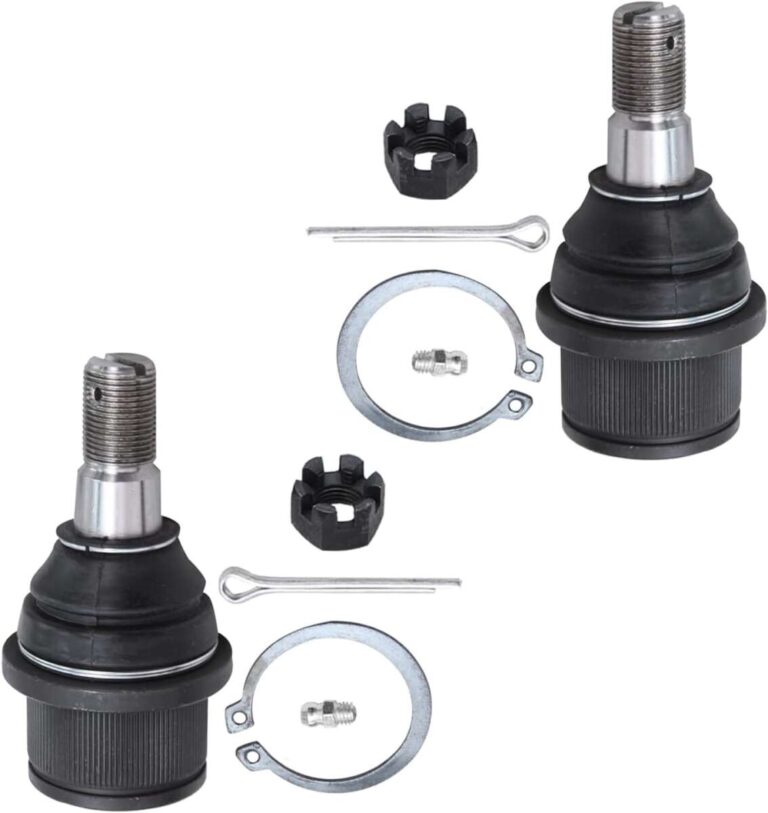
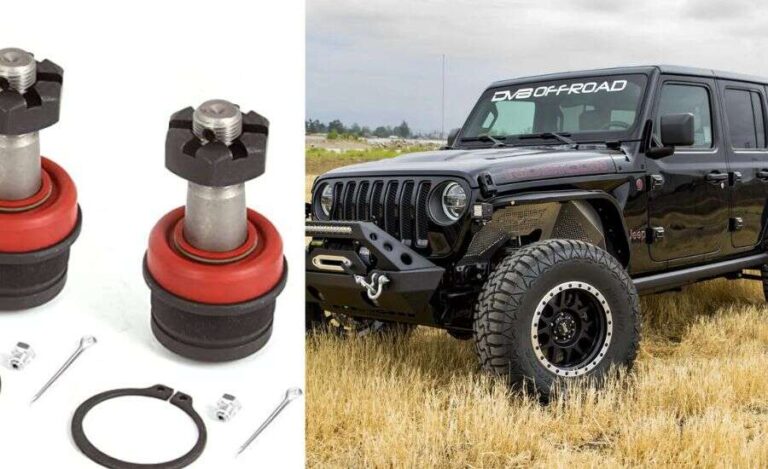
A ball joint may include:
- A metal housing
- A tapered stud
- A ball and socket
- A grease seal or dust boot
- A retaining nut or fastener
- A lubrication fitting on some designs
The joint carries suspension loads while allowing movement. When it wears out, the wheel may shift out of its correct position. That can affect tire wear, steering control, and vehicle safety.
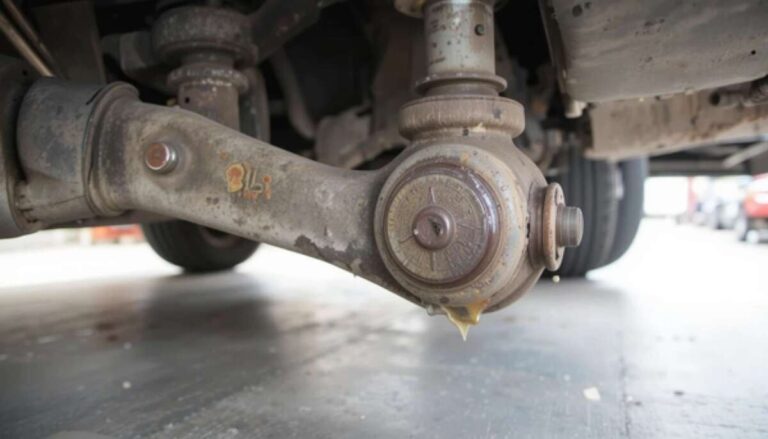
A damaged dust boot does not always mean the joint has failed, but it lets water and dirt enter. Once the grease escapes and contamination reaches the bearing surface, wear can speed up.

What Changes the Price of a New Ball Joint?
The largest cost differences come from vehicle design, part location, and the amount of work needed to reach the joint.
Vehicle make and model
A ball joint for a common compact car may be inexpensive and easy to replace. A heavy-duty pickup, luxury car, or imported model may use more costly parts or require more labor.
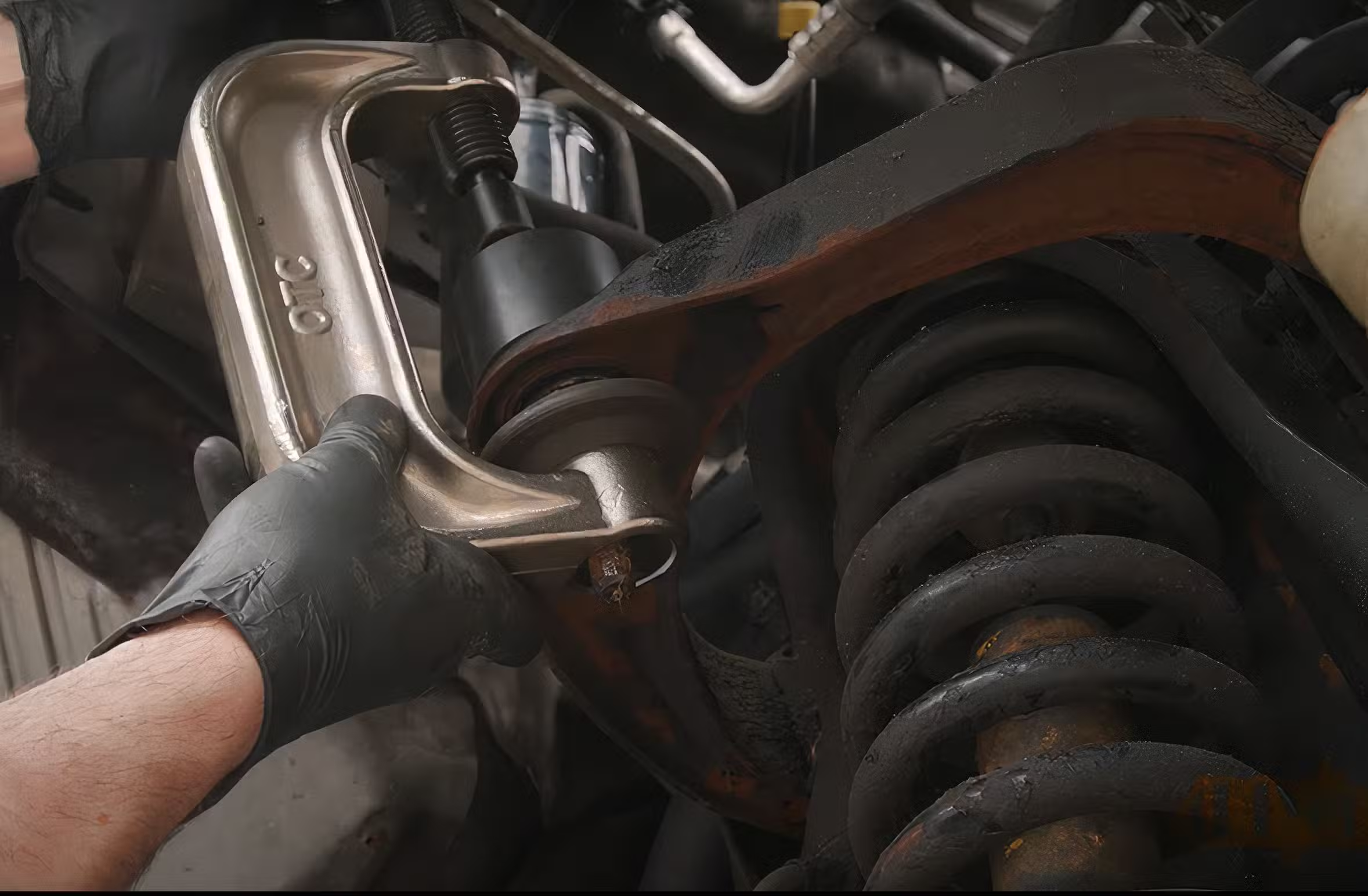
Some vehicles also use special tools. A shop may need a hydraulic press, a ball-joint press kit, or vehicle-specific equipment.
Upper versus lower ball joint
Lower ball joints often carry a large share of the vehicle’s front-end load. They may be harder to remove, especially when corrosion has bonded the joint to the steering knuckle or control arm.
Upper ball joints can also be costly when they are part of an upper control arm. In that case, replacing the complete arm may be faster and more reliable than replacing the joint alone.
Press-in versus bolt-in design
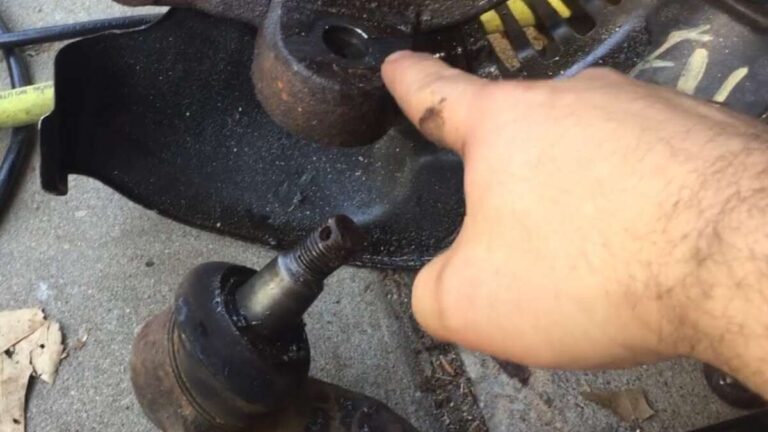
A bolt-in joint can often be removed with ordinary hand tools, although access may still be difficult. A press-in joint must be forced out of the control arm or steering knuckle and then pressed in squarely.
If the joint is not installed correctly, it may loosen, sit crooked, or damage the mounting bore. This is one reason the labor charge can vary sharply between vehicles.
Rust and seized hardware
Rust can turn a routine job into a long repair. A mechanic may need extra time, heat, penetrating fluid, replacement bolts, or additional parts.
In severe cases, the control arm, steering knuckle, or other hardware may be damaged during removal. A shop should contact you before adding these costs.
Complete control arm replacement
Many vehicles use a control arm that includes the ball joint and bushings. Replacing the complete assembly may cost more in parts but less in labor than replacing each worn component separately.
This option can make sense when the control-arm bushings are also cracked or loose. It may not make sense if the bushings are in good shape and the joint can be replaced safely on its own.
Parts Cost: Aftermarket, OEM, or Used?
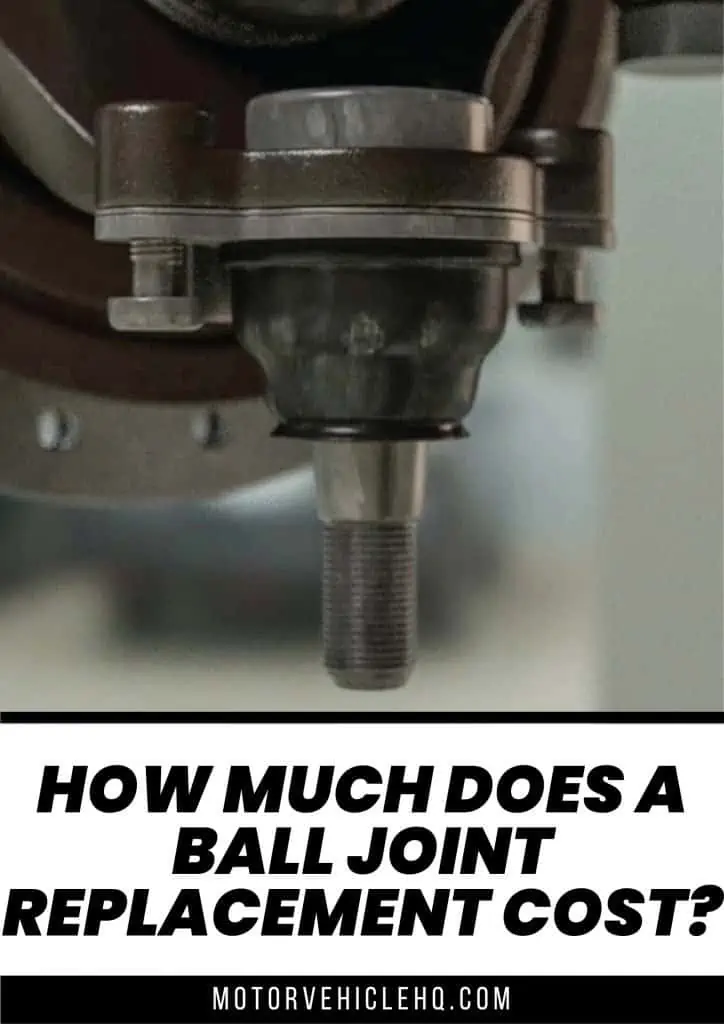
The part alone commonly costs $40 to $200, but price should not be the only factor. A ball joint is a load-bearing steering and suspension part, so fit and build quality matter.
Aftermarket parts
Aftermarket ball joints are made by companies other than the vehicle manufacturer. Prices can be lower than dealer parts, and many reputable brands meet the vehicle’s required specifications.
Ask whether the part includes:
- A new nut or fastener
- A new cotter pin
- A dust boot
- Grease
- A grease fitting
- Installation instructions
Do not assume every low-cost part includes all required hardware.
OEM parts
OEM means original equipment manufacturer. An OEM ball joint matches the part supplied for the vehicle or a replacement approved by the automaker.
OEM parts may cost more. The higher price does not automatically prove that the part will last longer in every driving condition, but it can simplify fit and warranty questions.
Used ball joints
A used ball joint is usually a poor choice. Wear can be difficult to measure, and the part may already have hidden damage or a hardened seal. The labor cost is often much greater than the savings.
For a safety-related suspension repair, a new part from a known supplier is generally the more practical choice.

Labor Cost and How Shops Calculate It
Most repair shops charge by a published labor time multiplied by an hourly rate. U.S. labor rates can range from roughly $100 to $200 per hour, with higher rates common in major cities and at dealerships.
A ball-joint job may take about one to four hours for one side, depending on the vehicle. This is a broad planning range, not a standard for every model.
Labor may include:
- Raising and securing the vehicle.
- Removing the wheel and brake or suspension parts as needed.
- Separating the ball joint from the steering knuckle.
- Removing a press-in or bolt-in joint.
- Installing the new part.
- Tightening fasteners to the manufacturer’s specifications.
- Reassembling the suspension.
- Checking steering and suspension movement.
- Performing an alignment if the repair changes wheel position.
A shop may quote more than one labor hour even when the part looks small. The difficult work is often gaining access, separating tapered joints, pressing out the old part, and dealing with corrosion.
A mobile mechanic may charge less in some areas, but the repair must still be done on a safe, level surface with the right tools. A shop with a lift and press may be the safer option for a badly rusted vehicle.
Do You Need One Ball Joint or More?
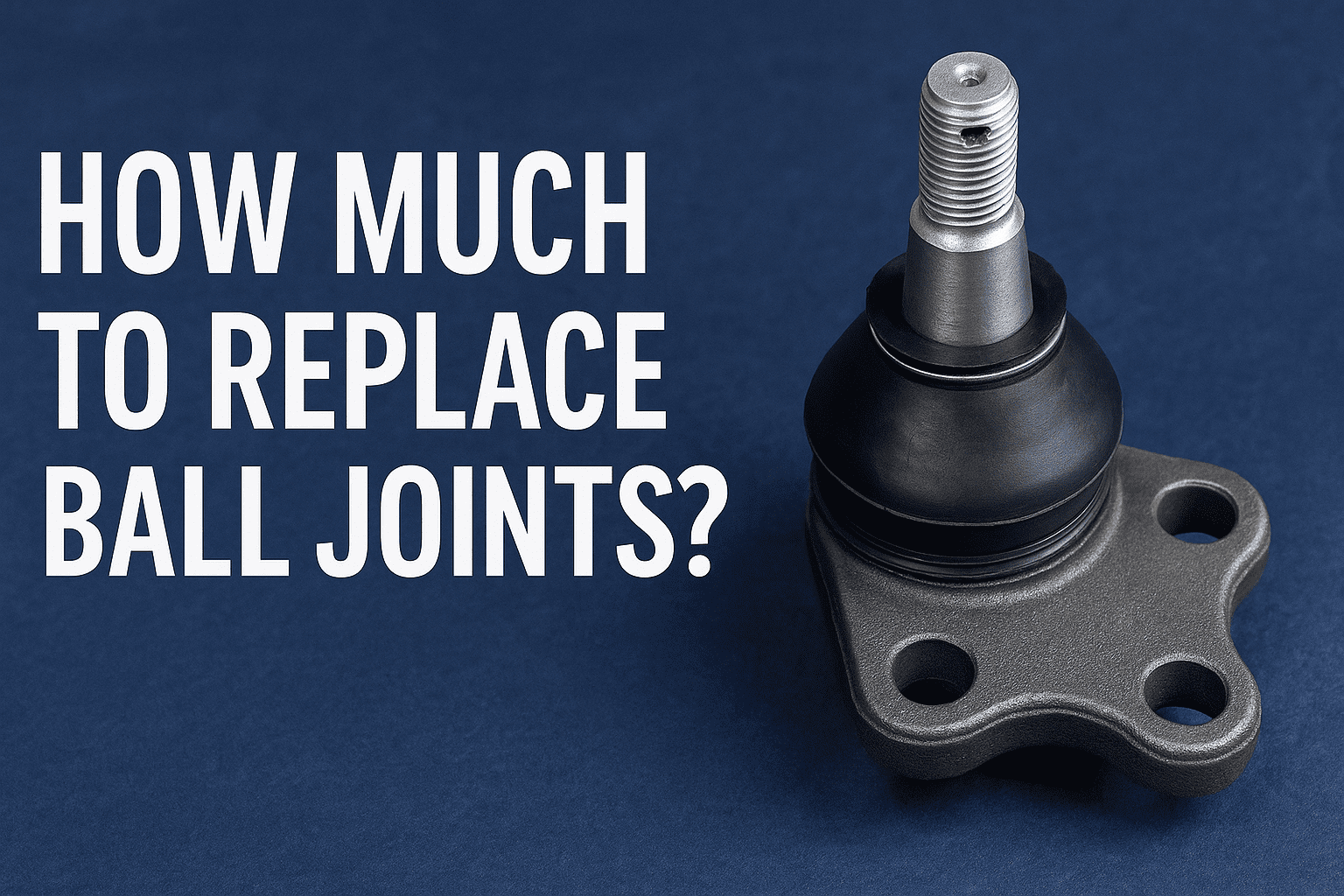
A failed ball joint does not always mean every ball joint must be replaced. The mechanic should inspect each joint and explain which one has measurable looseness, damage, or a torn boot.
Replace both sides when:
- Both joints show unsafe play.
- The vehicle has a known paired-service recommendation.
- The second joint is nearly as worn and labor access makes a combined repair practical.
- The shop can offer a clear cost advantage for doing both sides together.
Replacing only one side may be reasonable when the other side is tight, undamaged, and passes inspection. Ball joints do not always wear at the same rate.
A mechanic should not recommend replacing both sides based only on mileage. Mileage can help guide an inspection, but road salt, potholes, load, driving style, lubrication, and part quality also affect wear.

Symptoms of a Bad Ball Joint
Common symptoms include:
- Clunking or knocking over bumps
- Steering that feels loose or unstable
- Uneven or rapid tire wear
- The vehicle pulling to one side
- A steering wheel that does not return normally
- Creaking during turns or suspension movement
- Visible damage to the dust boot
- A wheel that moves during a suspension inspection
These symptoms can come from other problems, including worn tie-rod ends, control-arm bushings, wheel bearings, struts, sway-bar links, or misalignment. A noise alone does not prove that the ball joint is bad.
A technician usually checks the joint for movement using the vehicle maker’s inspection method. The correct test can vary by suspension design and by whether the joint is loaded or unloaded.
Do not rely on a basic internet test for a final diagnosis. A ball joint can be dangerous even when the noise is mild, and some suspension systems require special support before a joint can be checked.
Stop driving and arrange an inspection if the steering suddenly feels loose, the wheel sits at an odd angle, the vehicle pulls sharply, or you hear a severe clunk with visible wheel movement.

Ball Joint Replacement Versus Control Arm Replacement
The better repair depends on the vehicle’s design and the condition of nearby parts.
| Repair choice | Main benefit | Main drawback |
|---|---|---|
| Ball joint only | Lower parts cost when the control arm is sound | May require press work |
| Complete control arm | Replaces the joint and bushings together | Higher parts cost |
| OEM control arm | Direct-fit part from the vehicle maker | Often the most expensive |
| Quality aftermarket arm | Can lower the total repair price | Brand and fit quality vary |
Replacing the full control arm is often sensible when its bushings are cracked, separated, or soft. Installing a new ball joint into a badly worn control arm does not restore the entire suspension assembly.
Replacing only the ball joint can be the better choice when the arm and bushings are in good condition. Ask the shop to show you the worn part or explain the measured movement before approving a larger assembly.

Is a Wheel Alignment Needed After Replacement?
A wheel alignment may be needed after ball-joint work, but it is not automatic for every vehicle. The answer depends on whether removing the joint changes the position of the steering knuckle or control arm.
An alignment is more likely when:
- The control arm is replaced.
- Camber or caster adjustment is built into the suspension.
- The vehicle already has uneven tire wear.
- The steering wheel is off-center.
- The vehicle pulls after the repair.
- The manufacturer’s service instructions call for an alignment.
A basic toe check may not be enough. A full alignment measures toe, camber, and caster when the vehicle supports those adjustments.
Ask for the before-and-after alignment printout. It shows whether the measurements were within the vehicle maker’s limits and can reveal other worn parts that prevent proper alignment.

Example Ball Joint Cost Calculation
Suppose a repair shop gives this hypothetical quote for one front lower ball joint:
- Aftermarket ball joint: $85
- Labor: 2.2 hours at $145 per hour = $319
- Shop supplies and fees: $25
- Alignment: $129
- Estimated total before tax: $558
The same repair may cost less if no alignment is needed. It may cost more if the shop finds a seized bolt, damaged control arm, or worn tie-rod end.
For both sides, some labor may overlap. For example, lifting the vehicle and removing nearby components may be easier when both joints are serviced during the same visit. Ask whether the second-side labor is reduced rather than assuming the first-side price simply doubles.

How to Compare a Ball Joint Repair Quote
Before approving the work, ask the shop for an itemized estimate. It should identify:
- The exact vehicle and repair location
- Upper or lower ball joint
- Left, right, or both sides
- Part brand and part number
- Ball joint only or complete control arm
- Labor hours and hourly rate
- New hardware included
- Alignment cost
- Warranty length and coverage
- Taxes, shop fees, and disposal charges
Compare quotes by total repair scope, not just the part price. A $300 quote may exclude alignment, hardware, or a complete control arm that another shop included.
Also ask what caused the diagnosis. A clear answer might include visible boot damage, measured joint play, or a failed inspection according to the vehicle’s service procedure.

Can You Replace a Ball Joint Yourself?
A skilled home mechanic may be able to replace some ball joints, but the job is not a good first suspension repair. It can require a press, specialty separators, a torque wrench, and a secure way to support the vehicle.
Never work under a vehicle supported only by a jack. Use properly rated jack stands on a firm, level surface, and follow the vehicle’s service instructions.
The most serious risks include:
- The vehicle falling from poor support
- Damage to the steering knuckle
- Incorrect press direction
- Loose or over-tightened fasteners
- A damaged dust boot
- Failure to install a required retaining clip or cotter pin
- Incorrect final torque
- Hidden damage to nearby suspension parts
If you do the work yourself, use the service manual for torque values and joint orientation. Do not guess based on a similar vehicle. After reassembly, check for binding, confirm that every fastener is secure, and obtain an alignment when the suspension design requires one.
When the joint is severely rusted or the repair requires a press, professional service is usually the safer and more efficient choice.
Common Mistakes That Increase the Final Cost
Several mistakes can turn a simple repair into a larger bill.
Replacing the wrong part
A clunk may come from a tie-rod end, sway-bar link, strut mount, or control-arm bushing. Confirm the diagnosis before buying a ball joint.
Choosing the cheapest unknown part
A low price may exclude hardware or come from a supplier with uncertain fit. The labor to replace a failed part can cost more than the original savings.
Ignoring the control arm
If the control-arm bushing is worn, replacing only the ball joint may leave the vehicle with poor handling and another repair soon after.
Skipping the alignment
If the repair changes suspension geometry, skipping an alignment may lead to uneven tire wear and poor steering response.
Reusing one-time-use hardware
Some vehicles require new nuts, bolts, or cotter pins. Reusing hardware without checking the service instructions can create a safety risk.
Delaying a severe failure
A worn ball joint can eventually separate. That may allow the wheel and steering knuckle to move out of position, causing a loss of steering control or damage to the fender, axle, brake hose, or tire.
Frequently Asked Questions
How much is a ball joint at AutoZone or another parts store?
A replacement ball joint often costs about $40 to $200 at a U.S. auto parts retailer. The exact price depends on the vehicle, brand, position, and whether the part is sold alone or with a control arm.
How long does a ball joint last?
There is no universal replacement interval. A ball joint may last well over 100,000 miles, while potholes, heavy loads, corrosion, poor lubrication, or a damaged boot can shorten its life. Inspect condition rather than replacing it on mileage alone.
Can I drive with a bad ball joint?
Limited driving may be unsafe if the joint has significant play, a damaged mounting area, or signs of separation. Ask a qualified technician to assess it. If steering control feels poor or the wheel moves abnormally, have the vehicle towed.
Should ball joints be replaced in pairs?
Not always. Replace both sides when both fail inspection or when the vehicle’s repair guidance supports paired replacement. One worn joint does not prove that the joint on the opposite side is unsafe.
Does a bad ball joint affect alignment?
It can. Wear may let the wheel change position while driving and can cause uneven tire wear. Replacing the joint may also alter suspension geometry, so an alignment check is often wise.
Key Takeaways
- A new ball joint usually costs $200 to $600 installed in the U.S.
- A complete control-arm repair may cost $400 to $1,000 or more.
- Parts commonly cost $40 to $200, while labor often costs $150 to $400.
- Rust, vehicle design, and press-in construction can raise labor costs.
- A wheel alignment may add $100 to $250.
- Confirm whether the quote covers one side, both sides, a ball joint only, or a complete control arm.
- Do not delay inspection if the vehicle has loose steering, severe clunking, or visible wheel movement.
Conclusion
For most U.S. vehicles, plan on about $200 to $600 for one new ball joint installed. The most accurate quote comes from an inspection that identifies the exact joint, part type, labor time, and need for alignment.
Before approving the repair, request an itemized estimate and ask whether the control arm, bushings, hardware, and opposite-side joint also need attention. If the steering feels unstable or the joint shows serious looseness, avoid driving until a qualified technician checks the vehicle.