

A totaled car may still be drivable, but insurance, safety, title, and legal rules can quickly change what you can do.
When your car is totaled but still drivable, the situation can feel confusing. The vehicle moves, starts, and may look almost normal, yet the insurer may decide that repairing it costs too much compared with its actual cash value. This guide explains what “totaled” really means, whether you can keep driving, how insurance claims work, and which steps can protect your money and safety.
What “totaled” means when the car still runs
A car is “totaled” when an insurance company decides it is not financially practical to repair. This does not always mean the vehicle is crushed, unable to move, or beyond physical repair.
Insurers usually compare two figures:
• The car’s actual cash value, or ACV, shortly before the crash
• The estimated cost of repairs, plus related costs such as storage, towing, rental expenses, and possible hidden damage
Each state uses its own rules. Some states use a set damage percentage. Others let insurers use a total loss formula. Because of this, a car may be totaled in one state but repaired in another.
For example, imagine a car worth $12,000 before a crash. If the estimated repair cost reaches $9,000, the insurer may decide that paying for repairs is not reasonable. The car can still start and drive, but it may be declared a total loss.
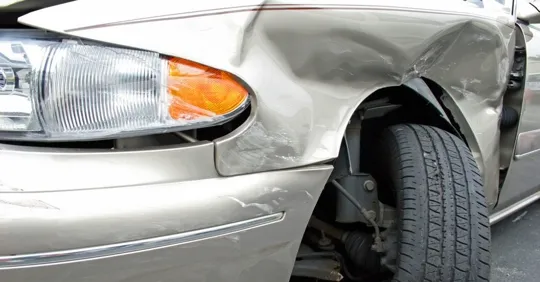
When your car is totaled but still drivable, the insurance decision is based on financial loss, not only whether the engine runs. A vehicle can have frame damage, damaged safety systems, or hidden electrical problems that are not clear during a short drive.

Why a drivable car may be declared a total loss
Several factors can push an insurer toward a total loss decision. Visible damage is only one part of the calculation.
Common reasons include:
• High repair costs: Parts, labor, paint, and calibration can add up quickly.
• Hidden structural damage: A bent frame or damaged crumple zone may require major work.
• Safety system damage: Airbags, seat belts, sensors, cameras, and driver assistance systems can be costly to replace and calibrate.
• Low vehicle value: An older car can be totaled after moderate damage because its ACV is lower.
• Parts delays: Long repair times may increase storage and rental costs.
• Previous damage: Earlier repairs can reduce the vehicle’s value and affect the insurer’s estimate.
A modern bumper may look like a simple plastic shell, but it can hide radar sensors and wiring. A small impact can therefore create a large repair bill.
When your car is totaled but still drivable, do not assume it is safe just because it tracks straight or makes no strange noise. Some damage acts like a cracked helmet. The outside may look acceptable while the protection underneath is weakened.
Can you drive a totaled car?
Sometimes, but a total loss decision does not automatically make the car legal or safe to drive. Your state’s laws, the vehicle’s condition, and the insurer’s position all matter.
You may be able to drive the car briefly if:
• The police have not restricted its use.
• The vehicle has working lights, brakes, tires, steering, and seat belts.
• No fluid is leaking.
• The hood, doors, trunk, and windshield are secure.
• The insurer has not required immediate surrender or removal.
However, driving a totaled car can create serious problems. An insurer may refuse to cover additional damage if you continue using a vehicle that has known safety defects. You could also face a ticket, a failed inspection, or liability issues after another crash.
Ask the claims adjuster for a written answer before driving it. Also check your state motor vehicle agency’s rules. In some locations, a vehicle must pass an inspection before it can return to the road after receiving a salvage or rebuilt title.
When your car is totaled but still drivable, the safest choice is often to park it until a qualified repair shop checks it. A short drive home is not proof that the vehicle is safe for daily use.
What happens after the insurance company totals the car?
The claims process usually follows a predictable path, although timing varies by insurer and state.
1. The insurer inspects the damage
An adjuster or appraiser reviews the vehicle. They may inspect it in person, use photos, or send it to a repair facility. The estimate can change if the shop finds hidden damage.
2. The insurer calculates the car’s value
The insurer looks at comparable vehicles in your area. It may consider the car’s year, trim, mileage, options, condition, and prior damage.
The first offer is not always the final word. Check the valuation report for:
• Correct year, make, model, and trim
• Accurate mileage
• Correct factory and optional equipment
• Proper condition rating
• Comparable cars from a similar market
• Sales tax and required fees, where applicable
3. The insurer makes a settlement offer
If you accept the offer, the insurer generally takes ownership of the damaged vehicle. If you have a loan, the settlement usually goes to the lender first.
If the settlement is higher than your loan balance, you may receive the remaining money. If the settlement is lower than the balance, gap insurance may help, but ordinary auto insurance usually does not pay the difference.
4. The vehicle receives a title status
The state may issue a salvage title or another branded title. The exact name and process differ by state. A branded title can reduce resale value and make insurance harder to obtain.
5. The car is sold, repaired, or dismantled
The insurer may sell the vehicle at auction. A buyer may repair it, use its parts, or export it. If you keep it, you usually receive less money because the insurer deducts the salvage value.
When your car is totaled but still drivable, the settlement process may move forward even if you plan to keep the vehicle. Driving it does not stop the title, ownership, or insurance steps.

Can you keep a car that is totaled but still drivable?
In many states, you can keep the car after a total loss. This is often called retaining salvage or keeping the salvage vehicle. The insurer calculates the settlement, then subtracts the vehicle’s salvage value and possibly other costs.
Here is a simple example:
• Pre-crash ACV: $15,000
• Deductible: $1,000
• Salvage deduction: $3,500
• Approximate payment: $10,500
The actual calculation depends on your policy, state law, lienholder, taxes, and the insurer’s process. If you have a loan, your lender may not allow you to keep the vehicle because the car secures the loan.
Keeping the car may make sense when:
• The damage is minor and well understood.
• You have a trusted repair shop.
• You need a temporary vehicle.
• You understand the title and inspection rules.
• The repair cost is much lower than buying another car.
It may not make sense when:
• The frame or safety cage is damaged.
• Airbags did not deploy correctly or need replacement.
• The salvage deduction is high.
• You cannot insure the vehicle.
• The car has major electrical or water damage.
When your car is totaled but still drivable, keeping it can look like a bargain. But the purchase price is only the first cost. Repairs, inspections, parts, towing, title fees, and future insurance can change the math.

What insurance coverage applies after a total loss?
The type of insurance matters.
Collision coverage
Collision coverage may pay for damage to your car after a crash, subject to your deductible. It usually applies whether you caused the crash or another driver did, depending on the claim details.
Comprehensive coverage
Comprehensive coverage may apply to noncollision events, such as theft, hail, falling objects, flooding, or fire. A vehicle can be totaled by flood damage even when it still starts and drives.
Liability coverage
Liability insurance pays for damage or injuries you cause to others. It does not normally pay to repair or replace your own car.
Uninsured or underinsured motorist coverage
This coverage may help when another driver causes the crash and has no insurance or not enough coverage. Rules differ by state and policy.
Gap insurance
Gap insurance may cover some or all of the difference between the vehicle’s value and the remaining loan balance. It does not usually pay your deductible, overdue payments, or unrelated fees unless the policy says so.
When your car is totaled but still drivable, continuing to drive it does not create new coverage. Your policy may cover the original loss, but new damage can raise difficult questions about cause and timing.
How to challenge a low total loss settlement
You do not have to accept an incorrect valuation without reviewing it. Start with the insurer’s written report.
Gather:
• Photos of the car before and after the crash
• Service records and recent upgrades
• Receipts for tires, brakes, or major work
• Advertisements for similar local vehicles
• Evidence of factory options and special equipment
• A written repair estimate from a reputable shop
Focus on factual errors. For example, the report may list the wrong trim level, omit a sunroof, use a comparable with more mileage, or apply an unfair condition rating.
Ask the adjuster these questions:
• Which comparable vehicles were used?
• Were local taxes and required fees included?
• Was the vehicle’s trim and equipment recorded correctly?
• What salvage value was deducted?
• What documents support the valuation?
If the insurer will not correct clear errors, ask about the appraisal or dispute process in your policy. You can also contact your state insurance department for guidance. A licensed independent appraiser or attorney may help in a high-value dispute, but compare the cost with the possible increase in payment.
When your car is totaled but still drivable, a calm, evidence-based negotiation usually works better than arguing that the car “feels worth more.” Show why the report is wrong.

What should you do immediately?
Use this practical checklist.
Check for injuries and call emergency services if needed.
Photograph the vehicle from every side, including the interior and dashboard.
Do not drive it if there are leaks, steering problems, brake issues, loose panels, damaged wheels, or deployed airbags.
Report the claim promptly to your insurer.
Ask whether the vehicle can remain at your home or must go to a storage yard.
Remove personal items, registration documents, toll tags, and garage openers.
Tell the lender if the vehicle has a loan.
Keep receipts for towing, storage, transportation, and temporary repairs.
Review the valuation report before accepting the settlement.
Ask about rental car limits and the deadline for returning the rental.
Storage costs can grow fast. Some insurers stop paying for a rental or storage after making a settlement offer, even if you have not accepted it. Get important deadlines in writing.
When your car is totaled but still drivable, your first goal is not to keep using it. Your first goal is to protect your safety, evidence, and financial position.

How a salvage or rebuilt title affects the car
A salvage title generally means the vehicle was declared a total loss under state rules. It may not be legal to drive until it passes required inspections and receives a rebuilt, reconstructed, or similar title.
A branded title can affect:
• Registration and inspection
• Resale value
• Financing
• Warranty coverage
• Insurance availability
• Future buyer interest
Some insurers offer liability coverage but not comprehensive or collision coverage for rebuilt vehicles. Others may require photographs, repair records, or an inspection before providing coverage.
A rebuilt title is not automatically proof of poor repairs. It does mean the vehicle’s history has changed and deserves careful review. Ask for photos taken before repairs, parts invoices, alignment results, airbag records, and a written inspection from an independent technician.
When your car is totaled but still drivable, the title brand may remain a problem even after the vehicle looks perfect. Think of it as a permanent mark in the car’s paper trail.

Is it worth repairing a totaled but drivable car?
The answer depends on safety, cost, title rules, and your plans for the vehicle. Do not compare only the repair estimate with the insurance payment.
Calculate the full cost:
• Purchase or retained salvage cost
• Professional repair work
• Parts and labor
• Alignment and calibration
• Inspection and title fees
• Towing and storage
• Insurance
• Lost resale value
• A reserve for hidden damage
A repair shop should inspect the frame, suspension, steering, restraints, sensors, wiring, and cooling system. For newer vehicles, ask whether cameras, radar, and driver assistance features need calibration.
A useful rule is to avoid a repair when the vehicle’s total post-crash cost is close to the price of a similar clean-title car. You may save money, but you also take on more risk and fewer exit options.
When your car is totaled but still drivable, a second opinion can prevent an expensive mistake. A quick estimate from one shop is not enough for a major safety decision.
Common mistakes to avoid
Many problems happen because owners act too quickly.
Avoid these mistakes:
• Continuing to drive after warning signs appear
• Accepting the first valuation without checking the report
• Letting the vehicle sit in a paid storage yard
• Signing over the title before understanding the settlement
• Forgetting to notify the lender
• Starting repairs before the insurer documents the damage
• Assuming a rebuilt car will have normal insurance rates
• Ignoring the deductible and salvage deduction
• Discarding receipts and maintenance records
• Selling the vehicle without disclosing its branded title
One especially costly mistake is repairing the car before the adjuster completes the inspection. The insurer may then struggle to verify what damage came from the covered event.
When your car is totaled but still drivable, patience has real value. Take photos, request documents, and get advice before making a permanent choice.
A practical example
Suppose Maria owns a 10-year-old SUV worth about $11,500. After a crash, it still drives, but the front corner, steering parts, sensors, and airbags need work. The repair estimate is $9,800 before possible hidden damage.
The insurer declares it a total loss. Maria checks the valuation report and finds that the adjuster used a lower trim with fewer options. She provides local listings and records showing the correct trim, then receives a revised offer.
She also asks a repair shop to inspect the frame and restraint system. After learning that the vehicle needs expensive calibration and a branded title, she decides not to keep it. The decision is not based on how well the SUV drives that day. It is based on total cost, safety, title history, and future value.
When your car is totaled but still drivable, this is the type of decision process to follow. Separate emotion from the numbers, but do not ignore your practical needs.
Frequently Asked Questions
Can I drive my car after the insurance company totals it?
Maybe, but only if it is safe, legal, and allowed by your insurer and state rules. Ask for written guidance and stop driving if the vehicle has structural, brake, steering, tire, fluid, or airbag problems.
Does a totaled car always have a salvage title?
Not always in the same way or at the same time. State laws control when a total loss creates a salvage or branded title, and the exact title label can vary.
Can I keep my car after it is declared totaled?
Often, yes, if state law and your lender allow it. The insurer usually subtracts the salvage value from your settlement, and you may need inspections before registering or driving the vehicle.
Will insurance pay for repairs if my car is totaled?
Usually, the insurer pays the vehicle’s covered value instead of authorizing normal repairs. You may keep the car and repair it yourself, but the settlement will generally be reduced by salvage value.
Can I negotiate a total loss settlement?
Yes. Review the valuation report and provide proof of the correct trim, options, condition, mileage, and local comparable vehicles. Keep your request factual and ask the insurer to explain each adjustment.
What happens if I still owe money on a totaled car?
The insurance settlement usually pays the lender first. If the settlement is less than the loan balance, gap insurance may cover some of the shortfall if your policy applies.
Can I insure a rebuilt totaled car?
Often, but coverage may be limited and rules vary by insurer. Some companies offer liability coverage only, while others may provide physical damage coverage after an inspection and documentation review.
Conclusion
When your car is totaled but still drivable, the key issue is not whether it can move. The real questions are whether it is safe, what your state allows, how much the insurer should pay, and whether keeping the vehicle makes financial sense.
Document the damage, review the valuation, protect your title and loan interests, and get a qualified inspection before driving or repairing the car. Take time to compare every cost, then make a decision based on evidence rather than appearance. If this guide helped, explore your state’s total-loss rules and share your experience or questions in the comments.