

EPC on a car means Electronic Power Control, a system that manages the throttle, engine power, and related sensors.
If you see an EPC light on your dashboard, your car has detected a fault in its electronic engine or throttle control system. This guide explains what EPC means on a car, what causes the warning, whether it is safe to drive, and how to fix the problem without guessing or wasting money.
What Does EPC Mean on a Car?
EPC means Electronic Power Control. It is an electronic system used mainly in Volkswagen, Audi, Škoda, and SEAT vehicles. The system controls engine power through computers, sensors, and electronic throttle parts.
Older cars used a direct cable between the gas pedal and the throttle. Modern vehicles often use “drive-by-wire” technology instead. When you press the pedal, a sensor sends a signal to the engine control unit. The computer then opens the throttle as needed.
The EPC system may monitor and control:
• The electronic throttle body
• The accelerator pedal position sensor
• The brake light switch
• The engine control unit
• The traction control system
• The cruise control system
• The engine speed and position sensors
• Communication between vehicle control modules
So, what does EPC mean on a car in simple terms? It means the computer found a problem in the system that controls engine power.
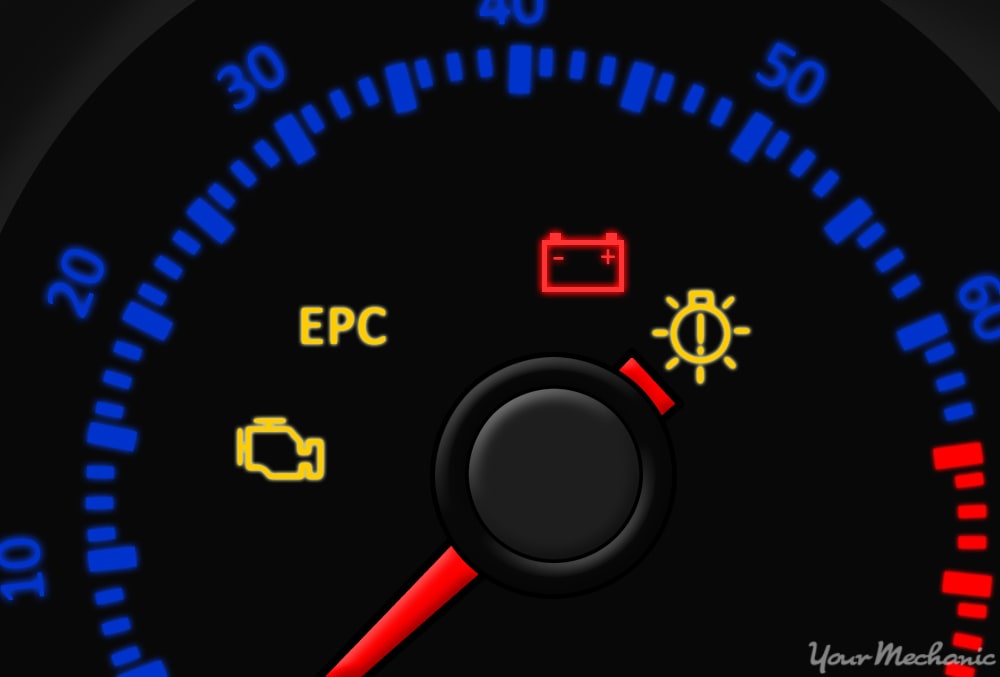
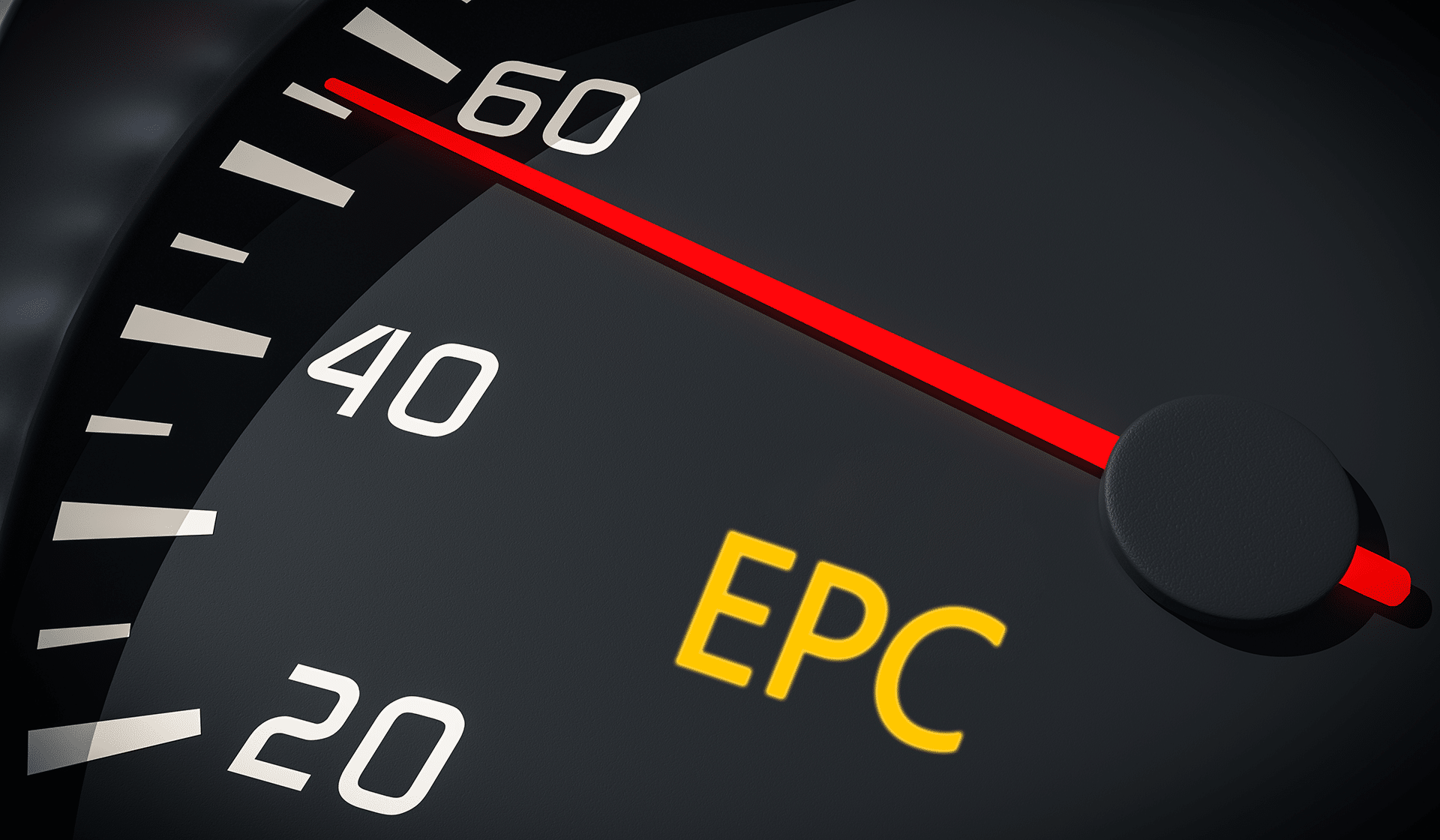
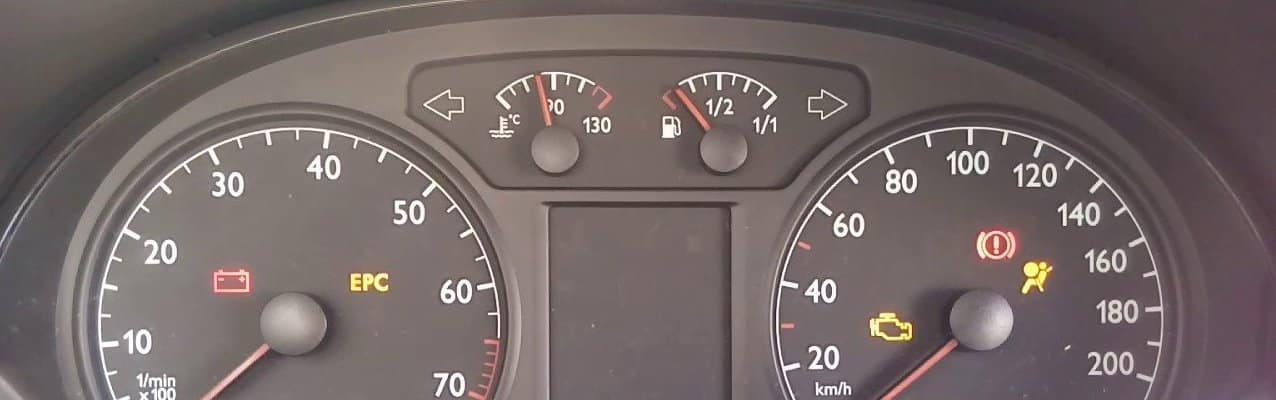
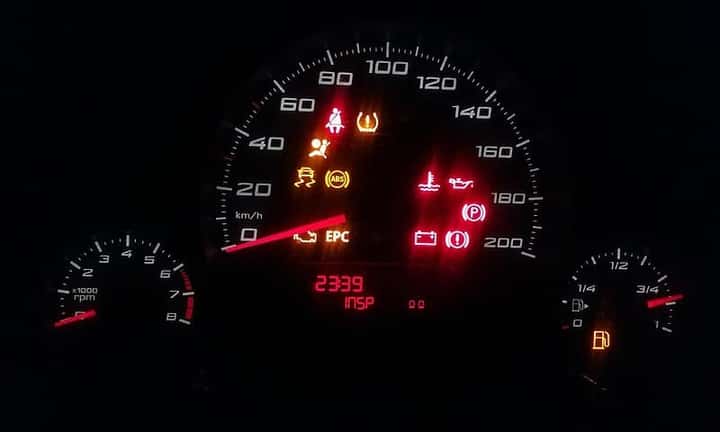
The EPC light often looks like the letters “EPC” in amber or yellow. It may appear alone or with the check engine light, traction control light, or other warning lights.
What Does the EPC Light Look Like?
The EPC warning light is usually a yellow or amber symbol. It displays the letters EPC in a small box or within a dashboard warning symbol.
The exact design can vary by vehicle model. Your owner’s manual will show the correct symbol and explain its meaning for your specific car.
An EPC warning may appear when:
• You start the engine
• You accelerate hard
• You drive over a rough road
• The engine loses power
• A sensor sends an unusual signal
• The car detects a brake or throttle fault
The light should turn off a few seconds after the engine starts if the system passes its self-check. If it stays on, the car has stored a fault code.
A flashing EPC light or a sudden loss of engine power deserves more attention than a steady light with no other symptoms.

How the Electronic Power Control System Works
The EPC system acts like a careful gatekeeper for engine power. It receives information from several parts, checks that information, and decides how much power the engine should produce.
For example, when you press the accelerator pedal:
- The pedal sensor measures how far you press it.
- The sensor sends this information to the engine computer.
- The computer checks engine speed, air flow, temperature, and traction.
- The electronic throttle opens to let in more air.
- The fuel system adds the correct amount of fuel.
- The computer checks that the response matches the driver’s request.
If the computer sees a mismatch, it may turn on the EPC light. It can also reduce engine power. This reduced-power mode is often called limp mode.
The system is designed this way for safety. If the computer cannot trust the throttle signal, limiting power may prevent unexpected acceleration or engine damage.
Common Causes of an EPC Light
Several problems can trigger an EPC warning. Some are simple electrical faults. Others need a professional diagnosis.
Faulty Throttle Body
The throttle body controls the air entering the engine. Carbon buildup, a damaged motor, or a failed position sensor can stop it from working correctly.
Common symptoms include:
• Rough idle
• Slow acceleration
• Stalling
• Surging
• Reduced engine power
• An EPC light with a check engine light
Cleaning the throttle body may help in some cases. However, cleaning will not repair a failed motor or damaged sensor.
Bad Accelerator Pedal Sensor
The accelerator pedal contains one or more position sensors. These sensors tell the computer how much power you want.
If the sensor signal is weak or inconsistent, the car may hesitate or enter limp mode. Replacing the complete pedal assembly is sometimes necessary.
Defective Brake Light Switch
A brake switch tells the car when you press the brake pedal. It can affect the EPC system, cruise control, and brake lights.
A failed switch may trigger the EPC light even when the engine feels normal. Check whether your brake lights work. If they do not, avoid driving until the issue is repaired.
Engine Misfire
A worn spark plug, bad ignition coil, fuel problem, or vacuum leak can cause a misfire. Many vehicles will turn on both the EPC and check engine lights when this happens.
A severe misfire can damage the catalytic converter. If the check engine light flashes, reduce speed and stop driving as soon as it is safe.
ABS or Traction Control Fault
The EPC system may share information with the anti-lock brake and traction control systems. A faulty wheel speed sensor or ABS module can sometimes trigger an EPC light.
You may also see ABS, traction control, or stability control warnings at the same time.
Wiring or Battery Problems
Low battery voltage, a loose ground, corroded wiring, or a damaged connector can confuse the vehicle computer.
This is a common source of misleading warning lights. A weak battery may cause several warnings during startup, especially in cold weather.
Cruise Control or Engine Sensor Fault
Problems with the engine speed sensor, air flow sensor, camshaft sensor, or cruise control system can also activate the EPC warning.
The EPC light does not identify one exact failed part. It points to a system that needs testing.

EPC Light Symptoms to Watch For
The EPC light may appear with no obvious change in how the car drives. In other cases, the symptoms are strong and immediate.
Pay attention to:
• Poor throttle response
• A car that will not accelerate normally
• Engine shaking or misfiring
• Rough idle
• Stalling
• Higher fuel use
• Limited engine speed
• Cruise control that stops working
• Brake lights that stay on or do not work
• Several dashboard warning lights at once
The combination of symptoms can help narrow the problem. For example, an EPC light with no brake lights may point to the brake switch. An EPC light with severe shaking may suggest an engine misfire.
Still, symptoms alone cannot confirm the cause. A diagnostic scan is the best next step.
Is It Safe to Drive With the EPC Light On?
Whether it is safe to drive depends on the warning light and the car’s behavior.
You may be able to drive a short distance to a repair shop if:
• The EPC light is steady
• The engine runs smoothly
• The car responds normally
• No red warning lights appear
• The brakes and brake lights work correctly
Stop driving and seek help if:
• The car loses most of its power
• The engine shakes badly
• The check engine light flashes
• The car stalls repeatedly
• The throttle does not respond
• The brake lights do not work
• The engine races without control
• Red oil pressure or overheating warnings appear
Do not treat the EPC light as a routine maintenance reminder. It may be a minor sensor fault, but it can also indicate a problem that affects acceleration and safe vehicle control.
When in doubt, pull over safely, turn off the engine, and call a qualified technician or roadside service.

What to Do When the EPC Light Comes On
A calm, logical check can prevent an expensive guess.
- Notice how the car feels. Check for shaking, stalling, power loss, or poor throttle response.
- Look for other warning lights. The check engine, ABS, traction control, and battery lights can provide useful clues.
- Check the brake lights. Ask someone to watch them while you press the brake pedal.
- Turn the engine off for a few minutes. Restart it only if the car is operating safely.
- Check the battery terminals for looseness or visible corrosion.
- Read the fault codes with a compatible scan tool.
- Write down the codes and symptoms before visiting a repair shop.
- Have the problem diagnosed before replacing parts.
Turning the car off may make the EPC light disappear for a short time. That does not prove the fault is fixed. The computer may still store the code in its memory.
Avoid repeatedly clearing the light without repairing the cause. Erasing codes can also remove useful information for the technician.
How Mechanics Diagnose an EPC Problem
A proper diagnosis is more than plugging in a scanner and replacing the first part listed.
A technician may:
• Scan the engine and transmission control modules
• Check stored and pending fault codes
• Review freeze-frame data
• Test battery and charging voltage
• Inspect throttle and pedal wiring
• Check live sensor readings
• Test the brake light switch
• Inspect ignition coils and spark plugs
• Check for air leaks
• Test the throttle body operation
• Perform a software update when required
A fault code identifies a problem area, not always the failed component. For instance, a throttle position code may result from a bad throttle body, damaged wiring, low voltage, or a computer communication problem.
Experienced technicians confirm the code with voltage tests, visual checks, and live data. This approach costs less than replacing several parts through trial and error.
In real repair situations, one of the most common mistakes is assuming that the EPC light always means the throttle body needs replacement. A loose connector or weak battery can create a very similar warning.
EPC Repair Costs and Time
Repair cost depends on the failed part, the vehicle model, and local labor rates. A simple diagnosis may cost less than a major throttle or wiring repair.
Possible repair ranges include:
• Diagnostic scan: about $50 to $150
• Brake light switch: about $75 to $250
• Battery or battery connection repair: about $100 to $300
• Spark plug or ignition coil repair: about $150 to $600
• Throttle body cleaning: about $100 to $250
• Throttle body replacement: about $400 to $1,200 or more
• Accelerator pedal replacement: about $200 to $700
• Wiring or module repair: from less than $100 to well over $1,000
These are broad estimates, not guaranteed prices. Luxury models and newer vehicles may cost more. Always request a written estimate that separates diagnosis, parts, labor, and programming.
Do not choose a repair shop based only on the lowest quote. A low-cost part swap can become expensive if the real fault remains.
Can You Reset the EPC Light?
You can sometimes clear the EPC light with an OBD-II scan tool, but clearing the code is not the same as fixing the problem.
The light may turn off if the fault was temporary. It may also return after the vehicle completes another self-check.
Disconnecting the battery is not a reliable repair. It can erase radio settings, reset learned values, and hide helpful diagnostic information. Some vehicles may need throttle adaptation or other relearning procedures after power is removed.
The correct method is to find and repair the cause first. Then a scan tool can clear the stored code, or the light may turn off after several successful drive cycles.
How to Prevent EPC Problems
You cannot prevent every electronic fault, but good care can lower the risk.
• Replace the battery when testing shows it is weak
• Keep battery terminals clean and tight
• Follow the recommended spark plug service interval
• Repair rough running quickly
• Keep water away from exposed electrical connectors
• Use the correct fuel and engine oil
• Do not ignore a damaged air intake hose
• Have warning lights checked early
• Keep software updates current when recommended
• Use a qualified shop for throttle and control module repairs
Routine maintenance matters because one small problem can create several warnings. For example, a weak ignition coil may cause a misfire, which then triggers both the check engine and EPC lights.
EPC Light Compared With Other Dashboard Lights
The EPC light is not the same as every other engine warning.
The check engine light covers a broad range of emissions and engine control faults. The EPC light focuses more directly on electronic throttle and power control functions.
The traction control light usually points to wheel slip, a sensor issue, or a stability system fault. However, the traction and EPC systems can share data, so both lights may appear together.
A battery light suggests a charging system problem. Low voltage from that problem can also cause an EPC warning.
A red oil pressure or temperature warning is more urgent than a normal amber EPC light. Stop the engine as soon as it is safe if either red warning appears.
Frequently Asked Questions About What Does EPC Mean on a Car
What does EPC mean on a car?
EPC means Electronic Power Control. It refers to the electronic system that manages throttle operation, accelerator input, and engine power.
Can I drive my car with the EPC light on?
You may drive a short distance if the light is steady and the car runs normally. Do not drive if the engine shakes, power is severely limited, the throttle fails to respond, or other serious warning lights appear.
Does an EPC light mean the engine is bad?
Not always. The cause may be a small brake switch, weak battery, sensor, wiring fault, ignition problem, or throttle issue.
How do I turn off the EPC light?
A diagnostic scan tool can clear the warning after the problem is repaired. Simply disconnecting the battery or clearing the code may only hide the issue for a short time.
Can a bad battery cause the EPC light?
Yes. Low voltage or poor electrical connections can confuse vehicle control modules and trigger an EPC warning.
Is an EPC light expensive to repair?
Repair costs range from a low-cost switch or wiring repair to a more expensive throttle body or control module replacement. A diagnostic test is needed before anyone can give a reliable estimate.
Why are both the EPC and check engine lights on?
Both lights may appear when the engine computer detects a throttle, ignition, fuel, sensor, or communication problem. Reading the stored codes is the fastest way to narrow down the cause.
Conclusion
What does EPC mean on a car? It means Electronic Power Control, a system that monitors the accelerator, throttle, engine computer, and related safety controls. The warning can come from a simple brake switch or battery issue, but it can also signal a throttle, sensor, wiring, or engine fault.
Pay attention to how the vehicle drives, check for other warning lights, and get the fault codes read before replacing parts. If the car loses power, shakes, stalls, or shows serious warnings, stop driving and get professional help. Use this guide to make a smart repair decision, and share your EPC experience or questions in the comments.