

Diesel in a gas car can cause stalling, poor ignition, fuel system damage, and costly repairs if you keep driving.
Knowing what happens if you put diesel in a gas car can help you act fast and limit the damage. Diesel fuel does not ignite like gasoline, so the engine may run poorly or stop soon after the mistake. The good news is that putting diesel in a gas car is often less damaging than putting gasoline in a diesel vehicle, especially when you do not start the engine.
What Happens If You Put Diesel in a Gas Car?
Diesel fuel is heavier, thicker, and less volatile than gasoline. A gasoline engine needs gasoline vapor and a spark to create combustion. Diesel does not vaporize or ignite in the same way.
When diesel enters a gas car, it can coat spark plugs, fuel injectors, and parts of the combustion chamber. The engine may fail to start, run roughly, produce smoke, or stall. The exact result depends on how much diesel entered the tank and whether you started or drove the car.
Here is what may happen:
• The engine may crank but fail to start.
• The car may shake, misfire, or lose power.
• The exhaust may produce thick white, gray, or dark smoke.
• The check engine light may turn on.
• The engine may stall while driving.
• The fuel pump and injectors may become contaminated.
• The catalytic converter may suffer damage if unburned fuel reaches it.
The most important factor is whether the engine was started. If you discover the mistake before turning the key, the contaminated fuel may be removed with much less risk.
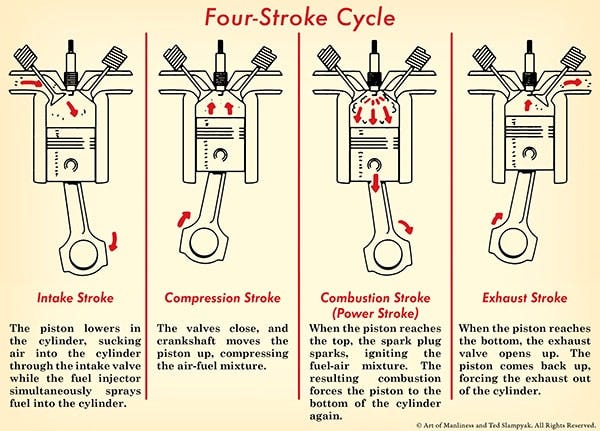
Why Diesel Does Not Work in a Gasoline Engine
Gasoline and diesel fuel are both made from petroleum, but they are designed for different engines. Their chemistry, thickness, ignition behavior, and energy delivery are not the same.
A gasoline engine uses spark plugs. The fuel and air mixture enters the cylinder, and the spark plug ignites it. Gasoline is highly volatile, so it forms a vapor that mixes well with air.
A diesel engine works through compression ignition. It compresses air until the air becomes very hot, then sprays diesel fuel into that hot air. Diesel is less volatile and is made to ignite under high pressure and heat.
Putting diesel in a gas car is like trying to use cooking oil in a candle. Both may contain energy, but they do not behave properly in the system built for them.
Diesel can also reduce the ability of a gasoline engine to create a clean fuel-air mixture. Instead of burning smoothly, it may leave deposits and cause incomplete combustion.

Signs You Put Diesel in a Gas Car
The symptoms may appear right away or after the car has traveled a short distance. A small amount of diesel mixed with a full tank of gasoline may cause mild symptoms. A tank filled mostly with diesel can cause severe problems.
Watch for these signs:
• Hard starting or no start
• Rough idling
• Engine knocking or unusual vibration
• Weak acceleration
• Frequent stalling
• Thick exhaust smoke
• A strong fuel odor
• Reduced fuel economy
• An illuminated check engine light
• Poor throttle response
If the car starts after diesel is added, that does not mean everything is fine. The gasoline already in the fuel lines may let the engine run for a short time. Once diesel reaches the injectors, the symptoms can become much worse.
In roadside cases, one common mistake is driving several miles because the car still seems to work. That allows contaminated fuel to move through the pump, lines, injectors, and engine. Stopping early is usually the safest choice.

What to Do If You Put Diesel in a Gas Car
Act quickly, but do not panic. The safest steps depend on whether you started the engine.
If You Have Not Started the Engine
Do not turn the key to the accessory or run position. In many cars, turning the key can activate the electric fuel pump and move diesel into the fuel lines.
Take these steps:
Move away from traffic if needed, but do not start the engine.
Tell the gas station staff what happened if you are still at the pump.
Call roadside assistance or a qualified fuel-drain service.
Ask a repair shop to drain the fuel tank and flush the fuel system.
Follow the mechanic’s advice before adding fresh gasoline.
Do not try to fix the problem by adding a large amount of gasoline on top of the diesel. Dilution may help in rare situations involving a very small amount, but it is not a reliable repair. Modern fuel systems are sensitive, and the safest solution is proper removal.
If You Started the Engine but Have Not Driven
Turn the engine off as soon as you realize the mistake. Do not restart it to “see if it clears up.”
Call a professional to drain the tank and inspect the fuel system. The shop may need to flush the fuel lines and replace the fuel filter, depending on the vehicle and the amount of diesel used.
If You Drove the Car
Pull over in a safe place and shut off the engine. Do not keep driving to reach home or a repair shop.
Tell the technician:
• How much diesel you added
• How much gasoline was already in the tank
• How far you drove
• Whether the engine stalled
• Whether warning lights appeared
This information helps the mechanic estimate how far the diesel traveled through the system.

Can Diesel Damage a Gasoline Engine?
Diesel can damage or contaminate several parts of a gasoline fuel system, but the seriousness varies. A brief start followed by quick shutoff may require only a tank drain and fuel system flush. Driving until the engine stalls can lead to more work.
Possible affected parts include:
• Fuel pump
• Fuel filter
• Fuel injectors
• Fuel lines
• Spark plugs
• Oxygen sensors
• Catalytic converter
Diesel itself may not destroy the engine in the same way as a major mechanical failure. The main danger comes from poor combustion, fuel contamination, and continued driving.
Unburned fuel can enter the exhaust system. This may overheat the catalytic converter, which is an expensive emissions component. Misfires can also put extra stress on the engine and exhaust system.
Some vehicles have high-pressure gasoline direct injection systems. These systems can be more sensitive to fuel quality and contamination. Always follow the vehicle manufacturer’s repair guidance rather than relying on a general rule.

What If You Drive After Putting Diesel in a Gas Car?
Driving after putting diesel in a gas car increases the chance of fuel system and emissions damage. The car may use the gasoline near the top of the fuel system first, so it can seem normal for a short time.
As diesel reaches the injectors, the engine may begin to misfire and lose power. You may feel hesitation when pressing the accelerator. The engine may also produce smoke and stall at a stoplight.
Continuing to drive creates several risks:
• The car could stop in traffic.
• The fuel pump may operate with contaminated fuel.
• Injectors may become clogged or coated.
• Misfires may damage the catalytic converter.
• The car may need more than a simple fuel drain.
If the vehicle stalls, do not keep trying to restart it. Repeated cranking can move more contaminated fuel through the system and drain the battery.

How Much Does It Cost to Fix Diesel in a Gas Car?
Repair costs depend on the fuel amount, vehicle design, location, and driving distance. A mistake discovered before startup is usually the least expensive situation.
Typical repair needs may include:
• Fuel tank draining
• Fuel line flushing
• Fuel filter replacement
• Spark plug replacement
• Diagnostic testing
• Fuel injector cleaning or replacement
• Catalytic converter repair
A basic drain may cost a few hundred dollars in many areas. If the car was driven until it stalled, the total can rise sharply. Injector, pump, sensor, or catalytic converter repairs may cost hundreds or thousands of dollars.
Prices vary widely, so treat online estimates as general guidance only. Ask the repair shop for a written estimate that separates fuel removal, parts, labor, and diagnostic charges.
Insurance coverage also varies. Some policies may cover certain roadside events, while others exclude wrong-fuel damage. Contact your insurer before authorizing major repairs if time allows.

Can You Fix the Problem by Adding Gasoline?
Adding gasoline may reduce the diesel concentration, but it is not always a safe fix. The answer depends on how much diesel was added and whether the engine has been started.
A tiny amount of diesel in a nearly full gasoline tank may cause little or no lasting harm. Even then, the safest choice is to ask a mechanic or the vehicle manufacturer for guidance.
Do not rely on dilution when:
• The tank contains a large amount of diesel.
• The engine has already been started.
• The vehicle runs roughly or stalls.
• The car uses gasoline direct injection.
• A warning light appears.
• You smell strong fuel or see smoke.
Modern vehicles use precise fuel delivery systems. A home remedy that worked on an older car may not be suitable for a newer model.
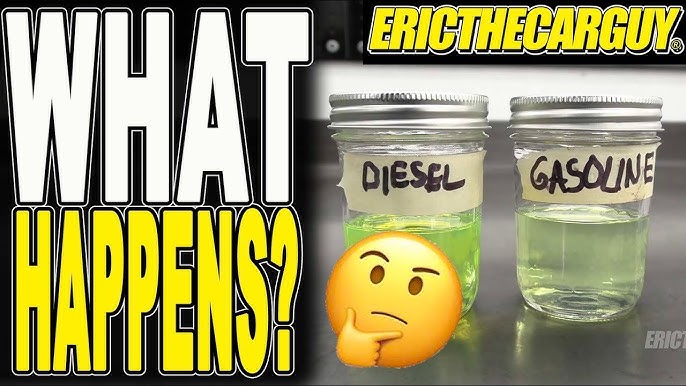
Diesel in a Gas Car Versus Gasoline in a Diesel Car
These two mistakes are not equally damaging.
Diesel in a gas car often causes poor combustion because the fuel does not ignite correctly with a spark. Gasoline in a diesel car can remove the lubrication that diesel fuel provides to the high-pressure fuel pump and injectors.
That loss of lubrication can cause serious and expensive damage in some diesel vehicles. Gasoline can also ignite too quickly under diesel-engine compression, creating harmful pressure and noise.
In both cases, the best response is the same:
Stop the engine.
Do not restart it.
Arrange a professional fuel drain.
Keep receipts and repair records.
Check your owner’s manual for model-specific instructions.
How Mechanics Remove Diesel From a Gas Car
A qualified technician will usually inspect the vehicle before deciding how much work is needed. The process may include several steps.
1. Confirm the Wrong Fuel
The technician may inspect a fuel sample or ask about the pump and amount added. This confirms whether the issue is diesel, gasoline contamination, or another fuel problem.
2. Drain the Tank
The contaminated fuel is removed with approved equipment. Fuel should never be poured onto the ground or into household drains.
3. Flush the Fuel System
The shop may flush the fuel lines and replace the fuel filter. Some vehicles need more extensive cleaning if the engine ran for a long time.
4. Check the Spark Plugs
Diesel can foul spark plugs. The technician may clean or replace them if they no longer produce a strong spark.
5. Scan for Fault Codes
A diagnostic scan can show misfires, fuel mixture problems, or emissions faults. Codes alone do not prove a part failed, so testing is still important.
6. Add Fresh Gasoline and Test the Vehicle
After the system is cleaned, the shop adds the correct fuel and checks starting, idle quality, acceleration, emissions readings, and warning lights.
Mistakes to Avoid After Fueling With Diesel
The first few minutes matter. Avoid actions that can increase the repair bill or create a safety problem.
• Do not start the engine to check whether it runs.
• Do not drive until the tank is empty.
• Do not pour diesel into a storm drain or onto soil.
• Do not mix cleaning chemicals with the fuel.
• Do not assume a full tank of gasoline will always solve the issue.
• Do not ignore smoke, misfires, or a check engine light.
• Do not keep restarting the engine after it stalls.
• Do not use an unapproved siphon method near sparks or flames.
Gasoline and diesel are flammable. Fuel removal should be done with proper equipment in a controlled area. If you are unsure, call roadside assistance rather than taking a risk on the shoulder of a busy road.
How to Prevent Putting Diesel in a Gas Car
Fueling mistakes are common, especially when driving an unfamiliar vehicle, using a rental car, or stopping at a station while distracted.
These habits can help:
• Check the fuel label before inserting the nozzle.
• Keep the fuel door label visible and readable.
• Pause before paying if you recently changed vehicles.
• Avoid fueling while rushed or using your phone.
• Remember that diesel nozzles are often larger than gasoline nozzles, but do not depend on nozzle size alone.
• Use a reminder note in a rental car.
• Tell other drivers which fuel the vehicle needs.
Some gas stations use green handles for diesel, but color rules are not universal. Read the pump label every time.
A simple pause can prevent a long repair visit. Treat the fuel choice like checking the right key before opening a door.
Real-World Lessons From Wrong-Fuel Mistakes
A common roadside pattern is this: a driver notices that the car feels weak, assumes the problem is a bad tank of gasoline, and keeps driving. By the time the vehicle stops, the contaminated fuel has reached nearly every part of the delivery system.
The better lesson is to trust sudden changes. If a car runs poorly right after refueling, ask what went into the tank before assuming the engine suddenly failed.
Another useful lesson is to give the mechanic accurate details. Saying “I may have added diesel, but I am not sure how much” is more helpful than leaving out the mistake. Technicians can diagnose the problem faster when they know the full story.
In practical roadside guidance, early honesty saves time and often saves parts. A fuel mistake is embarrassing, but hiding it can make the repair much more expensive.
Frequently Asked Questions About What Happens If You Put Diesel in a Gas Car
What happens if you put diesel in a gas car but do not start it?
If you do not start the engine, the diesel may remain in the fuel tank. A professional can often drain and flush the system before the contaminated fuel reaches the injectors.
Can a gas car run on diesel?
A gas car may start briefly if gasoline remains in the fuel lines, but it will not run properly on diesel. It may misfire, smoke, lose power, and stall once diesel reaches the engine.
How far can you drive with diesel in a gas car?
There is no safe distance. The car may stop within minutes, and continued driving can increase the risk of damage to the fuel system and catalytic converter.
Will diesel ruin a gasoline engine?
Diesel does not always ruin the engine itself, especially if the car is shut off quickly. However, it can contaminate the fuel system, foul spark plugs, and damage emissions parts if the vehicle is driven.
Should you add gasoline after putting diesel in a gas car?
Do not rely on adding gasoline to solve the problem. If more than a very small amount of diesel entered the tank, or if the engine was started, arrange a professional drain and inspection.
How much does it cost to remove diesel from a gas car?
A simple tank drain may cost a few hundred dollars, but prices vary by location and vehicle. Driving until the car stalls can lead to filter, injector, pump, spark plug, or catalytic converter repairs.
Can diesel in a gas car damage the catalytic converter?
Yes, it can. Poor combustion may send unburned fuel into the exhaust and overheat the catalytic converter, especially if the engine continues to misfire.
Conclusion
What happens if you put diesel in a gas car depends mainly on how much fuel entered the tank and whether you started the engine. Diesel can cause hard starting, misfires, smoke, stalling, and fuel system contamination. The safest response is to stop, avoid restarting the car, and arrange a professional drain.
Do not try to drive the problem away or assume extra gasoline will fix it. Check your fuel before starting the engine, and share this guide with anyone who drives a rental, loaner, or unfamiliar car.