

If your car keys get lost, you may need to search carefully, prove ownership, and replace or reprogram them.
Knowing what happens if your car keys get lost can save time, money, and stress. The right solution depends on your car’s age, key type, location, and whether the keys were lost or stolen. This guide explains the safest steps, likely costs, insurance questions, and ways to prevent the problem next time.
What Happens if Your Car Keys Get Lost?
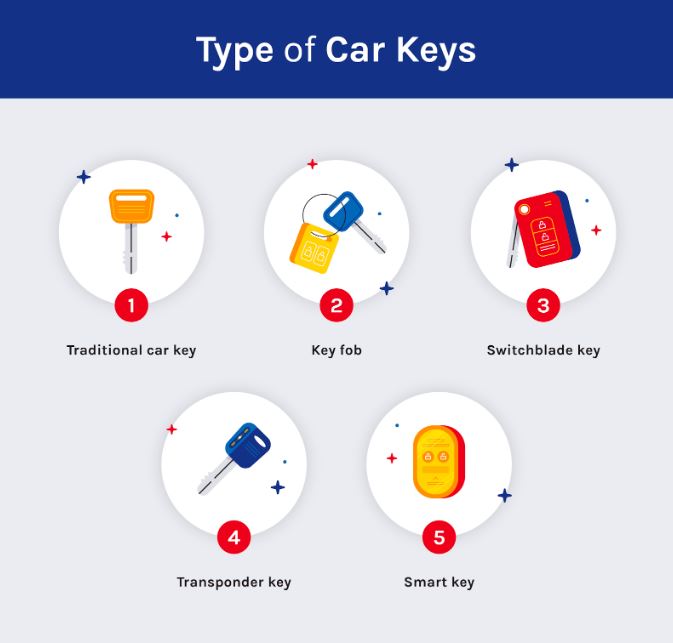
What happens if your car keys get lost depends on the type of key you use. A basic metal key may only need a simple copy. A transponder key, remote fob, or smart key often needs programming before the car will start.
You may face one or more of these problems:
• You cannot unlock the vehicle.
• You cannot start the engine.
• You may need proof of ownership before getting a new key.
• A locksmith or dealer may need to erase the old key from the vehicle system.
• You may pay for cutting, programming, towing, or emergency service.
Do not panic. Most lost car key problems have a clear solution. The main goal is to keep the car safe while finding the fastest and most affordable replacement option.

First Steps to Take After Losing Your Car Keys
The first few minutes matter. Before calling a dealer or locksmith, check whether the keys are truly gone. Many people find them in a coat pocket, shopping bag, gym locker, or between car seats.
Follow these steps:
Retrace your recent route. Think about the last place where you used the keys.
Check bags, pockets, counters, desks, and common drop zones at home.
Call places you visited, such as stores, restaurants, offices, or parking garages.
Ask nearby staff if someone turned in a set of keys.
Check your vehicle. You may have left the keys inside the trunk, center console, or door pocket.
Look for a spare key at home or with a trusted family member.
If you still cannot find them, move the car to a safe place if possible.
If the keys contain your address, vehicle registration, or personal information, treat the loss as a security concern. Someone who finds the keys may also know which vehicle they operate.
One lesson I have seen many drivers learn the hard way is that rushing to order a replacement can create extra costs. A few minutes of careful searching may prevent a full key replacement.
Lost Car Keys vs. Stolen Car Keys
What happens if your car keys get lost is different from what happens when they are stolen. With a simple loss, the main problem is access. With theft, someone may try to enter or move your vehicle.
Take extra action if you believe the keys were stolen:
• Move the car to a secure garage or monitored location.
• Contact your insurance company and ask whether key replacement is covered.
• Report the theft to the police if it involved a break-in or other crime.
• Ask a locksmith or dealer to delete the missing key from the vehicle’s computer.
• Change or reprogram the locks if your vehicle or home may be at risk.
Many modern vehicles allow a technician to remove a missing remote or smart key from the approved key list. This prevents the old key from starting the engine, although it may not stop it from unlocking every door on every model.
A lost key in a public place is not always an emergency. A stolen key near your home can be more serious. Use your judgment and focus on vehicle security first.
How to Get a Replacement Car Key
You usually have three main options: a dealership, an automotive locksmith, or a roadside assistance provider. Each option has benefits and limits.
Visit a Dealership
A dealership can order the correct key for your vehicle. It can also program advanced systems, such as proximity keys and manufacturer-specific smart keys.
You may need:
• A government-issued photo ID
• Vehicle registration or title
• The vehicle identification number, or VIN
• Proof that you own or have permission to use the vehicle
Dealers offer reliable service, but their prices may be higher. You may also need to tow the car to the dealership if no working key is available.
Call an Automotive Locksmith
A qualified automotive locksmith can often cut and program keys at your location. This can be faster than a dealer, especially if your car is parked at home, work, or on the roadside.
Before hiring one, ask:
• Is the technician licensed or registered where required?
• Can they work on your make, model, and year?
• Does the quote include cutting, programming, service fees, and tax?
• Will they provide a warranty?
• What documents do they need?
Avoid any provider that refuses to explain the price or ownership checks. A trustworthy locksmith protects both you and the vehicle owner.
Use Roadside Assistance
Roadside plans from auto clubs, insurers, and vehicle manufacturers may include lockout help or key replacement. Coverage varies. Some plans pay for labor but not the key itself.
Check the policy before service if you can. If you are in danger, blocking traffic, or stranded in severe weather, call for help first and review the details later.
How Much Does a Replacement Car Key Cost?
What happens if your car keys get lost can become expensive when the vehicle uses advanced security technology. The price depends on the key design and the work needed.
Typical cost factors include:
• Basic metal key cutting
• Transponder chip programming
• Remote buttons and battery type
• Proximity or smart key technology
• Emergency service or after-hours labor
• Vehicle towing
• Lock or ignition replacement
A basic duplicate may cost relatively little. A modern smart key can cost much more because it may need special equipment, security access, and programming. Prices also vary by location and vehicle brand.
Ask for an itemized quote before approving the work. Confirm whether the price includes the physical key, remote shell, programming, labor, mobile service, and taxes.
Do not choose the cheapest offer without checking the provider. An incorrect key can damage the ignition, fail to program, or leave you with another lockout.
Can You Use a Spare Key?
A spare key is usually the quickest answer to what happens if your car keys get lost. It can get you back on the road while you decide whether to replace the missing key.
If you have a spare, test it before relying on it. Some spare keys unlock the doors but do not start the engine because they lack a programmed transponder chip. Others may start the car but have a weak remote battery.
Once you regain access, consider making another spare. Store it in a secure place, not inside the vehicle or under an obvious mat. A trusted family member may keep one if that arrangement is safe.
A spare key can also reduce towing costs and emergency locksmith fees. Think of it as a small backup plan that protects you from a large inconvenience.
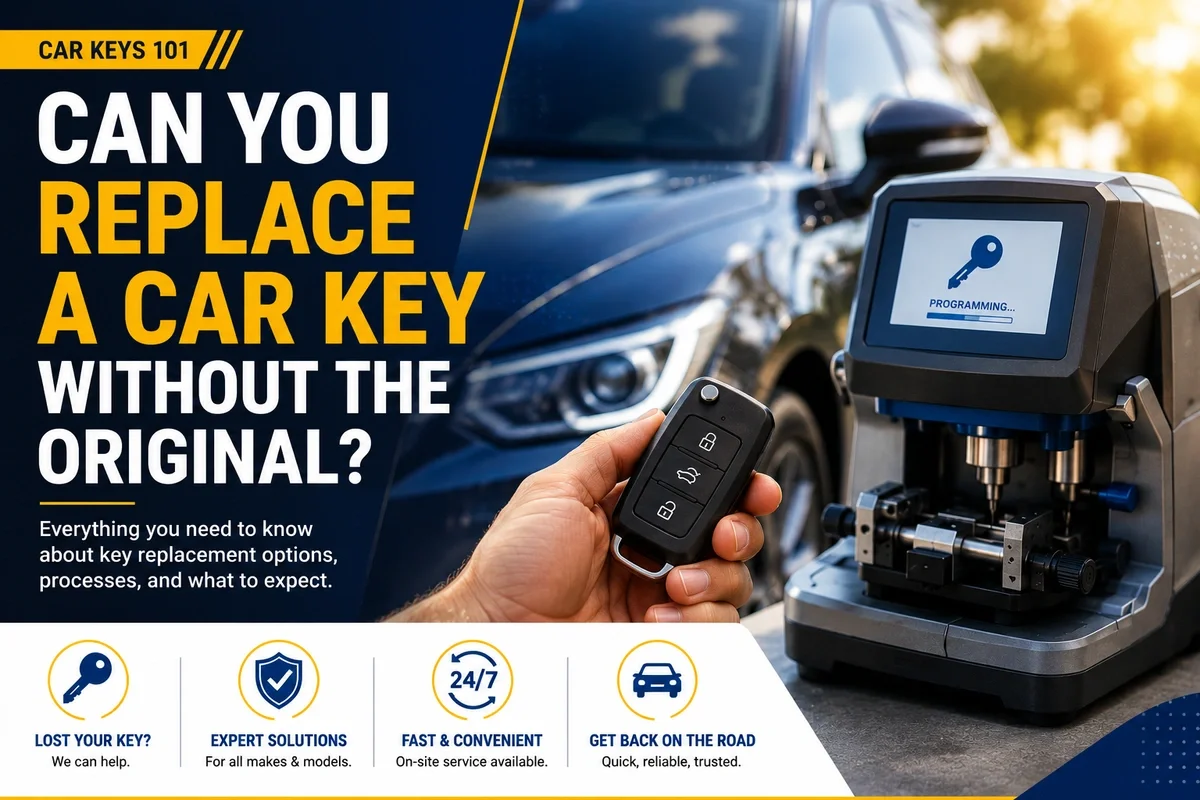
What to Do With the Missing Key on a Modern Car
Modern vehicles use several security systems. Understanding them helps explain what happens if your car keys get lost.
Traditional Metal Keys
Older vehicles may use a metal key with no electronic chip. A locksmith can often copy this key quickly. If the key also controls the ignition, the replacement must match the ignition design.
Transponder Keys
A transponder key contains a small electronic chip. The vehicle checks the chip before allowing the engine to start. A copied metal blade will not work unless the chip is also programmed.
Remote Key Fobs
A remote fob may lock and unlock the vehicle. Some fobs also contain a hidden emergency key. Replacing the battery will not replace a lost fob, and a new fob may need vehicle programming.
Smart Keys
A smart key lets you start the vehicle while it remains in your pocket or bag. The car detects the key nearby. If you lose one, ask a dealer or qualified locksmith whether the missing key can be removed from the system.
Vehicle security systems differ by brand and model. Always check the owner’s manual or ask a qualified technician rather than guessing.

Can Insurance Cover Lost Car Keys?
What happens if your car keys get lost may involve your auto insurance, roadside plan, home insurance, or warranty. Coverage is not automatic.
Some policies cover key replacement under comprehensive coverage or roadside assistance. Others cover only lockout service, towing, or labor. A deductible may also make a small claim less useful.
Ask your insurer:
• Does my policy cover lost or stolen keys?
• Does coverage include smart keys and programming?
• Is there a deductible?
• Can I choose my own locksmith?
• Do I need a police report for stolen keys?
• Will making a claim affect my future rates?
Your car warranty or maintenance plan may offer a separate key benefit. Read the terms before paying out of pocket when possible. Keep receipts, proof of ownership, and the old key if you still have part of it.

Mistakes to Avoid After Losing Your Car Keys
Many problems become worse because drivers take shortcuts. Avoid these common mistakes:
• Do not leave an unlocked vehicle in a public place for hours.
• Do not hide a spare key in an obvious location.
• Do not force the door open with a coat hanger or tool.
• Do not accept a vague quote from an unknown technician.
• Do not provide vehicle documents to an unverified person.
• Do not assume a copied metal key will start a modern car.
• Do not ignore the risk if the keys were stolen.
• Do not post a photo of your key, license plate, address, and vehicle online together.
Trying to open a car yourself can damage weather seals, wiring, airbags, or the window mechanism. Professional help is often cheaper than repairing avoidable damage.
If you are locked out on a highway, near traffic, or in extreme heat or cold, move away from danger and contact roadside assistance or emergency services.

How to Prevent Lost Car Keys
After learning what happens if your car keys get lost, prevention becomes much easier. Small habits can reduce the chance of another lockout.
Try these practical steps:
• Choose one place for your keys at home.
• Attach a Bluetooth tracker to your key ring.
• Keep a spare key in a secure, accessible location.
• Save your vehicle’s VIN and key type in a private record.
• Store your insurer, roadside plan, dealer, and locksmith numbers.
• Replace weak key fob batteries before they fail.
• Avoid placing keys loose in shopping bags or coat pockets.
• Check that you have the keys before closing the trunk.
A tracker can help you find keys, but it may not work if the battery is dead or the keys are far away. It also cannot replace professional programming for a modern vehicle.
The best approach is simple: create a routine, keep a safe spare, and know who you will call. Planning ahead turns a crisis into a short delay.
Frequently Asked Questions About What Happens if Your Car Keys Get Lost
Can I drive my car if I lost the key but have a spare?
Yes, if the spare key unlocks the vehicle and starts the engine. You should still replace the missing key if it may have been stolen or contains information that could identify your home.
Can a locksmith make a car key without the original?
Often, yes. A qualified automotive locksmith can use the VIN, vehicle records, key codes, and specialized tools to create and program a replacement, but requirements vary by vehicle.
Is it cheaper to replace a car key at a dealership or with a locksmith?
A locksmith may cost less for many vehicles and can provide mobile service. A dealership may be the better option for some smart keys, newer models, or systems that require manufacturer-specific programming.
Will my car insurance pay for lost car keys?
Some policies cover key replacement or roadside assistance, while others do not. Check your policy for deductibles, coverage limits, approved providers, and rules for stolen keys.
Should I disable a lost car key?
If the key may have been stolen, ask a dealer or qualified locksmith whether it can be removed from the vehicle’s security system. This is especially important when the key was lost near your home or with identifying documents.
How long does it take to replace a lost car key?
A basic key may take only a short time to cut. Electronic keys can take longer if the technician must obtain the correct part, connect diagnostic equipment, or tow the vehicle to a dealer.
Conclusion
What happens if your car keys get lost depends on the key type, your vehicle’s security system, and whether the keys were lost or stolen. Start by searching carefully, secure the vehicle, check for a spare, and contact a verified locksmith, dealer, insurer, or roadside provider.
Keep ownership documents ready, ask for a complete price, and consider deleting a stolen key from the vehicle’s system. Make a spare key and set up a simple storage routine today. If this guide helped, explore more vehicle safety resources or share your own lost-key experience in the comments.