

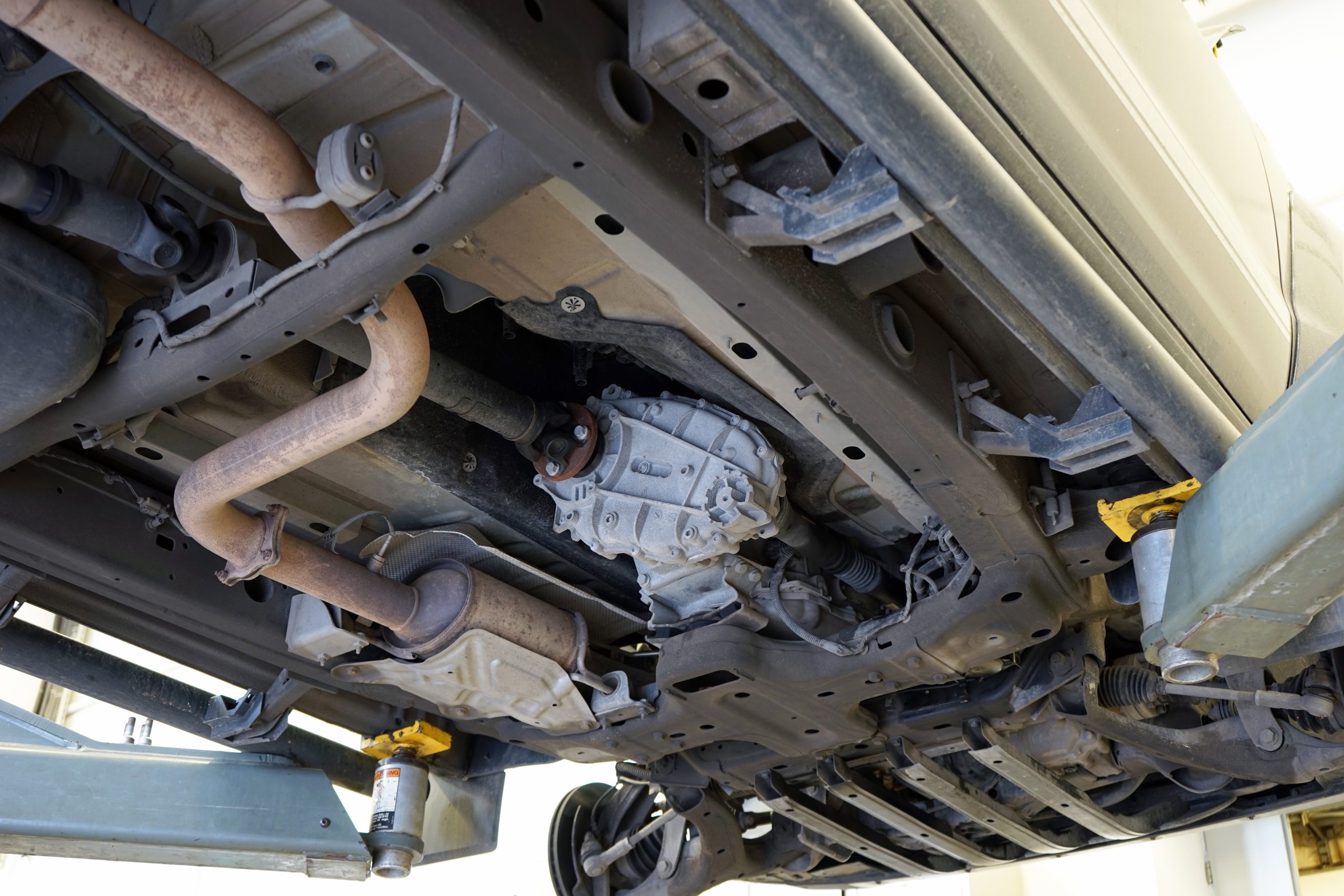
A transfer case on a car sends engine power to the front and rear axles in four-wheel-drive and all-wheel-drive vehicles.
Understanding what is a transfer case on a car helps you drive safely, spot early warning signs, and avoid costly drivetrain damage. This guide explains how the unit works, when to use it, common failures, service needs, and the mistakes that can shorten its life.

What Is a Transfer Case on a Car?
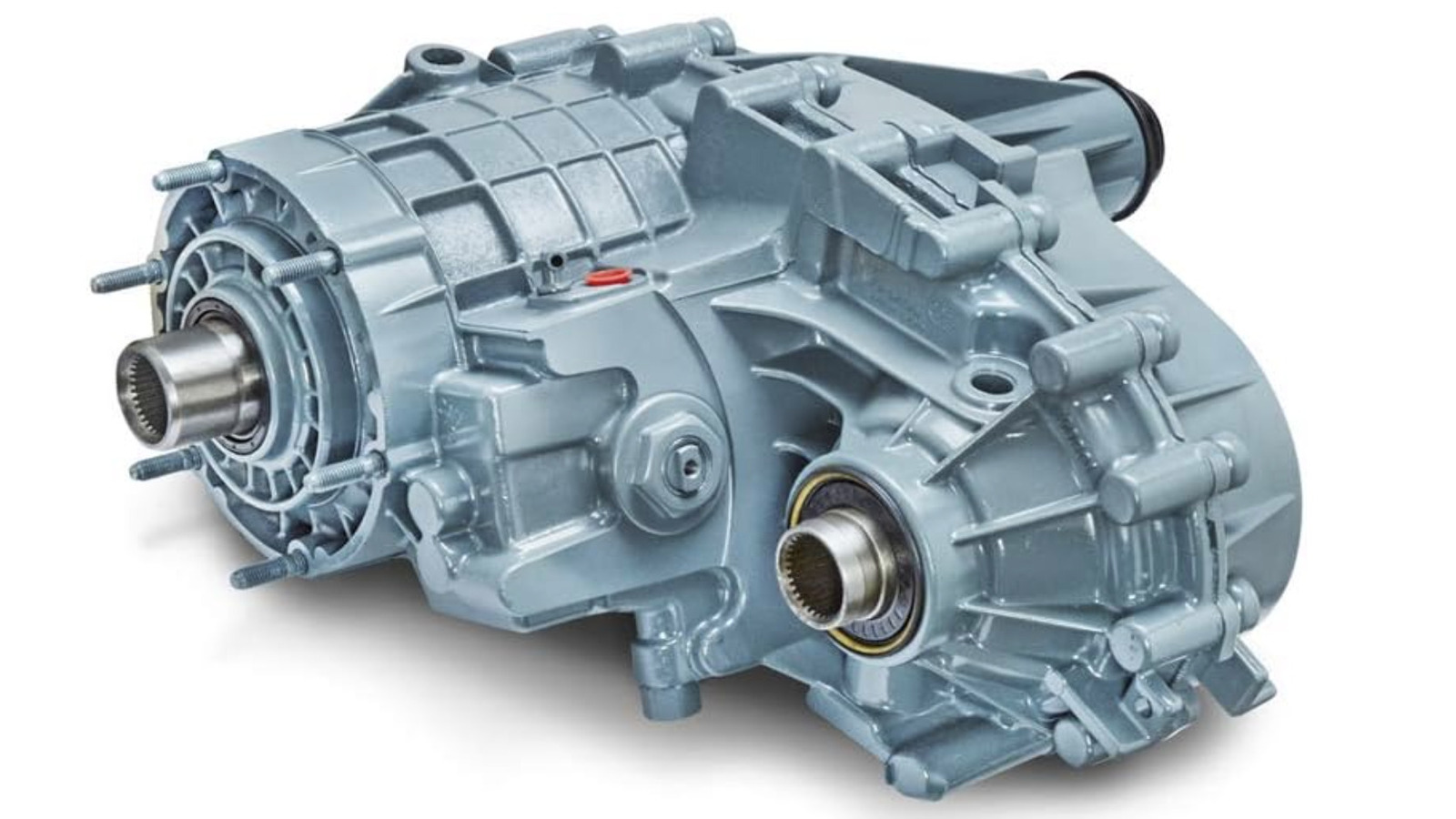
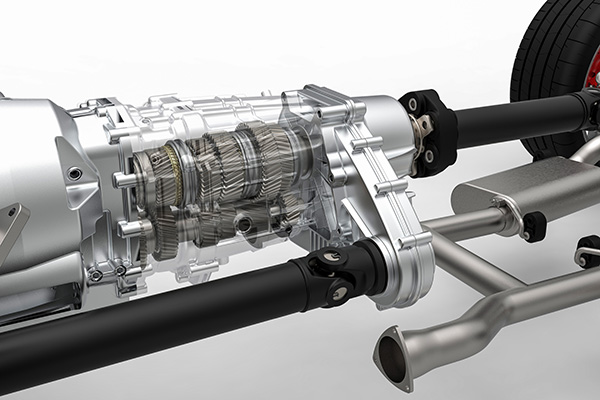
A transfer case is a gearbox that sits behind the transmission. It transfers engine power to more than one axle. Most vehicles with four-wheel drive or all-wheel drive use one.
The transmission changes engine speed and torque. The transfer case then decides where that power goes. Depending on the vehicle, it may send power to:


• The rear wheels only
• The front and rear wheels equally
• The front and rear wheels at different speeds
• A low-speed gear range for steep or rough terrain
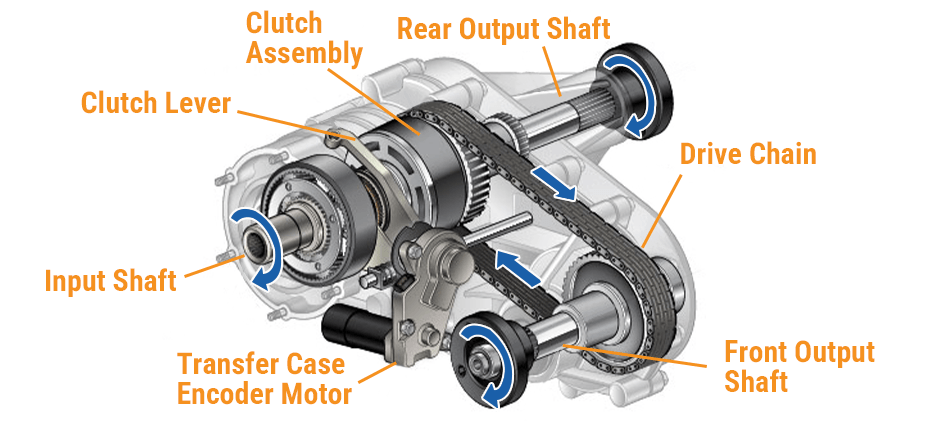
The transfer case connects to the transmission through an input shaft. It uses gears, chains, or both to turn output shafts. One output shaft drives the rear axle. The other drives the front axle through a front driveshaft.
A simple way to picture it is to imagine a power-splitting box. The engine provides the force, the transmission controls that force, and the transfer case distributes it.
Most transfer cases are found in trucks, SUVs, and off-road vehicles. Some cars also use an electronically controlled all-wheel-drive transfer unit. These systems may look different, but they perform a similar power-distribution job.
Service manuals and manufacturer specifications remain the best sources for the correct fluid, service interval, and operating method. Transfer case designs vary widely between vehicles.
How Does a Transfer Case Work?
The exact design depends on the vehicle, but the basic process is easy to understand.
The engine sends power through the transmission. The transmission sends that power into the transfer case. Inside the case, gears or a chain split the power between the front and rear drivetrains.
A traditional part-time four-wheel-drive system may have these settings:
• 2H: Two-wheel drive with the vehicle in high range


• 4H: Four-wheel drive with the vehicle in high range
• 4L: Four-wheel drive with a low gear range
In 2H, the transfer case normally sends power to the rear axle. In 4H, it connects the front and rear axles for better traction. In 4L, it reduces the output speed and increases torque for slow, difficult driving.
Many newer vehicles use full-time four-wheel drive or all-wheel drive. These systems can include a center differential, clutch pack, or electronic coupling. That component allows the front and rear axles to turn at different speeds when the vehicle turns.
This difference matters. The front wheels travel a slightly longer path than the rear wheels during a turn. A system without a center differential can bind on dry pavement if four-wheel drive is used when it is not needed.
Main Transfer Case Parts
A transfer case can include:
• Input shaft: Receives power from the transmission
• Output shafts: Send power to the front and rear axles
• Gear set: Changes speed and torque
• Drive chain: Transfers power to an output shaft in many designs
• Shift fork: Moves gears or collars into the selected mode
• Encoder motor: Changes drive modes in many electronic systems
• Clutch pack: Controls power distribution in some all-wheel-drive systems
• Seals and bearings: Keep fluid inside and support rotating parts
A transfer case may use a manual lever, a dashboard switch, or a computer-controlled motor. Some systems shift automatically based on wheel slip, throttle input, steering angle, and vehicle speed.


Transfer Case vs. Differential
People often confuse a transfer case with a differential. They are related, but they do different jobs.
A transfer case divides engine power between the front and rear axles. A differential divides power between two wheels on the same axle. Most vehicles have a front differential and a rear differential. Some four-wheel-drive vehicles also have a center differential inside or near the transfer case.
The differential lets the left and right wheels turn at different speeds during a turn. Without it, the tires would scrub across the road. The transfer case controls how power reaches the front and rear drivetrains.
Here is a simple comparison:
• Transfer case: Sends power between the front and rear axles
• Front differential: Divides power between the front wheels
• Rear differential: Divides power between the rear wheels
• Center differential: Allows front and rear axles to rotate at different speeds
A vehicle can have both a transfer case and several differentials. Each part has a separate role, and a problem in one area can sometimes feel like a problem in another.
Four-Wheel Drive, All-Wheel Drive, and Transfer Cases
Four-wheel drive and all-wheel drive both use systems that can power more than one axle. However, their control methods and intended uses often differ.
Part-Time Four-Wheel Drive
Part-time four-wheel drive is common in pickup trucks and traditional SUVs. The driver selects two-wheel drive, four-wheel drive high, or four-wheel drive low.
This system works well on loose surfaces such as:
• Snow
• Ice
• Mud
• Sand
• Gravel
• Rocky trails
Do not use part-time 4WD on dry pavement unless the owner’s manual says it is safe. The front and rear axles may bind because they cannot rotate at different speeds.
Full-Time Four-Wheel Drive
Full-time four-wheel drive can power both axles all the time. It usually includes a center differential or another method of managing speed differences.


Some full-time systems also include a lock mode. Locking the center connection can improve traction on loose surfaces, but it may cause stress on dry roads.
All-Wheel Drive
All-wheel-drive systems often work automatically. Sensors monitor wheel speed and other driving conditions. The system then sends extra power to the axle with more grip.
Some all-wheel-drive vehicles use a compact transfer case. Others use a transaxle-mounted power transfer unit and a rear drive module. The parts may have different names, but the goal is similar: send power to all four wheels when needed.
The owner’s manual is important here. Two vehicles may look similar but have very different rules for using their drive modes.
What Does a Transfer Case Do in 4L?
The low-range setting, often marked 4L, is designed for slow driving where extra wheel torque is useful. It does not make the vehicle drive faster. Instead, it helps the engine turn the wheels with more force.
Drivers may use 4L for:
• Climbing steep hills
• Descending steep trails
• Crawling over rocks
• Pulling a boat up a slippery ramp
• Moving through deep mud or sand
• Recovering a stuck vehicle
Low range also gives the driver better control. The vehicle moves slowly without forcing the driver to use excessive brake pressure. Engine braking can help during a controlled descent.
Never select 4L at high speed. Many vehicles require the transmission to be in neutral and the vehicle to be stopped or moving very slowly. Follow the exact shift procedure in the owner’s manual.
One common mistake is using 4L to gain speed in snow. Low range increases torque, but too much wheel spin can reduce traction. Smooth throttle control is usually more helpful.
Common Signs of a Bad Transfer Case
A failing transfer case can produce several warning signs. Some symptoms are minor at first, while others mean the vehicle should stop driving.
Watch for these symptoms:
• Difficulty shifting between drive modes
• A transfer case warning light
• Grinding, whining, or clunking sounds


• Fluid leaks under the vehicle
• A burning smell
• Drivetrain vibration
• Jumping or binding during turns
• Failure of the front wheels to receive power
• The vehicle becoming stuck in one drive mode
• Loud noise that changes with vehicle speed
A fluid leak may come from a worn output shaft seal, input seal, drain plug, or damaged housing. Low fluid can cause gears and bearings to overheat. A small leak should not be ignored.
A clicking or popping sound during turns may come from an axle joint or differential rather than the transfer case. Diagnosis matters because replacing the wrong part can become an expensive mistake.
My Practical Diagnosis Tip
When checking a vehicle, I first note when the noise occurs. A noise during acceleration points to a different problem than a noise during a turn. I also check the fluid level, tire sizes, warning lights, and whether the issue changes between drive modes.
This approach prevents guesswork. It is also wise to scan the vehicle’s control modules because electronic transfer cases may store fault codes even when the dashboard light turns off.

What Causes Transfer Case Problems?
Transfer case failure can happen for several reasons. Poor lubrication is one of the most common.
Typical causes include:
• Low or incorrect fluid
• Delayed fluid changes
• Worn gears or bearings
• A stretched or damaged drive chain
• Broken shift forks
• Failed encoder motors
• Damaged wiring or sensors
• Mismatched tire sizes


• Heavy towing or off-road use
• Impact damage from rocks or road debris
Tire size is especially important in all-wheel-drive and four-wheel-drive vehicles. Even small differences in tire circumference can make the front and rear axles rotate at different speeds. The transfer case may then work constantly to correct the difference.
Replace all four tires together when the manufacturer requires matching tire wear. If only one tire must be replaced, check the owner’s manual or ask a tire professional about tread-depth matching.
Another lesson I have seen in real vehicle service is that “sealed for life” does not always mean the fluid can never become contaminated. Heat, water, clutch material, and metal particles can affect fluid condition. The correct service plan depends on the vehicle and how it is used.
Transfer Case Fluid and Maintenance
Transfer case fluid reduces friction, carries heat away, and protects gears, bearings, chains, and clutch packs. Using the wrong fluid can cause shifting problems or internal damage.
Maintenance steps often include:
Check the service interval in the owner’s manual.
Inspect the housing and seals for leaks.
Confirm that the vehicle is level before checking fluid.
Use only the specified fluid.
Remove the fill plug before the drain plug when possible.
Refill the case to the manufacturer’s stated level.
Check for leaks after the service.
Many transfer cases do not use ordinary automatic transmission fluid. Some require automatic transmission fluid, gear oil, or a special manufacturer fluid. Never choose fluid based only on color.
During service, inspect the drained fluid. A small amount of fine metallic material may indicate normal wear, but large metal pieces or a strong burnt smell need professional inspection.
If water enters the transfer case during deep-water driving, the fluid may turn cloudy or milky. Water contamination reduces protection and can lead to rust. Have the system checked soon after suspected water entry.
Can You Drive With a Bad Transfer Case?
Sometimes you can drive a short distance with a minor transfer case problem, but doing so carries risk. A small leak can become a complete fluid loss. A damaged bearing or chain can also fail without much warning.
Stop driving and arrange an inspection if you notice:
• Severe grinding
• Heavy fluid loss
• Smoke or a burning smell
• Strong vibration
• A locked drivetrain
• Wheels that suddenly lose power
• A transfer case that will not shift out of 4WD
Driving on a dry road with a locked part-time four-wheel-drive system can create drivetrain windup. The vehicle may feel tight in turns, and parts can suffer extra stress.
Do not crawl under a running vehicle or inspect rotating parts without proper safety equipment. A qualified technician can lift the vehicle safely and identify whether the transfer case, driveshaft, differential, or axle is at fault.
Transfer Case Repair and Replacement Cost
Transfer case repair costs depend on the vehicle, the failure, and local labor rates. A fluid service is usually far less expensive than replacing internal gears, bearings, or the entire unit.
Possible repair work includes:
• Fluid replacement
• Seal replacement
• Encoder motor replacement
• Shift actuator repair
• Chain replacement
• Bearing replacement
• Gear replacement
• Complete transfer case replacement
A used transfer case may cost less than a rebuilt or new unit, but compatibility must be confirmed. The correct gear ratio, electronic controls, mounting points, and output design all matter.
Before approving a repair, ask for:
• A written diagnosis
• The exact failed part
• The recommended fluid
• Labor and parts costs
• Warranty details
• The cause of the failure
Replacing a transfer case without fixing the cause can lead to another failure. For example, mismatched tires or a faulty control module may damage the replacement unit.
Mistakes to Avoid With a Transfer Case
A few simple habits can protect the drivetrain.
Avoid these common mistakes:
• Using 4WD on dry pavement when the system is part-time
• Shifting into 4L at high speed
• Ignoring a fluid leak
• Installing tires with different sizes or severe tread differences
• Using the wrong transfer case fluid
• Towing beyond the vehicle’s rated capacity
• Assuming a warning light will fix itself
• Guessing at a repair without checking fault codes
• Buying a used unit without verifying the part number
Read the owner’s manual before using unfamiliar drive modes. The correct procedure can vary between vehicles, even within the same brand.
If the vehicle has automatic all-wheel drive, avoid testing the system by spinning the tires on purpose. That can create heat and stress in the clutch pack or power transfer unit.
Frequently Asked Questions About What Is a Transfer Case on a Car
What is a transfer case on a car used for?
A transfer case sends engine power from the transmission to the front and rear axles. It also provides high-range and, in many four-wheel-drive vehicles, low-range gearing.
Do all cars have a transfer case?
No. Most two-wheel-drive cars do not have a transfer case. It is mainly used in vehicles with four-wheel drive, full-time four-wheel drive, or certain all-wheel-drive systems.
Is a transfer case the same as a transmission?
No. The transmission changes engine speed and torque for driving. The transfer case distributes that power to the front and rear drivetrains.
How often should transfer case fluid be changed?
The interval depends on the vehicle and driving conditions. Check the owner’s manual, especially if you tow, drive off-road, or use the vehicle in deep water.
Can low transfer case fluid cause noise?
Yes. Low fluid can increase heat and friction, which may cause whining, grinding, or clunking sounds. Continued driving can damage gears, bearings, and chains.
Can bad tires damage a transfer case?
Yes. Different tire sizes or major differences in tread depth can make the axles rotate at different speeds. That can create extra heat and stress in the transfer case or related drivetrain parts.
What does 4L mean on a transfer case?
4L means four-wheel drive with low-range gearing. It provides more wheel torque and slow vehicle movement for steep hills, rough trails, mud, sand, and recovery work.
Conclusion
A transfer case is the drivetrain unit that directs engine power to the front and rear axles. It may also provide low-range gearing, automatic traction control, or a center differential. Understanding what is a transfer case on a car makes it easier to use four-wheel drive correctly and recognize problems early.
Keep the fluid at the proper level, use the correct drive mode, maintain matching tires, and follow the service schedule. If you hear grinding, feel binding, or see a leak, have the vehicle inspected before a small fault becomes a major repair.
Check your owner’s manual today, and share your vehicle’s transfer case questions or experiences in the comments.
