

Most drivers should wash their car every two weeks, adjusting the schedule for weather, roads, and use.
Knowing how often should you wash your car helps protect its paint, glass, wheels, and resale value. The right schedule depends on where you drive, where you park, the season, and what lands on the vehicle. This guide combines practical car-care advice with proven detailing principles, so you can build a routine that keeps your car clean without wasting time or money.
How often should you wash your car?
For most cars, washing every two weeks is a sound starting point. This removes dust, road film, bird droppings, pollen, salt, and other debris before they can damage the finish.
However, every car faces different conditions. A vehicle driven on salted winter roads needs more care than one kept in a garage and driven only on sunny weekends.
Use this schedule as a guide:
• Every one to two weeks: Best for most daily drivers.
• Once a week: Better for cars exposed to salt, mud, heavy rain, tree sap, or frequent highway driving.
• Every three to four weeks: Reasonable for lightly used cars kept in a garage and protected from harsh conditions.
• As soon as possible: Wash away bird droppings, bug remains, tree sap, road tar, and spilled chemicals.
The main goal is not to follow a perfect calendar. It is to stop harmful material from sitting on the paint for too long.
Why regular car washing matters
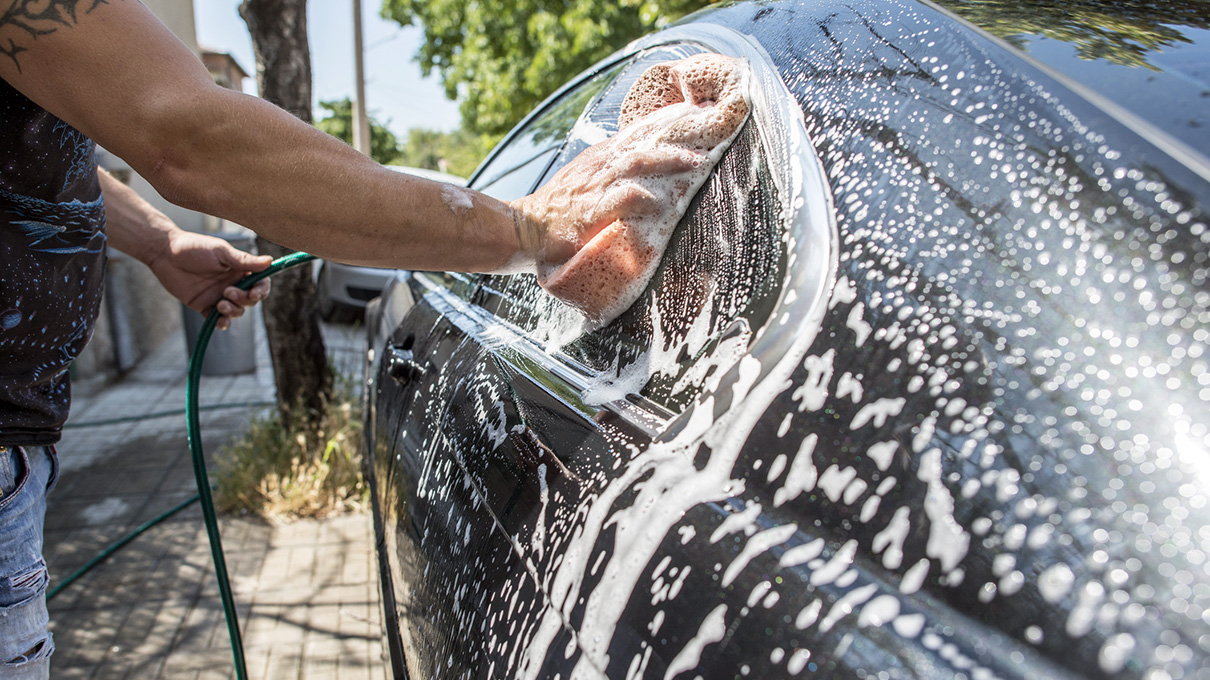
A car wash does more than make your vehicle look nice. Dirt often contains sharp mineral particles, oily road film, salt, and acidic waste. When these materials stay on the surface, they can wear down protective wax and stain the clear coat.
Think of your clear coat as a thin shield. It protects the colored paint beneath it, but it is not impossible to damage. Regular washing removes contaminants before they bond to the surface.
Protecting the paint
Dust and grit can scratch paint during washing or wiping. The longer they sit on the car, the more likely they are to cause fine marks.
A clean car also makes it easier to spot scratches, chips, rust, and peeling paint early. Small problems are often cheaper to fix than large ones.
Preventing rust
Modern vehicles have strong rust protection, but exposed metal can still corrode. Road salt is especially aggressive because it helps moisture stay on metal surfaces.
Pay close attention to:
• Wheel wells
• The underside of doors
• Rocker panels
• Trunk and hood seams
• Areas behind the wheels
A wash cannot remove every rust risk, but it can reduce the amount of salt and grime left behind.
Supporting resale value
A clean, well-kept exterior can improve a car’s first impression. Regular washing also shows that the vehicle received consistent care.
This does not mean washing alone will raise the car’s value. Mechanical condition, service records, mileage, and accident history matter more. Still, neglected paint can make an otherwise good vehicle look older.
Factors that change your car wash schedule
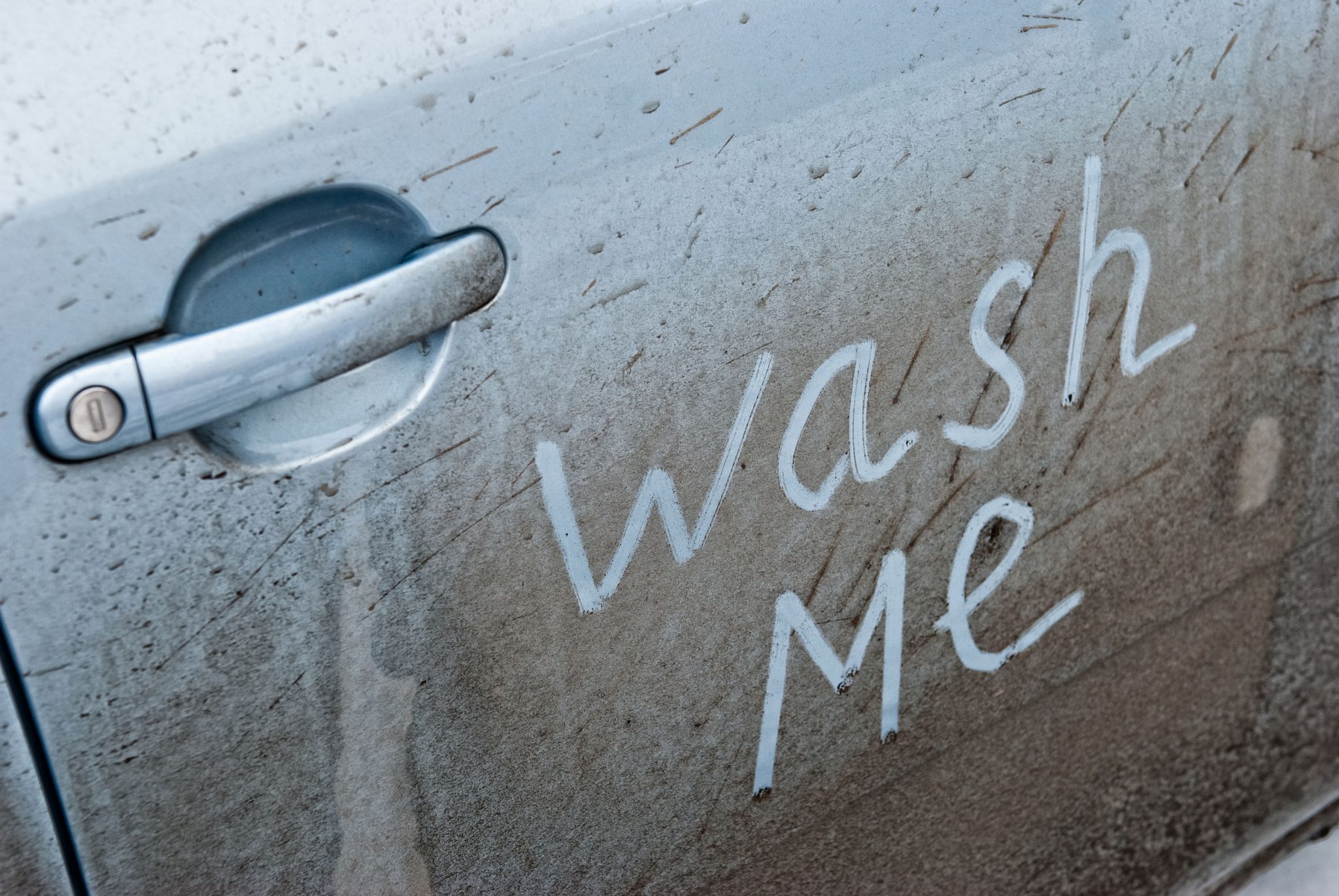
The answer to how often should you wash your car changes with your environment. A fixed schedule may work for one driver but fail for another.
Weather and climate
Rain does not always clean a car. Light rain can leave water spots, dust, and mineral residue behind. Heavy rain may rinse away loose dirt, but it can also splash mud and road grime onto the lower panels.
Hot, dry areas often create a thick layer of dust. Humid regions may increase the risk of mold, mildew, and water spotting.
Road salt and winter chemicals
If you drive where roads are salted, wash your car about once a week when possible. Focus on the undercarriage, wheel wells, and lower body panels.
Do not wait for a warm day if salt is building up. Many automatic washes offer an underbody rinse, which can help remove salt from hard-to-reach areas.
Coastal air
Salt from ocean air can settle on a vehicle even when you do not drive on the beach. If you live near the coast, inspect your car often and consider washing it every one to two weeks.
Rinse the vehicle after beach trips. Sand can scratch the paint, while salt can accelerate corrosion on exposed metal.
Trees and birds
Tree sap, bird droppings, and fallen fruit can damage paint. Their acids and enzymes may etch the clear coat, especially in direct sunlight.
Remove these spots as soon as you see them. You do not always need a full wash. A clean microfiber towel and a safe detailing spray may be enough for a fresh spot.
Driving habits
Highway driving creates more exposure to bugs, tar, dust, and road spray. Frequent off-road driving creates even more buildup.
You may need to wash more often if you:
• Drive long distances each week
• Travel on gravel or muddy roads
• Park under trees
• Commute through construction zones
• Transport pets, children, or outdoor gear
• Drive through snow or salted roads
Signs your car needs a wash now
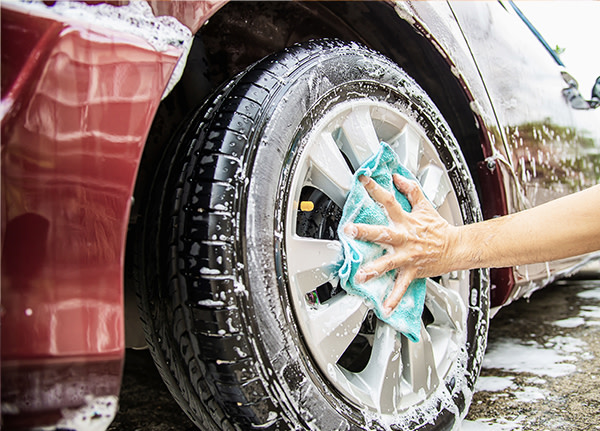
You do not need to inspect the calendar to know how often should you wash your car. The vehicle itself often gives you useful clues.
Wash your car soon if you notice:
• A gritty feel when you touch the paint
• White salt lines near the wheels
• Brown or black film on lower doors
• Bird droppings or bug remains
• Sticky tree sap
• Mud inside wheel wells
• Heavy pollen across the glass and paint
• Water spots that do not disappear after rain
• Reduced visibility through the windows or mirrors
A simple test can help. Run your fingers across a clean plastic bag placed over the paint. If the surface feels rough, bonded contaminants may be present. Do not rub gritty paint with a dry towel, since that can create scratches.

How to wash your car safely
The method matters as much as how often should you wash your car. A poor wash can create swirl marks, even when you clean the vehicle often.
What you need
Gather these basic supplies:
• Two buckets
• Car wash soap
• A soft wash mitt
• A separate wheel brush
• Several clean microfiber towels
• A hose or pressure washer
• A drying towel or gentle air blower
Use car wash soap instead of household dish soap. Dish soap can remove protective oils and may leave the finish feeling dry. It is not designed for automotive paint.
A safe step-by-step method
Park in the shade and let the paint cool.
Rinse the car from top to bottom.
Clean the wheels with separate tools.
Fill one bucket with soapy water and one with plain water.
Wash one small section at a time.
Rinse the mitt in the plain-water bucket after each section.
Work from the roof toward the lower panels.
Rinse the entire car well.
Dry with a clean microfiber towel.
Check for missed spots, water marks, or remaining debris.
The two-bucket method reduces the chance of moving grit back onto the paint. Do not press hard. Let the soap and mitt loosen the dirt.
Why wheels need separate tools
Brake dust contains fine metal particles. These particles can scratch paint and may damage a towel used on the body.
Clean the wheels first or use separate tools for them. Never use a wheel brush on painted panels, glass, or interior surfaces.
Is an automatic car wash safe?
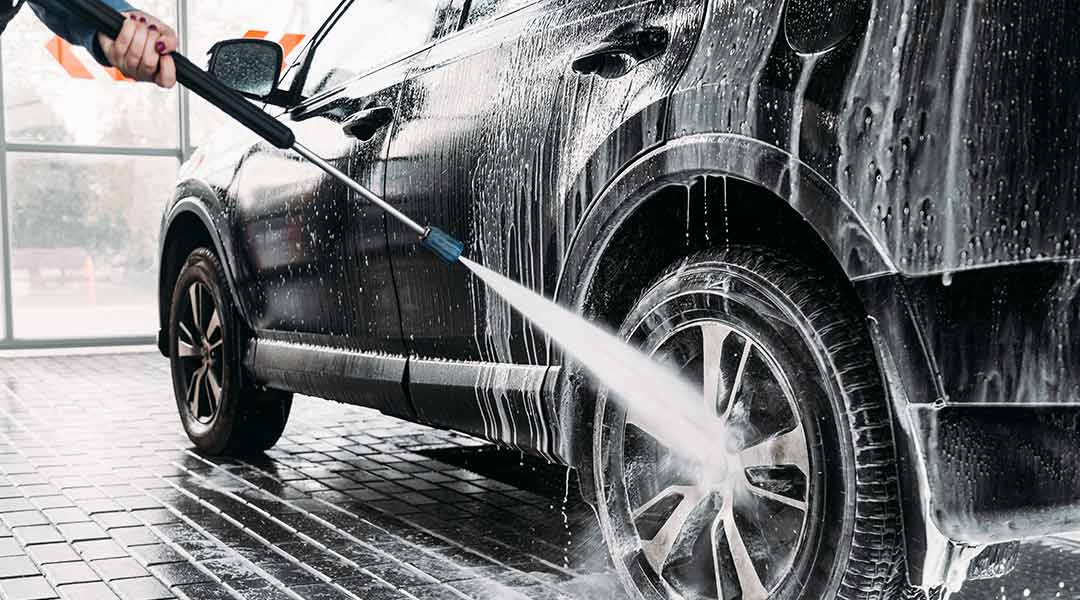
Automatic car washes can be useful when you need speed or access to an underbody rinse. Touch-free systems usually create fewer physical scratches because brushes do not contact the paint.
Soft-cloth systems may clean well, but shared brushes can hold grit from previous vehicles. The risk varies by location and maintenance.
Choose an automatic wash carefully:
• Prefer a touch-free wash when the car is heavily dirty.
• Look for an underbody rinse during winter.
• Avoid strong spinning brushes if the paint already has swirl marks.
• Skip very harsh wash packages that use aggressive chemicals.
• Dry the car afterward if water spotting is common in your area.
Hand washing gives you more control, but it is not automatically safer. A dirty sponge, harsh towel, or circular scrubbing motion can cause damage. Good technique matters more than the label on the wash method.

How often should you wash your car in different seasons?
Each season creates its own cleaning challenges. Adjusting your routine is more useful than following the same interval all year.
Spring
Spring brings pollen, rain, mud, and bird activity. Wash every one to two weeks, and rinse pollen before wiping the surface.
If pollen becomes wet, it can form a sticky film. Use plenty of water and soap instead of dry dusting.
Summer
Summer heat can bake bird droppings, bugs, and tree sap into the paint. Wash every one to two weeks and remove fresh spots as soon as possible.
Avoid washing in direct sun. Soap can dry quickly and leave marks before you rinse it.
Fall
Fallen leaves and moisture can collect around seals, vents, and drains. Remove leaves by hand and check areas around the hood, trunk, and windshield.
Wash every two to three weeks, or more often if the car sits beneath trees.
Winter
Winter usually calls for the most frequent washing. Salt, brine, mud, and sand can collect on the underside and lower body.
Try to wash weekly when temperatures allow. If a full wash is not practical, use a professional wash with an underbody rinse.
Common car washing mistakes to avoid
Even people who wash their cars often can damage the finish through small habits. Avoid these common errors:
• Washing with dish soap: It may strip existing protection.
• Using one bucket: Dirt stays in the water and returns to the paint.
• Using a household sponge: Sponges can trap grit against the surface.
• Washing in direct sun: Soap and water may dry too fast.
• Wiping a dry, dirty car: This can create fine scratches.
• Using one towel everywhere: Wheel dust can transfer to painted panels.
• Scrubbing bird droppings: Soak them first and lift them gently.
• Letting the car air-dry in hard-water areas: Minerals may leave spots.
• Using old microfiber towels: Worn or dirty fibers can drag grit.
• Ignoring the underside: Salt often collects below the visible body.
One mistake I have seen repeatedly is focusing only on the hood and doors. The lower panels and wheel wells usually carry the heaviest grime, so they deserve extra attention.
Washing versus detailing
Washing removes loose dirt and surface contaminants. Detailing is a deeper process that may include decontamination, polishing, waxing, paint sealant, and interior cleaning.
A normal wash may be needed every one to two weeks. A full detail may be needed only once or twice a year, depending on the car’s condition and your expectations.
Consider paint protection after cleaning:
• Wax may provide short-term protection and shine.
• Paint sealants often last longer than traditional wax.
• Ceramic coatings can provide durable protection when properly installed and maintained.
No coating makes a car self-cleaning. Protected paint still needs regular washing. Coatings can make dirt easier to remove, but they do not eliminate road salt, bird droppings, or tree sap.

How to save water and money
A careful routine does not need to be expensive. You can protect the car while reducing water use.
Try these practical tips:
• Wash in the shade to reduce wasted water from quick drying.
• Use a shutoff nozzle on the hose.
• Clean from top to bottom so dirty water flows downward.
• Use a rinseless wash only when the car has light, loose dirt.
• Use a professional wash with water recycling when available.
• Keep microfiber towels clean and wash them without fabric softener.
• Treat spots early instead of paying for heavy correction later.
Rinseless products are useful for apartment residents or cold weather, but they are not ideal for thick mud, heavy salt, or gritty off-road dirt. In those cases, use a strong pre-rinse first.
How often should you wash your car if it is ceramic coated?
A ceramic-coated car should still be washed about every two to four weeks in normal conditions. Wash it sooner after exposure to salt, bird droppings, tree sap, or heavy road film.
Use pH-balanced car soap and avoid rough brushes. A coating can reduce sticking and improve water behavior, but it cannot protect against every scratch or chemical stain.
Can washing your car too often damage the paint?
Frequent washing does not usually damage paint when you use clean tools, proper soap, and gentle pressure. Scratches are more often caused by trapped grit, automatic brushes, dirty towels, or dry wiping.
If the car is only dusty, rinse it first. Never drag a towel across a dry, gritty surface.
Is it okay to wash your car every week?
Yes. Weekly washing is helpful for daily drivers, winter vehicles, coastal cars, and vehicles parked outdoors. It is not necessary for every car, but it is safe when the process is gentle and consistent.
Should you wash your car after it rains?
Wash your car after rain when the storm leaves mud, road film, or mineral spots behind. Light rain alone may not require a full wash if the car remains clean and the rainwater is soft.
Check the surface after the car dries. If it feels gritty or looks streaked, clean it soon.
What is the best time of day to wash a car?
The best time is usually early morning, late afternoon, or any period when the car is shaded and cool. Avoid washing hot paint in direct sunlight because soap and water may dry before you can rinse them.
A cool surface gives you more time to wash each section safely.
How often should you wash your car before applying wax?
Wash and dry the car before waxing, then inspect the paint for bonded dirt. If the surface feels rough, use a suitable clay or synthetic decontamination product before applying wax.
Wax bonds better to clean paint. Many drivers wax every three to four months, but the exact interval depends on the product and weather exposure.
Conclusion
For most drivers, washing every two weeks offers a practical balance between paint care, time, and cost. Wash weekly when your car faces road salt, coastal air, mud, heavy rain, tree sap, or frequent highway travel. Remove bird droppings, bug remains, and sap as soon as possible.
Use car soap, clean microfiber tools, separate wheel equipment, and a gentle top-to-bottom method. The best answer to how often should you wash your car is the schedule that matches your driving conditions and prevents grime from sitting on the finish.
Start with a two-week routine, adjust it by season, and inspect your car after every major weather event. For more practical vehicle care guides, explore related resources or share your own car-washing routine in the comments.