

Introduction
A used car with 150,000 miles is not automatically bad. In the United States, its condition, maintenance history, age, model, and price matter more than the odometer alone.
A well-maintained Toyota, Honda, Ford, Chevrolet, or Subaru may still provide useful transportation at 150,000 miles. A neglected car with 90,000 miles may be a much worse buy. At this mileage, though, more parts are likely to need repair, so you should buy based on records and an independent inspection—not appearance alone.
The safest approach is simple: check the vehicle history, inspect the car, scan for problems, review its maintenance, and compare the total cost with a lower-mile alternative.
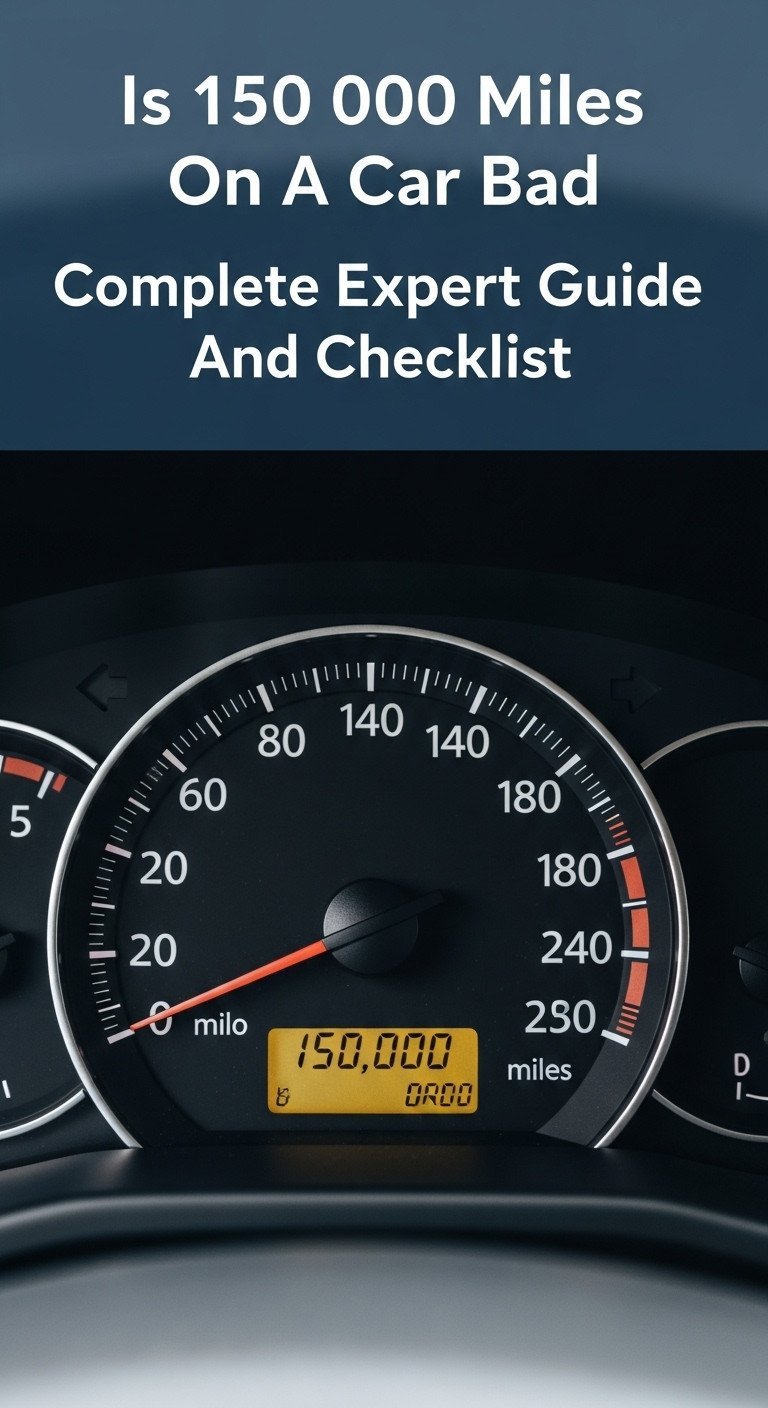
What does 150,000 miles mean on a used car?
150,000 miles means the vehicle has traveled a long distance, but it does not tell you how hard it was used. A car driven 150,000 highway miles may have less wear than one driven 100,000 miles in heavy stop-and-go traffic.


The mileage also means the car may be entering a more expensive stage of ownership. Rubber parts, suspension components, cooling-system parts, belts, hoses, seals, sensors, and other systems may be worn even if the engine still runs well.
A 150,000-mile vehicle can be a reasonable purchase when:
- The seller has clear maintenance records.
- The vehicle has no serious rust or flood damage.
- The engine and transmission work properly.
- The title and mileage history are consistent.
- A qualified mechanic finds no major safety problem.
- The price leaves room for likely repairs.
Mileage is best treated as a risk signal, not a final verdict.
Mileage is not the same as condition
Two cars with the same odometer reading can have very different histories:
| Vehicle history | Likely effect |
|---|---|
| Regular oil changes and documented repairs | Lower risk |
| Mostly highway driving | Often less brake and suspension wear |
| Frequent towing or commercial use | More drivetrain and chassis stress |
| Long periods without service | Higher risk of deferred repairs |
| Severe rust or flood exposure | Major concern, regardless of mileage |
| Missing records | More uncertainty and bargaining risk |
You also need to consider the vehicle’s age. A 150,000-mile car that is 10 years old has averaged about 15,000 miles per year. A 20-year-old car has averaged about 7,500 miles per year. Neither number proves good or bad use, but it gives useful context.
The Federal Trade Commission’s used-car guidance recommends getting a vehicle history report and having the car inspected before purchase. A history report can reveal reported accidents, title problems, and ownership changes, but it cannot replace a mechanical inspection.

When is a 150,000-mile car a good buy?
A 150,000-mile car may be a good buy when its purchase price reflects its age and repair risk. The vehicle should also have a strong service history and pass an inspection by a mechanic who does not work for the seller.
The best candidates often have:
- Consistent maintenance records.
- One or a small number of long-term owners.
- No salvage, flood, or rebuilt title.
- No major oil, coolant, or transmission leaks.
- A smooth cold start.
- No serious warning lights.
- A working heating and air-conditioning system.
- Tires and brakes with useful life left.
- A clean inspection report.
- A price that fits your repair budget.
The specific model matters, but reputation alone is not enough. A reliable model can still be damaged, poorly maintained, or expensive to repair. A less celebrated model can be a sensible purchase if it has strong records and a lower price.


A low price does not always make it a bargain
Suppose a 150,000-mile car costs $5,000. That may sound affordable. But if it soon needs $2,500 in tires, brakes, suspension work, and cooling-system repairs, the effective first-year cost becomes $7,500.
That does not automatically make the purchase wrong. The car may still cost less than financing a newer vehicle. The key is to compare the full cost:
First-year cost = purchase price + taxes and fees + immediate repairs + expected maintenance
This is a hypothetical calculation, not a guaranteed repair estimate. Actual costs depend on the model, location, parts, labor rates, and the car’s condition.
Before buying, keep an emergency repair fund. A high-mileage car may run well for months, then need two unrelated repairs close together. If one major repair would make the car unaffordable, a lower-mile vehicle may be the safer financial choice.

What should you inspect before buying a 150,000-mile car?
You should arrange a pre-purchase inspection before paying a deposit or signing the final paperwork. A mechanic should inspect the car on a lift and test-drive it under normal conditions.
1. Check the vehicle history and title
Ask for the vehicle identification number, or VIN. Use it to check:
- Title branding
- Reported crashes
- Odometer records
- Salvage or rebuilt history
- Flood or hail damage
- Open recalls
- Service entries
- Number of recorded owners
The National Highway Traffic Safety Administration’s VIN recall tool can identify open safety recalls. Recall repairs are generally completed by the manufacturer or an authorized dealer at no cost, although you should confirm the repair process.
A history report is incomplete evidence. Not every crash, repair, or flood event is reported. A clean report does not prove that the car is free of defects.
Check the physical title as well. The title state, VIN, seller name, and mileage should make sense. A seller who refuses to show the title or VIN is a serious warning sign.
2. Inspect the engine and transmission
Ask the mechanic to check for:
- Oil or coolant leaks
- Blue, white, or heavy black exhaust smoke
- Overheating
- Hard starting
- Rough idle
- Poor compression
- Excessive engine noise
- Transmission slipping
- Delayed gear engagement
- Harsh or irregular shifts
- Damaged engine mounts
Start the engine when it is cold if possible. A warm engine may hide hard-start problems or excessive smoke.
A road test should include city streets, highway speeds, hills, and firm braking when safe. The car should track straight, shift predictably, and stop without unusual vibration or noise.
3. Inspect the suspension, steering, and brakes
At 150,000 miles, wear in the suspension and steering is common. The inspection should include:


- Ball joints
- Tie rods
- Control-arm bushings
- Struts or shocks
- Wheel bearings
- Springs
- Steering rack
- Brake pads and rotors
- Brake lines
- Parking brake
- Tire condition and age
Uneven tire wear can point to poor alignment, worn suspension parts, or past accident damage. A vehicle that pulls to one side may need a simple alignment, but it could also have a damaged component.
4. Look for rust, water damage, and poor repairs
Surface rust may be manageable. Structural rust is much more serious. Ask the mechanic to inspect the frame, subframes, suspension mounting points, brake lines, and fuel lines.
Look for signs of flood damage, such as:
- A musty smell
- Damp carpet
- Water lines in the trunk or engine bay
- Corrosion under seats
- Rust on electrical connectors
- Inconsistent operation of lights or accessories
- Recently replaced carpeting
Water damage can create electrical problems long after the vehicle appears dry.
5. Test the electrical and comfort systems
At this mileage, small electrical faults can become frustrating and costly. Test:
- Headlights and turn signals
- Brake lights
- Dashboard warning lights
- Windows and locks
- Wipers and washers
- Backup camera
- Radio and screen
- Heated seats
- Air conditioning
- Heater and defroster
- Cruise control
- Power mirrors
- Instrument displays
The air conditioner should produce cold air, and the heater should produce warm air. A failed blower, compressor, condenser, or heater core may cost much more than a basic service.

What maintenance should a 150,000-mile car have?
A 150,000-mile car should have maintenance that matches the manufacturer’s schedule for its exact year, engine, transmission, and drivetrain. Do not rely on a generic online list because service needs vary.
Look for records showing appropriate work on:
- Engine oil and filters
- Transmission fluid
- Coolant
- Brake fluid
- Differential fluid
- Transfer-case fluid on four-wheel-drive models
- Spark plugs
- Timing belt, if equipped
- Serpentine belt
- Air filters
- Battery
- Brake parts
- Tires
- Suspension components
Timing belt history is especially important
Some engines use a timing belt. Others use a timing chain. A timing belt has a scheduled replacement interval, and failure can cause severe engine damage on some engines.
Ask for a receipt showing when the belt and related parts were replaced. On many vehicles, a timing-belt service may include the water pump and tensioners. If there is no proof of replacement and the manufacturer calls for it, treat the service as a likely near-term expense.
Do not assume a timing chain is maintenance-free. Chains can last a long time, but oil neglect, worn guides, or a failing tensioner can still create major problems.


Use the owner’s manual as the primary guide
The owner’s manual and factory maintenance schedule are more reliable than a seller’s claim that the car has been “fully serviced.” If records are missing, ask a mechanic what maintenance is due based on the VIN, mileage, and age.
A service record should ideally show:
- Date of service
- Mileage at service
- Work completed
- Parts used
- Shop name or technician
Receipts are stronger evidence than a handwritten note with no detail.
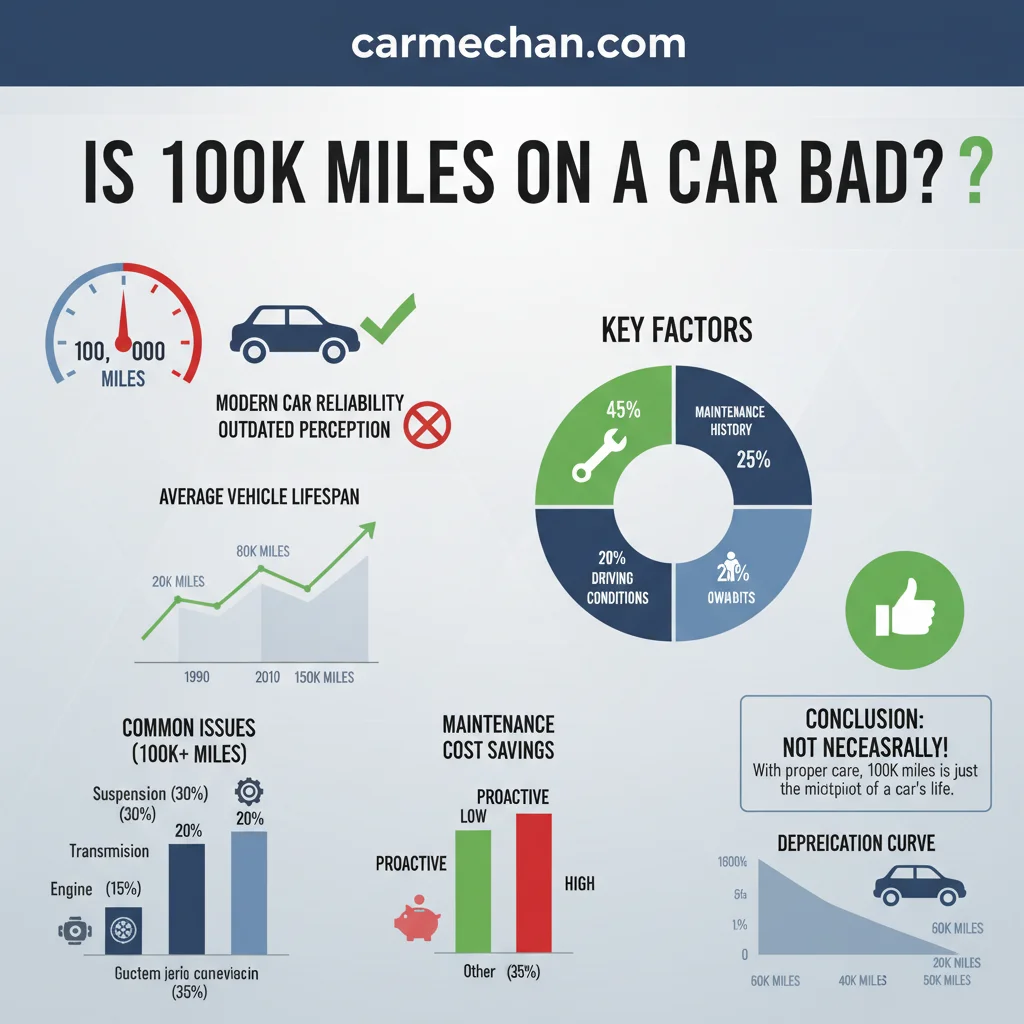
How much life is left in a car with 150,000 miles?
There is no reliable mileage number that predicts when every used car will fail. Some vehicles continue well beyond 150,000 miles, while others develop major problems soon after that point.
Remaining life depends on:
- Engine and transmission design
- Maintenance quality
- Rust and climate
- Driving conditions
- Accident history
- Towing or hauling
- Previous repairs
- Parts availability
- Owner expectations
A car that spent years in a road-salt region may have more corrosion than a car with the same mileage from a dry state. A vehicle used for towing may have more drivetrain stress. A car used for short trips may have different wear than one used for long highway commutes.
Warning signs that should change your decision
Be cautious or walk away when you find:
- A flashing check-engine light
- Low oil pressure
- Overheating
- White smoke from the exhaust
- Severe engine knocking
- Transmission slipping
- Major fluid leaks
- Structural rust
- Flood or salvage history
- Airbag warning lights
- Missing or altered VIN labels
- A seller who refuses an independent inspection
A steady check-engine light does not always mean a major failure, but you should scan the vehicle and find the cause before buying. Clearing the code just before a test drive is another concern because the vehicle may not have completed its emissions readiness checks.
Can you trust the odometer?
Treat mileage as questionable when the interior, pedals, tires, steering wheel, or driver’s seat show wear that does not match the displayed number. Those signs are not proof of fraud, but they justify more research.
Compare the odometer with:
- State title records
- Inspection records
- Repair invoices
- Oil-change stickers
- Vehicle history reports
- Digital service records
Odometer fraud is illegal in the United States. If the mileage appears altered, do not buy the vehicle unless the title and legal records clearly explain the discrepancy.
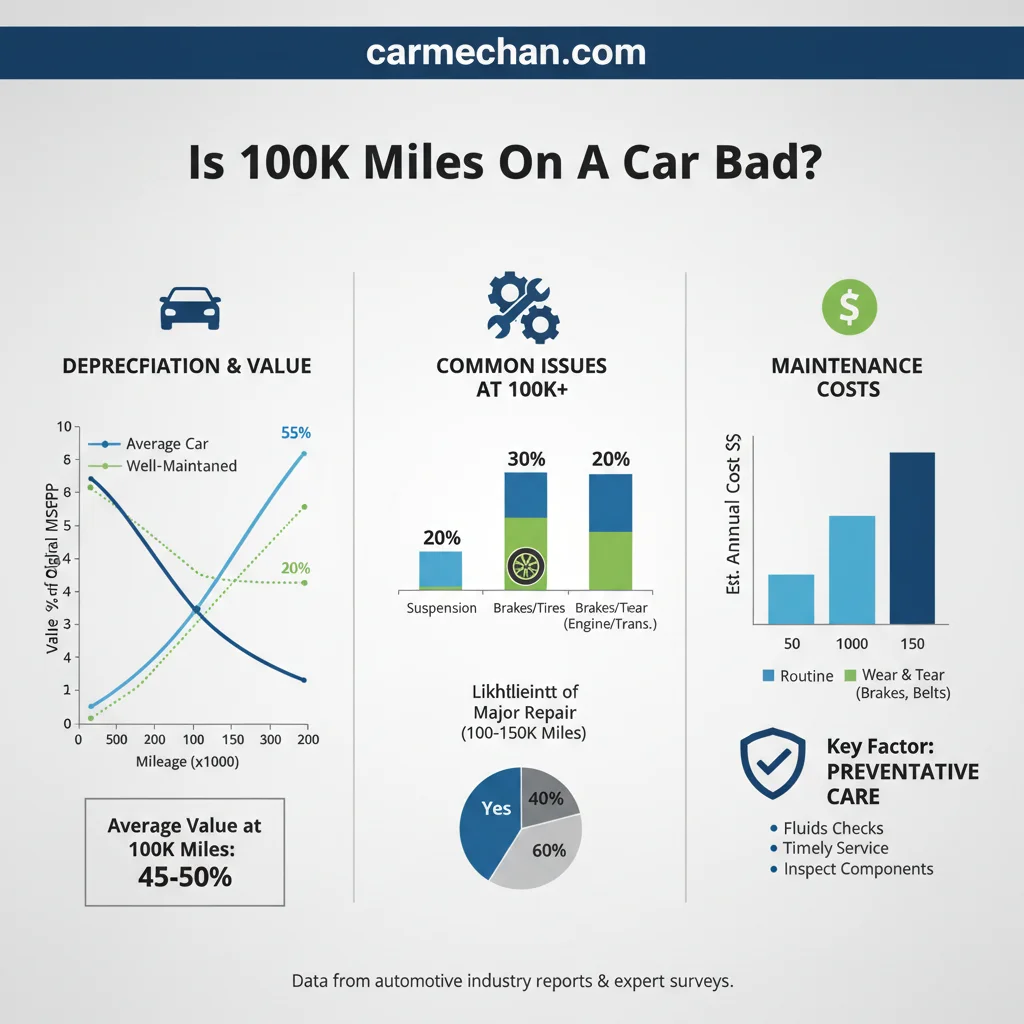
Is a 150,000-mile car worth buying for a daily driver?
A 150,000-mile car may work well as a daily driver if reliability matters less than low purchase cost and you can handle unexpected repairs. It is less suitable if you need guaranteed transportation every day and have little savings for repairs.
Consider your driving needs:
| Your situation | Better approach |
|---|---|
| You need low monthly cost | A well-inspected high-mile car may fit |
| You cannot miss work | Consider a newer, lower-risk vehicle |
| You have repair savings | High mileage may be manageable |
| You drive long distances each week | Prioritize inspection and service history |
| You need towing or heavy use | Check drivetrain condition and service records |
| You plan to resell soon | Expect limited buyer demand |
| You want the lowest total risk | Compare with a newer certified vehicle |
Insurance, registration, fuel economy, and financing also affect the decision. An inexpensive purchase can become costly if it has poor fuel economy, high insurance rates, or expensive parts.


Compare total cost, not just monthly payment
If you finance the car, compare the total amount paid, including interest. A high-mileage car may have a lower sale price but a higher repair burden. A newer car may cost more each month but reduce the chance of a large repair bill.
Get an insurance quote before buying. Check registration fees in your state. Also price common repairs for the exact model in your area. Labor costs differ greatly between metropolitan areas and rural markets.
A mechanic’s inspection fee is usually small compared with the cost of buying a car with a hidden engine, transmission, or structural problem.

How to negotiate the price of a 150,000-mile used car
Use documented problems and upcoming maintenance to support your offer. Do not negotiate only because the odometer shows 150,000 miles.
Useful evidence includes:
- Worn tires
- Brake repairs
- Due timing-belt service
- Fluid leaks
- Failed emissions equipment
- Damaged suspension
- Missing maintenance records
- Recent accident repairs
- Rust or cosmetic damage
- Open recalls that affect the purchase decision
Ask for repair estimates from a local shop. A seller may not reduce the price by the full repair cost, but specific evidence makes the discussion more reasonable.
Do not let a low price pressure you into skipping the inspection. A seller who says “someone else will buy it today” may be telling the truth, but that does not reduce your mechanical risk.
The Federal Trade Commission advises buyers to read the Buyers Guide displayed on a used vehicle. It shows whether the dealer is selling the vehicle “as is” or with a warranty and lists major systems that may be covered. Private-party sales follow different rules, and state protections vary.
Common mistakes when buying a 150,000-mile car
Focusing only on the brand
A reputation for reliability cannot overcome poor maintenance, major rust, or accident damage. Inspect the specific vehicle.
Assuming highway miles are always easy miles
Highway use may reduce some stop-and-go wear, but long-distance driving can still wear the engine, transmission, cooling system, tires, and suspension.
Accepting “runs great” as proof
A short test drive cannot reveal every problem. Use records, a scan, a lift inspection, and a longer road test.
Ignoring small leaks
A small leak may come from a simple gasket, or it may signal a larger engine, transmission, or cooling-system issue. Find the source before buying.
Skipping a cold start
A cold start can reveal battery, starter, fuel, ignition, compression, and smoke problems that may disappear after the engine warms.
Spending the whole budget on the purchase
Leave money for taxes, registration, insurance, tires, maintenance, and repairs. A car is not affordable if you cannot keep it safe.
Buying without checking recalls
Use the VIN to check open recalls through NHTSA. Also ask whether recall repairs were completed.


Frequently asked questions
Is 150,000 miles too many for a used car?
No. It is high mileage, but not automatically too high. The service history, condition, inspection results, model, age, and price determine whether it is a sensible purchase.
Is a 150,000-mile Honda or Toyota always a safe buy?
No. These brands can have durable vehicles, but individual cars vary. A poorly maintained Honda or Toyota can be a bad purchase, while a well-maintained vehicle from another brand may be reasonable.
How much should I pay for a car with 150,000 miles?
There is no universal price. Value depends on the year, model, trim, condition, location, title history, equipment, and recent repairs. Compare similar vehicles in your local market and subtract the cost of known repairs.
Should I buy a 150,000-mile car from a dealership?
A dealership may offer different paperwork, warranty, and return terms than a private seller, but a dealer car still needs an independent inspection. Read the Buyers Guide and confirm whether the vehicle is sold with a warranty or “as is.”
Can a car last 200,000 miles?
Some can, but no mileage target is guaranteed. Reaching 200,000 miles depends on maintenance, driving conditions, rust, repair quality, and the vehicle’s design. Buy the current condition, not a promised future mileage figure.
Conclusion: Is 150k miles on a used car bad?
150,000 miles is not automatically bad, but it raises the need for careful inspection and realistic budgeting. A documented, well-maintained car with no major defects may be a smart low-cost choice. A cheap car with hidden repairs, rust, title problems, or no records can quickly become expensive.
Before you buy, verify the VIN and title, check recalls, review maintenance records, test-drive the car cold and warm, and pay for an independent inspection. If the seller refuses those steps, walk away.
The best next action is to compare the inspection report and likely first-year repairs with the price of a lower-mile alternative. That comparison—not the odometer alone—will tell you whether the car is truly worth buying.
