

Comprehensive or collision coverage usually covers a stolen car, while liability-only insurance does not.
Does insurance cover stolen car claims? The answer depends on the coverage on your policy, your deductible, and how your insurer handles theft. This guide explains the process in plain language, including what happens if your car is recovered, what insurance pays, and which mistakes can delay a claim.

Does insurance cover a stolen car?
Yes, insurance may cover a stolen car if your policy includes comprehensive coverage. Comprehensive insurance covers many losses that do not involve a crash, such as theft, fire, hail, vandalism, falling objects, and animal damage.
Liability insurance does not cover your own stolen vehicle. It pays for injuries or property damage you cause to other people. Collision coverage also does not usually cover theft because collision insurance applies to damage from a crash.
The answer to “does insurance cover stolen car” is often found on your declarations page. Look for the word “comprehensive” and check its coverage limit and deductible.
- Comprehensive coverage: Usually covers vehicle theft.
- Collision coverage: Usually covers crash damage, not theft.
- Liability coverage: Does not cover theft of your vehicle.
- Uninsured motorist property damage: May help in some states, but rules vary.
- Rental reimbursement: May pay for a temporary car after a covered theft, if included.
Your policy controls the final decision. Insurance rules also vary by state, insurer, and the facts of the loss.
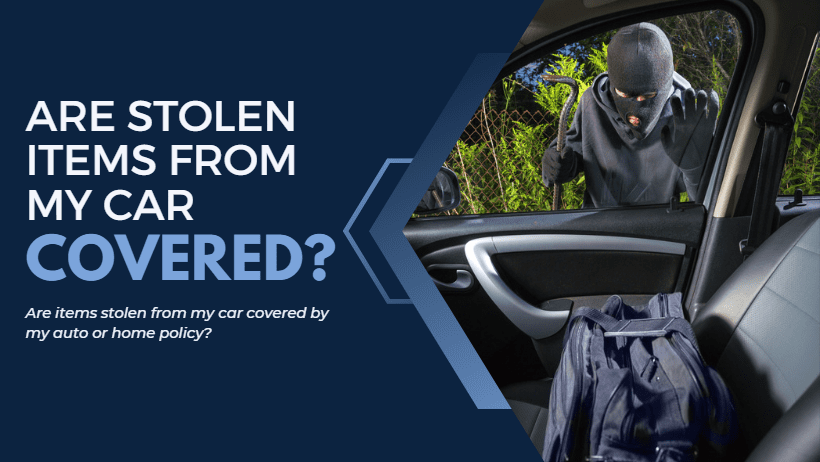
What type of insurance covers car theft?
Comprehensive coverage is the main type of auto insurance that covers a stolen car. It is optional in most states, but a lender or leasing company may require it while you still owe money on the vehicle.
For example, imagine that your 2021 sedan disappears from your driveway overnight. If you have comprehensive coverage, your insurer may pay the vehicle’s actual cash value after investigating the claim. If you have only liability insurance, you may receive no payment for the car itself.
A common mistake is assuming “full coverage” is a formal insurance product. It is not. People often use that phrase to describe a policy with liability, comprehensive, and collision coverage. Always check the actual coverage names on your policy.
When asking does insurance cover stolen car, check these details:
- Is comprehensive coverage active on the date of the theft?
- What is the comprehensive deductible?
- Is the vehicle listed correctly on the policy?
- Does the policy exclude certain uses or drivers?
- Is rental car coverage included?
- Does the insurer require specific theft-prevention steps?
A policy can also have special rules for modified cars, rebuilt vehicles, commercial use, or rideshare use. Read the policy or ask your agent before relying on a general answer.

What happens after you report a stolen car?
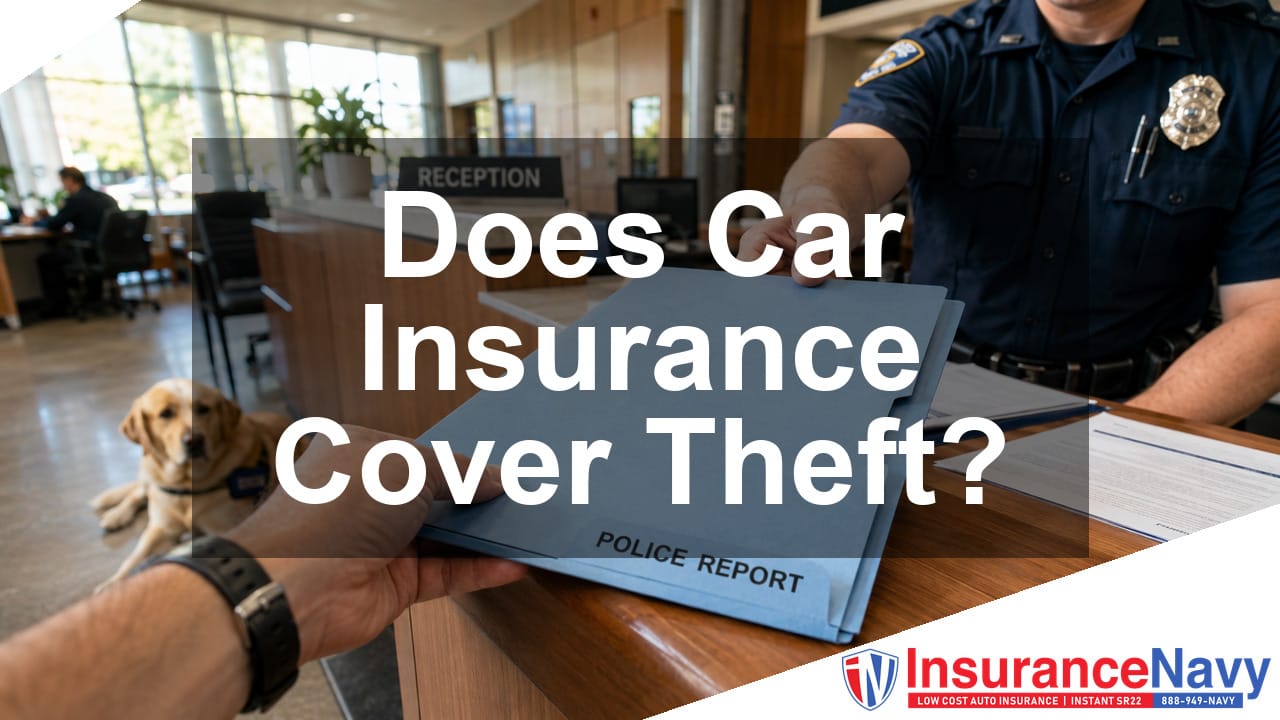
The claims process usually starts with a police report. Contact law enforcement as soon as you discover the theft. Give officers the vehicle identification number, license plate number, make, model, color, and any unique features.
Then notify your insurance company. Many insurers have a deadline for reporting a loss, although the exact period depends on the policy. Early notice helps the insurer begin its investigation and may improve the chance of recovering the vehicle.
Prepare the following information:
- Police report number
- Vehicle registration
- Title or finance information
- All keys and key fobs
- Vehicle identification number
- Recent photos
- Service and repair records
- Details about where and when you last saw the car
- A list of items inside the vehicle
The insurer may ask when you bought the car, who used it, where it was parked, and whether anyone had permission to take it. These questions are normal. The company is trying to confirm that the loss fits the policy.
Do not cancel the policy immediately. Keep coverage active until the claim is settled and the insurer tells you what to do. Canceling too soon can create confusion about the date of loss, storage, or other claim details.
How much does insurance pay for a stolen car?
Insurance normally pays the vehicle’s actual cash value, not the amount you originally paid. Actual cash value means the car’s estimated market value just before the theft, minus your deductible.
For example, suppose the vehicle is worth $18,000 and your comprehensive deductible is $1,000. A covered claim may produce a payment of about $17,000, subject to the policy and the insurer’s valuation.
The payment may be higher or lower than your personal estimate. Insurers may compare:
- Mileage
- Vehicle age
- Trim level
- Optional equipment
- Local sales prices
- Condition before the theft
- Recent comparable vehicles
You can review the valuation if the amount seems too low. Gather advertisements for similar cars in your area, service records, receipts for upgrades, and evidence of special equipment. Keep the discussion focused on the vehicle’s value before the theft.
A deductible applies to many comprehensive claims. If the car is worth $4,000 and your deductible is $1,000, the possible payment may be only $3,000. If the value is below the deductible, the claim may not produce a payment.
This is why the question “does insurance cover stolen car” should include another question: “How much will insurance pay after the deductible?”
What if the stolen car is financed or leased?
If you still owe money on the vehicle, the insurer usually pays the lender or leasing company first. This protects the lender’s financial interest in the car.
Consider a car worth $20,000 with a remaining loan balance of $23,000. If the insurer values the vehicle at $20,000 and subtracts a $1,000 deductible, the claim payment may be $19,000. You could still owe the lender $4,000.
Gap insurance may cover some or all of that difference. Gap coverage is designed to help when the loan balance is higher than the vehicle’s actual cash value. It does not replace comprehensive coverage, and it usually does not cover missed payments, late fees, or unrelated debt.
Ask these questions before buying or relying on gap insurance:
- Is gap coverage active?
- Does it cover theft as well as a total loss after a crash?
- Is there a payment limit?
- Does it cover your deductible?
- Are late payments excluded?
- Is the coverage provided by the lender, dealer, or auto insurer?
A leased vehicle may have separate contract rules. Contact the leasing company promptly after the theft.

What if police recover the stolen car?
A stolen car may be found before the insurance claim is settled. If that happens, do not drive it until law enforcement or your insurer says it is safe. Thieves may damage the brakes, wiring, steering system, tires, or safety equipment.
The insurer may inspect the vehicle and pay for covered theft-related damage. Your comprehensive deductible may apply. Personal property removed from the vehicle may fall under homeowners or renters insurance instead of auto insurance.
If the insurer has already paid you and then recovers the car, the company may take ownership of it. If the vehicle is recovered before payment, you may usually keep it if it is safe and the claim is handled as a repair claim.
Tell the insurer about every fact you know. Do not repair major damage, remove evidence, or accept money from another party without discussing it with the claims adjuster.

Does insurance cover items stolen from a car?
Auto insurance usually does not cover personal belongings stolen from inside your vehicle. A homeowners or renters insurance policy may cover items such as a laptop, phone, luggage, tools, or clothing.
That coverage can have its own deductible and limits. Some policies also limit coverage for expensive electronics, jewelry, business equipment, or property used for work.
For instance, if someone steals your car and a camera from the back seat, your auto policy may address the car while your renters policy may address the camera. Two separate claims may be needed.
Keep receipts, serial numbers, photos, and proof of ownership for valuable items. Never leave important documents, firearms, medication, or expensive electronics in an unattended car.
Can an insurer deny a stolen car claim?
Yes, an insurer can deny a claim in certain situations. A denial does not always mean the policyholder did something wrong, but it should include a reason based on the policy or claim facts.
Possible issues include:
- No comprehensive coverage
- A missed premium payment
- False or incomplete information
- A vehicle used in an excluded way
- Evidence that the theft happened before coverage began
- Failure to cooperate with a reasonable investigation
- A staged theft or insurance fraud
- A serious conflict in the reported facts
Losing your keys does not automatically mean the claim is denied. However, the insurer may ask whether you gave someone permission to use the car or whether all keys were available.
Be honest and consistent. Guessing can create problems. If you do not remember an exact time, say that you are unsure rather than inventing a detail.
If the claim is denied, request the decision in writing. Read the policy language, collect supporting documents, and ask about the internal appeal process. You may also contact your state insurance department or speak with a licensed attorney if the dispute is serious.
How to prevent car theft and protect your claim
Good security habits cannot guarantee that a vehicle will not be stolen. They can lower risk and make the claim process easier.
Use these practical steps:
- Lock every door and close every window.
- Keep keys and key fobs away from doors and windows.
- Never leave the engine running in an unattended vehicle.
- Park in a well-lit, busy place when possible.
- Use a steering wheel lock or approved security device.
- Turn on manufacturer theft alerts or tracking tools.
- Do not hide a spare key inside the vehicle.
- Keep the vehicle identification number and registration records at home.
- Save photos of the car and its condition.
- Store service records and receipts in a secure cloud folder.
A useful lesson from many theft claims is that paperwork matters. People often remember the car but cannot quickly find the VIN, loan details, or key records. A small digital file can save hours during a stressful week.
Do not post detailed travel plans or photos of your keys on public social media. Modern thieves may use relay devices, cloned keys, or stolen key codes, depending on the vehicle. Ask the manufacturer or dealer about software updates and available anti-theft features.
How to make a stolen car insurance claim
Follow a clear process. It can help you avoid delays and protect your rights.
- Confirm that the vehicle is truly missing. Check with family members, a repair shop, towing services, and local authorities if appropriate.
- Call the police. Report the theft promptly and provide complete vehicle details.
- Contact your insurer. Ask whether your comprehensive coverage, rental reimbursement, and deductible apply.
- Gather documents. Collect the police report, title, registration, loan information, keys, photos, and service records.
- Complete the insurer’s forms. Answer every question accurately and keep copies.
- Cooperate with the investigation. Provide requested information within a reasonable time.
- Review the valuation. Check the vehicle description, mileage, trim, equipment, and comparable listings.
- Ask about settlement timing. The timeline depends on the investigation, state rules, and whether the vehicle is recovered.
- Keep records. Save emails, claim numbers, names, dates, and promises made by representatives.
Do not wait weeks to report a theft because you hope the car will turn up. A police report and insurance notice create an official record and help protect the evidence.
How long does a stolen car insurance claim take?
There is no single timeline. A simple claim may move quickly, while a claim involving a recovery, financing dispute, missing keys, or suspected fraud may take longer.
The insurer may wait to see whether police recover the car. It may also verify ownership, inspect damage, confirm the policy was active, and calculate the vehicle’s value.
You can help by responding quickly and sending organized records. Ask the adjuster:
- What documents are still missing?
- Is the claim under investigation?
- Has the vehicle been listed as stolen?
- When will the valuation be ready?
- Does the state set claim-handling deadlines?
- What should you do if the car is recovered?
State insurance laws may set standards for communication, payment, or claim investigations. Those rules differ, so contact your state insurance department if the insurer stops communicating or misses a required deadline.
Should you buy comprehensive coverage?
Comprehensive coverage can be valuable if replacing your vehicle would create a major financial burden. It is especially important for newer cars, cars parked in areas with high theft rates, and financed or leased vehicles.
The decision depends on your car’s value, deductible, budget, and risk. If your vehicle is old and worth only a few thousand dollars, a high deductible may reduce the practical benefit.
Compare the possible claim payment with the annual premium. Also consider theft rates in your area and whether you could afford a replacement car without insurance.
Before changing coverage, ask for quotes with different deductibles. A lower deductible costs more but reduces your out-of-pocket loss. A higher deductible may lower the premium but leave you with a larger bill after theft.
The best answer to does insurance cover stolen car is not only about coverage. It is also about whether the coverage gives you useful financial protection.
Frequently asked questions about does insurance cover stolen car
Does liability insurance cover a stolen car?
No. Liability insurance pays for damage or injuries you cause to others, not theft of your own vehicle. Comprehensive coverage is usually needed for a stolen car claim.
Does comprehensive insurance cover car theft?
Yes, comprehensive insurance generally covers vehicle theft, subject to the policy terms and deductible. It may also cover damage from an attempted theft.
Does insurance cover a stolen car if the keys were left inside?
Possibly. Leaving the keys inside does not automatically cancel coverage, but the insurer may investigate whether the theft was intentional, permitted, or connected to policy violations.
Does insurance pay for a stolen car if it is not recovered?
Usually, a covered policy pays the vehicle’s actual cash value if the car is not recovered, minus the deductible. The insurer must first complete its investigation and confirm the loss.
Does car insurance cover personal items stolen from a vehicle?
Usually not under auto insurance. Homeowners or renters insurance may cover personal belongings, subject to its deductible, limits, and exclusions.
Will insurance pay for a rental car after theft?
Only if your policy includes rental reimbursement or transportation expense coverage. The benefit may have a daily limit, total limit, and time limit.
Does insurance cover a stolen car that is being financed?
Comprehensive coverage may pay the vehicle’s actual cash value, with the lender usually receiving payment first. Gap insurance may help if the loan balance is higher than the vehicle’s value.
Conclusion
Comprehensive coverage usually answers the question, does insurance cover stolen car, with a yes. Liability-only insurance does not protect your vehicle, and your final payment depends on actual cash value, your deductible, policy terms, and any loan balance.
Report the theft to police and your insurer right away. Keep records, protect your keys, review the settlement carefully, and check whether you have rental reimbursement or gap coverage. Review your declarations page today, then contact your agent if anything is unclear. Share your experience or questions in the comments so other drivers can make informed coverage choices.
