

Quick answer
Yes. Lexus is made by Toyota. Lexus is Toyota Motor Corporation’s luxury vehicle brand. Toyota owns the Lexus name, develops its vehicles, supplies much of its technology, and supports its global dealer and service network.
For drivers in the United States, Lexus is sold as a separate luxury brand. It has its own styling, dealerships, marketing, customer service, and vehicle tuning. Still, Lexus and Toyota share corporate ownership and many engineering resources.
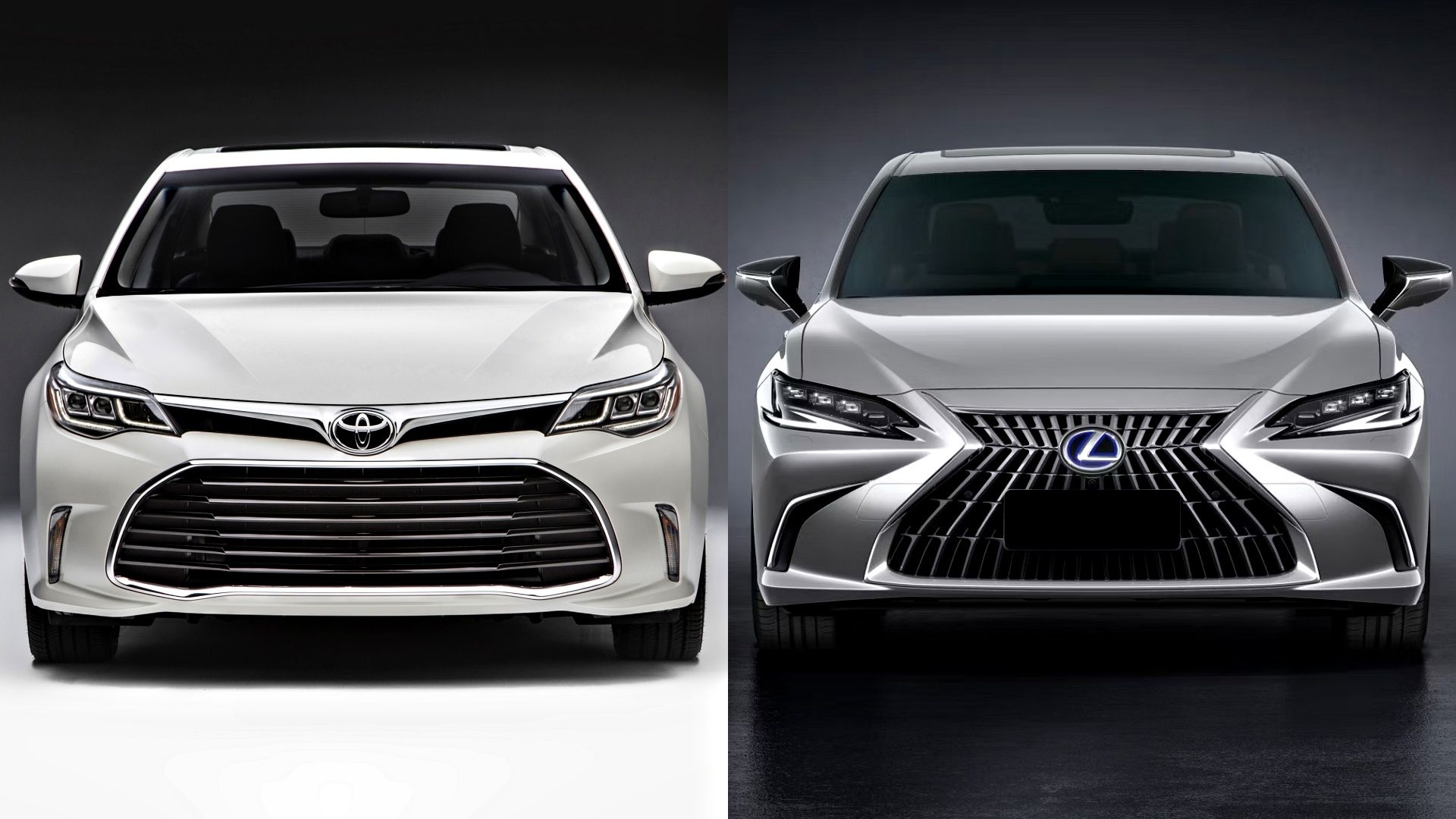
What is the relationship between Lexus and Toyota?
Toyota created Lexus as its luxury brand. Lexus began selling vehicles in the United States in 1989 with the LS 400 luxury sedan and the ES 250 sedan.
The goal was simple: compete with established luxury brands while offering quiet cabins, refined driving, advanced technology, and strong dealer support.


Today, the relationship works like this:
- Toyota Motor Corporation owns Lexus.
- Lexus operates as a distinct luxury vehicle division.
- Toyota provides corporate resources, engineering support, manufacturing expertise, and parts systems.
- Lexus designs and tunes vehicles for a different buyer than Toyota.
- Lexus dealers usually operate separately from Toyota dealers.
This means a Lexus is not simply a Toyota with a different badge. Lexus models often use related platforms or engines, but they may have different suspension tuning, interior materials, sound insulation, software, safety features, and powertrains.
Is Lexus a separate company?
Lexus is best understood as a brand and division within Toyota Motor Corporation, not as an unrelated automaker.
The legal company behind a Lexus may be Toyota Motor Corporation or one of its regional manufacturing or sales subsidiaries. The exact name depends on the vehicle, factory, country, and sales market.
Where are Lexus vehicles made?
Lexus vehicles are built in several countries. The location depends on the model and model year.
Japan
Japan remains a major production center for Lexus vehicles. Many Lexus sedans, performance models, SUVs, and hybrid vehicles are built at Japanese Toyota facilities.
Examples have included production in regions such as:
- Tahara
- Motomachi
- Kyushu
- Toyota City and other Japanese manufacturing areas
Japan-built Lexus vehicles often carry a strong connection to Toyota’s high-end manufacturing and quality-control systems. However, the build location alone does not prove that one vehicle is better than another.
The United States
Some Lexus vehicles sold in the United States have been assembled in the United States. Toyota has produced Lexus models at facilities such as its plant in Georgetown, Kentucky.


The Lexus ES has been associated with U.S. production, although factory assignments can change by generation and model year.
A U.S.-built Lexus is still a genuine Lexus. It is produced under Toyota manufacturing standards and sold through the Lexus brand.
Canada
Some Lexus SUVs have been built in Canada. Toyota Motor Manufacturing Canada has produced models such as the Lexus RX and Lexus NX for North American markets, depending on the production period and model.
The exact factory can change. If the location matters to you, check the vehicle’s VIN and window sticker for that specific vehicle.
Other production locations
Toyota has also produced some Lexus vehicles in other countries for local or regional markets. Production locations can change because of supply needs, new model launches, plant updates, and regional demand.
The safest rule is this: identify the exact model, model year, and VIN before assuming where a Lexus was built.
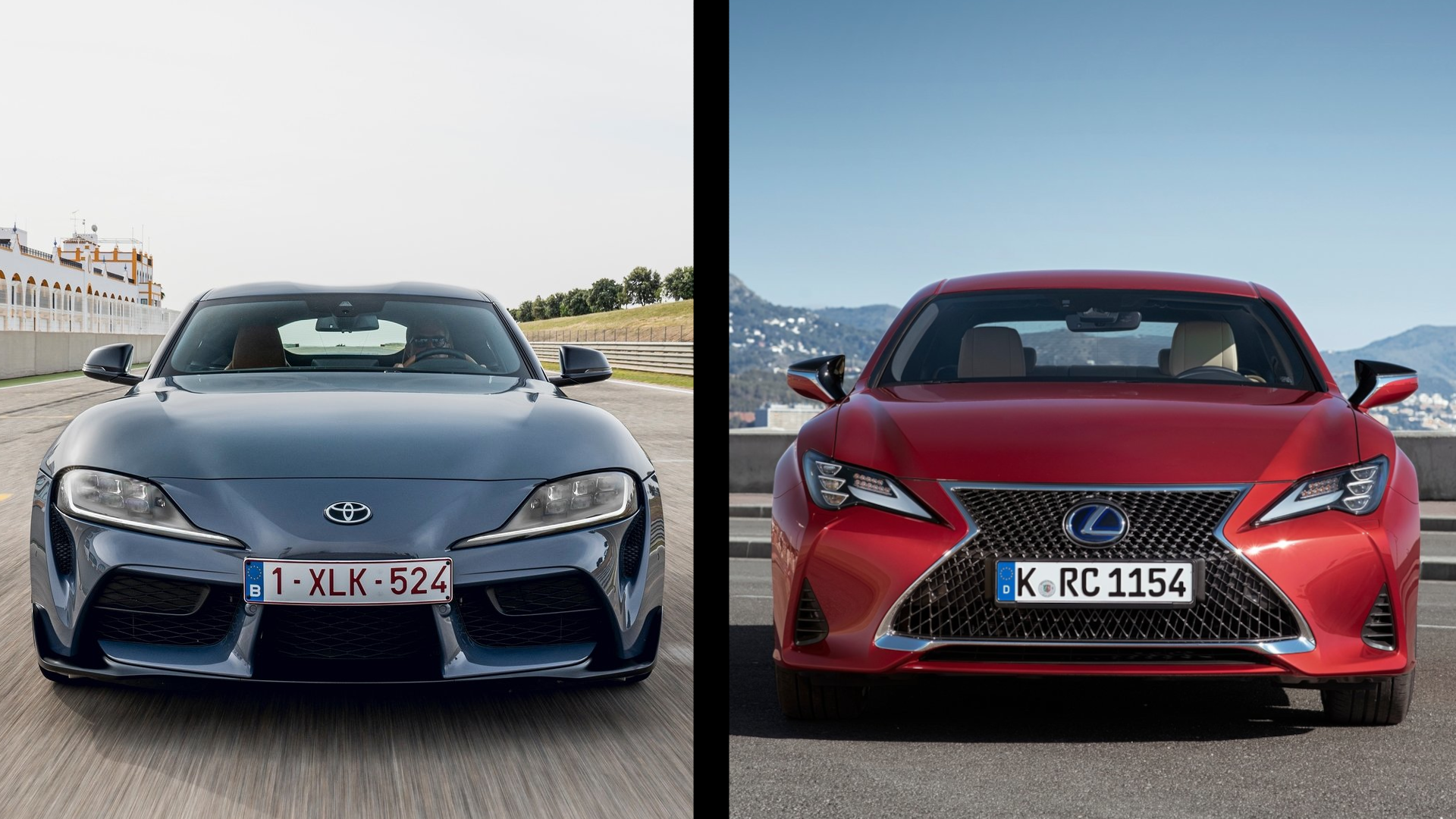
How can you tell where a Lexus was built?
The most reliable way to check a specific Lexus is to use its Vehicle Identification Number, or VIN.
A VIN is a 17-character code assigned to an individual vehicle. It can help identify the manufacturer, vehicle attributes, production information, and country or plant details.
Ways to check a Lexus build location
Look at the VIN plate.
In the United States, it is usually visible through the lower driver-side windshield.Check the driver-side door-jamb label.
The label may include manufacturing information and certification details.Review the window sticker.
New vehicles often list the final assembly location.Use the National Highway Traffic Safety Administration VIN Decoder.
The NHTSA VIN Decoder can provide vehicle information based on the VIN.Ask a Lexus dealer.
A dealer can often confirm production details using Toyota and Lexus service systems.
Do not rely only on the first character of the VIN. VIN systems can be complex, and the meaning of each position depends on the manufacturer and vehicle. Use a complete VIN and verify the result with an official source.
Are Lexus and Toyota vehicles the same?
Lexus and Toyota vehicles can share parts, platforms, engines, and technology. They are not always the same vehicle.
A vehicle platform is the basic structure and engineering layout used to build a vehicle. Sharing a platform can reduce development costs and improve parts availability. It does not require two vehicles to have the same design or driving character.
For example, a Lexus and Toyota SUV may share:
- A vehicle platform
- A hybrid system
- An engine family
- Transmission technology
- Electronic safety systems
- Some suspension components
- Service procedures
But the Lexus version may add or change:


- Cabin insulation
- Seat design
- Interior trim
- Infotainment features
- Suspension calibration
- Steering feel
- Exterior styling
- Powertrain output
- Ride comfort
- Dealer and ownership services
Lexus compared with Toyota: a simple example
The Lexus RX and Toyota Highlander are both midsize SUVs in the broader Toyota family. They may share some underlying engineering ideas, but they serve different purposes.
The Lexus RX focuses more on:
- Quiet operation
- Premium materials
- Luxury design
- Refined ride quality
- A luxury-brand ownership experience
The Toyota Highlander focuses more on:
- Family transportation
- Practical space
- Broad price coverage
- Toyota-brand value
- Mainstream vehicle ownership
That does not make one automatically better. The right choice depends on what matters most to the buyer.

Why does Lexus cost more than Toyota?
A Lexus usually costs more because Toyota positions it as a luxury brand. The price difference can reflect more than the badge.
Common cost factors include:
- Higher-grade cabin materials
- More sound insulation
- More complex seats and comfort features
- Additional technology
- Different suspension and chassis tuning
- More powerful or advanced powertrains
- Lower-volume production
- Separate luxury-brand dealer operations
- Premium warranty or service programs, when offered
However, a higher price does not guarantee that every Lexus feature is better for every driver. A Toyota may offer more cargo space, simpler controls, lower repair costs, or better value for a specific need.
A fair comparison should include the same categories:
| Area | Toyota | Lexus |
|---|---|---|
| Brand position | Mainstream | Luxury |
| Typical focus | Value and practicality | Refinement and comfort |
| Shared technology | Common in some models | Common in some models |
| Interior design | Functional to well-equipped | More premium materials and finish |
| Dealer network | Toyota dealers | Lexus dealers |
| Purchase price | Often lower | Often higher |
| Maintenance | Varies by model | Varies by model and features |
These are general brand patterns. The exact difference depends on the two vehicles being compared.
Is Lexus more reliable than Toyota?
It is not accurate to say that every Lexus is more reliable than every Toyota.
Both brands benefit from Toyota’s engineering and manufacturing systems. Reliability depends on the specific model, engine, transmission, hybrid system, production year, maintenance history, driving conditions, and repair quality.
A Lexus may share a proven Toyota component. It may also contain more luxury equipment, electronic systems, or complex features. More equipment can create more possible repair points as a vehicle ages.
Before buying a used Lexus or Toyota:


- Check the service records.
- Search for open recalls using the VIN.
- Review common problems for the exact model year.
- Have an independent mechanic inspect the vehicle.
- Check the hybrid battery warranty if the vehicle is a hybrid.
- Confirm that software updates and recall repairs were completed.
The Lexus recall page and the NHTSA recall search tool are useful starting points for U.S. vehicles.
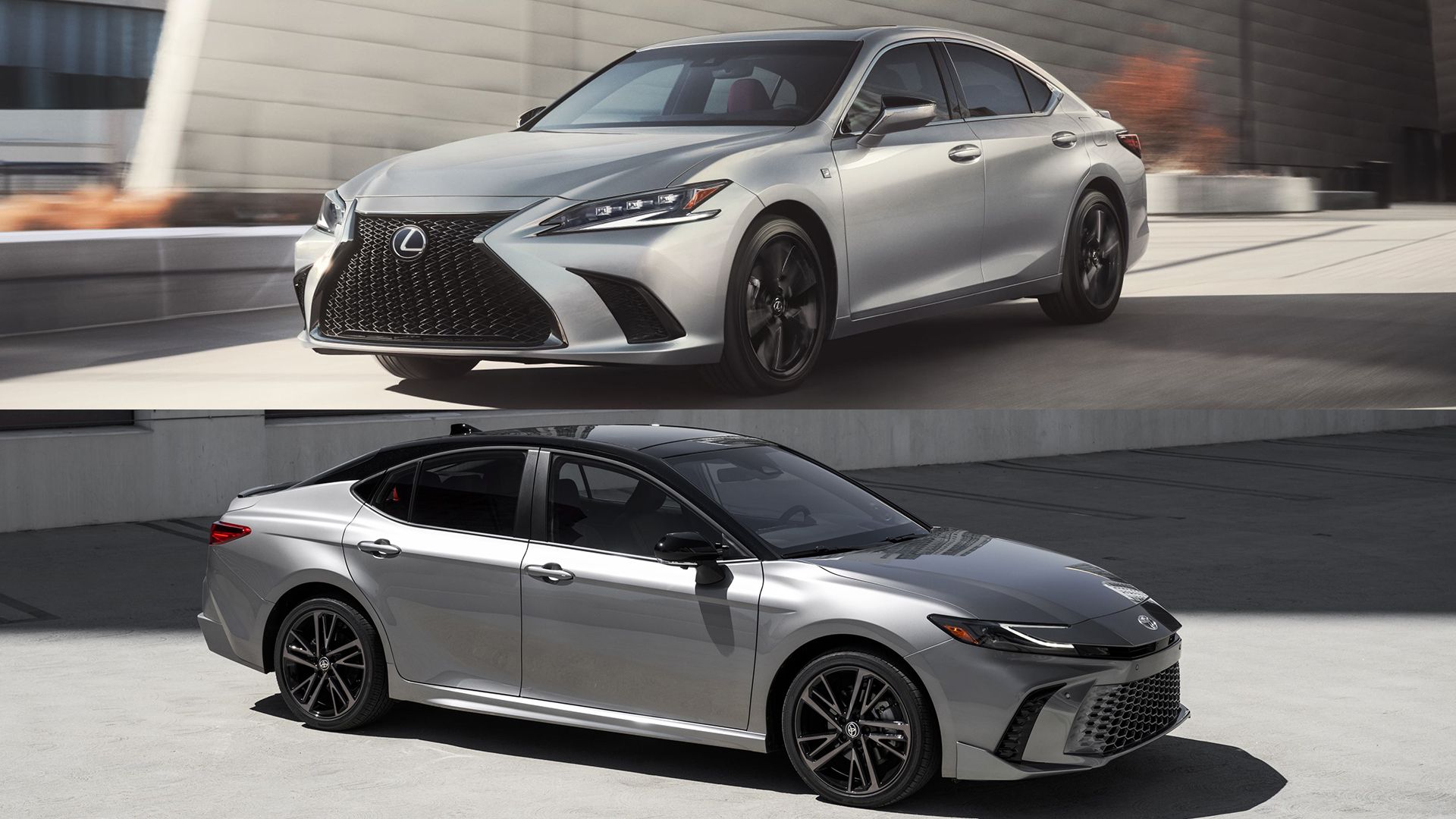
Do Lexus vehicles use Toyota engines?
Many Lexus vehicles use engines and hybrid systems developed within Toyota’s engineering family. Some engines are shared with Toyota models, while others are designed or tuned specifically for Lexus vehicles.
Engine sharing does not mean the vehicles perform the same way. Lexus may use different:
- Engine calibration
- Cooling systems
- Exhaust systems
- Transmission programming
- Hybrid control software
- Noise-control materials
- Power output
Some Lexus models also use turbocharged engines, high-performance engines, or hybrid systems that are not offered in comparable Toyota vehicles.
To identify the engine in a particular Lexus, check:
- The owner’s manual
- The vehicle identification label
- The original window sticker
- Lexus technical documents
- A dealer parts or service department
- A trusted vehicle database
Use the exact model year. Engine choices can change during a generation or between U.S. and international markets.
Are Lexus repairs and parts the same as Toyota repairs?
Some Lexus parts are shared with Toyota vehicles, but Lexus service is not always identical.
A Toyota dealer may be able to service some Lexus components, especially when the parts and systems are shared. A Lexus dealer is usually better equipped to confirm model-specific procedures, software updates, luxury features, and Lexus warranty coverage.
Repair prices can differ because Lexus vehicles may have:
- More expensive interior parts
- Larger or specialized wheels
- Advanced driver-assistance systems
- Air suspension on some models
- Complex hybrid components
- Premium audio systems
- More costly body panels and lighting
Before authorizing work, ask for:
- The exact failed part or system.
- The labor and parts breakdown.
- Whether the part is new, remanufactured, or used.
- Whether a Toyota part is actually compatible.
- How the repair affects warranty coverage.
- Whether calibration is needed after the repair.
Do not substitute a Toyota part based only on appearance. Compatibility can depend on software, wiring, sensors, mounting points, and vehicle configuration.


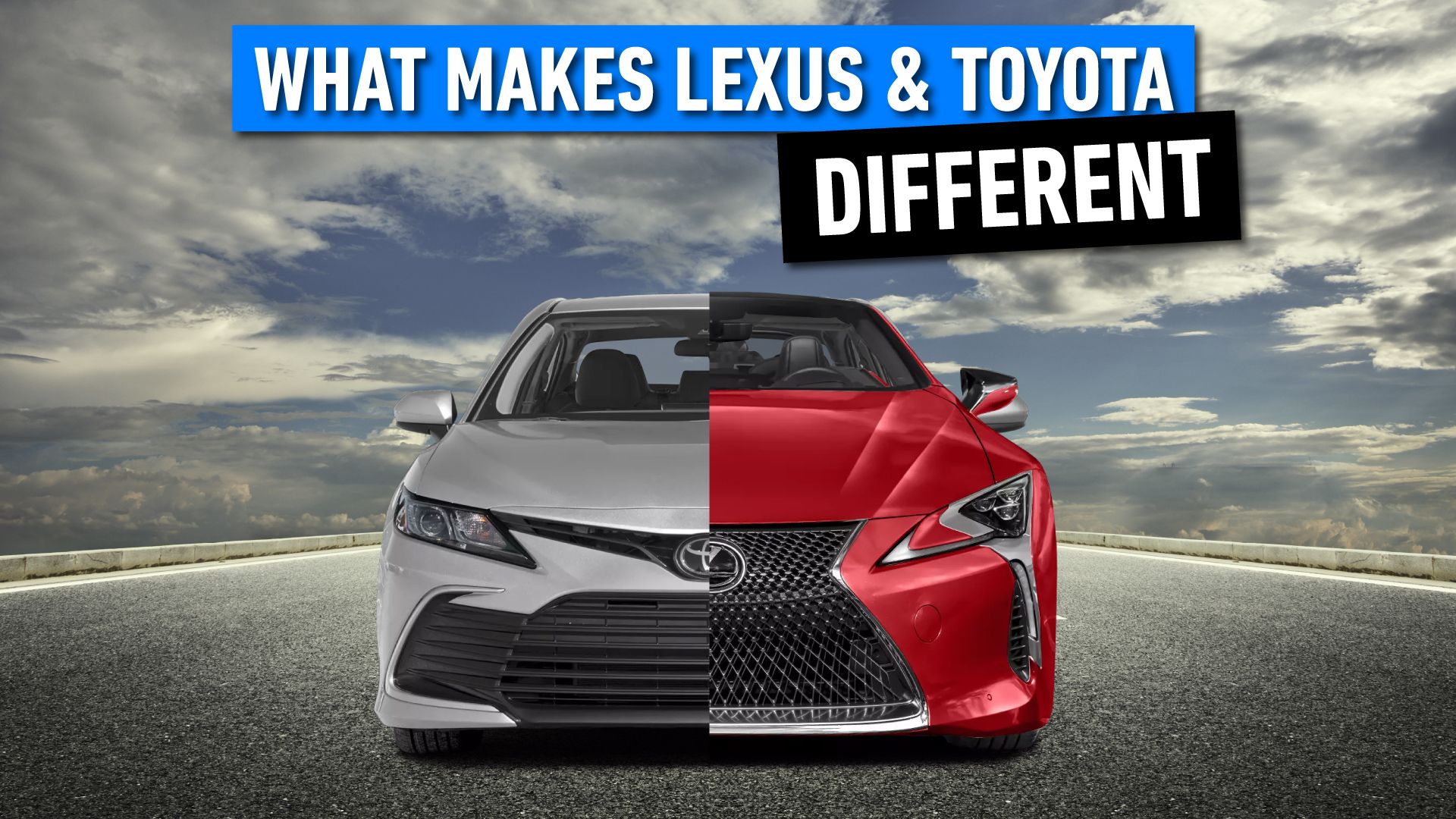
Is Lexus made in America?
Some Lexus vehicles are assembled in the United States, but not all Lexus vehicles are American-made.
The answer depends on the model, model year, and individual vehicle. Lexus production also takes place in Japan, Canada, and other locations for selected markets.
“Made in America” can refer to different things:
- Final assembly in the United States
- Parts sourced from U.S. suppliers
- A percentage of North American content
- Design or engineering work performed in the United States
- The location where the vehicle is sold
These are not the same claim. For an exact answer, check the vehicle’s window sticker, VIN, and official manufacturer information.
Is Lexus a good choice for a Toyota buyer?
Lexus may fit a Toyota buyer who wants more comfort, quieter driving, premium materials, or a more upscale dealer experience.
Toyota may be the better fit when the buyer places greater value on:
- A lower purchase price
- Easier-to-replace parts
- Simple controls
- Maximum cargo or passenger space
- Lower insurance costs
- Basic transportation
- A wider selection of mainstream models
A Lexus can be a sensible choice for a buyer who wants Toyota-related engineering with a luxury focus. It may not be the best choice for someone who only wants the lowest ownership cost.
Compare the total cost, not just the sale price. Include fuel, insurance, tires, maintenance, financing, registration, and likely repair costs.

Common mistakes when researching Lexus and Toyota
Mistake 1: Assuming every Lexus is built in Japan
Lexus has major Japanese production, but some models are assembled in North America and other locations.
Mistake 2: Treating a shared platform as proof that vehicles are identical
Shared engineering can lower costs and improve parts support. It does not make the vehicles identical in comfort, equipment, or tuning.
Mistake 3: Assuming the Lexus badge guarantees lower repair costs
Luxury parts and advanced features can cost more to repair. Check prices for the exact vehicle.
Mistake 4: Comparing brands instead of specific models
A Lexus UX, Toyota Camry, Lexus GX, and Toyota Land Cruiser serve different needs. Compare similar vehicle types and model years.
Mistake 5: Using a parts website without checking fitment
Confirm the VIN, engine, trim, drivetrain, and production date before ordering parts.


Frequently asked questions
Is Lexus owned by Toyota?
Yes. Lexus is Toyota Motor Corporation’s luxury vehicle brand.
Is Lexus made by Toyota in the United States?
Some Lexus vehicles are assembled in the United States. Others are built in Japan, Canada, or other production locations, depending on the model and market.
Is Lexus just a more expensive Toyota?
Lexus and Toyota can share technology, platforms, and components. Lexus vehicles also have distinct designs, tuning, equipment, and luxury-focused features.
Are Lexus parts the same as Toyota parts?
Some parts are shared, but many are model-specific. Always confirm compatibility by VIN and part number.
Does buying a Lexus support Toyota?
Yes. Lexus is part of Toyota Motor Corporation, so buying a Lexus supports the same parent company.
Bottom line: Lexus is Toyota’s luxury brand
Lexus is made by Toyota, but it is positioned and engineered as a separate luxury brand. The two brands may share platforms, engines, hybrid systems, and manufacturing expertise. Lexus adds its own design, comfort features, vehicle tuning, technology, and dealer experience.
For a specific vehicle, check the model year, VIN, factory location, warranty terms, and service history. Those details matter more than the badge alone.
If you are comparing a Lexus with a Toyota, compare similar models side by side and calculate the full cost of ownership before making a decision.
