

Introduction
In the United States, a car’s make is the brand or automaker that built and sold it. For example, Ford is the make of a Ford F-150, while Honda is the make of a Honda Civic.
The make is different from the car’s model, trim, and model year. A vehicle description may look like this:
2022 Honda Civic EX Sedan
Make: Honda
Model: Civic
Trim: EX
Model year: 2022
You may need the car’s make when you complete a DMV form, request an insurance quote, order parts, check recalls, or sell a vehicle. This guide explains what “make” means, where to find it, and how it differs from other vehicle details.
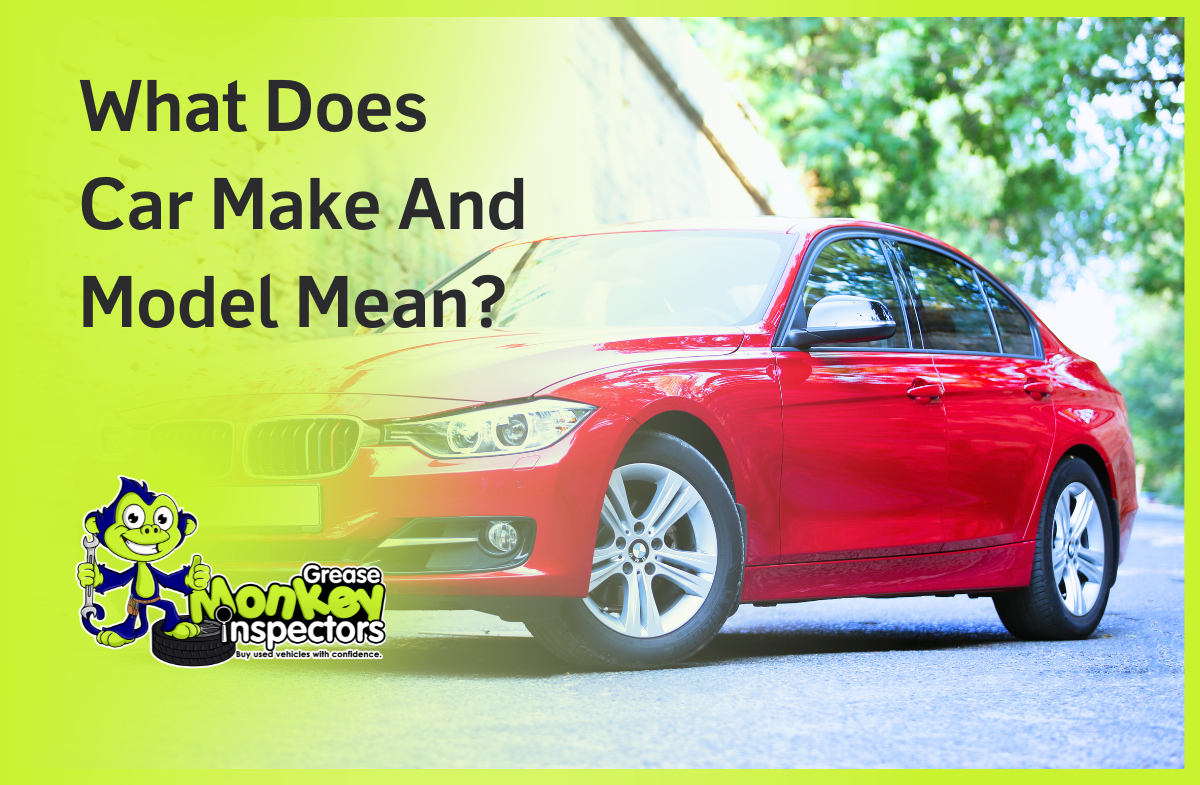


What does “car make” mean?
A car’s make is its manufacturer brand. It identifies the company or vehicle brand associated with the car.
Common U.S. car makes include:
- Ford
- Chevrolet
- Toyota
- Honda
- Nissan
- Subaru
- Jeep
- Tesla
- BMW
- Mercedes-Benz
- Hyundai
- Kia
- Lexus
For example:
| Vehicle | Make | Model |
|---|---|---|
| Ford Mustang | Ford | Mustang |
| Toyota Camry | Toyota | Camry |
| Chevrolet Silverado | Chevrolet | Silverado |
| Tesla Model 3 | Tesla | Model 3 |
| Lexus RX | Lexus | RX |
The make usually appears before the model name. If someone asks, “What make is your car?” they want the brand, such as Toyota, not the specific vehicle name, such as RAV4.
Is the make the same as the manufacturer?
Usually, the make is the consumer-facing brand. That brand may belong to a larger parent company.
For example:
- Lexus is the make.
- Toyota Motor Corporation is the parent company.
- RX is the model.
- 350h may identify a powertrain or trim-related version.
The answer depends on the form. Most U.S. vehicle forms ask for the make shown on the title, registration, or vehicle record. Use that wording instead of trying to identify the parent corporation.

Car make vs. model, trim, year, and body style
A vehicle’s full identity contains several parts. Each one answers a different question.
| Vehicle detail | What it tells you | Example |
|---|---|---|
| Make | Who sells or brands the vehicle | Honda |
| Model | Which vehicle line it is | Accord |
| Model year | The year assigned to that vehicle version | 2024 |
| Trim | The equipment and feature level | Sport |
| Body style | The vehicle’s basic shape or type | Sedan |
| Engine or powertrain | How it is powered | Hybrid |
A full description might be:
2024 Toyota RAV4 XLE Hybrid AWD
In this example:
- Toyota is the make.
- RAV4 is the model.
- 2024 is the model year.
- XLE is the trim.
- Hybrid describes the powertrain.
- AWD means all-wheel drive.
Make vs. model
The make is the brand. The model is the specific vehicle line made by that brand.


For instance:
- Make: Subaru
- Model: Outback
A Subaru Outback is not a separate make. Subaru is the make, and Outback is the model.
Make vs. trim
A trim is a version of a model with a particular set of features, equipment, and pricing. Examples include:
- Honda Civic Sport
- Ford Explorer XLT
- Toyota Camry SE
- Jeep Grand Cherokee Limited
The trim does not replace the make. If a form asks for the make, enter Honda, not Sport.
Make vs. model year
The model year is not always the same as the calendar year when the vehicle was built or purchased. A vehicle built in late 2023 may be a 2024 model.
Use the model year listed on the title, registration, manufacturer label, or vehicle identification number record.
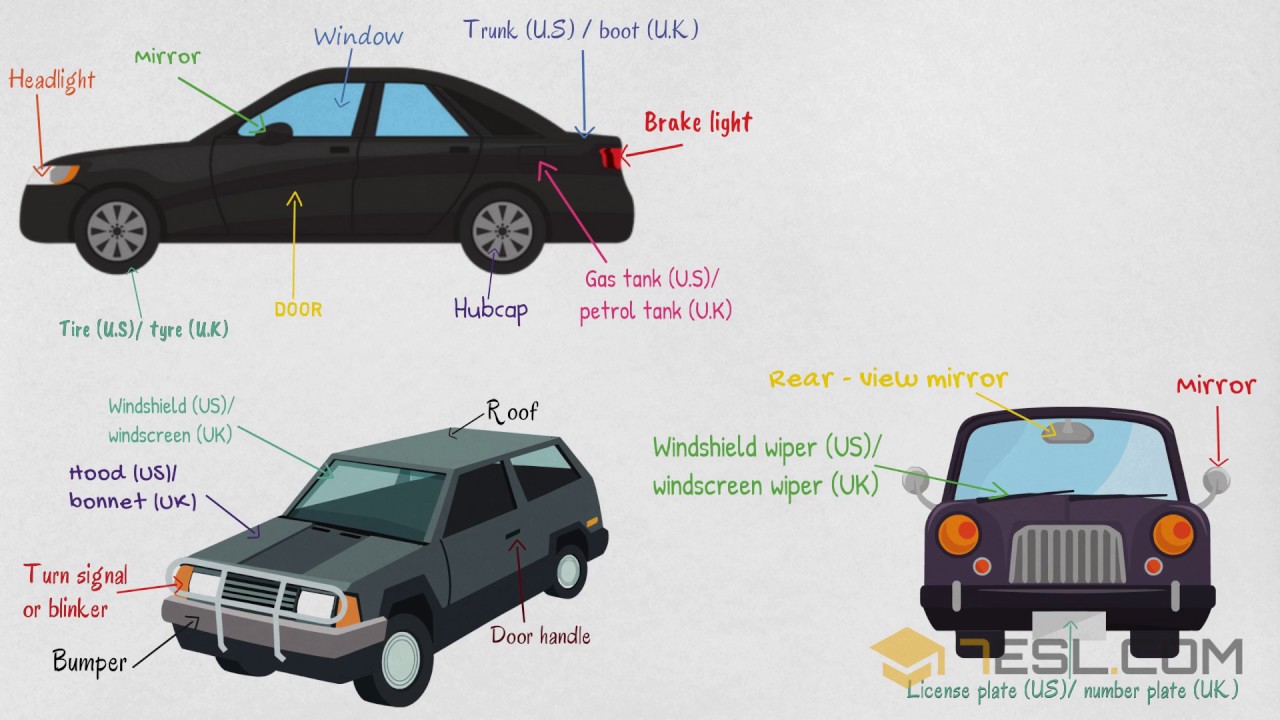
Where can you find a car’s make?
The fastest way to find the make is to check the vehicle title or registration. You can also use the vehicle itself or its VIN record.
1. Check the title
A U.S. vehicle title normally lists details such as:
- Make
- Model
- Model year
- Vehicle identification number, or VIN
- Owner information
- Title status
The exact layout differs by state. Look for a field labeled Make, Manufacturer, or a similar term.
2. Check the registration
Your registration card often lists the vehicle make and model. Some states show only limited information, so the title may contain more complete details.
Use the current registration when an insurance company or government office asks for the vehicle information on file.
3. Look at the vehicle badge
The badge on the front, rear, steering wheel, or grille often shows the make. A Toyota badge suggests the make is Toyota. An emblem can help, but it is not always enough.
Some vehicles have been modified, rebadged, imported, or sold under a different brand in another market. For legal or insurance forms, confirm the make with the title or VIN record.


4. Read the driver-side door label
The label inside the driver-side door may show:
- VIN
- Build date
- Weight ratings
- Tire information
- Manufacturer details
This label can help confirm the vehicle, but the exact make may not appear in a simple, obvious format.
5. Use the VIN
A VIN is a unique 17-character code used for most modern vehicles sold in the United States. The first three characters form the World Manufacturer Identifier, or WMI. The WMI can provide information about the manufacturer and the vehicle’s origin.
A VIN lookup can help confirm the make, model, year, equipment, title history, and recall information. Use an official or reputable source, and compare the result with the physical VIN on the vehicle.
The National Highway Traffic Safety Administration provides a public VIN decoder at nhtsa.gov/vin-decoder. The VIN shown on the vehicle should match the VIN on the title and registration.
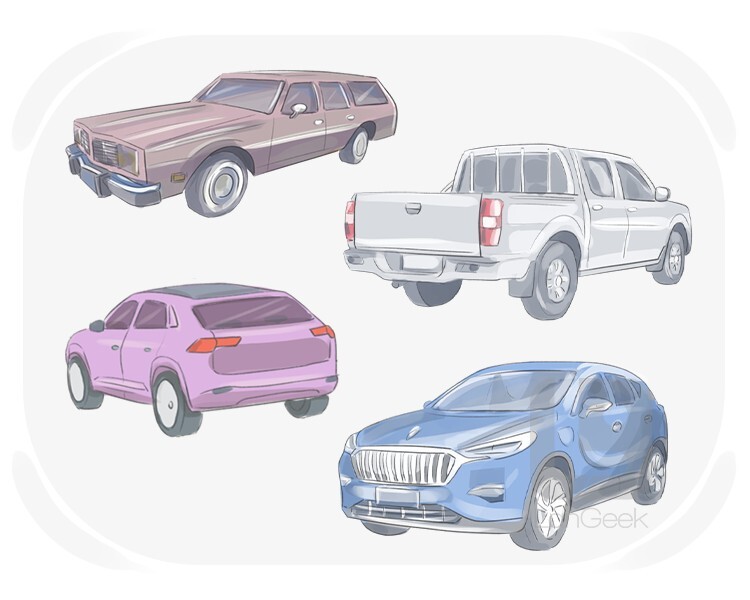
Why does a car’s make matter?
The make helps identify the correct vehicle record, parts, service information, and safety notices. It is one of the basic details used by government agencies, insurers, repair shops, and vehicle sellers.
DMV and title work
When you register, title, transfer, or sell a vehicle, the state usually needs the make, model, year, and VIN. Entering the wrong make can delay a transaction or create a record error.
If the make on your title does not match the vehicle, contact your state motor vehicle agency before changing the information yourself.
Car insurance
Insurance companies use vehicle make, model, year, body style, engine, location, driving history, and other factors to calculate coverage and price.
A make alone is not enough for an accurate quote. A 2023 Toyota Corolla and a 2023 Toyota Tundra have different sizes, uses, repair costs, and risk factors.
Parts and repairs
Parts often depend on more than the make. A parts supplier may need:
- Make
- Model
- Model year
- Engine size
- Drive type
- Body style
- Trim
- Production date
For example, two versions of the same make and model may use different brakes, filters, batteries, or sensors. Use the VIN when a part must match the vehicle exactly.
Recalls and safety information
A recall may apply to a certain make, model, model year, and production range. Search the full vehicle details instead of searching by make alone.


You can check open safety recalls through the official NHTSA recall lookup tool. A recall search normally requires the VIN for the most specific result.
Selling or buying a used car
A vehicle listing should clearly state its make, model, year, mileage, trim, and VIN. This helps buyers compare vehicles and avoid confusion.
A seller should not rely only on a badge or an online listing. The title and VIN should agree with the vehicle being sold.
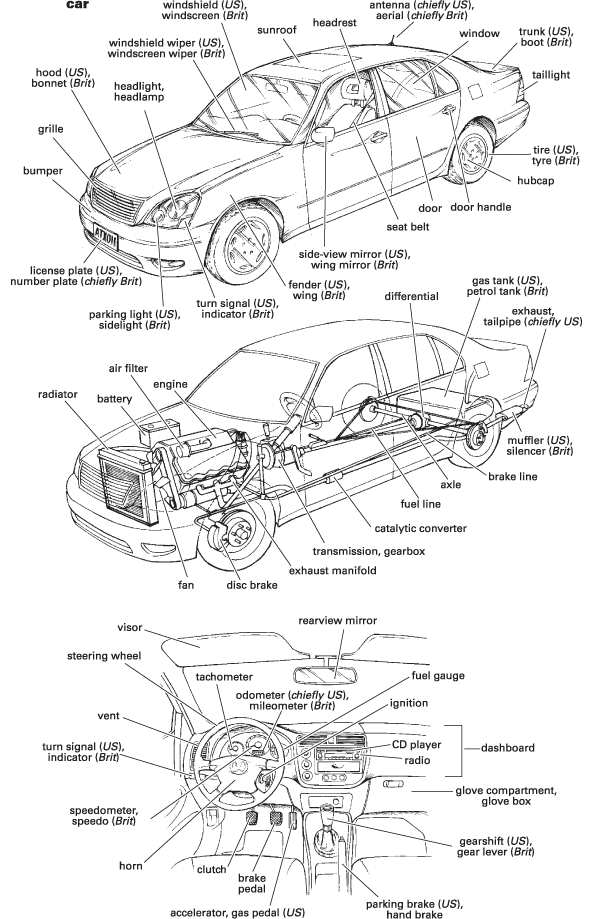
How do you fill out a form that asks for the car make?
Enter the brand listed on the vehicle title or registration. Do not enter the model, trim, dealership, or parent company unless the form specifically asks for one of those details.
Use this order:
- Find the title or current registration.
- Locate the make field.
- Copy the make exactly as shown.
- Enter the model in the separate model field.
- Enter the model year in the year field.
- Use the VIN to check that all vehicle details match.
Example
Suppose the title identifies the vehicle as a 2021 Chevrolet Silverado 1500 LT.
Enter:
- Make: Chevrolet
- Model: Silverado 1500
- Year: 2021
- Trim: LT, if requested
Do not enter:
- General Motors as the make
- Silverado as the make
- LT as the make
- The dealership name as the make
What if the form uses “manufacturer” instead of “make”?
In many consumer forms, “manufacturer” and “make” point to the same vehicle brand. If the title says Honda, use Honda.
If the form is technical, legal, or related to an imported vehicle, follow the form’s instructions. Some records separate the brand from the legal manufacturer or importer.

Special cases that can cause confusion
Most vehicles are easy to identify, but some situations require extra care.
Luxury brands and parent companies
A luxury brand may belong to a larger automaker. For example, Acura is associated with Honda, and Lexus is associated with Toyota. The vehicle make is generally the brand shown on the title and vehicle record.
Stellantis brands
Stellantis owns several brands, including Jeep, Chrysler, Dodge, and Ram. A Ram 1500 has Ram as its make, not Stellantis.
Commercial trucks and vans
A commercial vehicle may have a chassis manufacturer, body manufacturer, and brand name. A box truck, for example, may combine a Ford chassis with a body built by another company.


Use the information requested by the specific form. If the question concerns the chassis, body, or upfitter, the answer may differ from the consumer vehicle make.
Kit cars and rebuilt vehicles
A kit car, reconstructed vehicle, or specially constructed vehicle may have unusual title information. The title may list a state-assigned make or a manufacturer name.
Do not assume the badge provides the legal answer. Check the title and contact the state DMV if the information is unclear.
Gray-market and imported vehicles
A vehicle imported from another country may have a brand or model name that differs from the U.S. version. It may also have title, emissions, or safety requirements that do not apply to a standard U.S.-market vehicle.
For an imported vehicle, compare the title, VIN, federalization documents, and manufacturer information. A licensed importer or state DMV may be needed to resolve a mismatch.
Fleet and rebadged vehicles
Some vehicles are sold under different brand names in different markets or through fleet channels. A badge, grille, and title may not tell the same story.
For registration, insurance, and legal paperwork, use the official vehicle record rather than guessing from appearance.

Common mistakes when identifying a car’s make
The most common error is confusing the make with the model. A person may say “Camry” when asked for the make, but the correct make is Toyota.
Other mistakes include:
- Entering the parent company instead of the vehicle brand
- Using the dealership name
- Treating the trim as the make
- Confusing the model year with the build date
- Copying the wrong VIN
- Relying on a modified badge
- Using information from an old title after a correction
- Assuming every vehicle with the same model name has the same parts
If two records disagree, stop before submitting a DMV, insurance, financing, or sales document. Compare the title, registration, VIN plate, and door label. Ask the relevant agency or company which record it accepts.
Quick examples of car makes and models
These examples show how to separate the terms:
| Full vehicle name | Make | Model |
|---|---|---|
| Ford F-150 | Ford | F-150 |
| Honda CR-V | Honda | CR-V |
| Chevrolet Tahoe | Chevrolet | Tahoe |
| Nissan Altima | Nissan | Altima |
| Subaru Forester | Subaru | Forester |
| Tesla Model Y | Tesla | Model Y |
| BMW 3 Series | BMW | 3 Series |
| Mercedes-Benz GLC | Mercedes-Benz | GLC |
| Hyundai Elantra | Hyundai | Elantra |
| Kia Telluride | Kia | Telluride |
The make is the first identifying brand in each example. The model is the vehicle line that follows it.

Frequently asked questions
Is Ford a car make?
Yes. Ford is a vehicle make. Mustang, Escape, Explorer, and F-150 are examples of Ford models.
Is Toyota a make or a model?
Toyota is a make. Camry, Corolla, Tacoma, Prius, and RAV4 are Toyota models.
Is the VIN the same as the car make?
No. The VIN is a unique identification code for one vehicle. It can help identify the make, model, year, and equipment, but it is not the make itself.


Can two different makes have the same model name?
Yes. Model names may be reused by different brands, especially across countries or time periods. Always check the make and VIN together.
Does the make affect insurance prices?
It can. Insurers may consider the make, model, year, repair cost, theft data, safety equipment, claim history, and many other factors. The make alone does not determine the premium.
Where can I find the make if I do not have the title?
Check the registration, insurance documents, vehicle badge, door label, or VIN. For the most reliable result, use the VIN with a trusted decoder and compare it with the vehicle’s paperwork.
Conclusion
A car’s make is its brand, such as Ford, Toyota, Honda, or Tesla. The model is the specific vehicle line, such as F-150, Camry, Civic, or Model 3.
When a U.S. form asks for the make, check the title or registration and enter the brand shown there. If the vehicle has an unusual title, imported history, modification, or record mismatch, confirm the details with the VIN and the appropriate state or federal agency before submitting paperwork.
