

An expired car seat should not be used for a child, sold, donated, or passed to another family. In the United States, the safest next step is to check the seat’s expiration date and the maker’s instructions, then recycle it through a local program if one accepts car seats. If recycling is not available, make the seat unusable before placing it in the trash.
Introduction
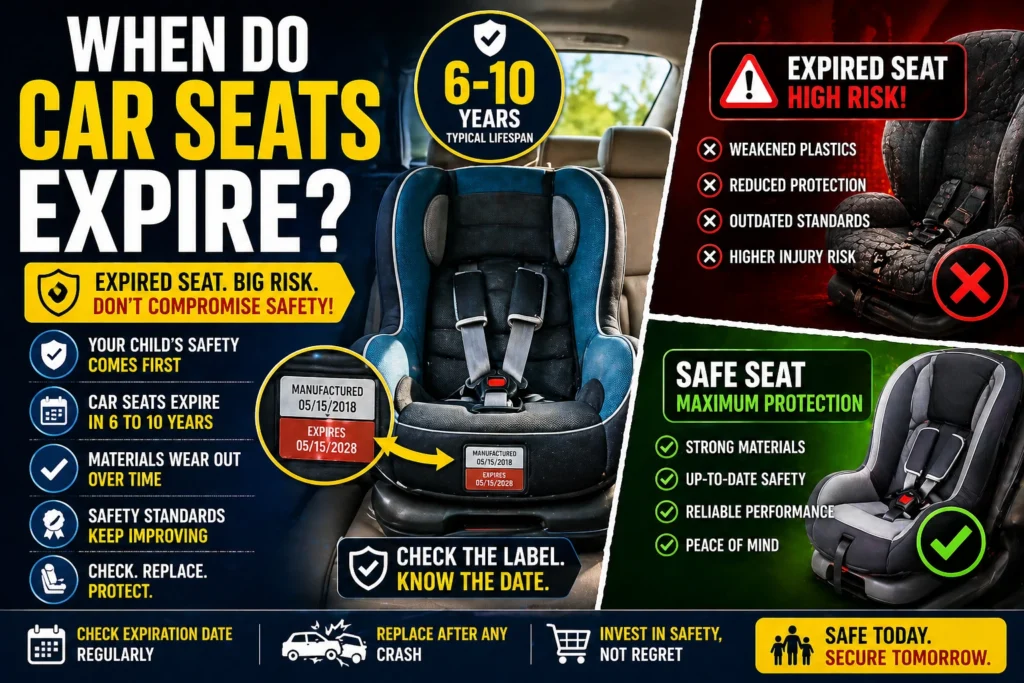
Car seats expire because their plastic, harness parts, labels, and other materials can weaken with age. Heat, cold, sunlight, spills, and daily use can also affect the seat. An expired seat may look fine but still fall outside the maker’s tested service life.
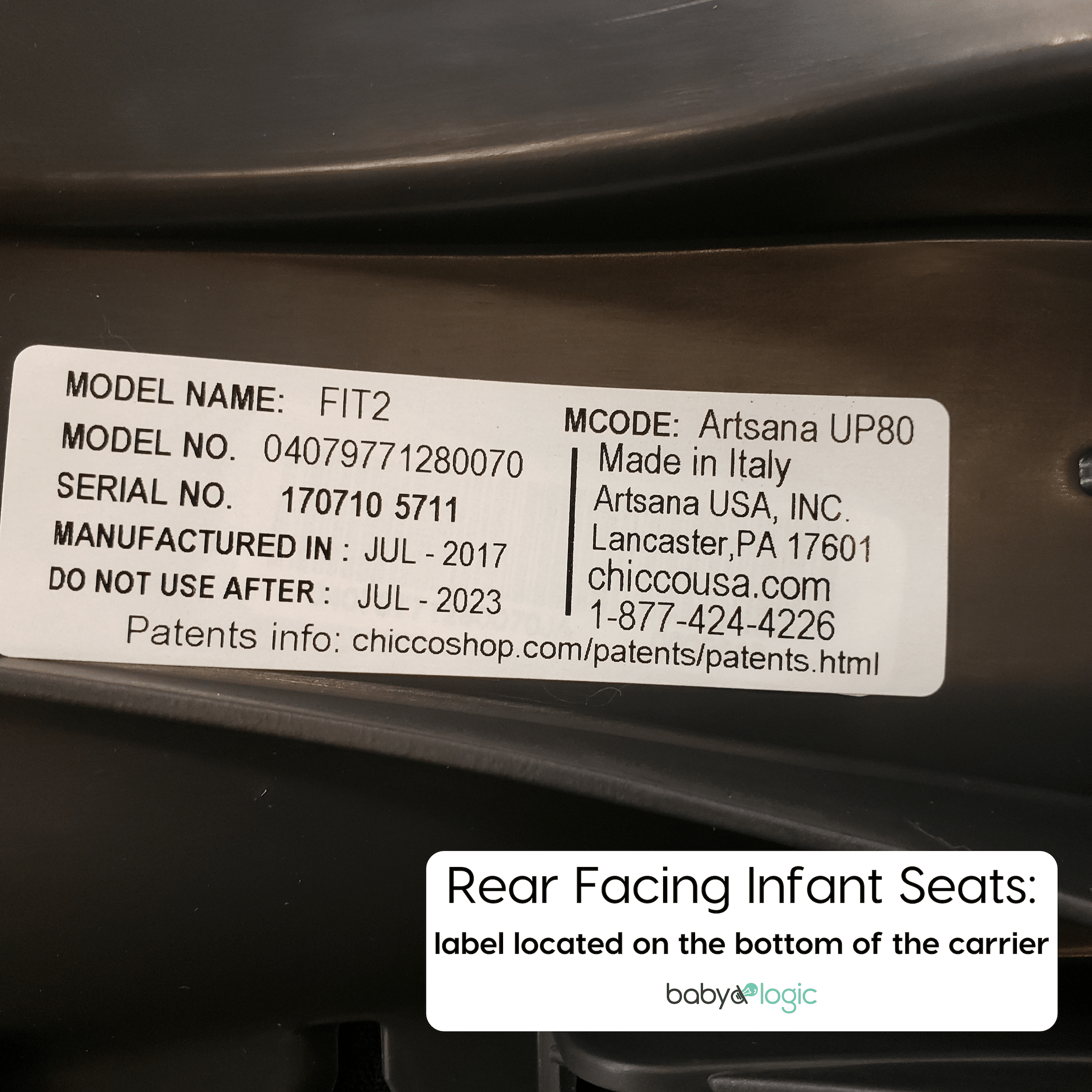
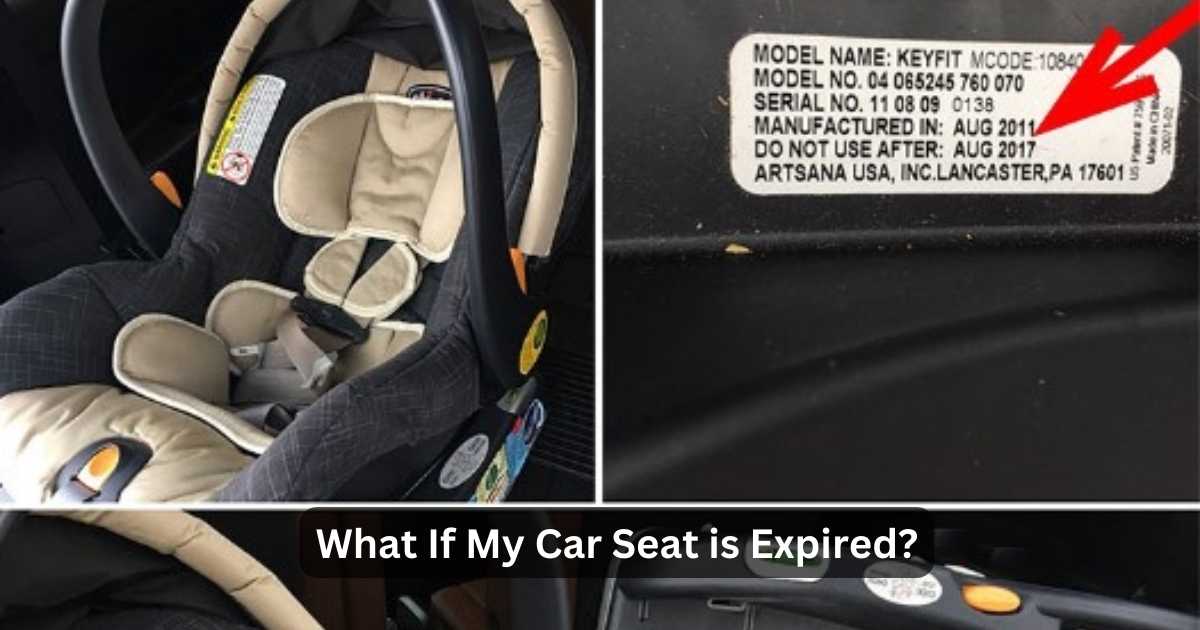
Look for an expiration date or “do not use after” date on the seat, base, shell, or owner’s manual. If you cannot find one, contact the manufacturer with the model name and date of manufacture. Do not guess that the seat is safe because it has had little use.
This guide explains how to check a car seat, find a safe disposal option, prepare it for recycling or trash, and avoid common mistakes.


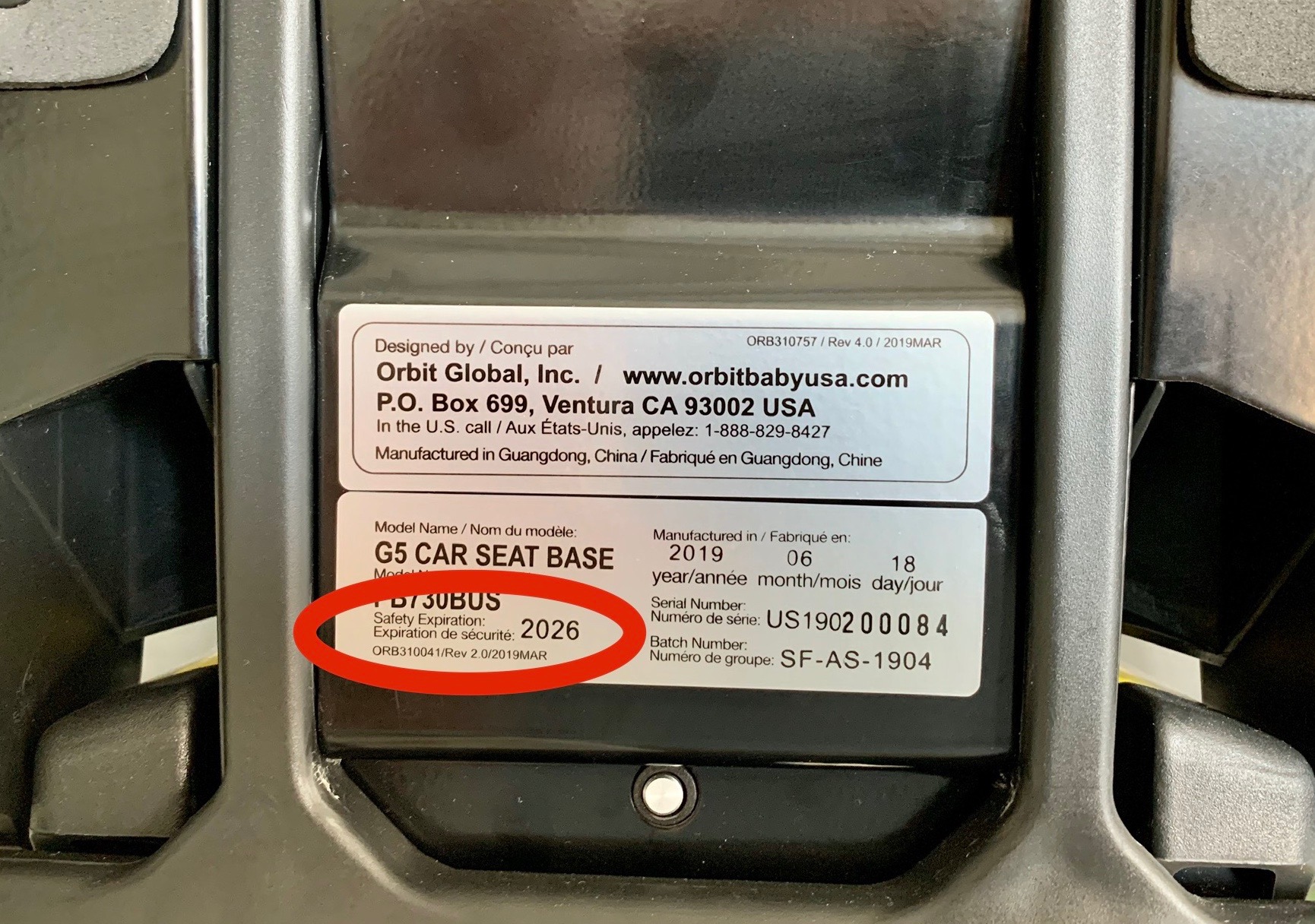
First, Confirm That the Car Seat Is Expired
Check the label on the car seat and base before deciding what to do with it. Most manufacturers place the expiration date on the back, bottom, side, or underside of the seat. Convertible seats may have a separate date for the seat and its base.
Follow these steps:
Find the model name and date of manufacture.
Look for a white or gray label. It may list the model number, serial number, and manufacture date.Read the owner’s manual.
The manual may state how many years the seat can be used after manufacture. The time limit differs by maker and model.Check the expiration date.
Some seats show a clear date. Others require you to count a set number of years from the manufacture date.Check the base separately.
An infant seat base may have its own date and model information. Do not pair an expired base with a newer seat unless the manufacturer says the combination is approved.Contact the manufacturer if the label is missing.
The manufacturer may need the model number or a photo. If you cannot verify the seat’s service life, do not use it for a child.
The U.S. National Highway Traffic Safety Administration advises parents to follow the car seat maker’s instructions and replace a seat when it reaches the manufacturer’s stated expiration date. The American Academy of Pediatrics also advises families not to use car seats past their expiration date.
An expiration date is not the same as a recall notice. A seat can be unexpired but recalled, damaged, or missing parts. Search the model at the NHTSA recall database and check the manufacturer’s safety notices.

Do Not Donate, Sell, or Give Away an Expired Car Seat
Do not give an expired car seat to another family. This includes selling it online, donating it to a thrift store, or offering it through a neighborhood group.
A used seat can be safe only when its history, condition, parts, and service life are known. An expired seat fails one of those basic checks. The next user may not know that the seat has passed its service life.
Do not donate a seat if it has any of these problems:
- It is expired.
- It was involved in a moderate or severe crash.
- It has cracks, broken parts, torn fabric, or damaged foam.
- It is missing the owner’s manual, labels, harness parts, or other required pieces.
- It has an unknown history.
- It has been recalled and the remedy is not complete.
Some community groups accept usable, unexpired car seats after an inspection. That does not mean they accept expired seats. Ask before bringing one in. Never leave an expired seat at a donation door or place it in a “free” listing.
If the seat is still within its service life but you no longer need it, check the manual, recall status, accident history, and condition before transferring it. Be honest about everything you know.

The Best Option: Recycle the Expired Car Seat
Recycling is often the best choice, but car seats are not accepted in every recycling program. A car seat contains several materials, including molded plastic, metal, foam, fabric, and straps. Local facilities may lack the equipment to separate them.


Use this process:
Call your local recycling center or waste department.
Ask whether it accepts child safety seats. Do not rely only on the general recycling symbol on the plastic.Ask what preparation it requires.
The facility may want the cover removed, the harness cut, or the seat left intact.Check for a local collection event.
Police departments, fire departments, hospitals, retailers, and county waste agencies sometimes hold car seat collection events. Programs change, so confirm the date and rules first.Search by your ZIP code.
Try your county waste website, city sanitation page, or a recycling directory such as Earth911.Follow the facility’s directions.
A program may accept only certain types of seats or may charge a fee.
Do not place a car seat in your curbside recycling bin unless your local program specifically says to do so. The seat can jam sorting equipment and contaminate other recyclables.
Retail take-back events may also exist, but they are not permanent nationwide services. A store that accepted car seats in the past may not run a current program. Check the retailer’s official page before making a trip.
How to Prepare a Car Seat for Trash Disposal
If no recycling or take-back program accepts the seat, make it clearly unusable before disposal. This helps prevent someone from taking it from the curb and putting it back into service.
Use this basic method:
- Remove the cover and padding if your waste provider instructs you to do so.
- Cut the harness straps.
- Cut or remove the tether strap.
- Remove the seat cover and other soft parts.
- Mark the plastic shell with a permanent marker.
Write “EXPIRED—DO NOT USE” on several visible areas. - Place the parts in a bag or box if required by local trash rules.
- Put the seat out only on the approved collection day.
Some waste departments want the shell broken apart. Others want the seat left whole but tagged. Always follow local instructions first.
Do not destroy the seat before checking a recycling program. Some facilities need the original shell to identify and process the material. Also, do not cut structural parts if the collection program gives different directions.
If the seat was in a serious crash, mark it as damaged rather than only expired. A clear warning helps reduce the chance that someone will use it later.

What to Do With a Car Seat After a Crash
Replace a car seat after a moderate or severe crash. NHTSA says a seat may be reused after a minor crash only when all of its conditions are met, including that the seat shows no visible damage, nobody was injured, the vehicle could be driven away, the door nearest the seat was not damaged, airbags did not deploy, and the seat has no visible damage.
The manufacturer may set stricter rules. Some manufacturers advise replacement after any crash. If the manual says to replace the seat, follow the manual.
A seat can have hidden damage after a collision. Do not inspect it only by looking at the cover or shell. If you are unsure whether the crash was minor under NHTSA’s criteria, replace the seat or ask the manufacturer for guidance.
Insurance may cover replacement after a crash, depending on the policy and circumstances. Ask the insurer what documentation it needs. Do not keep using a damaged seat while waiting for an answer.
Dispose of a crash-involved seat in the same general way as an expired seat: contact a local waste or recycling program, then make it unusable if it must go in the trash.

Can You Reuse Parts From an Expired Car Seat?
Reuse only parts that the manufacturer and recycling program approve. Do not use parts from an expired seat to repair or modify another car seat.
Avoid these uses:
- Moving the old harness to another seat.
- Using the old base with a different infant carrier.
- Adding old padding under a child.
- Replacing a missing chest clip with a loose clip from another seat.
- Using the shell for a play seat, booster, or vehicle project.
- Selling individual safety parts online.


Car seat parts are designed to work as a tested system. A part that looks identical may have a different strength, shape, or attachment method.
You may be able to reuse non-safety materials for crafts after the seat is retired, but remove every harness and label that could make the item look safe for vehicle use. Recycling remains the safer choice when available.
Quick Decision Table
Use this table as a starting point, then confirm your local rules.
| Seat condition | What to do |
|---|---|
| Expired but undamaged | Recycle through an accepted program or make it unusable and discard it |
| Involved in a moderate or severe crash | Replace it; mark it damaged and recycle or discard it |
| Unexpired and in good condition | Check recalls, history, parts, labels, and the manual before reuse or transfer |
| Missing the date or model information | Contact the maker; do not use if the service life cannot be confirmed |
| Recalled with an available remedy | Follow the manufacturer’s recall instructions |
| Recalled without a usable remedy | Do not use; contact the manufacturer and dispose of it safely |
| Missing parts or damaged harness | Do not use or donate; ask the maker about disposal |
The key choice is not whether the seat looks clean. It is whether the seat is within its approved service life, has a known history, and meets the manufacturer’s instructions.
Common Mistakes to Avoid
Putting the seat in curbside recycling
Most curbside programs do not accept whole car seats. Call the local program first.
Giving an expired seat to a friend
A friendly handoff can still create a safety risk. Expired seats should not return to service.
Assuming a low-use seat lasts longer
Expiration is based on the approved service life, not only on how often the seat was used.
Removing only the cover
A bare shell can still look usable. Cut the harness and label the seat so its condition is clear.
Ignoring the base
The base is part of the child restraint system and may have a separate expiration date.
Trusting an online listing
A listing may show an old or recalled model. Use the manufacturer and NHTSA databases instead.
Leaving the seat beside the trash
Someone may take it, clean it, and use it without knowing that it is expired or damaged. Make it unusable first.

Frequently Asked Questions
How long do car seats last in the United States?
The service life depends on the manufacturer and model. Many seats have a usable life of about six to ten years from the manufacture date, but this is not a universal rule. Read the label and manual for the exact seat.
Is it illegal to use an expired car seat?
Expiration rules are not the same as state child-restraint laws. A state law may require a child to ride in an approved restraint but may not list every manufacturer expiration rule. Even when a specific law does not mention expiration, using a seat past the maker’s stated service life is not recommended.
Can I put an expired car seat in the dumpster?
Only if local waste rules allow it. Cut the harness, mark the seat “EXPIRED—DO NOT USE,” and follow the waste provider’s instructions. Recycling or a collection event is preferable when available.
Will Target, Walmart, or another retailer recycle my car seat?
Retailer programs can change by store, date, and location. Do not assume a program is active because a retailer hosted one before. Check the retailer’s current official announcement or call the store.


Can a fire station or police station take an expired car seat?
Some departments offer inspections or collection events, but many do not accept seats for disposal. Call first. Do not leave the seat outside without permission.
Should I keep an expired car seat as an emergency backup?
No. An expired seat should not be used as a backup. Keep a properly fitted, unexpired seat available instead.
Key Takeaways
- Check the expiration date on the seat, base, label, or manual.
- Do not donate, sell, or give away an expired car seat.
- Call your local recycling or waste department before disposal.
- Use an approved collection event when one is available.
- If the seat must go in the trash, cut the straps and mark it clearly as expired.
- Replace a seat after a moderate or severe crash, or whenever the manufacturer requires replacement.
- Do not reuse safety parts from an expired seat in another restraint.
Conclusion
The safest answer to what to do with an expired car seat is simple: retire it from service, look for a local recycling or take-back option, and make it unusable if it must be discarded. Do not let its clean appearance decide its future.
Start by taking a photo of the model label and checking the manufacturer’s instructions. Then call your city, county, or waste provider before placing the seat anywhere.
