

Car seats expire because materials break down, safety can degrade, and standards change over time.
I’ve worked with parents, child-safety technicians, and technicians who test seats. I’ve read labels, tracked recalls, and installed dozens of seats. This article explains why do car seats expire, how manufacturers set dates, the real risks of using an expired seat, and simple steps to keep your child safe. Read on to learn clear, practical guidance you can trust.

Why do car seats expire?
Car seats face real wear and tear. Over time, plastics, foam, straps, and buckles break down. This weakens how a seat performs in a crash. That is the core reason why do car seats expire.
Beyond material aging, standards and testing methods improve. New safety rules, improved crash data, and better designs make older seats less ideal. Manufacturers set expiration dates to match how long a seat should be trusted.
Other reasons include:
- Chemical breakdown in plastics and foam that weakens structure and energy absorption.
- UV light, heat, and repeated stress from daily use and cleaning.
- Replacement parts become unavailable after a set time.
- Design and safety standard changes that make older seats obsolete.
Understanding these points helps you see that expiration is a safety boundary. It’s not arbitrary. It’s a mix of engineering limits and regulatory thinking about why do car seats expire. 
How expiration dates are determined
Expiration dates come from tests and manufacturer judgment. Companies run long-term stress and crash simulations. They measure how materials age and how parts hold up after years of use.
Key steps manufacturers use:
- Long-term aging tests that expose materials to heat, cold, and UV.
- Crash testing and modeling to see how a seat performs after simulated aging.
- Parts availability planning to ensure replacement parts will be stocked.
- Regulatory guidance and industry norms that set typical lifespans.
No single global rule sets every date. Some regions require labels and limits. Other times, a brand sets a date based on internal testing. That explains why models differ in expiration length and why do car seats expire at different times for different seats. 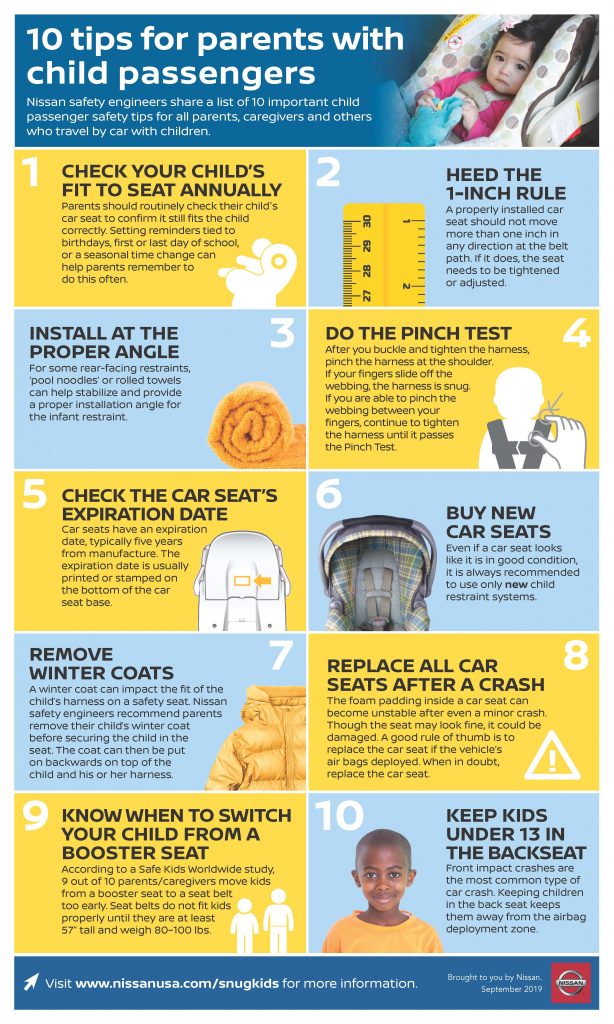
Risks of using expired car seats
Using an expired car seat raises clear safety risks. Small failures can become life-threatening in a crash. Here’s what can go wrong:
- Structural failure
- Plastic shells can crack or warp, reducing protection.
- Harness and buckle issues
- Webbing can weaken. Buckles may stick or fail to latch reliably.
- Reduced energy absorption
- Foam and padding lose their ability to absorb crash forces.
- Missing or unsupported parts
- Manufacturers may not offer replacement parts for older models.
- Noncompliance with newer safety features
- Older seats lack updates like improved side-impact protection or anti-rebound bars.
These risks show why do car seats expire is a safety policy—not a sales trick. Using an expired seat can increase injury risk in unpredictable ways. 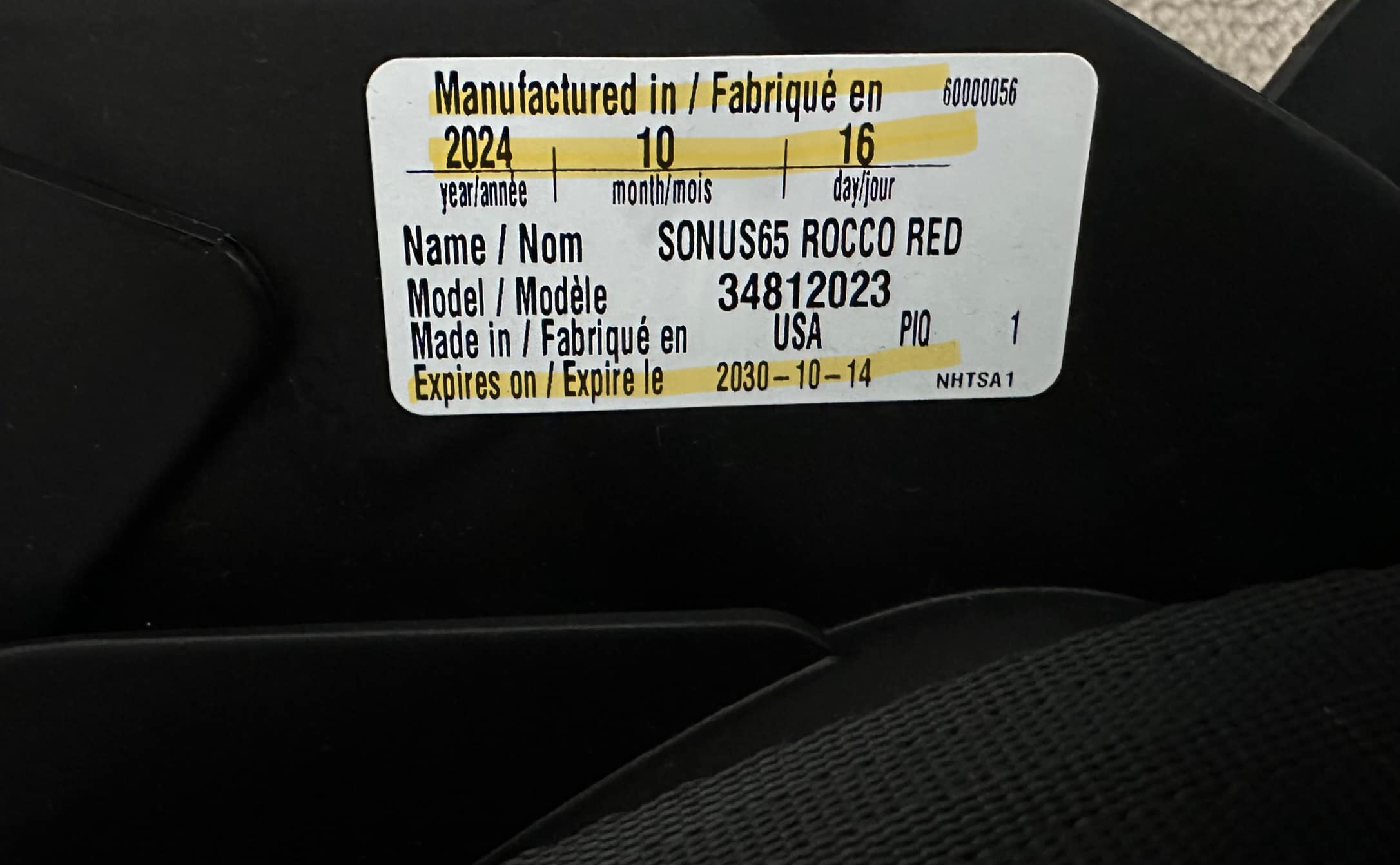
How to spot expiration and extend a seat’s useful life
Find the expiration date first. Most seats have it printed on a label, molded into the shell, or included in the manual. If you can’t find it, contact the manufacturer with the model and serial number.
Other checks and tips:
- Check for cracks, deep scratches, or warped plastic.
- Inspect harness webbing for frays, thinning, or sun damage.
- Test buckles and adjusters to be sure they latch and release smoothly.
- Record the purchase and install dates. Keep the manual and recall notices.
- Avoid exposing seats to direct sun, extreme heat, or damp storage.
- Clean according to the manual. Harsh cleaners and machine drying can speed degradation.
- Use a replacement only from the manufacturer; avoid homemade repairs.
Practical extension tips:
- Store unused seats indoors away from moisture and heat.
- Use a seat cover to limit sun exposure when the car is parked.
- Replace pads and buckles only with approved parts.
Use these steps to safely manage lifespan. Still, when the date arrives, plan to replace the seat—this is the safe choice in the debate over why do car seats expire. 
Replacement, recycling, and disposal
When a seat reaches its expiration date, act promptly. Plan the replacement process ahead of time so you’re not caught off guard.
Replacement options:
- Buy a new seat that fits your child’s current size and your vehicle.
- Check manufacturer trade-in or discount programs for older seats.
- Register your new seat with the maker to get recall alerts.
Disposal and recycling:
- Many communities accept car seats at select recycling centers.
- Some manufacturers offer take-back or recycling programs.
- If recycling isn’t available, cut the harness straps and mark the seat “NOT SAFE” before discarding so it won’t be reused.
These steps help reduce waste and stop old seats from being passed on for unsafe use—another answer to why do car seats expire is to prevent ongoing, unsafe reuse. 
My experience and practical tips
I’ve installed dozens of seats and helped parents sort through old gear. A few lessons I learned:
- Always register a new seat. I once solved a recall issue quickly thanks to a registration email.
- Keep a picture of the label and serial number. It helped me find a replacement part for a 4-year-old seat.
- Don’t accept a used seat without knowing its entire history. I turned down a hand-me-down that had been in a minor crash years earlier.
Practical tips to trust:
- Mark your calendar for the expiration date when you buy a seat.
- Start shopping a few months before the date so you can compare models.
- If you’re unsure about an older seat’s condition, visit a certified child passenger safety technician for an inspection.
These real-world steps make the abstract question of why do car seats expire into clear, doable actions that keep kids safer. 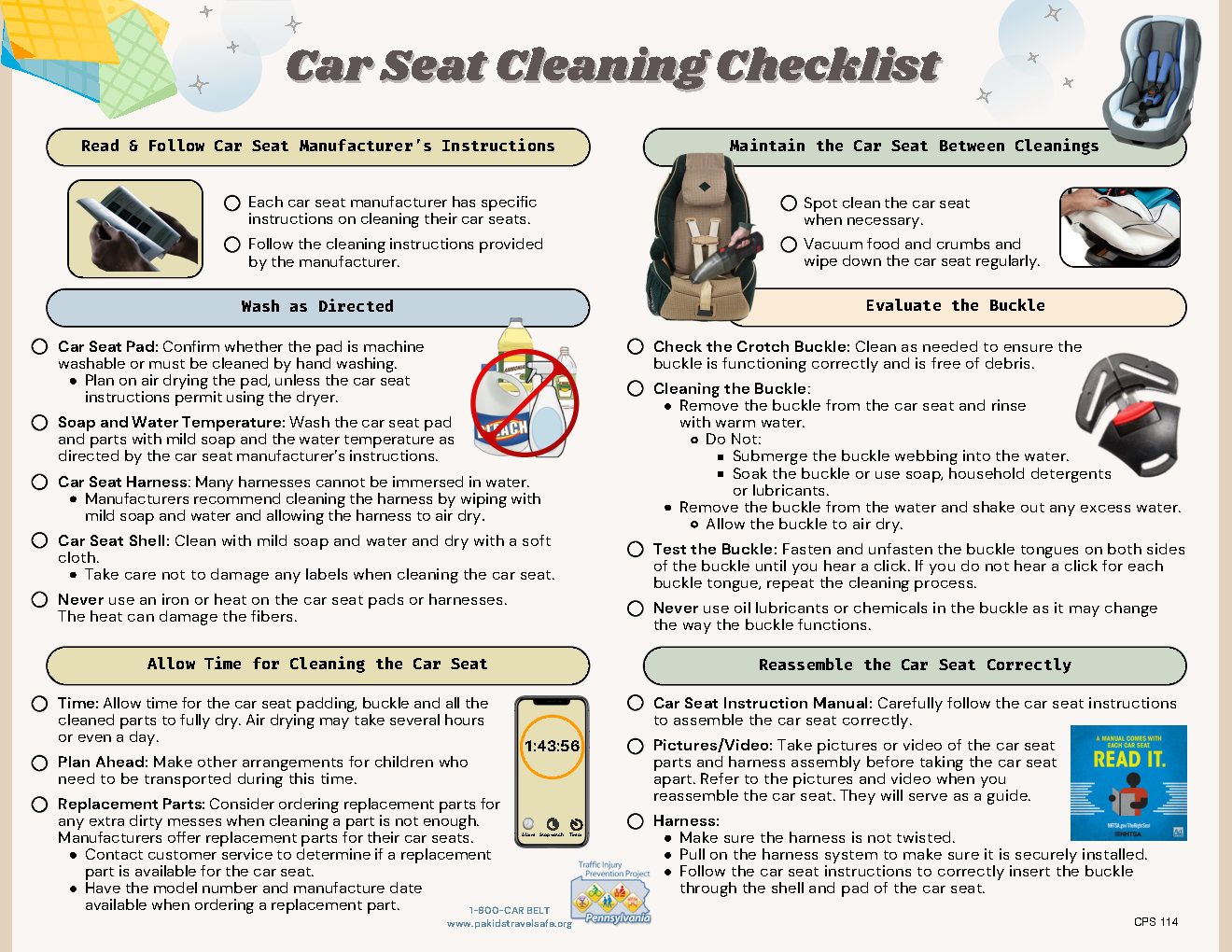
Frequently Asked Questions of why do car seats expire
How long do most car seats last?
Most car seats expire between 6 and 10 years from the manufacture or purchase date, depending on the model and brand.
Can I use a car seat past its expiration date?
You should not use a car seat past its expiration date because materials can fail and safety may be compromised.
Are expired car seats illegal?
Expired car seats are not usually illegal, but they are not recommended and may fail safety standards in a crash.
What happens if a car seat has been in a crash?
If a car seat has been in a moderate or severe crash, it should be replaced right away. Small, low-speed incidents have specific guidance from manufacturers.
How do I find a car seat’s expiration date?
Look for a molded date on the shell, a label, or the manual. If unclear, contact the manufacturer with the model and serial number.
Can replacement parts extend a car seat’s life?
Approved replacement parts can help, but parts won’t make an expired seat meet modern safety standards or reverse material aging.
Conclusion
Car seats expire because materials age, parts wear, and safety standards move forward. Treat expiration dates as safety signals, not suggestions. Takeaway action: find your seat’s date today, register your seat, and plan a timely replacement so your child rides in the safest option available. Leave a comment with your seat model or questions, or subscribe for more hands-on safety tips.