

Scrapping a car means selling it to a licensed auto recycler after preparing the vehicle and transferring ownership correctly.
If you are asking, “does how to scrap a car” work in the United States, the process is simpler than many people expect. You need to check your car’s value, gather the right documents, remove personal items, choose a trusted recycler, and complete the title transfer.
This guide explains how to scrap a car safely, legally, and for the best possible return. It also covers recycling rules, pickup services, common mistakes, and ways to avoid scams.
What Does It Mean to Scrap a Car?
Scrapping a car means sending an unwanted vehicle to an authorized auto recycler or salvage yard. The recycler may reuse working parts and process the remaining metal, glass, tires, fluids, and other materials.
A scrap car is not always completely worthless. Even a vehicle that no longer runs may contain:
• A valuable catalytic converter
• Usable tires and wheels
• A working engine or transmission
• Reusable doors, seats, mirrors, or electronics
• Steel, aluminum, copper, and other metals
The final price depends on the car’s weight, condition, location, demand for parts, and current metal prices.
When people search for “does how to scrap a car,” they often want to know whether the process is legal and how much money they can receive. In most states, it is legal to scrap a vehicle, but you must prove ownership and follow your state’s title and registration rules.
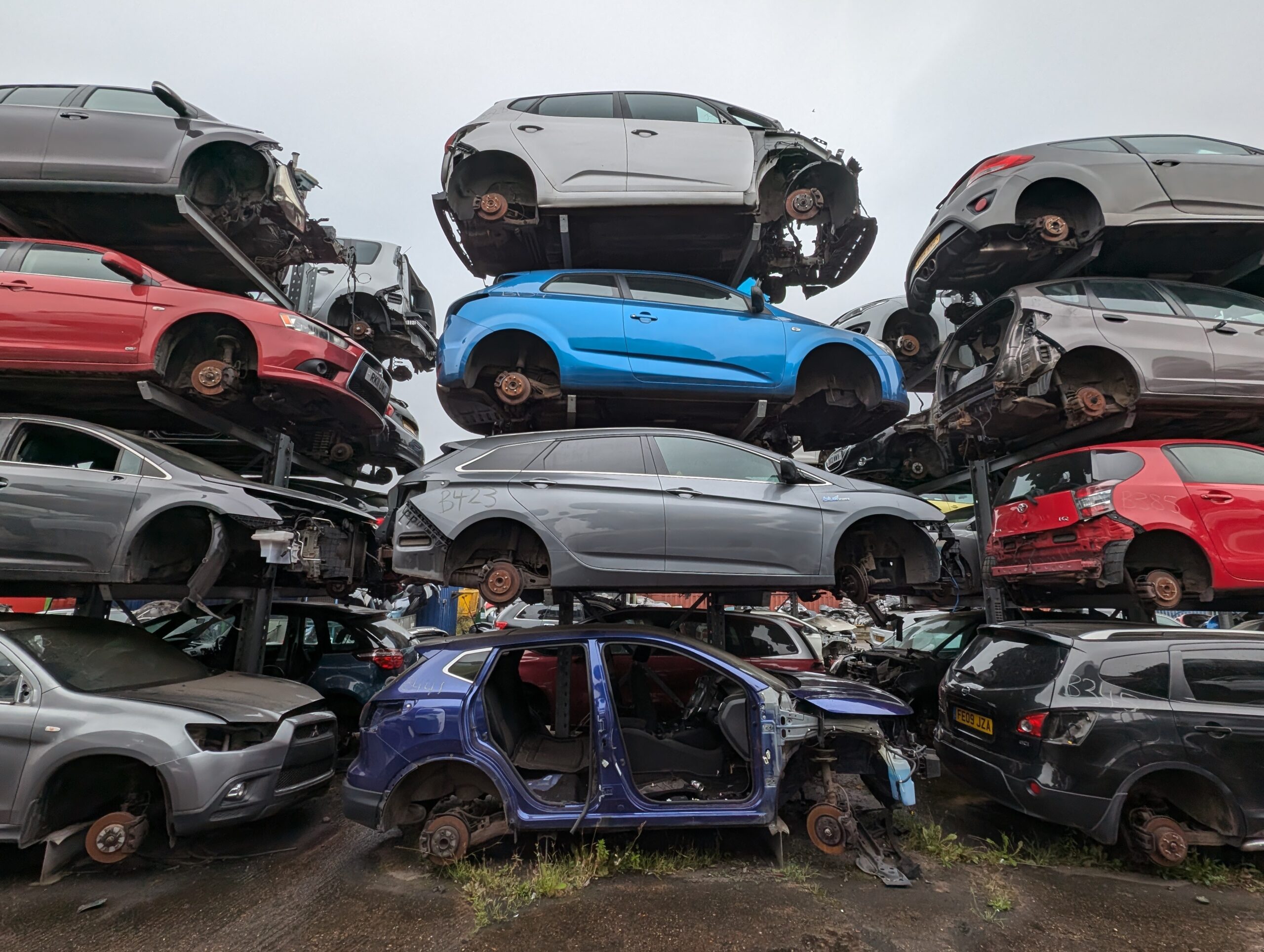
How to Scrap a Car Step by Step
The best way to scrap a car is to treat the process like a sale, not a simple disposal job. A few checks before pickup can protect your money and prevent paperwork problems.
1. Confirm That Scrapping Is the Right Choice
Compare the cost of repairs with the car’s real market value. Scrapping may be sensible when the vehicle has serious damage, a failed engine, severe rust, or repair costs that exceed its value.
You may have better options if the car is newer or has valuable working parts. Consider selling it as a used vehicle, trading it in, or selling it to a salvage buyer.
2. Check Your Car’s Scrap and Part Value
Ask several local recyclers for quotes. Give each business the same details:
• Year, make, and model
• Vehicle identification number, or VIN
• Mileage
• Running or non-running condition
• Location of the car
• Condition of the tires, catalytic converter, engine, and transmission
A recycler may offer more for a complete car than for a stripped shell. Removing valuable parts without understanding the market can reduce the final offer.
3. Gather Your Documents
Most buyers will ask for proof that you own the vehicle. Common documents include:
• Vehicle title
• Government-issued photo ID
• Registration, where required
• Lien release, if a loan was previously recorded
• Bill of sale, if required by your state
Some states allow a vehicle to be scrapped without a title in limited cases. However, the buyer may pay less or require extra forms. Contact your state motor vehicle agency before arranging pickup.
4. Remove Personal Items
Search the glove box, center console, trunk, door pockets, and under the seats. People often leave behind insurance cards, tools, garage remotes, coins, and important papers.
Also remove license plates if your state requires you to return or keep them. Do not remove legally required parts before asking the recycler how that affects the quote.
5. Cancel Insurance and Registration at the Right Time
Do not cancel insurance before the vehicle leaves your possession if it is still parked on a public road or may be driven. After pickup, follow your state’s rules for registration cancellation and plate return.
Ask the insurer whether you need proof of sale or a disposal receipt. Keep every document until the transaction is fully complete.
6. Arrange Pickup or Delivery
Many recyclers offer free towing when the car is in their service area. Confirm whether the towing charge is included in the quoted price.
Before the truck arrives, ask:
• Is the quote guaranteed?
• Is towing free?
• How will payment be made?
• What paperwork will the driver provide?
• Will the buyer handle the title transfer?
A written quote is safer than a promise made over the phone.
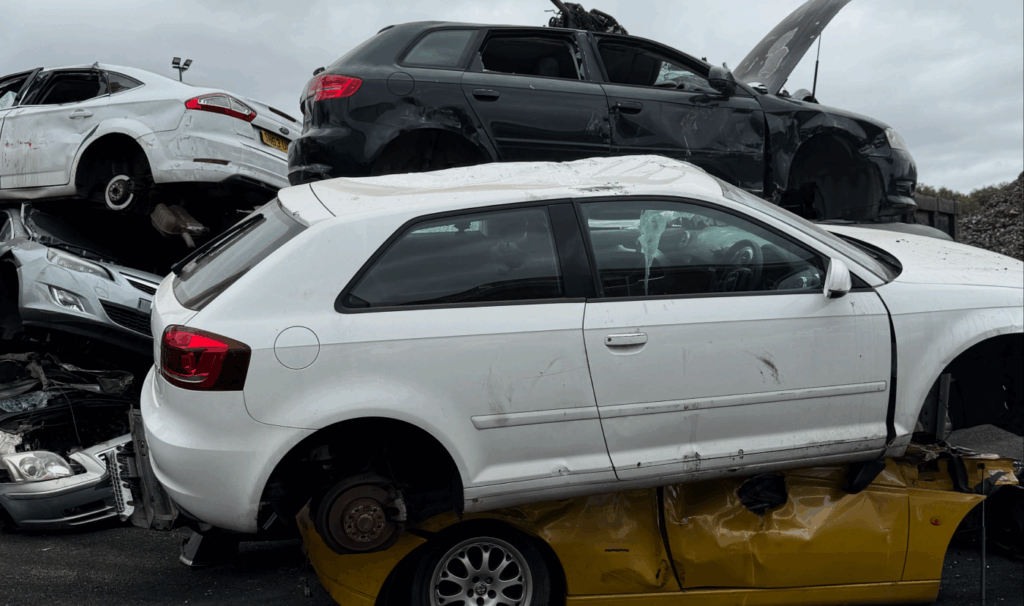
How Much Money Can You Get for a Scrap Car?
There is no single scrap car price for every vehicle. Offers can range from a modest amount for a damaged compact car to several thousand dollars for a newer vehicle with valuable parts.
The main factors include:
Vehicle Weight
Scrap yards often consider the amount of recoverable metal in a vehicle. Larger trucks and SUVs may bring more than small cars because they contain more steel and aluminum.
Metal prices change often. A quote today may not be the same next month.
Working Parts
A car with a usable engine, transmission, alternator, wheels, or electronic modules may be worth more as a parts vehicle. A recycler may inspect the car before confirming the final offer.
Catalytic Converter
Catalytic converters contain small amounts of precious metals. This can make them valuable, but prices vary greatly by vehicle and market conditions.
Never remove a catalytic converter without checking the law and the effect on your offer. Some states regulate the sale of used catalytic converters to reduce theft.
Location and Towing Distance
A car near a major city may attract more buyers than one in a remote area. Long-distance towing can reduce your net payment if the business does not include transport.
Vehicle Completeness
A complete car usually has more value than a vehicle missing its engine, wheels, battery, or catalytic converter. Tell the buyer about missing parts before accepting a quote.
A practical rule is to compare at least three offers. Ask for the final amount after towing and fees, not just the highest advertised price.

What Documents Do You Need to Scrap a Car?
The title is usually the most important document when you scrap a car. It shows who owns the vehicle and gives the buyer a legal record of the sale.
Check the title before pickup. Make sure the owner’s name is correct and follow the signing instructions printed on the document. Avoid signing in the wrong space or leaving important sections blank.
You may also need:
• A valid driver’s license or state ID
• Current registration
• Lien release paperwork
• Odometer disclosure for some vehicles
• A bill of sale
• A junk vehicle affidavit
Rules differ by state. For example, some states require the seller to notify the motor vehicle agency after selling or disposing of a car. Others require the buyer to report the purchase.
If your title is lost, contact your state vehicle agency about a replacement. Do not assume that a handwritten receipt is enough.
What If There Is a Loan on the Car?
You usually cannot scrap a car with an active lien unless the lender agrees. The lender may still have a legal interest in the vehicle.
Contact the finance company and request a payoff amount or lien release. Once the loan is paid and the lien is cleared, you can complete the sale.

How to Choose a Trusted Scrap Car Buyer
A reliable recycler should explain the process clearly. The business should also provide its legal name, phone number, address, and payment terms.
Look for these signs of a trustworthy buyer:
• A clear written quote
• A valid business address
• Proof of licensing when required
• Transparent towing terms
• A clear title transfer process
• Good reviews from local customers
• No pressure to sign blank paperwork
Be careful with buyers who refuse to show identification, demand an unusual payment, or change the price when the tow truck arrives.
You can also check whether the business belongs to a recognized recycling or automotive trade group. Membership does not guarantee perfect service, but it can provide another trust signal.
Ask how the company handles fluids, batteries, tires, airbags, and refrigerants. Responsible recyclers remove hazardous materials before crushing or processing the vehicle.

How the Car Recycling Process Works
Once the recycler receives the vehicle, technicians usually inspect it for reusable parts. They may test the engine, transmission, electronics, wheels, and other components.
Next, the recycler drains fluids such as:
• Engine oil
• Coolant
• Brake fluid
• Transmission fluid
• Fuel
• Air-conditioning refrigerant
These materials should not enter soil or storm drains. Environmental agencies regulate the handling and disposal of many automotive fluids because they can harm people, water, and wildlife.
The vehicle may then be dismantled. Usable parts can be cleaned, tested, labeled, and sold. The remaining metal is crushed and sent for processing.
Recycling a vehicle helps recover steel, aluminum, copper, glass, rubber, and selected plastics. It also reduces the need to produce new raw materials.
This is one reason a licensed auto recycler is usually a better choice than abandoning a vehicle or sending it to an unknown buyer.
Common Mistakes to Avoid When Scrapping a Car
Many problems happen because sellers rush the process. Taking a few extra minutes can prevent lost money and legal trouble.
Accepting the First Offer
The first quote may not be the best one. Contact several buyers and compare the amount after towing and other deductions.
Forgetting the Title Transfer
Leaving the title unsigned or failing to complete the transfer can leave you connected to the vehicle. You might later receive parking tickets, toll notices, or registration problems.
Leaving Personal Data in the Car
Modern vehicles can store phone contacts, navigation history, garage codes, and home addresses. Delete paired devices and reset the infotainment system when possible.
Ignoring a Lien
A loan or lien can stop the sale. Confirm the lien status before scheduling pickup.
Choosing an Unlicensed Buyer
An unlicensed operator may offer cash but fail to handle the title correctly. The small extra payment may not be worth the risk.
Removing Parts Without Checking the Agreement
Some sellers remove the battery, wheels, or catalytic converter to sell them separately. That can reduce the recycler’s offer or cancel free towing.
Not Getting a Receipt
Keep the bill of sale, payment record, title copy, towing receipt, and disposal confirmation. Store digital photos in a safe place.

Environmental and Safety Tips
A scrap car can contain hazardous materials. Do not drain oil, gasoline, coolant, or refrigerant at home unless you have the equipment and legal permission to handle it.
Never burn a vehicle to remove wiring or metal. Burning plastic and vehicle materials can release harmful smoke and may violate local laws.
If you plan to remove small parts before pickup, use basic safety equipment:
• Safety glasses
• Cut-resistant gloves
• Closed-toe shoes
• A fire extinguisher nearby
• Proper tools
• Good ventilation
Avoid working beneath a vehicle supported only by a jack. Use approved jack stands on stable ground.
Electric and hybrid vehicles need extra care. Their high-voltage battery systems can cause serious injury even when the car is not running. Tell the recycler if the vehicle is electric, hybrid, flooded, or damaged by fire.

Does How to Scrap a Car Differ for Electric Vehicles?
Yes. Electric and hybrid vehicles require special handling because they contain high-voltage batteries and unique drive systems.
Do not open, cut, crush, or remove a high-voltage battery yourself. A damaged battery may create a fire risk, especially after a crash or flood.
Tell the recycler:
• Whether the car is fully electric or hybrid
• Whether it has been in a flood or fire
• Whether warning lights are active
• Whether the battery is damaged
• Whether the vehicle still starts
Choose a recycler that accepts electric vehicles and has the training and equipment to manage high-voltage systems. Some electric cars may be worth more for parts, while others may have lower scrap value because battery handling costs are high.
Does How to Scrap a Car Affect Your Insurance and Taxes?
Scrapping a car may affect insurance, registration, and taxes, but the exact rules depend on your state and personal situation.
After the sale, contact your insurer and ask whether you need proof of disposal. Notify the motor vehicle agency if your state requires a seller’s notice or registration cancellation.
You may also need to report the sale for tax purposes. If you receive more than your adjusted basis in the vehicle, there could be a taxable gain. A tax professional can explain your situation, especially if the vehicle belongs to a business.
Do not rely only on the buyer to complete every step. Ask what the recycler will file, then confirm your own responsibilities with the state agency.
Is It Better to Scrap, Donate, or Sell the Car?
Scrapping is not always the best choice. Compare the car’s condition, value, and your goals.
Scrapping may be best when:
• The car is severely damaged
• Repairs cost more than the vehicle is worth
• The vehicle does not run
• It has major rust or flood damage
• A recycler offers free pickup
Selling may be better when the car runs well or has a clean title. Donating may be useful if you want to support a nonprofit, but check whether the organization accepts the car and how it handles tax receipts.
A simple comparison can help:
Get two or three scrap offers.
Check private-party prices for similar cars.
Estimate repair and towing costs.
Compare the final amount you would keep.
The best choice is the one that gives you fair value with the least risk and effort.
A Simple Scrap Car Checklist
Use this checklist before the tow truck arrives:
• Confirm the car’s VIN and condition
• Check the title and lien status
• Compare multiple offers
• Ask whether towing is free
• Remove personal belongings
• Delete stored phone and navigation data
• Remove plates if required
• Photograph the car and odometer
• Sign the title correctly
• Get a bill of sale or disposal receipt
• Cancel insurance after pickup
• Notify the motor vehicle agency if required
• Keep all records
This process may feel like a chore, but a checklist makes it much easier. Think of it as closing a small legal file: every document should have a clear place.
Frequently Asked Questions About Does How to Scrap a Car
Can I scrap a car without a title?
Sometimes, but the rules vary by state. A recycler may accept other proof of ownership, such as registration and a replacement-title document, but many buyers will not accept the vehicle without a title.
How do I scrap a car that does not run?
Contact recyclers that offer non-running vehicle pickup. Tell them the car’s exact location and condition so they can send the right truck and provide an accurate quote.
Do I need to remove the license plates before scrapping a car?
In many states, you must remove and return the plates or keep them for another vehicle. Check your state’s motor vehicle rules before pickup.
Can I scrap a car with an expired registration?
Often, yes. Expired registration does not always prevent a legal scrap sale, but you still need proof of ownership and may need to resolve unpaid fees or notices.
How long does it take to scrap a car?
The sale can often be arranged within one or two days, depending on the recycler and your location. Title problems, lien issues, and remote pickup locations can make the process take longer.
Will a scrap yard pay cash for my car?
Some businesses pay cash, while others use a check, electronic transfer, or another method. Confirm the payment type before agreeing to the sale, and follow local laws on cash transactions.
What happens to my car after it is scrapped?
The recycler usually removes fluids and reusable parts before crushing the remaining shell. Metal and other materials are then processed for reuse or recycling.
Conclusion
Learning does how to scrap a car starts with checking the vehicle’s value, gathering ownership documents, comparing licensed buyers, and completing the transfer correctly. Remove personal items, protect your information, and choose a recycler that handles fluids, batteries, and vehicle materials responsibly.
Do not rush for the first offer. Get several quotes, confirm towing and payment terms, and keep proof of the transaction. With the right steps, scrapping an unwanted car can be safe, legal, and financially worthwhile. Check your state’s vehicle agency rules today, then contact trusted local recyclers for written quotes.
