

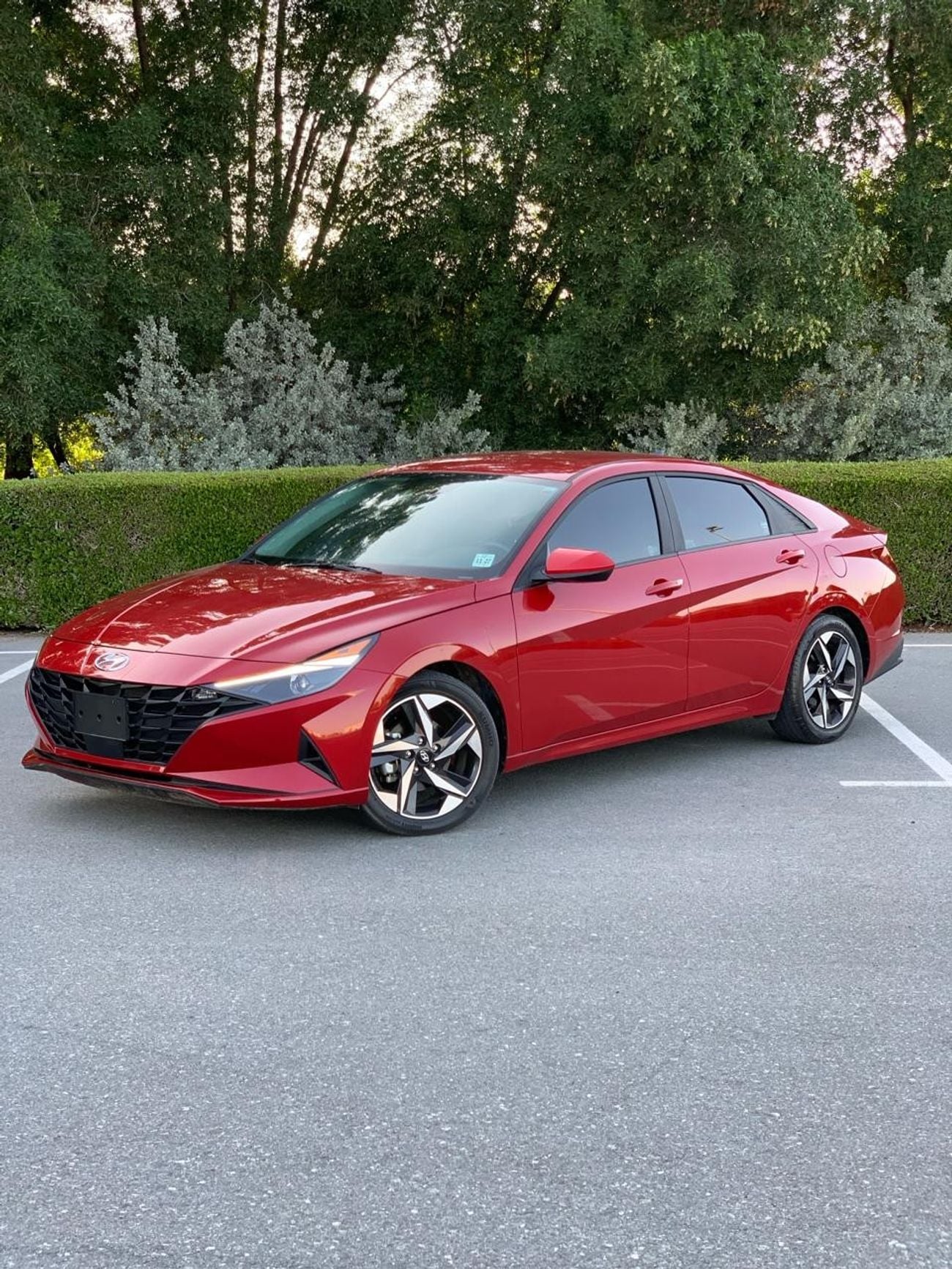
For most drivers in the United States, yes—the Hyundai Elantra is a good car. It offers low fuel use, a roomy cabin for its class, a long powertrain warranty for the first owner, and a lower price than many compact sedans.
Still, the answer depends on the model year, trim, engine, and service record. The Elantra is not the best choice for every driver. Some rivals have a softer ride, a stronger resale value, or a better record for long-term ownership.
The short answer is this: a new Elantra is a sensible daily driver, while a used Elantra needs a careful check for recalls, service history, and past damage.

Why the Hyundai Elantra is a good car
The Elantra works well because it covers the needs of many U.S. drivers without adding much cost. It is a compact sedan, but it has useful passenger space and a large trunk.


Most Elantras are easy to park and simple to drive. They also tend to use less fuel than larger cars and SUVs. For a commuter, student, or small family, those traits matter more than high power.
Main strengths
- Good fuel economy on many trims
- Useful rear-seat space for a compact sedan
- Large trunk for the class
- Simple controls and broad availability of safety features
- Competitive new-car pricing
- Strong factory powertrain coverage for the first owner
- Several versions, including hybrid and sporty N Line models
The Elantra also costs less to run than many larger vehicles. Tires, brakes, and routine service are often less costly than they are on a midsize SUV. Insurance still depends on the driver, location, coverage, and model year, so buyers should get a quote before signing a deal.
The main trade-offs
The Elantra has limits. Base versions can feel slow when merging onto a busy highway. The continuously variable transmission, called an Intelligent Variable Transmission or IVT by Hyundai, aims to save fuel but may make the engine sound loud under hard acceleration.
Ride comfort also varies by trim. Larger wheels and sport-focused tires may sharpen steering, but they can make rough roads feel harsher. The N Line and Elantra N are more fun to drive, yet they may cost more to insure and maintain.
Elantra reliability: what owners should know
The Hyundai Elantra can be reliable, but reliability is not the same for every year. A well-serviced Elantra with a clean history may last for many years. A neglected car can become expensive, even if it has a good reputation.
Reliability depends on several factors:
- Model year and engine
- Maintenance history
- Mileage and driving conditions
- Previous accident or flood damage
- Recall repairs
- Transmission behavior
- Whether the vehicle is still covered by a warranty
Some older Hyundai models used engines that drew attention from owners, regulators, and the automotive press. That does not mean every Elantra has an engine problem. It does mean buyers should check the exact vehicle identification number, or VIN, for recalls and service campaigns.
Use the official NHTSA recall search tool before buying any used Elantra. A Hyundai dealer can also check open campaigns and warranty records.
Common issues to check
A used Elantra may show one or more of these problems:


- Weak or failing 12-volt battery
- Noisy wheel bearings
- Worn suspension parts
- Air-conditioning faults
- Infotainment or camera glitches
- Uneven tire wear
- Oil leaks or low oil level
- Transmission hesitation or shudder
- Damage from a past crash
These are inspection points, not a list of faults found in every car. A pre-purchase inspection by an independent mechanic is one of the best ways to reduce risk.
How the warranty affects reliability risk
For eligible new Hyundai vehicles in the U.S., Hyundai advertises a 10-year or 100,000-mile powertrain limited warranty for the original owner. Coverage for later owners can differ. Other parts have different terms, and exclusions apply.
The warranty does not remove the need for service. Keep receipts and follow the maintenance schedule. If a car has several owners, missing records can make a warranty or repair claim harder to manage.
Fuel economy and daily driving
The Elantra is a strong choice for drivers who want a compact car with low fuel use. EPA fuel-economy ratings vary by year, engine, transmission, wheel size, and trim.
The standard gas engine is usually aimed at low running cost rather than quick acceleration. The Elantra Hybrid can use less fuel in many driving patterns, especially in city traffic. Its higher purchase price may take time to recover through fuel savings.
A simple way to estimate fuel cost is:
Annual fuel cost = annual miles ÷ real-world miles per gallon × local fuel price
For example, a driver who travels 12,000 miles per year in a car that gets 36 mpg would use about 333 gallons. At $3.50 per gallon, fuel would cost about $1,166 per year. This is a hypothetical estimate, not a promise of actual economy.
Your result may be lower or higher because of:
- Cold weather
- High speeds
- Heavy traffic
- Short trips
- Cargo and passengers
- Tire pressure
- Air-conditioning use
- Driving style
EPA ratings are useful for comparison, but they are not a guarantee. Check the exact trim on FuelEconomy.gov.

Is the Elantra safe?
The Elantra includes modern safety systems on many recent U.S. models. Depending on the year and trim, these may include:
- Forward collision warning
- Automatic emergency braking
- Lane-keeping assistance
- Lane-following assistance
- Driver attention warning
- Blind-spot monitoring
- Rear cross-traffic alert
- Adaptive cruise control
Features can vary by trim. Do not assume that every used Elantra has the same equipment.
Crash-test results also vary by model year. The Insurance Institute for Highway Safety, or IIHS, and the National Highway Traffic Safety Administration, or NHTSA, test vehicles under different programs. A high score from one year does not automatically apply to another year.


Check the exact model year at:
A note about theft risk
Some Hyundai and Kia vehicles from certain model years became targets for theft because they lacked engine immobilizers or had security weaknesses. The affected vehicles are not all the same, and the risk depends on the year, trim, equipment, and location.
Before buying a used Elantra, check:
- Whether it has an engine immobilizer.
- Whether Hyundai completed any security software update.
- Whether the vehicle qualifies for a steering lock or other theft-prevention support.
- Whether your insurer will cover it at a normal rate.
- Whether local police or insurers report elevated theft activity.
Do not rely only on a seller’s claim. Confirm the VIN and equipment with a Hyundai dealer or official Hyundai support channel.
Which Elantra trim is best?
The best trim depends on what you value. A base trim can provide the lowest price and good fuel economy. A mid-level trim may offer better comfort and safety technology. Sport versions add performance but raise the cost.
| Elantra type | Best for | Main benefit | Main trade-off |
|---|---|---|---|
| Base gas model | Budget-focused commuters | Lower purchase price | Fewer features and modest power |
| Mid-level gas model | Most daily drivers | Better balance of price and equipment | Costs more than the base version |
| Elantra Hybrid | High-mileage drivers | Lower fuel use | Higher price and added hybrid complexity |
| N Line | Drivers who want more style and power | Sportier feel | Firmer ride and higher running costs |
| Elantra N | Performance-focused buyers | Strong acceleration and handling | More expensive to own and less comfortable |
The mid-level gas trim is often the safest general recommendation because it can add useful features without reaching the price of a performance model.
Choose the Hybrid when you drive many miles and plan to keep the car for several years. Compare the purchase-price difference with expected fuel savings. Choose the N Line or Elantra N only if driving enjoyment matters more than the lowest operating cost.

Hyundai Elantra versus its main rivals
The Elantra competes with the Honda Civic, Toyota Corolla, Nissan Sentra, Mazda3, and sometimes the Volkswagen Jetta. Each has a different strength.
Elantra vs. Toyota Corolla
The Corolla often appeals to buyers who want a strong reputation for reliability and resale value. The Elantra may offer more features or a longer powertrain warranty for the price.
The deciding factors are usually purchase price, dealer support, comfort, and the exact model year. A well-maintained Elantra can be a good buy, but the Corolla may be easier to resell later.
Elantra vs. Honda Civic
The Civic often feels more refined and may offer stronger performance in some trims. It also tends to hold its value well. The Elantra can counter with a lower price and a generous warranty for the original owner.
If rear-seat space, ride comfort, and resale value matter most, test both. Do not compare only monthly payments.
Elantra vs. Nissan Sentra
The Sentra can offer a comfortable ride and a competitive price. The Elantra often provides more standard technology and more available powertrain choices.


Check transmission behavior during a test drive. The exact model year matters for both cars.
Elantra vs. Mazda3
The Mazda3 is usually more engaging to drive and has a higher-quality cabin feel. The Elantra generally offers more space for the money and may be cheaper to buy.
The Mazda3 can be a better fit for a driver who values steering feel. The Elantra may be better for a buyer who wants practical space and low cost.
Elantra vs. a small SUV
A small SUV gives you a higher seating position and more cargo flexibility. It usually costs more and may use more fuel. The Elantra is often the better value if you do not need all-wheel drive, a tall cargo area, or extra ground clearance.
Is a used Hyundai Elantra worth buying?
A used Elantra can be worth buying when the price, condition, and records make sense. Used buyers should focus less on the badge and more on the specific car.
Before purchase, complete these checks:
- Run the VIN. Look for recalls, title problems, theft records, and reported crashes.
- Review maintenance records. Confirm oil changes and major repairs.
- Inspect the engine bay. Look for leaks, low fluid levels, damaged wiring, or signs of poor repairs.
- Check the tires. Uneven wear may point to alignment or suspension trouble.
- Test the transmission. Look for delay, shudder, harsh shifts, or unusual noise.
- Test safety features. Confirm that warning lights are off and cameras work.
- Check the air conditioner and heater. Repairs can be costly.
- Inspect the underbody. Look for rust, flood damage, or bent parts.
- Get an independent inspection. A seller should allow a reasonable inspection.
- Compare the total price. Include taxes, dealer fees, financing, insurance, and expected repairs.
A low price is not always a good deal. A car that needs tires, brakes, a battery, and suspension work may cost more than a better-maintained example.
Model-year research matters
Do not search only for “Is the Elantra reliable?” Search for the exact year and engine. A 2015 Elantra, 2020 Elantra, and 2024 Elantra are different vehicles with different equipment and possible issues.
When researching a used car, compare:
- Recalls
- Technical service bulletins
- Crash-test results
- Engine and transmission type
- Warranty status
- Insurance cost
- Parts availability
- Owner maintenance records

What does it cost to own an Elantra?
The purchase price is only one part of ownership cost. A realistic budget should include:
- Monthly payment
- Insurance
- Fuel or charging
- Oil and filter service
- Tires
- Brakes
- Registration
- Repairs outside warranty
- Interest charges
- Depreciation
The Elantra’s sedan design can help keep fuel and tire costs moderate. Hybrid models may reduce fuel use but can cost more at purchase. Performance versions may need higher-cost tires and may use more fuel.
Get insurance quotes for the exact VIN before buying. A sporty Elantra N and a base Elantra may have very different insurance costs.


Also compare dealer service prices with independent repair shops. Warranty work usually requires an authorized dealer, while routine maintenance may be available from a qualified independent shop.
Common mistakes when buying an Elantra
Many problems come from the buying process, not from the car itself.
Mistake 1: Assuming every trim has the same safety equipment
A base model may not have the same blind-spot or parking features as a higher trim. Check the window sticker or original equipment list.
Mistake 2: Ignoring theft and insurance checks
A car may look affordable until an insurer adds a surcharge or refuses certain coverage. Verify this before paying a deposit.
Mistake 3: Trusting a clean dashboard
A dashboard with no warning lights does not prove that the car is healthy. Some problems appear only during a cold start, highway drive, or scan-tool check.
Mistake 4: Skipping the pre-purchase inspection
A test drive cannot reveal every leak, worn bushing, or hidden accident repair. An inspection is especially useful for older cars and vehicles with high mileage.
Mistake 5: Comparing monthly payments instead of total cost
A longer loan can make a car appear cheap each month while increasing interest and leaving you owing more than the car is worth.
Who should buy a Hyundai Elantra?
The Elantra is a good fit for:
- Commuters who want low fuel use
- Students and first-time buyers
- Small households
- Drivers who prefer a sedan to an SUV
- Buyers who want many features at a moderate price
- Original owners who value Hyundai’s powertrain warranty
It may not be the best fit for:
- Drivers who need all-wheel drive
- People who tow
- Buyers who need a tall cargo area
- Drivers who want very quick acceleration in a base model
- Buyers who plan to sell the car after a short time and prioritize resale value
- Shoppers who cannot verify maintenance or theft-prevention updates on a used car
Frequently asked questions
How long can a Hyundai Elantra last?
A well-maintained Elantra can serve for many years and a high number of miles, but no mileage target is guaranteed. Maintenance, rust, driving habits, accident history, and engine condition matter more than a simple age rule.
Is the Hyundai Elantra expensive to repair?
Routine repairs are often reasonable for a compact sedan. Major engine, transmission, electrical, or hybrid-system repairs can be expensive. Ask for a written estimate and compare dealer and independent-shop prices.
Is the Elantra Hybrid reliable?
The Elantra Hybrid can be a sensible choice for high-mileage drivers. It adds a hybrid powertrain, so buyers should confirm warranty coverage and use a shop that understands hybrid systems. Check the exact year for recalls and service history.
Does the Hyundai Elantra hold its value?
The Elantra may lose value faster than some Honda Civic or Toyota Corolla models. Resale value changes with mileage, condition, local demand, accident history, trim, and interest rates. A lower purchase price can offset part of that difference.
Should I buy an Elantra with a continuously variable transmission?
An Elantra with an IVT can be a good choice when it shifts smoothly and has proper service history. During a test drive, watch for shuddering, delayed movement, unusual whining, or harsh behavior. Have a mechanic inspect any used car that shows these signs.


Final verdict: Is the Hyundai Elantra a good car?
Yes, the Hyundai Elantra is a good car for many U.S. drivers. Its best qualities are low fuel use, useful space, a broad trim range, and a competitive ownership profile.
The strongest choice is usually a well-equipped gas model with a clean history and complete maintenance records. A Hybrid can make sense for high-mileage drivers. The N Line and Elantra N suit people who want more performance, not the lowest cost.
Before buying, check the exact model year, confirm recalls, compare insurance, and arrange an independent inspection for any used car. Those steps matter more than a brand label alone.
Sources and research references
- Hyundai USA: Vehicle Warranty Information
- Hyundai USA: Owner’s Manuals and Maintenance
- NHTSA: Recalls
- NHTSA: Vehicle Safety Ratings
- IIHS: Vehicle Ratings
- EPA FuelEconomy.gov
Conclusion
The Hyundai Elantra earns a positive rating when judged as an affordable U.S. commuter car. It is efficient, practical, and usually easy to live with. Its weaknesses include modest base-engine power, mixed resale performance, and model-year-specific reliability or security concerns.
The smart buying method is simple: choose the right trim, verify the VIN, check current safety and recall data, and inspect the car before purchase. That approach can turn a good Elantra into a sound long-term choice.
