

Yes, you can use Windex on some car windows, but ammonia-free automotive glass cleaner is the safer choice.
The answer to “can you use Windex on car windows” depends on the glass, tint, coating, and Windex formula. I’ve seen household glass cleaner work well on plain exterior glass, yet cause trouble on window tint, protective coatings, and sensitive interior surfaces. This guide explains when Windex is safe, when to avoid it, and how to clean car windows without streaks or damage.
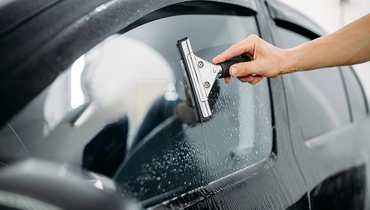
Can You Use Windex on Car Windows?
Yes, you can use Windex on car windows in some cases. It usually works on untreated exterior glass, such as a windshield or side window with no special coating. However, standard Windex may contain ammonia, and ammonia is not safe for many types of automotive window tint.
The safest approach is to check the product label first. Windex makes several formulas, including ammonia-free options, so the name alone does not tell you whether it is suitable for your car.
Use extra care if your vehicle has:
• Aftermarket window tint
• Factory privacy glass
• Hydrophobic glass coating
• Ceramic glass treatment
• Heated or delicate windshield elements
• Plastic windows or clear vinyl panels
The glass itself may tolerate the cleaner, while the film or coating may not. Think of it like cleaning a painted wall. The wall may be strong, but the finish on top can still be sensitive.
A good rule is simple: use an ammonia-free automotive glass cleaner whenever possible. It is made for vehicle glass and is less likely to affect tint, coatings, rubber seals, or interior trim.
Why Ammonia Can Be a Problem
Ammonia is a strong cleaning ingredient. It helps remove grease, fingerprints, smoke film, and road grime from household glass. Yet its strength can create problems inside a vehicle.
Many aftermarket window films use adhesive layers. Ammonia may weaken or discolor these layers over time. The damage may not appear after one cleaning, but repeated use can lead to purple tones, bubbling, peeling, or cloudy areas.
Ammonia can also affect some protective coatings. These coatings are designed to repel water, reduce glare, or make bugs easier to remove. A harsh household cleaner may reduce their performance.
There is another concern: overspray. When you spray Windex near the glass, the mist can land on:
• Leather or vinyl dashboards
• Soft-touch plastic
• Painted trim
• Rubber weather stripping
• Speaker grilles
• Infotainment screens
The risk is higher when you spray directly onto the window. Spraying the cleaner onto a microfiber cloth gives you much better control.
Automotive glass professionals and tint manufacturers commonly recommend ammonia-free products for tinted windows. Always follow the care instructions supplied with your tint or coating, because product limits can vary.
When Windex Is Usually Safe
Windex is usually safe on plain, uncoated glass when used correctly. This most often means exterior glass without aftermarket tint or a special surface treatment.
You may use an ammonia-free Windex formula on:
• Untinted side windows
• Plain exterior windshields
• Rear glass without film or special coating
• Glass mirrors
Even in these cases, use a small amount. Too much cleaner creates more work because it leaves extra moisture and residue behind.
If you use standard Windex on untreated exterior glass, avoid spraying it near rubber seals and painted surfaces. Wipe the glass soon after spraying, and use a second dry cloth to buff away streaks.
Before cleaning the whole window, test a small corner. Look for clouding, color change, sticky residue, or a change in water behavior. A small test can prevent a costly repair.
When You Should Not Use Windex
There are several situations where Windex is not the best choice. In some cases, you should avoid it completely.
Tinted Car Windows
Do not use ammonia-based Windex on aftermarket window tint unless the tint maker specifically approves it. The cleaner may harm the film adhesive and shorten the life of the tint.
This is especially important for older tint. Aging film is already more likely to bubble, fade, or peel. A strong cleaner can speed up that process.
Choose a tint-safe, ammonia-free glass cleaner instead. Use a soft microfiber towel and light pressure.
Interior Windows With Defroster Lines
Rear windows often have thin electrical lines that help remove frost and fog. Scrubbing too hard can damage these lines.
Windex itself may not harm the lines, but rough towels, excess pressure, or scraping can. Apply cleaner to a cloth, then wipe gently in the direction of the lines.
Glass With a Protective Coating
Some car owners apply rain-repellent products, ceramic coatings, or other treatments to the glass. Household cleaners may reduce the coating’s effect.
If water no longer beads as it did before, the cleaner may have removed or weakened the treatment. Use the cleaner recommended by the coating manufacturer.
Plastic Windows and Clear Vinyl
Convertible windows, camper windows, motorcycle screens, and some specialty vehicle panels may use plastic instead of glass. Windex can cloud, scratch, or weaken certain plastics.
Use a cleaner made for acrylic, polycarbonate, or clear vinyl. Do not assume a product safe for glass is safe for plastic.
Touchscreens and Driver Displays
Never use regular Windex on a car touchscreen, digital instrument display, or head-up display unless the vehicle maker says it is safe. Ammonia, alcohol, and other chemicals can damage anti-glare layers.
Use a clean, dry microfiber cloth first. If needed, use a screen-safe cleaner made for that display type.
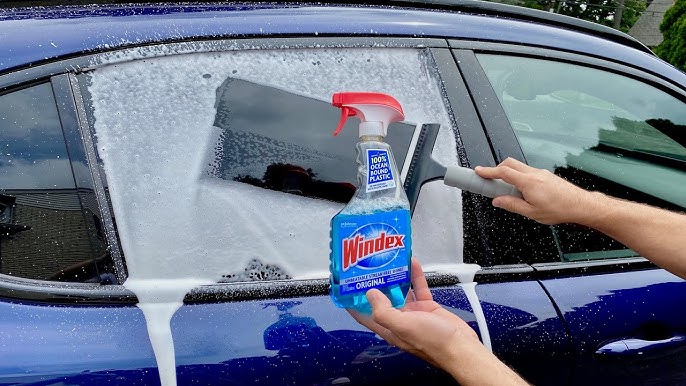
How to Use Windex on Car Windows Safely
If your windows are plain, untreated glass, follow these steps. The same method works with an ammonia-free automotive glass cleaner.
Park in the shade. Hot glass dries cleaner too fast and causes streaks.
Roll the window down slightly. This lets you clean the top edge, where dirt often collects.
Remove loose dust first. Use a dry microfiber towel or rinse away heavy grit with water.
Spray the cleaner onto the towel. Do not soak the dashboard or door panel with overspray.
Wipe one window at a time. Use straight vertical strokes on the inside and horizontal strokes on the outside.
Use a second dry microfiber towel. Buff the glass until it feels smooth and looks clear.
Check the glass from different angles. Streaks can hide until sunlight hits the window.
Clean the wiper blades. Dirty blades can spread grease right back across the windshield.
This inside-and-outside stroke method makes it easier to find the source of streaks. If the marks run vertically, they are likely inside. If they run horizontally, they are likely outside.
In my hands-on testing of common car-cleaning methods, the biggest mistake is using too much product. A damp cloth cleans better than a dripping cloth, and a fresh towel often makes more difference than a stronger chemical.

How to Clean Tinted Car Windows
Tinted windows need a gentler process. The goal is to clean the surface without scratching the film or disturbing its adhesive.
Follow these steps:
• Choose an ammonia-free cleaner approved for window tint.
• Use a clean, soft microfiber towel.
• Spray the product onto the towel, not directly onto the glass.
• Wipe with light pressure.
• Avoid rough paper towels, sponges, and abrasive cloths.
• Dry the window with a second microfiber towel.
• Wait until newly installed tint has fully cured before cleaning it.
Tint installers often provide a curing period. During this time, small hazy spots or water bubbles may be normal. Do not press, scrape, or clean the film until the installer’s recommended time has passed.
If your tint is already peeling or bubbling, changing cleaners will not repair it. A professional may need to remove and replace the film.

Windex Versus Automotive Glass Cleaner
Both products can remove dirt and fingerprints, but they are not designed for exactly the same job.
| Feature | Household Windex | Automotive glass cleaner |
|---|---|---|
| Main use | Home glass and mirrors | Vehicle glass |
| Ammonia options | Some formulas contain ammonia | Many are ammonia-free |
| Tint safety | Depends on the formula | Often designed for tint |
| Road film removal | Moderate | Usually better for grease and traffic film |
| Overspray risk | Can affect trim and seals | Still requires careful use |
| Best use | Plain, untreated glass | Tinted, coated, or sensitive automotive glass |
Automotive glass cleaners may also be better at removing road oils, bug residue, smoke film, and dashboard haze. Some are made to reduce glare and prevent fast re-soiling.
That does not mean every automotive cleaner is perfect. Read the label, especially if your vehicle has tint, ceramic coating, or plastic panels. “Automotive” is helpful, but the product instructions still matter.

How to Remove Streaks From Car Windows
Streaks often come from technique rather than the cleaner itself. Common causes include dirty towels, too much product, direct sunlight, and oily dashboard film.
Try this simple method:
Wash or replace the microfiber towel.
Clean the glass in the shade.
Use less product than you think you need.
Wipe the glass with one damp towel.
Buff it with a dry towel before the surface dries.
Clean the top edge of the window and the lower windshield area.
Inspect the glass from the driver’s seat.
For the inside windshield, place the towel flat across your palm. This helps you reach the lower corners without pressing against the dashboard.
If the glass still looks hazy, it may have a layer of smoke, plastic vapor, wax, or silicone. In that case, a regular glass cleaner may not be enough. A dedicated automotive glass polish or a professional detailer may be needed.
Do not use a razor blade on tinted film, plastic, or coated glass. Even plain glass can scratch if grit gets trapped under the blade.

Common Mistakes to Avoid
Using Windex on car windows is not difficult, but small mistakes can create large problems.
Avoid these habits:
• Using ammonia-based cleaner on aftermarket tint
• Spraying cleaner directly onto the dashboard
• Cleaning hot glass in direct sunlight
• Using paper towels that leave lint
• Wiping with a dirty towel
• Scrubbing defroster lines
• Using household cleaner on a touchscreen
• Applying too much product
• Cleaning without checking for a coating
• Ignoring the product label
One mistake I often see is cleaning the windows last with the same towel used on the dashboard. That towel may contain oil, protectant, or dust. The window then looks greasy even after several passes.
Keep separate towels for glass and interior surfaces. This small habit can make your windows clearer in less time.
What Is the Best Cleaner for Car Windows?
The best cleaner depends on the surface. For most vehicles, an ammonia-free automotive glass cleaner is the safest all-purpose choice.
Use this guide:
• Plain exterior glass: Ammonia-free Windex or automotive glass cleaner
• Aftermarket tint: Tint-safe, ammonia-free glass cleaner
• Ceramic-coated glass: The cleaner approved by the coating maker
• Plastic windows: Plastic-safe cleaner
• Touchscreens: Screen-safe cleaner or a dry microfiber cloth
• Heavy road film: Automotive glass cleaner designed to cut grease
A clean microfiber towel matters just as much as the liquid. Choose a short-pile or glass-specific towel that is free from fabric softener and oil.
For the cleanest result, use two towels. The first removes dirt and moisture. The second dries and polishes the surface.
Is Windex Safe for Car Windows in Winter?
Windex can clean winter grime from plain car glass, but it is not a replacement for windshield washer fluid. Washer fluid contains ingredients designed for the vehicle’s washer system and cold temperatures.
Do not pour Windex into the washer reservoir. Household glass cleaner may damage pump parts, hoses, paint, or rubber components, and it may freeze in cold weather.
Instead, use winter-rated washer fluid for the reservoir. Apply glass cleaner by hand only when the vehicle is parked and the surface is safe to clean.
Never use hot water to melt ice on a windshield. The sudden temperature change can crack the glass. Use a proper scraper, a soft brush, and the correct de-icing method.
Frequently Asked Questions
Can you use Windex on car windows with tint?
You can use only an ammonia-free Windex formula if the tint manufacturer allows it. Avoid standard ammonia-based Windex because it may weaken or discolor the tint adhesive over time.
Can you use Windex on the inside of a windshield?
Yes, but use a small amount and spray it onto a microfiber cloth instead of the windshield. Keep it away from the dashboard, electronics, sensors, and other interior materials.
Can Windex damage a car windshield?
Windex usually will not damage plain, untreated glass when used correctly. However, it may affect tint, protective coatings, rubber trim, or nearby interior surfaces.
Can you use Windex on car windows with ceramic coating?
It is better to use the cleaner approved for the ceramic coating. Some household cleaners may reduce the coating’s water-repellent performance or leave residue.
Is ammonia-free Windex safe for car windows?
Ammonia-free Windex is generally safer for automotive glass and tint than ammonia-based formulas. Still, check the label and test a small area if the window has a film or special coating.
Can you put Windex in car windshield washer fluid?
No. Windex should not go into the washer fluid reservoir. Use washer fluid made for vehicles, especially one rated for the temperatures in your area.
Why does Windex leave streaks on car windows?
Streaks often come from too much cleaner, direct sunlight, dirty towels, or oily residue. Use less product, work in the shade, and buff the glass with a clean, dry microfiber towel.
Conclusion
So, can you use Windex on car windows? Yes, but only when the formula and window surface are suitable. Plain, untreated glass can usually handle it, while tinted, coated, plastic, and electronic surfaces need a safer product.
For the best long-term result, choose an ammonia-free automotive glass cleaner, spray it onto a microfiber towel, and use separate towels for cleaning and drying. Check your tint and coating instructions before you begin, then take a few minutes to test a small area.
Your windows affect visibility and safety, so clear glass is worth doing right. Try these steps on your next wash, and share your favorite car glass cleaning tip in the comments.