
Nissan Altimas are good cars for many drivers because they offer comfort, safety, space, and low running costs.
Are Nissan Altimas good cars for your needs? In many cases, yes. The Altima is a practical midsize sedan with a roomy cabin, smooth ride, strong fuel economy, and available all-wheel drive. However, its long-term value depends heavily on the model year, service history, engine, and continuously variable transmission, often called a CVT.
This guide explains where the Altima shines, where it falls short, which years deserve caution, and how to check a used one before buying. The goal is simple: help you decide if a Nissan Altima fits your budget and daily life.

Are Nissan Altimas good cars overall?
The Nissan Altima is a good car for buyers who want an affordable sedan with more room than a compact car. It is easy to drive, comfortable on long trips, and usually cheaper to insure than many SUVs. Newer models also offer useful safety features and good fuel economy.
Still, no car is perfect. Some older Altimas had notable problems with their CVTs, engines, electrical systems, and suspension parts. A well-kept Altima can serve a driver for many years, while a neglected one can become expensive quickly.
The best answer depends on these factors:
• Model year and generation
• Engine and transmission type
• Maintenance records
• Mileage and driving conditions
• Accident, flood, or rental history
• Current price compared with similar cars
When people ask, “Are Nissan Altimas good cars?” I suggest they avoid judging every model year as if it were the same vehicle. The 2007 Altima and a newer ninth-generation Altima may share a name, but their reliability, technology, and safety equipment can differ greatly.
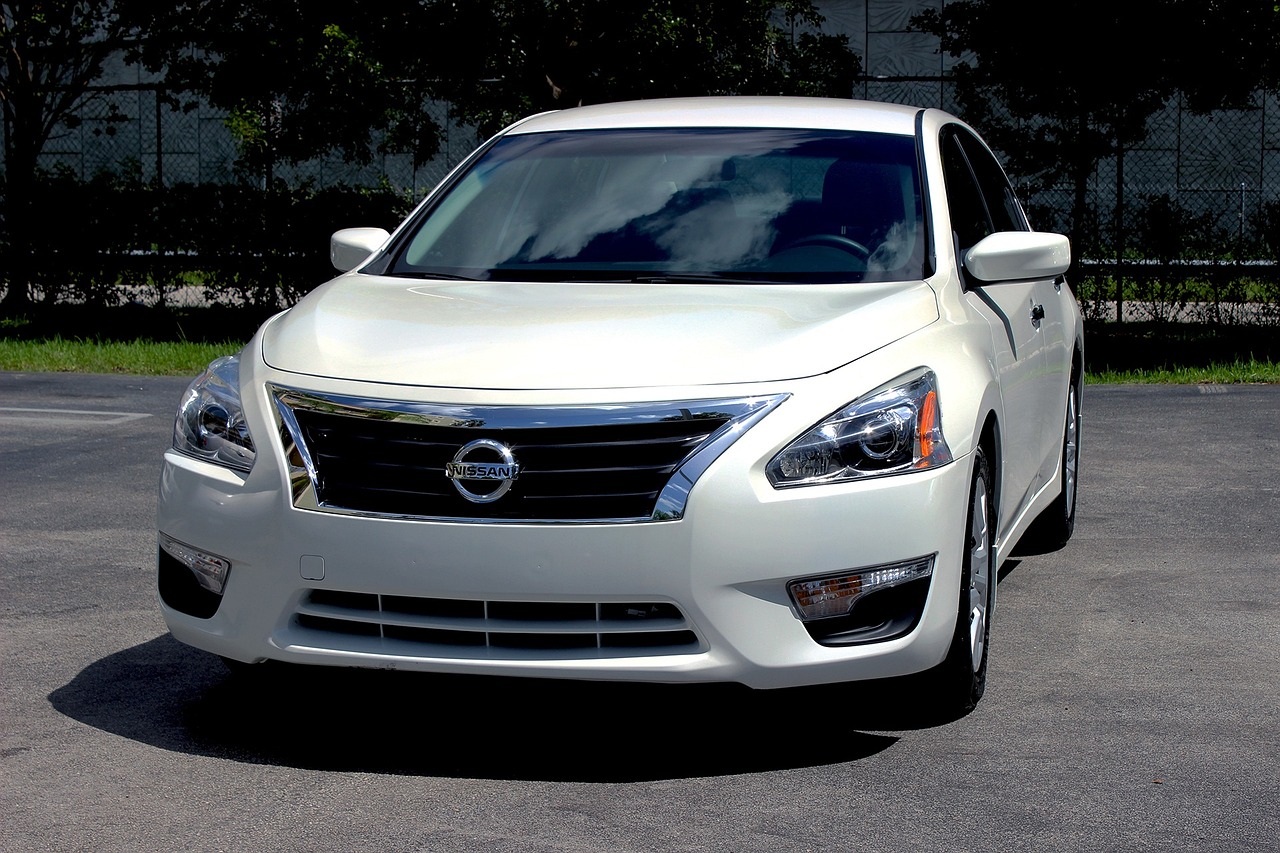
Main advantages of the Nissan Altima
The Altima competes with the Toyota Camry, Honda Accord, Hyundai Sonata, Kia K5, and Volkswagen Passat. It has remained popular because it offers a useful mix of value and comfort.
Comfortable ride and roomy interior
The Altima has supportive front seats and a soft ride. Its cabin is usually quiet enough for highway travel, and the back seat offers useful legroom for adults.
The trunk is also practical. It can hold groceries, work bags, or several suitcases. For a family that does not need an SUV, the Altima can feel like a sensible middle ground.
Good fuel economy
Four-cylinder Altima models are often fuel efficient. Exact results vary by model year, wheel size, engine, and driving style, but many newer versions can return fuel economy in the low to mid-30s on the highway.
The available turbocharged engine in some newer Altimas provides more power without making the car feel like a sports sedan. Drivers who value fuel savings should still compare the EPA estimates for the exact year and trim.
Available all-wheel drive
One useful Altima feature is available all-wheel drive on certain newer four-cylinder models. This gives the Altima an advantage over some midsize sedan rivals.
All-wheel drive can help with traction on wet or snowy roads. It does not make the car an off-road vehicle, and winter tires still matter more than many drivers realize.
Simple, familiar controls
Many Altimas use clear controls and a conventional sedan layout. Visibility is decent, the steering is light, and the car is easy to park.
That simplicity can be valuable for commuters, older drivers, and families who want transportation without a steep learning curve.
Strong used-car availability
Because Nissan sold many Altimas, used examples are easy to find. Parts are widely available, and many repair shops know the car well.
This does not mean every used Altima is a bargain. High supply simply gives buyers more choices. Take your time and compare several cars instead of buying the first inexpensive one you see.

Common Nissan Altima problems
Are Nissan Altimas good cars when they have high mileage? They can be, but careful inspection becomes more important as mileage rises. The most common concern is the CVT, especially in certain older model years.
CVT transmission concerns
Many Altimas use a CVT instead of a traditional automatic transmission. A CVT changes its gear ratio smoothly to keep the engine in an efficient range.
When healthy, it can improve fuel economy and provide smooth acceleration. When damaged or poorly maintained, repair costs can be high.
Watch for these warning signs:
• Delayed movement after selecting Drive or Reverse
• Shuddering during acceleration
• Engine revs rising without matching speed
• Whining, humming, or grinding sounds
• Overheating or a transmission warning light
• Jerking at low speed
A test drive should include stop-and-go traffic, a highway merge, and a hill if possible. Do not accept “that noise is normal” without having a qualified technician inspect it.
Oil consumption and engine problems
Some older Altima engines may consume oil or develop leaks. Low oil levels can damage an engine, especially if the owner ignores the warning signs.
Check the oil level before the test drive. Look for blue smoke from the exhaust, oil around the engine, a rough idle, or a check-engine light. A pre-purchase inspection can also reveal leaks that are hidden by a recently washed engine bay.
Suspension and steering wear
Worn struts, control arms, wheel bearings, and tie-rod ends can cause clunks, uneven tire wear, or loose steering. These repairs are common on older cars, but they still affect the real purchase price.
Drive over a few small bumps. Listen for knocks and notice whether the car pulls to one side. Uneven tire wear may point to worn suspension parts or poor alignment.
Electrical and air-conditioning issues
Some Altima owners report problems with sensors, power accessories, infotainment systems, and air-conditioning components. These faults are not always major, but diagnosis can take time.
Test every button before buying:
• Windows and door locks
• Backup camera
• Bluetooth and USB ports
• Climate controls
• Heated seats
• Headlights and turn signals
• Warning lights on the dashboard
A car that has several small faults may need more money than its low sticker price suggests.
Rust and underbody damage
Rust depends on climate and road salt. Cars from northern states deserve a close look underneath, especially around brake lines, suspension mounts, subframes, and exhaust components.
Surface rust is not always serious. Deep rust near structural areas can make a car unsafe and difficult to repair.
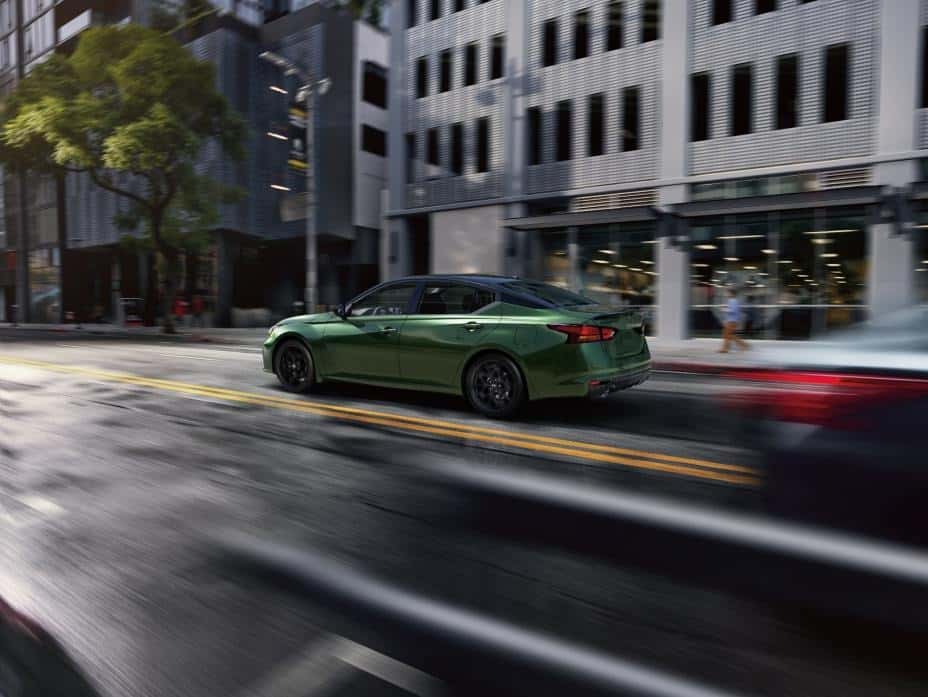
Which Nissan Altima years are best?
There is no single perfect Altima year. The best choice is usually a car with a strong maintenance history, a clean inspection, and a fair price.
Newer Altima models
The current-generation Altima, introduced for the 2019 model year, offers a modern cabin, updated safety technology, and available all-wheel drive. Its four-cylinder engine is generally the more conservative choice for buyers who want lower fuel use and simpler ownership.
The available turbocharged engine adds power, but it can also bring more complexity. A buyer should compare insurance costs, fuel needs, service records, and expected repair costs before choosing a higher-performance trim.
Mid-2010s models
Mid-2010s Altimas can offer good value, but buyers should be careful with transmission history. Ask whether the CVT fluid was serviced at the correct interval and whether the transmission has ever been replaced or repaired.
A service record from a Nissan dealer is helpful, but independent repair records can be just as valuable. Receipts, inspection reports, and consistent mileage entries are stronger evidence than a seller’s verbal promise.
Older Altima models
Older Altimas can be inexpensive to buy, but they often need more repairs. Some model years have higher complaint levels involving CVTs, oil use, braking parts, or electrical systems.
Before buying an older Altima, set aside an emergency repair fund. A low purchase price does not protect you from a costly transmission, engine, or suspension repair.
How to research a specific year
Use more than one source. Government recall records, owner complaint databases, professional reliability surveys, and repair-cost guides each show a different part of the picture.
Check:
- Open recalls and completed recall work.
- Technical service bulletins.
- Common complaints for that exact year.
- Typical repair costs.
- Crash-test results.
- Maintenance requirements.
- Resale value in your local market.
Reliability ratings are useful, but they are not guarantees. A well-maintained car with average ratings may be safer to buy than a highly rated car with poor care.

Nissan Altima safety and technology
Safety is one reason newer Nissan Altimas remain appealing. Many include automatic emergency braking, forward collision warnings, lane departure warnings, and a rearview camera. Higher trims may add blind-spot monitoring, rear cross-traffic alerts, adaptive cruise control, and parking sensors.
Safety equipment varies by year and trim. Never assume a feature is present because the car has a newer-looking dashboard. Check the window sticker, owner’s manual, or vehicle identification number.
Crash-test results also vary by model year. Organizations such as the National Highway Traffic Safety Administration and the Insurance Institute for Highway Safety publish test results and safety information. Look up the exact year before making a decision.
Driver-assistance systems are helpful, but they do not replace attention. Cameras and sensors can be affected by snow, dirt, heavy rain, or previous body repairs. Make sure warning lights are off and that all systems work during the test drive.
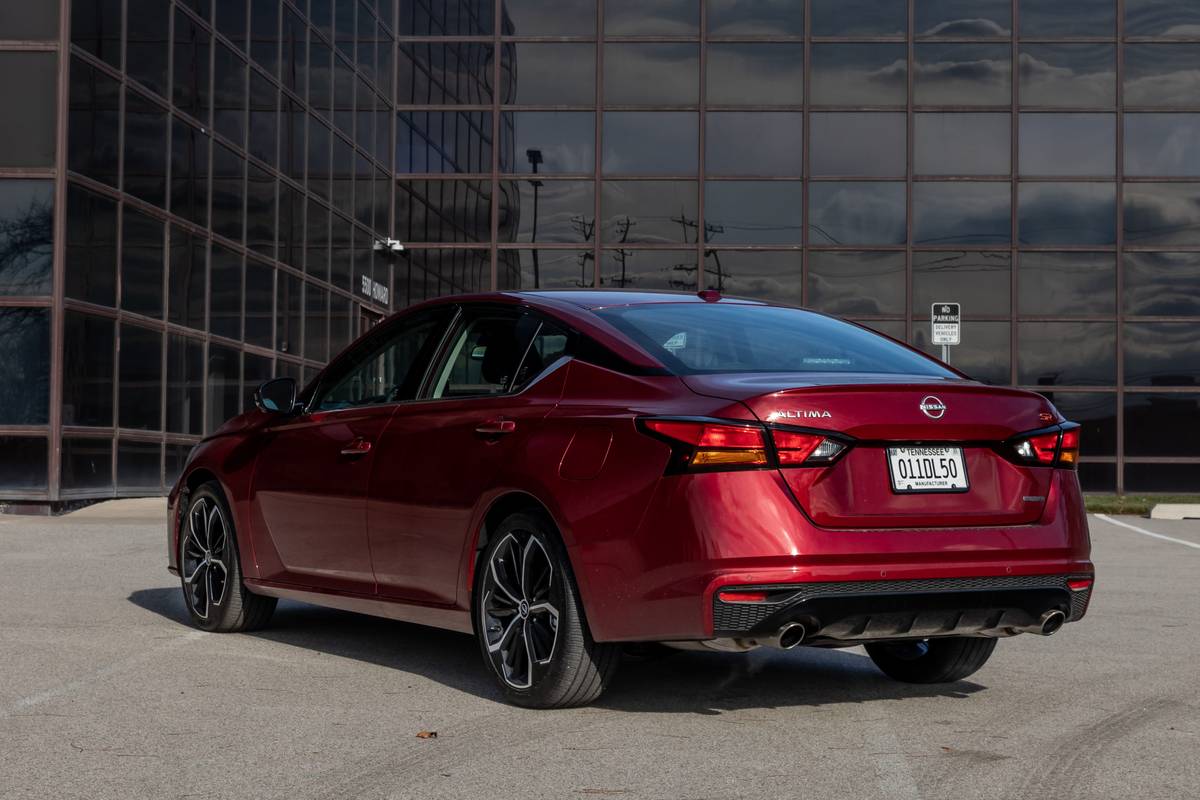
Nissan Altima ownership costs
Are Nissan Altimas good cars for a tight budget? Often, yes. They usually cost less to buy than many competing midsize sedans, and four-cylinder versions can be economical to fuel.
Ownership costs still include more than the monthly payment:
• Insurance
• Fuel
• Tires
• Brakes
• Oil and filter service
• CVT service when required
• Registration and taxes
• Unexpected repairs
A used Altima may look cheaper than a Toyota Camry or Honda Accord. That lower price can be worthwhile, but only if the car passes an inspection and has a clear service history.
The cheapest Altima is not always the best deal. A slightly more expensive car with fewer owners, better tires, complete records, and no warning lights may save you money over time.
Are Nissan Altimas good cars for families?
The Altima can work well for a small family. It has a comfortable rear seat, a useful trunk, and a smooth ride for school runs or road trips.
However, families should test their own child seats before buying. Rear-facing seats can reduce front-seat space, especially for taller adults. Check the LATCH anchors, door opening, trunk space, and ease of loading a stroller.
An SUV may be more convenient for bulky gear, pets, or frequent snowy travel. A sedan can still be the smarter choice if you value lower fuel use, easier handling, and a lower purchase price.
Should you buy a used Nissan Altima?
A used Altima can be a smart buy when the car meets a clear checklist. Never skip the inspection because the vehicle feels smooth during a short drive.
Use this process:
- Get the vehicle identification number and review its history.
- Confirm that the title is clean and the mileage is consistent.
- Search for open recalls.
- Inspect the engine, transmission, tires, brakes, and underside.
- Test the car in city traffic and at highway speed.
- Ask for maintenance records and repair receipts.
- Have an independent mechanic perform a pre-purchase inspection.
- Compare the final price with similar local listings.
One practical lesson from reviewing used-car purchases is that buyers often focus on paint and screens while missing the transmission, tires, and underside. Cosmetic flaws are easy to see. Mechanical neglect can hide until after the sale.
Do not buy a used Altima with a flashing check-engine light, serious transmission symptoms, flood damage, missing service records, or pressure from the seller to skip an inspection.
Nissan Altima versus competing sedans
The Altima is not the only good midsize sedan. Comparing it with similar cars helps you choose based on your priorities.
• Honda Accord: Often praised for its driving feel, cabin space, and strong resale value. Used prices may be higher.
• Toyota Camry: Known for comfort, broad availability, and a strong reputation for reliability. Comparable used examples can cost more.
• Hyundai Sonata: Usually offers many features for the price. Long-term value depends on the model year and powertrain.
• Kia K5: Has a stylish design and good available technology. Check the exact year, engine, warranty status, and insurance cost.
• Subaru Legacy: Offers standard all-wheel drive on many versions. Fuel economy and repair needs vary by engine and year.
The best choice is not always the one with the highest reliability score. It is the one that fits your budget, driving needs, repair comfort, and local service options.
How to make a Nissan Altima last longer
Good maintenance cannot prevent every failure, but it can reduce avoidable problems. Follow the schedule in the owner’s manual and keep receipts for all work.
Helpful habits include:
• Check the engine oil often, especially on an older car.
• Use the correct CVT fluid and service interval.
• Replace worn tires before they damage suspension or safety.
• Fix warning lights instead of clearing them.
• Keep the cooling system in good condition.
• Rotate tires as recommended.
• Inspect the brakes and suspension during routine service.
• Avoid harsh acceleration when the transmission is cold.
• Use a qualified shop familiar with Nissan CVTs.
Maintenance records also protect resale value. A folder of receipts tells the next buyer that you cared for the car and helps a mechanic diagnose future problems.
Frequently Asked Questions
Are Nissan Altimas reliable?
Nissan Altima reliability varies by model year, engine, transmission, and maintenance history. Newer, well-serviced examples can be dependable, while some older cars with neglected CVTs may become expensive to repair.
How many miles can a Nissan Altima last?
A Nissan Altima can reach well over 100,000 miles with proper care, and some reach 200,000 miles. Longevity depends on timely maintenance, driving conditions, rust protection, and whether major repairs were handled early.
Do Nissan Altimas have transmission problems?
Some Altima model years have reported CVT problems, including shuddering, slipping, whining, and loss of power. A careful test drive, service-record review, and independent inspection are especially important for used models.
Is a Nissan Altima expensive to maintain?
Routine Altima maintenance is usually reasonable compared with many midsize sedans. Major engine or CVT repairs can be costly, so buyers should keep an emergency fund and avoid cars with warning signs.
Is the Nissan Altima good in snow?
An Altima with all-wheel drive can provide better traction in snow, but front-wheel-drive versions can also perform well with quality winter tires. Ground clearance remains limited, so the Altima is not intended for deep snow or off-road use.
Is a Nissan Altima better than a Honda Accord or Toyota Camry?
The Altima may offer a lower purchase price and available all-wheel drive. The Accord and Camry often have stronger resale values and reputations for long-term reliability, so compare the exact model year and condition rather than only the badge.
Conclusion
Are Nissan Altimas good cars? Yes, they can be comfortable, efficient, safe, and affordable cars, especially when you choose a newer model with complete maintenance records. The main caution is the CVT, along with age-related engine, suspension, electrical, and rust problems on older examples.
Focus on the exact year, powertrain, inspection results, and ownership history. Test-drive the car in several conditions, check for warning signs, and pay for an independent inspection before you buy. Compare your findings with similar Accord, Camry, Sonata, and K5 models, then choose the vehicle that gives you the most confidence for your money.
If you are shopping for an Altima, use this checklist during your next viewing and share your model year or ownership experience in the comments.