

Yes, Lyft has car seat rides in some U.S. locations, but the service is not available in every city. When available, you can request a Lyft with one forward-facing child safety seat through the app. Lyft drivers do not normally provide a car seat unless the ride is specifically listed as a car seat ride.
The seat is intended for children who meet Lyft’s stated size limits: generally at least 2 years old, 22 to 55 pounds, and 31 to 52 inches tall. It is not designed for infants or rear-facing use.
Availability, fees, and rules can change. Check the Lyft app at the time of booking to see whether the Car Seat ride option appears in your area.


How Lyft’s car seat option works
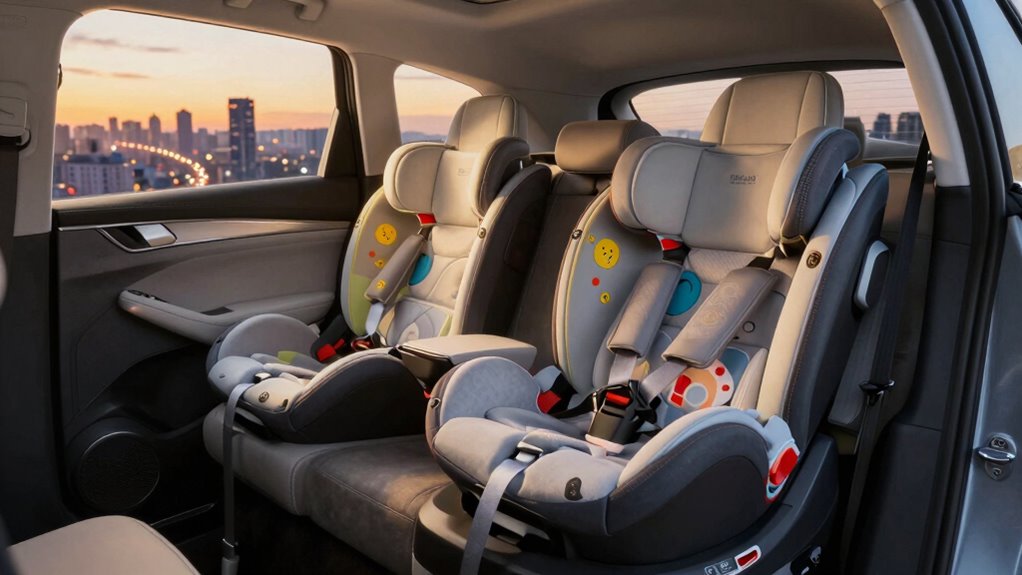
Lyft’s car seat option connects riders with drivers who have an approved forward-facing child seat in the vehicle. In the United States, Lyft has commonly used the IMMI GO seat for this service.
The seat generally includes a five-point harness. It is designed for a child who can safely ride forward-facing and falls within the seat’s height and weight limits.
A car seat ride is different from a normal Lyft ride:
- The option may appear only in select U.S. cities.
- The ride may include an extra fee, often shown before you confirm the trip.
- The driver may have only one child seat.
- The driver usually does not install the seat for you.
- You must place your child in the seat and secure the harness.
- You should inspect the fit before the vehicle moves.
Lyft’s availability page and app are the best sources for current service coverage. A city may offer the feature at one time and remove or limit it later.
What kind of seat does Lyft provide?
Lyft’s car seat program uses a forward-facing harness seat rather than an infant carrier. The commonly listed limits are:
| Requirement | Typical Lyft car seat limit |
|---|---|
| Minimum age | 2 years |
| Weight | 22–55 pounds |
| Height | 31–52 inches |
| Direction | Forward-facing |
| Seat style | Five-point harness |
Treat these figures as service limits, not as a substitute for the car seat maker’s manual. The child must fit the seat correctly, and the seat must suit the child’s stage of development.
How to request a Lyft with a car seat
If the service is available in your area, request it through the Lyft app before confirming the ride.
- Open the Lyft app.
- Enter your pickup location and destination.
- Review the available ride types.
- Select “Car Seat” if it appears.
- Confirm the displayed price and pickup details.
- Tell the driver how many children will ride.
- Wait until the vehicle arrives before bringing your child to the car.
- Check the seat and secure your child yourself.
The exact buttons may differ by app version and location. If you do not see a Car Seat option, do not assume that a regular Lyft driver will have one.
You can message the driver after matching to confirm that the vehicle has the requested seat. This is helpful, but it is not a replacement for checking the seat in person.


What if the car seat option does not appear?
The feature may be unavailable because:
- Your pickup area is outside the service zone.
- No car seat-equipped drivers are available.
- The option is not offered at that time.
- Your app needs an update.
- Lyft has changed local availability.
- You are requesting a ride type or route that does not support the feature.
Do not book a regular Lyft and hope the driver has a suitable seat. Instead, consider bringing your own seat, using a taxi service that confirms child-seat availability, or arranging a private car with a properly installed seat.

Does Lyft provide car seats for babies and infants?
Usually, no. Lyft’s car seat option is for a larger child who can use a forward-facing seat. It is not intended for a newborn, young infant, or child who still needs to ride rear-facing.
The National Highway Traffic Safety Administration recommends keeping children rear-facing as long as possible, within the height and weight limits of the child seat. After that, children move to a forward-facing seat with a harness, then to a booster when they are large enough for the vehicle belt to fit correctly.
That means a family with a baby will usually need to:
- Bring a rear-facing infant or convertible seat.
- Use a private vehicle with the correct seat installed.
- Book a transportation company that supplies an approved infant seat.
- Ask the airline, hotel, or rental-car company about child-seat options when planning a trip.
Never place an infant in Lyft without a suitable rear-facing seat just because the trip is short. A short ride can still involve a serious crash.
Can you bring your own car seat in a Lyft?
Yes. You can bring your own car seat in a Lyft, and this is often the safest choice when your child needs a rear-facing seat or a specific harness system.
Before requesting the ride, check the seat’s size and the vehicle’s space. A large convertible seat may be difficult to install in a small sedan. If you need room for luggage, a stroller, or more than one child seat, an XL vehicle may be more practical, but it does not automatically include a car seat.
When the vehicle arrives:
- Ask the driver to park in a safe place.
- Install the seat according to its manual.
- Use the vehicle belt or lower anchors only as the seat manual allows.
- Check that the seat does not move more than about one inch at the belt path.
- Place the child in the seat and tighten the harness.
- Keep bulky coats and blankets out from under the harness.
- Do not start the trip until the child is properly secured.
A driver may help with luggage, but you remain responsible for installing and using your own child seat correctly.

Is a Lyft car seat safe?
A Lyft car seat can be appropriate when the child fits the seat, the seat is installed correctly, and the harness is adjusted properly. However, Lyft does not remove the parent’s responsibility to check the setup.
Before driving, inspect these points:
- The seat is present and appears intact.
- The seat is secured to the vehicle as required.
- The child meets the seat’s height and weight limits.
- The child sits with their back against the seat.
- The harness is snug and lies flat.
- The chest clip sits at armpit level, if the seat has one.
- The harness straps come from the correct position for forward-facing use.
- The seat is not being used with a thick coat under the harness.


Ask the driver to pause if the seat does not look right. You can cancel the ride if the vehicle or seat is unsuitable. Safety concerns are more important than avoiding a delay.
A Lyft car seat ride also does not guarantee that the vehicle is ideal for every child. Children with special medical, physical, or behavioral needs may require a specific seat or professional guidance.

Lyft car seat rules and U.S. child-restraint laws
Child-seat laws differ by state and sometimes by local rule. They can depend on the child’s age, height, weight, seating position, and the type of vehicle.
Some states treat taxis and transportation network vehicles differently from private cars. That does not mean a child is safest without a car seat. Legal permission and good safety practice are not always the same thing.
Check the following before your trip:
- Your state’s child-passenger safety law.
- The rules where the trip begins and ends.
- Lyft’s current car seat requirements.
- The seat maker’s height and weight limits.
- Whether the child must use a rear-facing seat.
- Whether the vehicle has enough space for your own seat.
The NHTSA child passenger safety guidance explains the general progression from rear-facing seats to forward-facing seats, booster seats, and seat belts. For help with installation, use a certified child passenger safety technician through Safe Kids Worldwide.
Do not rely only on a driver’s statement that a seat is legal. If you are unsure, use your own properly fitted seat or ask a qualified child passenger safety technician.
Lyft car seat versus bringing your own
The right choice depends on your child’s age, size, and travel needs.
| Situation | Best practical choice |
|---|---|
| Child is an infant | Bring a rear-facing seat or arrange a specialist service |
| Child needs rear-facing travel | Bring your own convertible seat |
| Child fits Lyft’s forward-facing limits | Check whether Car Seat appears in the app |
| More than one child needs a seat | Bring the needed seats or arrange another vehicle |
| You need a booster seat | Confirm the service and local rules; Lyft’s listed seat may not be a booster |
| Long trip with luggage | Consider a larger vehicle or private transport |
| Airport trip | Confirm the pickup area and seat availability before travel |
A Lyft car seat ride can be convenient for an eligible child, but it may not solve every family’s transportation need. Bringing your own seat gives you more control over fit, direction, cleanliness, and compatibility.
Common mistakes to avoid
Parents often run into problems when they assume a normal Lyft includes child equipment. These mistakes are easy to prevent:
- Booking a regular Lyft and expecting a seat: Only request the dedicated option when it is shown.
- Using the Lyft seat for an infant: The available seat is generally forward-facing.
- Skipping the size check: Confirm age, height, and weight before booking.
- Assuming the driver will install your seat: Plan to install it yourself.
- Forgetting a second seat: One Lyft car seat may not cover multiple children.
- Ignoring the displayed fee: Review the fare before confirming.
- Relying on local legal exemptions: A legal exemption may not provide adequate protection.
- Leaving a child unrestrained for a short trip: Crash risk does not depend on trip length.
- Failing to check the vehicle: A seat can be unsuitable if it is damaged, loose, or incompatible.
If the car seat does not meet your child’s needs, cancel and choose a safer plan.
Frequently asked questions
Does every Lyft have a car seat?
No. Most Lyft vehicles do not come with a child seat. You must request the specific Car Seat option, and it may be available only in selected U.S. locations.
How much does a Lyft with a car seat cost?
Lyft may add a car seat fee to the normal ride price. The amount and availability can change, so check the fare shown in the app before booking.


Can I request two car seats?
Do not assume that you can. The service may provide only one seat per vehicle. If two children need restraints, bring your own additional seat or arrange transportation that confirms multiple seats.
Can my child use the Lyft car seat rear-facing?
Generally, no. Lyft’s commonly listed car seat is forward-facing. A child who still needs to ride rear-facing should use a suitable seat that you provide.
Does the Lyft driver install the car seat?
You should expect to install and adjust the seat yourself. Drivers may not be trained or required to install your personal child seat.
Can I use Lyft without a car seat for a child?
That depends on local law and the child’s needs, but skipping a suitable restraint is not a safe plan. For the safest trip, use a correctly fitted child seat that matches the child’s age, size, and development.
Bottom line
Lyft does have car seats in select U.S. markets, but the service is limited and usually provides only one forward-facing seat for an eligible child. It is not a solution for infants or children who must ride rear-facing.
Before traveling, open the Lyft app, look for the Car Seat option, confirm the fee and seat limits, and check that your child fits the seat. If the option is unavailable or your child needs a different type of restraint, bring your own properly fitted car seat or arrange a transportation service that can confirm the right equipment.
