

For most cars, a 10-by-20-foot storage unit is the safest starting point. It usually gives a standard sedan enough room to park, open the doors, and leave a small amount of space around the vehicle.
A 10-by-15-foot unit may fit a compact car, but the fit can be tight. A large SUV, pickup truck, or long-wheelbase vehicle may need a 10-by-25-foot unit. Always compare your vehicle’s full length and width with the unit’s inside size and door opening before you reserve it.
This guide applies to vehicle storage in the United States. Unit sizes, access rules, insurance requirements, and vehicle policies differ by facility.

Quick Answer: Common Storage Unit Sizes for Cars
Use this table as a starting point, not a guarantee. Storage unit dimensions are often listed as nominal sizes, so the usable space may be slightly smaller.


| Vehicle type | Smallest likely fit | More comfortable choice |
|---|---|---|
| Compact car or small coupe | 10' × 15' | 10' × 20' |
| Sedan or midsize car | 10' × 20' | 10' × 20' |
| Large sedan or wagon | 10' × 20' | 10' × 25' |
| Small SUV or crossover | 10' × 20' | 10' × 25' |
| Full-size SUV | 10' × 25' | 10' × 25' |
| Pickup truck | 10' × 20' | 10' × 25' |
| Long-bed pickup truck | 10' × 25' | 10' × 30' |
| Classic car with parts or supplies | 10' × 20' | 10' × 25' or larger |
A 10-foot-wide unit may leave only a small gap on each side of a wide vehicle. That can make it hard to open the doors or walk around the car.
For many owners, the best balance is simple: choose a 10-by-20-foot unit for a normal car and a 10-by-25-foot unit for a large SUV, truck, or extra gear.

How to Choose the Right Storage Unit Size
The right size depends on more than the vehicle’s name. Measure the car, check the unit’s door, and decide whether you need room for anything besides the vehicle.
1. Measure the vehicle
Find the vehicle’s actual:
- Overall length
- Overall width
- Height
- Width with mirrors, if they cannot fold
- Length with a hitch, spare tire, roof rack, or other equipment
Use the manufacturer’s specifications or measure the vehicle yourself. Measure from the farthest point at the front to the farthest point at the rear.
For width, measure the widest part of the vehicle. Include mirrors if they stay extended. For height, include roof racks, antennas, or other fixed equipment.
2. Compare the measurements with the unit
Do not compare only the vehicle’s length with the unit’s length. You also need to check:
- The interior width
- The door width
- The door height
- The interior height
- Any posts, walls, ramps, or sharp turns
- The driving approach to the unit
A unit may be 10 feet wide inside but have a narrower roll-up door. If the vehicle barely fits through the door, parking it can be difficult or unsafe.
3. Add room for access
A vehicle can physically fit in a unit and still be too tight to use well. Leave room to:


- Open at least one or two doors
- Walk around the vehicle
- Inspect the tires and battery
- Place a cover on the car
- Reach the front and rear of the vehicle
- Remove belongings without scraping the paint
If you plan to store boxes beside the car, you need more than a vehicle-only fit. In that case, a wider or longer unit may save time and reduce damage risk.
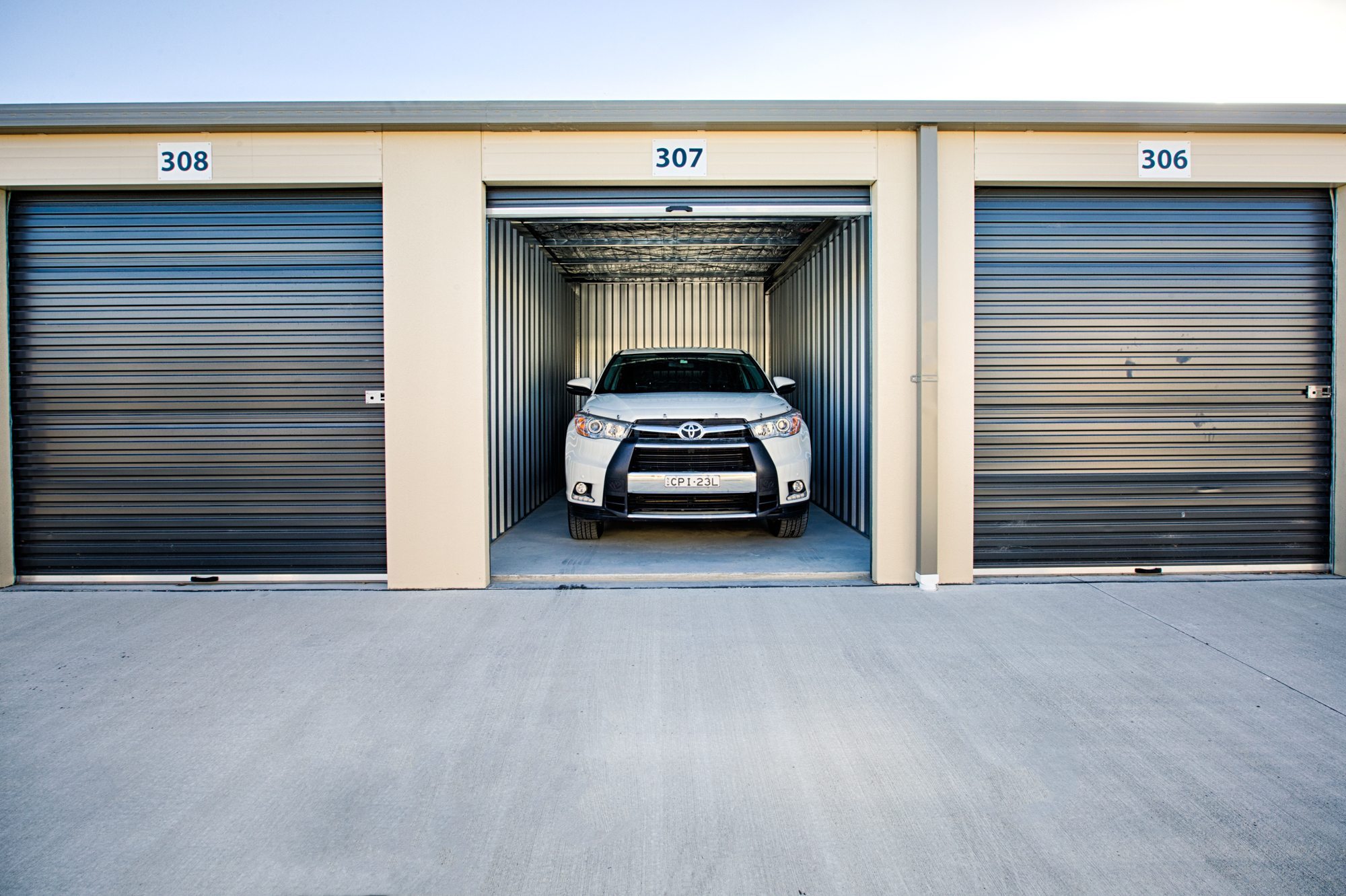
Is a 10-by-15 Storage Unit Big Enough for a Car?
A 10-by-15-foot unit can fit some compact cars, but it is not the best choice for every vehicle. It may work for a short coupe, compact sedan, or small hatchback when the unit has a wide door and a clear approach.
The length is the main concern. A 15-foot unit leaves little room at the front and rear once the car is parked. You may also have trouble walking around the vehicle or placing a battery charger where it is allowed.
A 10-by-15-foot unit may be suitable when:
- The car is shorter than about 14 feet
- You do not need storage space beside it
- The door is wide enough
- The facility confirms the vehicle is allowed
- You can park straight into the unit
Ask the facility for the usable interior dimensions, not just the advertised size. A compact car may fit, but a midsize sedan, SUV, or pickup usually deserves a 10-by-20-foot unit.

Is a 10-by-20 Storage Unit Big Enough for a Car?
For most standard cars, a 10-by-20-foot storage unit is the most practical choice. It generally provides enough length for a sedan, coupe, crossover, or many pickup trucks.
A 10-by-20 unit may also leave room for a few narrow shelves or storage bins. However, it may not provide a comfortable walkway around a wide SUV or truck.
This size is often a good fit for:
- Compact and midsize sedans
- Many full-size sedans
- Coupes
- Small crossovers
- Some SUVs
- Many standard-bed pickup trucks
Before booking, confirm the vehicle’s length. Some large SUVs and crew-cab trucks can approach or exceed 20 feet when measured with accessories. A long vehicle may fit only if parked very close to the front or rear wall, which reduces access and increases the chance of contact damage.
When Do You Need a 10-by-25 Storage Unit?
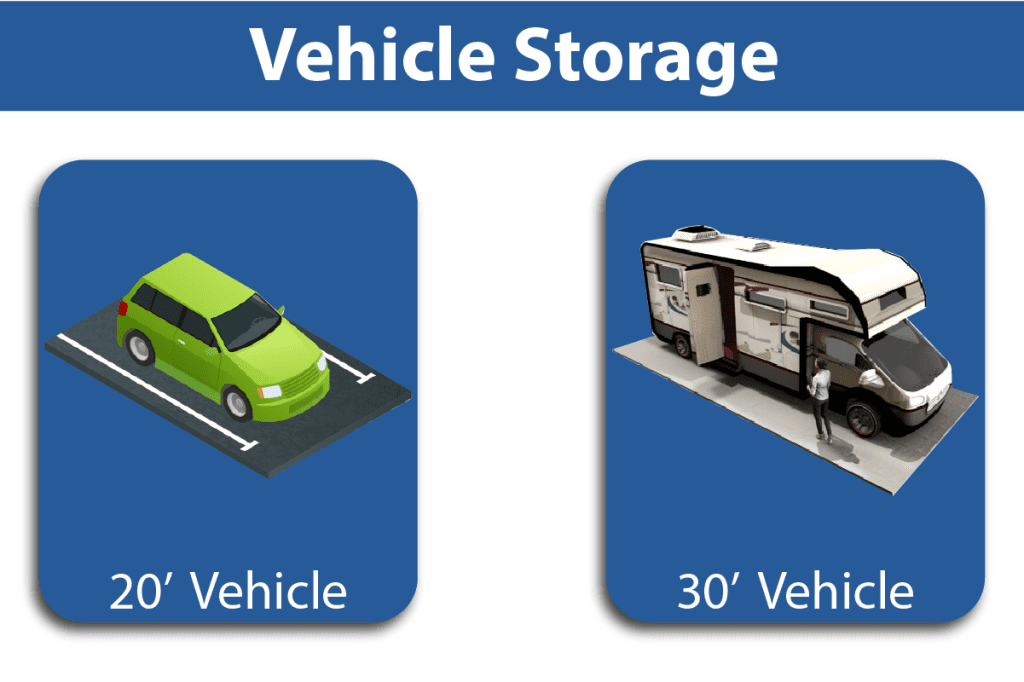
Choose a 10-by-25-foot unit when the vehicle is long, wide, or stored with equipment. The extra five feet can make a major difference for full-size SUVs, long-bed trucks, vans, and vehicles with racks or hitches.
This size is also useful if you want room for:
- Tires and spare parts
- A workbench
- Moving boxes
- Seasonal equipment
- A motorcycle
- Car care supplies
- A small trailer, if the facility permits it


A 10-by-25 unit does not automatically provide enough width for a large vehicle plus storage. A 10-foot-wide unit can still feel narrow. If you need a clear walkway or want to store items beside the car, ask whether a wider unit is available.
For a long-bed pickup or a vehicle with a trailer attached, measure the complete combination. Some facilities do not allow trailers, tow vehicles, or repairs inside storage units.

Indoor, Drive-Up, and Outdoor Vehicle Storage
The type of storage changes the size and access requirements.
Indoor storage units
An indoor unit protects the vehicle from direct sun, rain, snow, and some airborne debris. But indoor units may have narrower doors, lower ceilings, or tight hallways.
Check:
- Door width and height
- Building clearance
- Turning space
- Whether the vehicle can reach the unit
- Whether the facility permits indoor vehicle storage
Drive-up storage units
A drive-up unit lets you pull close to the door. This can make loading easier and may work well for a car or truck.
Check the approach carefully. A narrow lane, sharp turn, sloped pavement, or nearby unit door can make parking difficult even when the unit itself is large enough.
Outdoor vehicle storage
Outdoor spaces may be designed for cars, boats, RVs, or trailers. They are often easier to access but provide less protection from weather and sun.
Ask whether the space is:
- Covered or uncovered
- Enclosed or open
- Assigned or first-come, first-served
- Behind a gate
- Large enough for your vehicle and mirrors
- Available for long-term parking
Outdoor storage may be the better choice for a large truck or recreational vehicle. It is not the same as a fully enclosed storage unit, so plan for weather protection and security based on the facility’s design.

What to Check Before Renting a Car Storage Unit
Confirm the following details with the facility before signing a lease.
Vehicle rules
Many storage facilities have rules for stored vehicles. The lease may require that the vehicle:
- Be registered
- Be insured
- Be operable
- Have current plates
- Remain locked
- Have limited fuel
- Not leak fluids
- Not be used for repairs or living
Rules vary by state, facility, and insurance policy. Read the lease instead of relying on a general size chart.
Door size and clearance
Ask for the exact door dimensions. A vehicle can fit inside the unit but fail to fit through the entrance because of mirrors, roof racks, or a tall body.


Also check the height of the building entrance if you use an indoor facility. A unit’s interior height does not help if the main entrance is lower.
Access hours
Some facilities provide access only during set hours. Others offer extended or gated access. If you plan to use the car often, confirm:
- Gate hours
- Unit access hours
- Holiday restrictions
- Required access codes
- Whether staff must approve vehicle access
Insurance
Your regular auto policy may cover a stored vehicle, but coverage depends on the policy and the storage location. The facility’s insurance is not automatically a replacement for your own coverage.
Ask your insurer whether the car remains covered while stored. Then ask the storage facility whether it requires proof of insurance or offers separate tenant protection.
Moisture and ventilation
A sealed unit can protect against outside weather but may trap moisture. Ask whether the unit is ventilated and whether the facility has rules about covers, battery tenders, or moisture-control products.
Do not block vents, place unsafe electrical equipment inside the unit, or use a device that the facility does not approve.

How to Prepare a Car for Long-Term Storage
The storage size is only part of the job. Proper preparation can help prevent flat tires, battery drain, odors, and moisture problems.
Before storage:
- Clean and dry the vehicle. Dirt and moisture can damage paint and trim over time.
- Remove food, liquids, and trash. These can attract pests and create odors.
- Check for leaks. A storage facility may reject a vehicle that leaks oil, coolant, or fuel.
- Follow the facility’s fuel rule. Do not assume that a full or empty tank is permitted.
- Inflate the tires to the vehicle maker’s recommended pressure.
- Protect the battery only in a way the facility allows.
- Use a breathable vehicle cover if appropriate. Avoid trapping moisture under a wet or non-breathable cover.
- Photograph the vehicle. Record its condition, mileage, and existing damage.
- Remove valuables and personal documents.
- Keep keys and access details secure.
Do not run the engine inside a storage unit. Vehicle exhaust contains carbon monoxide, a colorless and dangerous gas. Do not perform fuel, welding, grinding, or other hazardous work in the unit unless the facility expressly provides a legal area for it.

Common Mistakes When Choosing Car Storage
The most common mistake is choosing a unit based only on the vehicle’s length. A good fit must also account for width, height, door clearance, access, and the items you plan to store.
Avoid these errors:
- Booking a 10-by-15 unit for a large sedan
- Ignoring the width of the roll-up door
- Forgetting mirrors, racks, hitches, or spare tires
- Assuming every 10-by-20 unit has the same usable dimensions
- Packing boxes against the vehicle
- Storing fuel or chemicals without checking the lease
- Assuming the facility’s insurance covers the car
- Failing to ask about leaks and registration rules
- Parking too close to the wall for easy access
- Using a charger or electrical device without approval
If you are unsure between two sizes, visit the facility. Ask staff to show you a similar unit, then compare its door and turning space with your vehicle.

A Simple Car Storage Size Calculator
Use this basic method:
Required unit length = vehicle length + front clearance + rear clearance


Required unit width = vehicle width + side clearance + storage space
For example, consider a hypothetical 16-foot sedan that is 6 feet wide:
- Vehicle length: 16 feet
- Front and rear clearance: about 2 feet total
- Vehicle width: 6 feet
- Side access: about 2 feet total
The car would need about 18 feet of length and 8 feet of usable width for a basic fit. A 10-by-20 unit could work, provided the door and facility access are suitable.
This is only a planning estimate. The needed clearance depends on how often you access the vehicle, whether you store items beside it, and the shape of the unit. A 10-by-20 unit may offer enough length but still feel narrow for a wide SUV.

Frequently Asked Questions
Can I store a car in a 5-by-10 storage unit?
Usually, no. A 5-by-10 unit is generally too narrow and too short for a full-size car. It may hold car parts, tires, tools, or personal items, but it is not normally suitable for storing the vehicle itself.
Can I store a car in a storage unit with household items?
Sometimes. You need enough room to keep items from pressing against the car or blocking access. A 10-by-25 unit may work better than a 10-by-20 unit if you need to store boxes, shelving, or equipment with the vehicle.
Is a 10-by-20 storage unit large enough for an SUV?
It may be large enough for a compact or midsize SUV. A full-size SUV may fit better in a 10-by-25 unit, especially if it has a roof rack, running boards, or a rear-mounted spare tire. Check the SUV’s exact length and width.
Can I store a car in an enclosed storage unit?
Some facilities allow it, while others allow only belongings in enclosed units. The lease may also restrict fuel, batteries, repairs, and vehicle access. Get written confirmation from the facility before reserving the unit.
Should I choose a larger unit if I am between sizes?
Usually, yes, if the added cost fits your budget. A little extra space can make it easier to park, inspect, cover, and remove the vehicle. Do not pay for a larger unit without first checking whether the real issue is door width or vehicle access.

Bottom Line: The Best Storage Unit Size for a Car
A 10-by-20-foot storage unit is the usual starting point for a sedan, coupe, crossover, or many standard pickup trucks. A 10-by-15-foot unit may work for a compact car, while a 10-by-25-foot unit is safer for a large SUV, long truck, van, or vehicle stored with equipment.
Before renting, verify the vehicle’s measurements, the unit’s usable dimensions, door clearance, access route, insurance rules, and vehicle restrictions. If the car barely fits on paper, choose a larger option or inspect the unit in person.
The next step is to measure your vehicle, then ask the facility for the exact interior and door dimensions of the unit you plan to rent.
