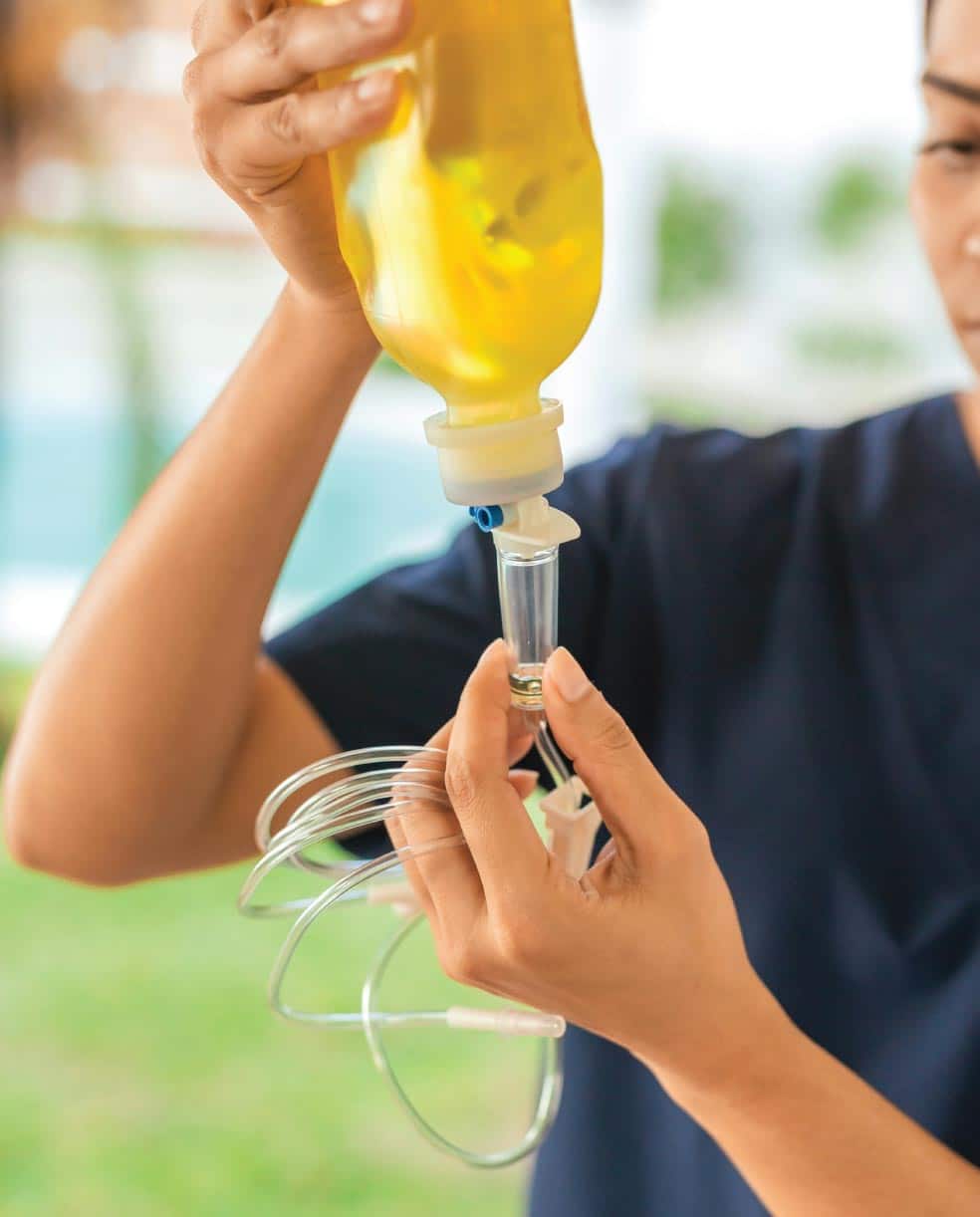
Yes. Many urgent care centers in the United States can give IV fluids, but not every location offers the service. Availability depends on the clinic’s staff, equipment, medical protocols, and your condition.
Urgent care may use an IV, or intravenous line, to give fluids when you are dehydrated from vomiting, diarrhea, fever, heat exposure, or another illness. A clinician must first examine you. Severe dehydration, shock, confusion, chest pain, trouble breathing, or other emergency signs require an emergency department, not routine urgent care.
When Can Urgent Care Give IV Fluids?
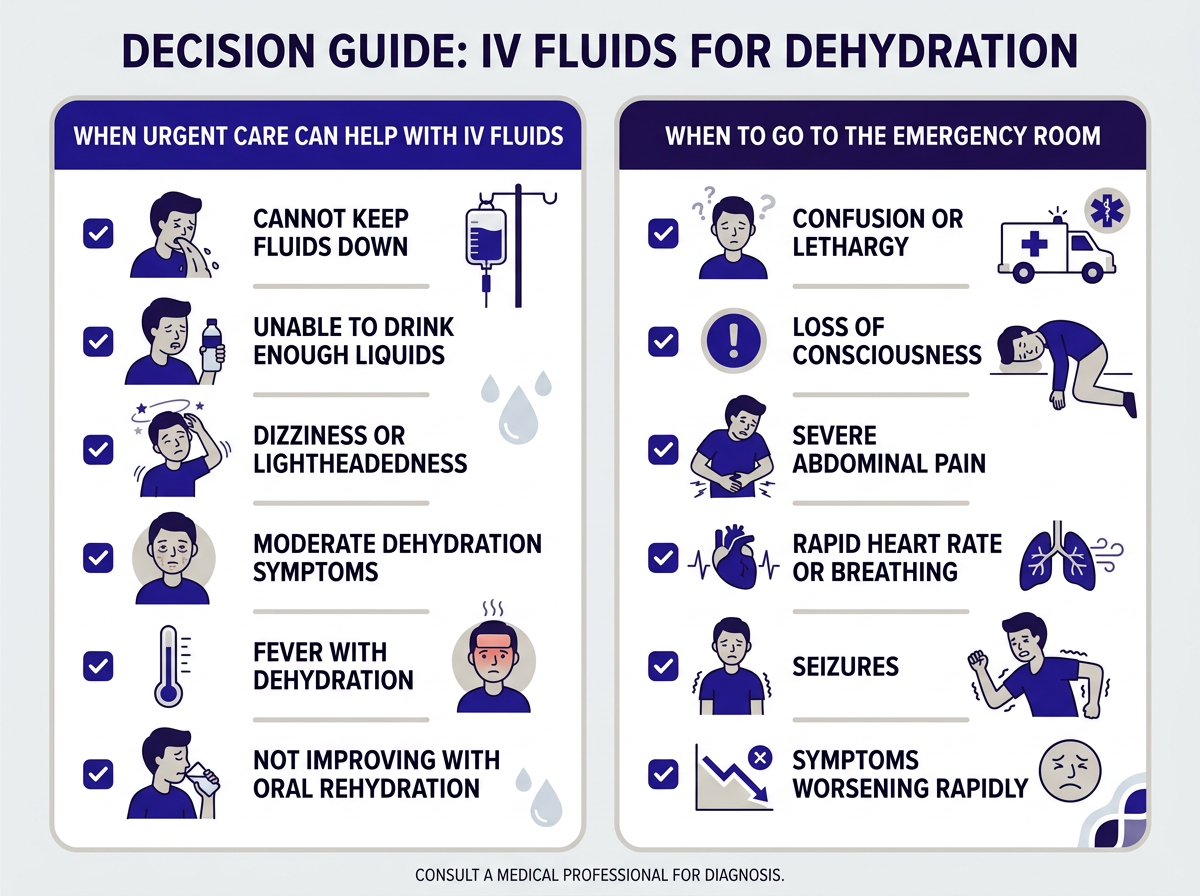
Urgent care may give IV fluids when a patient needs faster rehydration or cannot keep fluids down by mouth. Common examples include:
- Repeated vomiting
- Significant diarrhea
- Dehydration from a stomach virus
- Heat exhaustion
- Mild alcohol-related dehydration, after a medical assessment
- Dehydration linked to fever or infection
- Temporary fluid loss after intense exercise
- Certain migraine or medication-related symptoms, when clinically appropriate
IV fluids do not treat the root cause of every illness. They replace water and electrolytes while the clinician evaluates and treats the underlying problem.
A typical IV fluid contains sterile water with dissolved salts. Common fluids include normal saline and lactated Ringer’s solution. The choice depends on the person’s symptoms, medical history, examination, and test results.
What happens during the visit?
The process often includes:
- A medical assessment: A nurse or clinician checks symptoms, vital signs, hydration status, and medical history.
- A treatment decision: The clinician decides whether oral fluids, IV fluids, medicine, testing, or referral is more suitable.
- IV placement: A small catheter goes into a vein, often in the hand or arm.
- Fluid administration: The IV bag sends fluid into the bloodstream over a set period.
- Reassessment: Staff check whether symptoms and vital signs improve.
- Discharge or referral: You may go home with instructions, receive more treatment, or go to an emergency department.
The visit may also include medicine for nausea, pain, or another diagnosed condition. That depends on the cause of your symptoms and the clinic’s treatment policy.

Do All Urgent Care Centers Offer IV Hydration?
No. IV fluids are not a standard service at every urgent care clinic. Some centers have IV supplies and trained staff. Others provide basic evaluation and oral rehydration but send patients elsewhere if IV treatment is needed.
Before you go, call the clinic and ask:
- Do you provide IV fluids for dehydration?
- Does a clinician need to examine me first?
- Do you treat adults, children, or both?
- Can you evaluate vomiting, diarrhea, or heat illness?
- Do you offer lab tests if needed?
- What should I bring for insurance and medication information?
- Will you refer me to an emergency department if my condition is too serious?
A clinic’s website may list “IV therapy” or “hydration therapy,” but that wording does not always mean it treats every cause of dehydration. Some clinics offer elective hydration services, while others provide IV treatment only when medically indicated.
Urgent Care vs. the Emergency Room for IV Fluids
The right setting depends on how sick you are. Urgent care may be suitable for a stable person with mild or moderate dehydration. The emergency department is safer when dehydration may be severe or part of a life-threatening illness.
| Situation | Usual care setting |
|---|---|
| Mild thirst, dry mouth, or a few loose stools | Home care or primary care |
| Stable vomiting or diarrhea with trouble drinking | Urgent care may be appropriate |
| Severe weakness with very little urine | Emergency department |
| Fainting, confusion, or unusual sleepiness | Emergency department |
| Chest pain or trouble breathing | Call 911 |
| Bloody vomit or stool | Urgent evaluation; emergency care may be needed |
| Severe abdominal pain | Emergency department or urgent evaluation |
| Suspected heat stroke | Call 911 |
| Dehydration in a very young infant or frail older adult | Prompt medical evaluation |
Call 911 for signs of a medical emergency. Do not drive yourself if you are faint, confused, severely weak, or having trouble breathing.
Signs that dehydration may be severe
Warning signs can include:
- Very little or no urine
- Dark urine with worsening weakness
- Dizziness when standing
- Fainting
- Confusion
- Rapid breathing
- A fast heartbeat
- Inability to keep even small sips down
- Cold, pale, or clammy skin
- Extreme sleepiness or difficulty waking
The Centers for Disease Control and Prevention advises urgent attention for serious heat illness symptoms, including confusion, loss of consciousness, and very high body temperature. Heat stroke is an emergency and should be treated by calling 911.

Can You Get IV Fluids for Vomiting or Diarrhea?
You may be able to receive IV fluids for vomiting or diarrhea if you are stable but cannot replace lost fluids by drinking. A clinician may also check for infection, medication effects, pregnancy-related illness, appendicitis, or another cause.
Do not assume that an IV is always the best first step. For many people with mild or moderate fluid loss, small and frequent sips of an oral rehydration solution work well. Oral rehydration solutions contain water, sugar, and salts in proportions that help the intestines absorb fluid.
Try these steps when you are alert and able to drink:
- Take small sips every few minutes.
- Use a commercial oral rehydration solution when vomiting or diarrhea is significant.
- Increase the amount slowly if your stomach accepts it.
- Avoid large amounts of alcohol.
- Seek care if symptoms worsen or you cannot keep fluids down.
Sports drinks may contain too much sugar and too little sodium for some cases of diarrhea. They are not the same as a medical oral rehydration solution.
How Much Do IV Fluids at Urgent Care Cost?
The cost varies widely across the United States. It may include:
- The urgent care evaluation
- The IV administration fee
- The fluid bag and supplies
- Medication given through the IV
- Lab tests
- Imaging
- Your insurance copay, deductible, or coinsurance
An advertised “IV hydration” price may cover only the fluid service. It may not cover the clinician visit or additional testing.
Ask for an estimate before treatment, but do not delay emergency care because of cost concerns. Insurance coverage depends on your plan and whether the service is considered medically necessary. A clinic can explain its billing process, but only your insurer can confirm your benefits.
Are IV Fluids Safe?
IV fluids are generally safe when a qualified clinician selects and monitors the treatment. Still, they are not risk-free.
Possible problems include:
- Pain, bruising, or swelling near the IV site
- Leakage of fluid into nearby tissue
- Vein irritation
- Infection
- Allergic reaction to an added medicine
- Electrolyte changes
- Fluid overload
Fluid overload can be especially dangerous for people with heart failure, kidney disease, or some liver conditions. Tell the clinician about these conditions before receiving treatment. Also mention pregnancy, allergies, current medicines, and any history of difficult IV access.
Pain, redness, warmth, swelling, pus, or worsening tenderness at the IV site after the visit may need medical attention. Seek urgent help for trouble breathing, facial swelling, severe weakness, or chest pain.
What Should You Do Before Going to Urgent Care?
Call the clinic if you are unsure whether it offers IV fluids. Then gather:
- A list of medicines and supplements
- Known allergies
- Insurance information
- A record of when vomiting, diarrhea, fever, or other symptoms began
- The amount you have been able to drink
- The time you last urinated
- Any recent travel, heat exposure, or unusual food exposure
Do not wait for an IV if you have emergency symptoms. Urgent care may not have the equipment or staff needed for advanced monitoring, rapid imaging, blood transfusion, surgery, or intensive treatment.
If you are stable, bring someone to drive you when possible. Dehydration can cause dizziness and fainting, even if you feel able to travel alone.
What If Urgent Care Cannot Give IV Fluids?
If the clinic does not offer IV treatment, the clinician may recommend:
- Oral rehydration at home
- Prescription medicine for nausea
- Testing for infection
- Follow-up with a primary care clinician
- Transfer to an emergency department
A referral is not a failure of urgent care. It means your symptoms may need resources that the clinic does not have. Follow the referral advice, especially if your symptoms are worsening or you cannot drink.
Frequently Asked Questions
Can I ask urgent care for an IV if I feel dehydrated?
You can ask, but the clinician must decide whether IV fluids are appropriate. The evaluation may show that oral rehydration, medicine, testing, or emergency care is safer.
How long does an IV fluid treatment take?
The time varies with the fluid amount, infusion rate, your symptoms, and the clinic’s process. The visit may take longer because staff must assess you before and after treatment.
Can children get IV fluids at urgent care?
Some urgent care centers treat children and can provide IV fluids. Others do not treat young children or do not have pediatric equipment. Call first, especially for infants, children with repeated vomiting, or children who are hard to wake.
Are IV fluids better than drinking water?
Not always. IV fluids work quickly because they enter the bloodstream, but drinking water or an oral rehydration solution is often enough for mild fluid loss. IV treatment is most useful when oral fluids are not tolerated or are not replacing losses adequately.
Can urgent care give IV fluids for a hangover?
Some clinics may offer treatment for dehydration symptoms, but an IV does not remove alcohol from the body or cure alcohol poisoning. Call 911 for confusion, slow or irregular breathing, seizures, repeated vomiting while unconscious, or inability to wake the person.
Key Takeaways
- Many U.S. urgent care centers give IV fluids, but availability varies.
- A clinician should assess you before IV treatment.
- IV fluids may help when vomiting, diarrhea, heat illness, or another problem prevents adequate drinking.
- Mild dehydration often improves with small, frequent sips of an oral rehydration solution.
- Confusion, fainting, very little urine, severe weakness, chest pain, or trouble breathing call for emergency care.
- Call the urgent care center before visiting to confirm its IV services and age limits.
Conclusion
Urgent care can provide IV fluids in many cases, but the service is not available at every location and is not right for every type of dehydration. Call ahead, describe your symptoms clearly, and ask whether the clinic can evaluate and treat your condition.
If you have severe symptoms or may be experiencing heat stroke, shock, or another emergency, go to an emergency department or call 911 instead of waiting for urgent care.
Sources and Evidence
- MedlinePlus: Dehydration, U.S. National Library of Medicine
- CDC: Heat-Related Illnesses, Centers for Disease Control and Prevention
- CDC: About Heat and Your Health, Centers for Disease Control and Prevention
- WHO: Oral Rehydration Salts, World Health Organization
- Merck Manual: Dehydration, professional medical reference