

Introduction
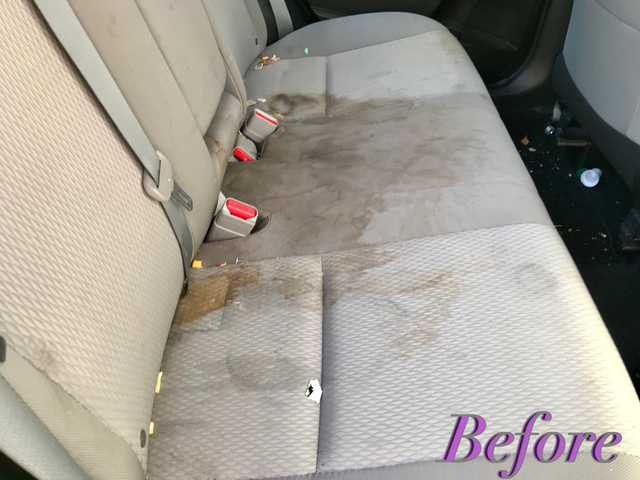
To clean stains from your vehicle’s car seats, first vacuum loose dirt, check the seat material, test a small hidden spot, and use the mildest cleaner that fits the stain. Blot instead of scrubbing, use little water, and let the seat dry fully before driving.
This guide covers cloth, vinyl, and leather seats in cars, trucks, and SUVs in the United States. It also explains what to do with coffee, grease, ink, vomit, milk, food, and water stains.
If you mean a child safety seat, use a different method. Follow the seat maker’s manual. Never use bleach, harsh solvents, or unapproved cleaners on the harness or straps.
Before You Clean the Car Seat
Start by identifying the seat material and the stain. The wrong cleaner can fade cloth, damage leather, or leave a sticky film that attracts more dirt.


Identify the seat material
Most vehicle seats use one of these materials:
- Cloth or fabric: Absorbs liquids and can hold odors.
- Leather: Needs controlled moisture and a leather-safe cleaner.
- Vinyl or synthetic leather: Usually resists spills but may crack or discolor.
- Perforated leather or vinyl: Has tiny holes that can trap liquid below the surface.
- Suede-like or microfiber trim: Needs special care and very little moisture.
Check your owner’s manual if you are unsure. Some seats have coatings that react poorly to household cleaners.
Gather the right supplies
You usually need:
- A vacuum with a soft brush
- Two or three clean microfiber cloths
- A soft-bristle brush
- A small bowl
- Warm water
- Mild dish soap or an automotive interior cleaner
- Leather cleaner and conditioner for finished leather
- Baking soda for odor control
- Cotton swabs for seams and small spots
- A dry towel
Avoid bleach, ammonia, acetone, nail polish remover, strong degreasers, and abrasive scrub pads. These products may harm color, coatings, stitching, or plastic trim.
Protect yourself and the interior
Park in a shaded, well-ventilated place. Open the doors or windows while the seat dries. Wear gloves if the stain may contain bodily fluids, and follow the cleaner label.
Do not spray cleaner near seat belts, electrical controls, airbag covers, or heating and cooling controls. Spray onto a cloth instead.
Check the stain before treating it
Ask three quick questions:
- Is the stain still wet or already dry?
- Is it oily, water-based, protein-based, or ink-based?
- Is the seat cloth, leather, vinyl, or perforated material?
The answer determines the safest cleaning method.


How to Clean Cloth Car Seat Stains
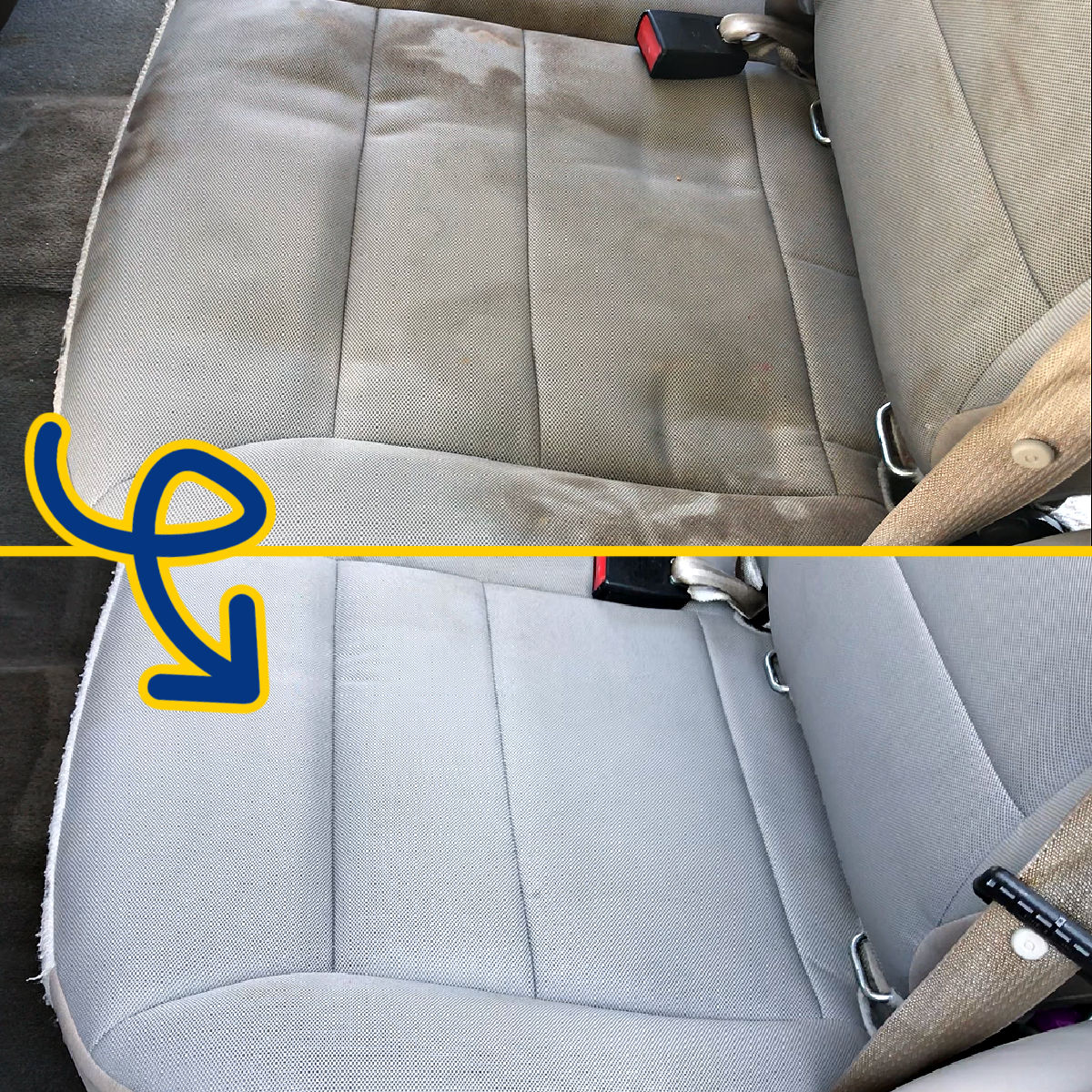
The safest general method for cloth seats is to vacuum first, blot wet stains, apply a small amount of mild cleaner, and dry the fabric quickly.
Step 1: Vacuum the seat
Remove trash and loose debris. Vacuum the seat, seams, cracks, and the area around the stain.
Do not skip this step. Rubbing dirt into damp fabric can turn a small mark into a larger, darker patch.
Step 2: Blot fresh spills
Use a dry microfiber cloth or paper towel. Press down gently to lift the liquid.
Do not rub back and forth. Rubbing can push the spill deeper into the foam and spread the stain.
For a large spill, place a clean towel over the area and press lightly. Replace the towel as it becomes wet.
Step 3: Mix a mild cleaner
for many light stains, mix:
- 2 cups of warm water
- 1 teaspoon of mild dish soap
Stir the mixture. It should be lightly soapy, not thick with suds.
You can also use an automotive fabric cleaner. Follow its label. More cleaner does not mean better cleaning. Extra product can leave residue and attract dirt.
Step 4: Test the cleaner
Apply a small amount to a hidden part of the seat. Wait several minutes, then blot it dry.
Check for:
- Color transfer
- Fading
- Bleeding
- A rough texture
- A visible water ring
If the material changes, stop and use a cleaner made for that seat type.
Step 5: Treat the stain
Dip a soft brush or cloth into the cleaner. Wring it out well. The cloth should be damp, not wet.
Work from the outside of the stain toward the center. Use short, gentle strokes. This helps keep the mark from spreading.


For a stubborn spot, let the cleaner sit for a few minutes if the product label allows it. Do not let the seat become soaked.
Step 6: Remove soap residue
Dampen a fresh cloth with clean water. Wring it out, then blot the cleaned area.
Repeat with a clean part of the cloth until no soapy feel remains. Soap left in the fabric can attract dust and make the area look dirty again.
Step 7: Dry the seat
Press a dry towel over the area. Leave the doors or windows open until the seat is fully dry.
Do not use high heat on the seat. A hair dryer held too close can damage fabric, adhesives, plastic, or foam.
How to Remove Common Car Seat Stains
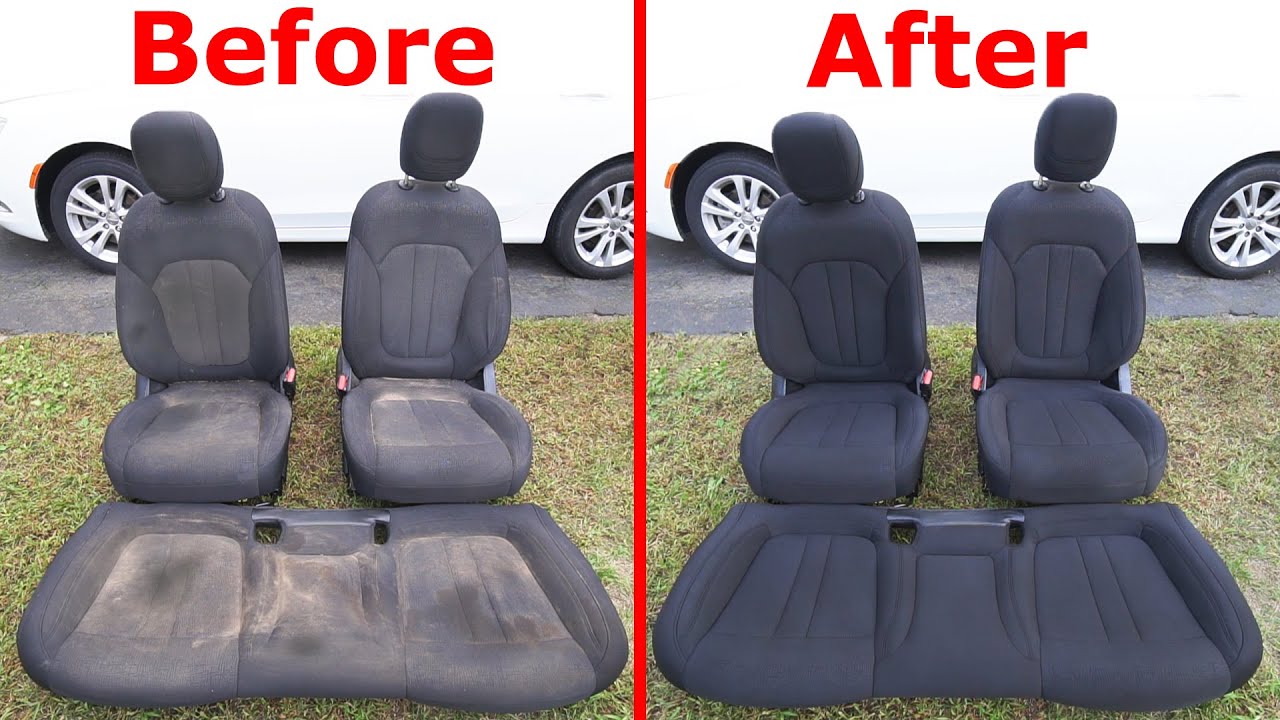
Different stains need different first steps. Treat the stain type, not just its color.
Coffee, tea, and soda
Blot the spill as soon as possible. Then use the mild soap solution described above.
Sugary drinks need careful rinsing because sticky residue can remain after the color fades. Blot with a clean, damp cloth, then dry the seat well.
For old coffee stains, repeat the mild treatment instead of using a stronger chemical. Several light treatments are safer than one aggressive treatment.
Grease, oil, and greasy food
Remove solid food with a spoon or dull card. Do not press it deeper into the fabric.
Apply a small amount of mild dish soap to a damp cloth. Dish soap can help break down fresh grease. Work slowly, then blot with a clean damp cloth to remove the soap.
Do not pour soap directly onto the seat. Too much moisture may carry grease deeper into the cushion.
Milk, formula, and other dairy spills
Milk can leave a sour odor when it reaches the seat foam. Blot the spill first. Clean the surface with mild soap and water, then remove residue with a clean damp cloth.
If the odor returns after the surface dries, liquid may have reached the foam. In that case, repeated surface cleaning may not solve the problem. A professional interior cleaner may need to extract the cushion.
Vomit and other biological stains
Wear gloves and remove solid material with paper towels or a disposable scraper. Seal waste in a bag.


Clean the surface with mild soap and water. For disinfection, use only a product that is labeled for the specific material and follow its directions. Some disinfectants can discolor upholstery or damage coatings.
Do not mix cleaners. In particular, never mix bleach with ammonia or other household products.
If the stain reached deep into the foam, professional cleaning may be the safest way to remove the odor.
Ink and marker
Ink can spread quickly. Blot the edge of the mark with a clean cloth and stop if color transfers.
Do not use rubbing alcohol, acetone, or nail polish remover without checking the seat maker’s instructions. These solvents may remove dye or damage synthetic materials.
A professional detailer is often a better choice for a large ink stain or a mark on light-colored upholstery.
Mud and dirt
Let thick mud dry first. Vacuum the loose dirt, then use a damp cloth and mild cleaner.
Cleaning wet mud at once can push soil into the fabric. For deep dirt in seams, use a soft brush and vacuum again after the seat dries.
Blood
Use cold water rather than hot water. Heat can make protein-based stains harder to remove.
Blot with a cloth dampened with cold water. If needed, use a small amount of mild soap. Test any stain remover first, and do not use a product that may damage the seat color.
Water rings
Water rings often form when one small area gets wet and dries unevenly. Lightly dampen the whole fabric panel with a barely damp cloth, then blot it evenly.
Do not soak the cushion. If the ring remains, the seat may need controlled extraction by a professional.
How to Clean Leather Car Seat Stains
Leather seats need less water than cloth seats. Wipe spills quickly, use a leather-safe cleaner, and protect the surface after cleaning if the manufacturer permits it.
- Vacuum dust from seams with a soft brush.
- Blot spills with a dry microfiber cloth.
- Put leather cleaner on a cloth, not directly on the seat.
- Wipe a small area with light pressure.
- Use a separate damp cloth to remove residue if the product instructions call for it.
- Dry the surface with a clean towel.
- Apply a compatible leather conditioner only if the seat maker recommends one.
Do not use household oils, furniture polish, or abrasive cleaners. They may leave a greasy film, weaken the finish, or make the seat slippery.


Perforated leather needs extra care. Keep liquid away from the holes. If cleaner enters the perforations, blot it at once and allow the area to dry with good airflow.

How to Clean Vinyl and Synthetic Leather Seats
Vinyl and synthetic leather usually clean well with mild soap and water. Use a soft cloth and avoid harsh rubbing.
Mix a small amount of mild soap with warm water. Dampen a cloth, wipe the stain, and dry the area with another cloth.
For textured vinyl, use a soft brush to reach the grain. Do not use a stiff brush or melamine foam unless the seat maker approves it. These tools can dull or remove the surface finish.
Avoid products that contain strong solvents. They may cause cracking, fading, or a tacky feel.

How to Remove Odors From Car Seats
Cleaning the visible mark may not remove an odor if liquid reached the foam. Start with surface cleaning, then dry the seat fully.
For a mild fabric odor:
- Vacuum the seat.
- Clean the area with mild soap and water.
- Blot away moisture.
- Let the seat dry completely.
- Sprinkle a light layer of baking soda on dry fabric if the material allows it.
- Leave it for several hours or overnight.
- Vacuum it thoroughly.
Do not use baking soda on wet upholstery. It can form a paste that is harder to remove.
Do not spray perfume over the odor. Fragrance can cover the smell for a short time without removing the source.
If an odor returns after two or three careful cleaning attempts, the spill may be inside the foam. A professional detailer may use an extractor or other method suited to the seat material.
When to Use a Professional Car Detailer
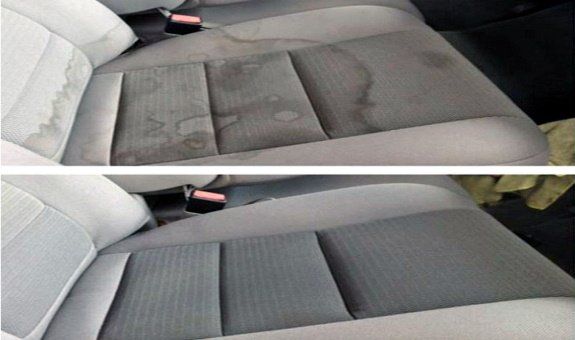
Professional cleaning makes sense when the stain is large, old, deeply absorbed, or linked to a strong odor.
Consider professional help when:
- Liquid reached the seat foam.
- Mold-like growth is visible.
- A child or pet had a major accident.
- The seat has delicate leather or suede-like material.
- The stain is ink, paint, dye, or permanent marker.
- Home cleaning leaves a spreading water ring.
- The seat remains damp or smells sour.
- You are unsure whether the seat contains an airbag or sensitive electrical part.
Ask the detailer what process will be used and whether it is suitable for your seat material. Excess water is not always better. Poor extraction can leave moisture inside the cushion.
Cleaning a Child Car Seat: Important Safety Limits
A child safety seat is not cleaned like a vehicle seat. Its harness, shell, padding, and buckle may each have different instructions.
Before cleaning:
- Read the child restraint manual.
- Check the manufacturer’s cleaning instructions.
- Remove only parts the manual says are removable.
- Use the approved soap and water method.
- Air-dry the cover and harness as directed.


Never machine-wash, bleach, iron, dry-clean, or use harsh chemicals on the harness unless the manufacturer specifically allows it. Do not soak the harness or use products that can weaken its fibers.
Do not use an aftermarket cover or replacement part unless it is approved for that seat. If the restraint was involved in a crash, contact the manufacturer or consult the National Highway Traffic Safety Administration’s child passenger safety guidance. Cleaning does not restore a seat that must be replaced after a crash.

Common Mistakes That Damage Car Seats
Avoid these common cleaning errors:
Using too much water
Water can move a stain into the foam. It can also cause slow drying, odor, mildew, or water rings.
Scrubbing too hard
Hard scrubbing can roughen fabric, spread the stain, and damage leather finish.
Skipping the spot test
A cleaner that works on one seat may fade another. Always test an unseen area first.
Mixing cleaning products
Mixing products can create harmful fumes or damage the material. Use one cleaner at a time.
Using household glass cleaner on leather
Glass cleaner may contain ingredients that dry or dull leather. Use a product made for automotive leather instead.
Cleaning around seat airbag areas
Many vehicles place airbags in the seat back or side area. Avoid soaking seams, labels, wiring, and electrical controls. Consult the vehicle manual when the stain is near an airbag cover.
Driving before the seat dries
A damp seat can develop an odor and may feel cold or clammy. Give it enough airflow to dry all the way through.

A Simple Car Seat Stain Decision Guide
Use this table to choose a starting method.
| Stain or problem | Best first step | Main caution |
|---|---|---|
| Fresh water-based spill | Blot, then use mild soap and water | Do not rub |
| Coffee or soda | Blot, clean, then rinse away residue | Sugar can leave a sticky film |
| Grease or oil | Lift solids, then use a small amount of mild dish soap | Do not soak the cushion |
| Milk or formula | Blot, clean, and dry fully | Odor may remain in foam |
| Ink or marker | Blot the edge and stop if it spreads | Solvents can remove dye |
| Mud | Let it dry, vacuum, then clean | Wet mud can spread |
| Leather stain | Use a leather-safe cleaner on a cloth | Use very little water |
| Strong odor | Clean the source and dry fully | Surface sprays may only mask it |
| Child safety seat stain | Follow the seat manual | Do not treat the harness like upholstery |
The main trade-off is simple: stronger cleaners may work faster, but they also carry a higher risk of fading, residue, or material damage. Start mild and repeat only when needed.

How to Keep Car Seats Clean
Small habits reduce the need for deep cleaning.
- Vacuum the seats and seams each month.
- Clean spills as soon as possible.
- Keep a microfiber cloth and water in the vehicle.
- Use a removable seat cover only when it is safe and compatible.
- Do not leave food or wet clothing on the seat.
- Treat stains before they dry.
- Clean one seat section at a time.
- Keep leather conditioned only as directed by the vehicle maker.
- Check the owner’s manual before using a new interior product.
A quick blot can prevent hours of scrubbing later.
Key Takeaways
- Vacuum before using liquid cleaner.
- Blot stains instead of rubbing them.
- Use the mildest cleaner that fits the material.
- Test every product in a hidden area first.
- Keep cloth and foam as dry as possible.
- Use leather-safe products on leather seats.
- Do not use harsh cleaners on child safety seat harnesses.
- Let the seat dry fully before driving.
- Get professional help when stains reach the foam or odors return.
FAQs
Can I use vinegar to clean car seat stains?
Vinegar may help with some odors, but it is not a universal upholstery cleaner. It can leave an odor and may affect leather finishes or seat coatings. Use a material-safe cleaner first, and check the vehicle manual.
Can I use a carpet cleaner or steam cleaner on car seats?
Only use one if the vehicle or cleaner manufacturer allows it for your seat material. Excess water or heat can damage upholstery, adhesives, foam, leather finish, and electrical parts.
How do I clean a car seat without leaving water marks?
Use very little liquid, clean evenly, remove soap residue with a barely damp cloth, and dry the whole area with airflow. Cleaning only the center of a fabric panel can create a visible ring.
Why does my car seat still smell after cleaning?
The spill may have reached the foam. The surface can look clean while the cushion holds odor. Dry the seat fully, then seek professional extraction if the smell returns.
How often should I clean my car seats?
Vacuum about once a month and clean spills at once. Perform a deeper clean when you see buildup, stains, or odor. Frequent heavy wet cleaning is not necessary and may shorten the life of the upholstery.
Conclusion
The best way to clean car seat stains is to match the method to the stain and the seat material. Start with vacuuming and blotting. Use a small amount of mild cleaner, rinse away residue, and dry the seat completely.
For leather, vinyl, perforated surfaces, or child safety seats, follow the maker’s instructions before using any product. When a stain reaches the foam, spreads, or keeps producing an odor, professional cleaning is safer than repeated soaking at home.
