

Taking care of a car means following the owner’s manual, checking safety items often, fixing small problems early, and adapting care to your U.S. climate and driving habits. The best routine includes oil service, tire checks, fluid checks, brake inspections, battery care, cleaning, and prompt repairs.
A well-kept car is safer, more reliable, and often cheaper to own. You do not need to be a mechanic. You need a simple schedule, a few basic checks, and a clear idea of when to call a professional.
Introduction: Why Regular Car Care Matters
Every car needs routine care, even if it runs well. Engine oil gets dirty. Tires lose air. Brake parts wear down. Road salt, heat, rain, dust, and short trips can also speed up wear.
Your owner’s manual is the main guide for service intervals. The correct schedule depends on the car’s age, mileage, engine, transmission, fuel type, and use. Towing, heavy traffic, very hot or cold weather, dusty roads, and many short trips may count as severe service.


U.S. drivers should also check local rules. Vehicle safety and emissions inspections vary by state and, in some cases, by county. A car can run well and still fail an inspection because of worn tires, weak lights, faulty emissions equipment, or other safety problems.
Follow the Maintenance Schedule
The owner’s manual gives the most accurate service plan for your specific car. Use it as the starting point instead of relying on a fixed rule such as “change the oil every 3,000 miles.”
Most modern vehicles use an oil-life system or specify a longer oil interval. The right interval may change with the type of oil, engine, driving pattern, and climate. Use the oil grade and service interval listed by the vehicle maker.
A typical maintenance schedule may include:
| Service item | What to check or replace | Usual timing |
|---|---|---|
| Engine oil and filter | Oil level, oil condition, and filter | Follow the manual or oil-life monitor |
| Tires | Pressure, tread, damage, and rotation | Check monthly; rotate as listed |
| Brakes | Pads, rotors, fluid, and hardware | Inspect during service or when symptoms appear |
| Engine air filter | Dirt and blockage | Replace as specified or when dirty |
| Cabin air filter | Airflow and odor | Replace as specified |
| Coolant | Level, leaks, and freeze protection | Follow the manual |
| Transmission fluid | Level and condition, where serviceable | Follow the manual |
| Battery | Charge, terminals, and case condition | Inspect at routine service |
| Wiper blades | Cracks and clear wiping | Replace when they streak or skip |
| Belts and hoses | Cracks, swelling, and wear | Inspect during scheduled service |
Keep a service record
Write down the date, mileage, work done, parts used, and the repair shop’s name. Keep digital invoices, too. A clear record helps you avoid missed service and may support the car’s resale value.
A service record can also prevent duplicate work. For example, you may not need another cabin air filter if it was replaced two months ago.
Know the difference between normal and severe use
Your vehicle may need more frequent care if you:
- Drive mostly in stop-and-go traffic.
- Make many trips under 10 miles.
- Tow a trailer or carry heavy loads.
- Drive on dirt, gravel, or dusty roads.
- Live in a very hot, very cold, or coastal area.
- Drive where roads are heavily salted in winter.
- Let the car sit unused for long periods.
Do not change service intervals based on guesswork. Check the severe-service section of the manual or ask a qualified technician.

Check Your Tires Every Month
Tires affect steering, braking, fuel use, and ride comfort. Check all four tires, the spare if you have one, and the tire pressure monitoring system.
Measure pressure when the tires are cold. “Cold” usually means the car has been parked for several hours and has not been driven far. Use the pressure shown on the driver’s door-jamb label or in the owner’s manual.
Do not use the maximum pressure printed on the tire sidewall as the normal target.

Inspect each tire for:
- Low pressure.
- Uneven tread wear.
- Cracks, bulges, or cuts.
- Nails, screws, or other objects.
- Tread that is close to the wear bars.
- Vibration or pulling while driving.
The tire pressure warning light is useful, but it is not a replacement for a monthly check. A slow leak may not trigger the light right away.
Rotate and replace tires correctly
Rotate tires at the interval listed by the vehicle maker or tire maker. Some vehicles use different tire sizes front and rear, and some tires cannot be rotated in every direction. Follow the specified pattern.
Replace a tire when it has serious damage, repeated air loss, exposed cords, or very little tread. Federal rules generally treat 2/32 inch of tread as the minimum legal limit, but wet-road grip can decline before that point. Your state may also have additional inspection rules.
If you buy only two tires, ask a tire professional where they should go. On many vehicles, the newer tires are placed on the rear axle to help reduce the risk of oversteer on wet roads. The correct choice can depend on the vehicle and tire setup.

Check Engine Oil and Other Fluids
Fluids help control heat, reduce friction, transfer power, and protect parts from corrosion. Check them on level ground and follow the instructions in the owner’s manual.
Engine oil
Check the oil level when the engine is parked as directed by the manufacturer. Some cars require a few minutes of waiting after shutdown. Others use an electronic oil-level display instead of a dipstick.
If the oil is low, add the correct type in small amounts. Do not overfill. Too much oil can harm the engine.
Low oil may point to a leak or oil consumption problem. Look under the car for fresh drops and watch for smoke, burning smells, or a repeated low-oil warning.
Coolant
Never remove a hot radiator cap. Hot coolant can cause severe burns.
Check the coolant reservoir when the engine is cold. The level should sit between the marked lines. Use only the coolant type approved for your vehicle. Mixing incompatible coolants can cause problems.
A low level, sweet smell, visible leak, rising temperature gauge, or repeated need to add coolant requires attention. Stop driving if the engine overheats unless you are moving only far enough to reach a safe location.
Brake fluid
Brake fluid should stay near the marked level. A low level can mean worn brake pads, a leak, or both. Do not simply keep adding fluid without finding the cause.
If the brake pedal feels soft, sinks, or needs more distance to stop, have the vehicle inspected promptly.


Windshield washer fluid
Keep the washer reservoir full with proper washer fluid. Do not use plain water in freezing weather. Choose a winter-rated fluid where temperatures can fall below freezing.

Inspect the Brakes and Learn Warning Signs
Brakes need professional inspection at the first sign of a problem. Do not wait for a grinding sound.
Common warning signs include:
- A brake warning light.
- Grinding, scraping, or repeated squealing.
- A soft or low brake pedal.
- Pulling to one side while braking.
- Steering-wheel vibration during braking.
- A burning smell near a wheel.
- Longer stopping distance.
- A vehicle that moves when it should hold on a hill.
Some brake squeal can come from dust, moisture, or pad material. Still, repeated noise deserves a check. Grinding often means the friction material is gone and metal may be contacting the rotor.
Do not work under a car supported only by a jack. If you lift a vehicle, use the correct jack points and approved jack stands on a firm, level surface. Set the parking brake and follow the manual’s safety instructions.

Care for the Battery and Electrical System
A weak battery can leave you stranded without much warning, especially during very hot or very cold weather. Heat can shorten battery life, while cold temperatures make starting harder.
Inspect the battery for:
- A swollen or cracked case.
- Corrosion on the terminals.
- Loose cable connections.
- Signs of acid leakage.
- Slow engine cranking.
- Flickering lights or repeated electrical faults.
Do not touch a damaged battery. Wear eye protection when working near a battery, and keep sparks and flames away. Many newer vehicles have complex charging systems, battery sensors, or start-stop technology. Ask a professional before disconnecting or replacing the battery if the manual gives special steps.
If you jump-start a car, follow the exact sequence in the owner’s manual. Some vehicles have separate jump points. Incorrect connections can damage electronic systems.

Replace Wipers, Lights, and Filters
Small parts affect visibility, comfort, and safety.
Replace wiper blades when they:
- Leave streaks.
- Skip across the glass.
- Split or crack.
- Squeak during normal use.
Clean the windshield and headlights with products that will not damage the surfaces. Replace burned-out bulbs as soon as possible. Check headlights, brake lights, turn signals, hazard lights, reverse lights, and license-plate lights.
Cabin air filters help reduce dust and improve airflow. A dirty filter may cause weak airflow, window fogging, or extra strain on the blower. The engine air filter affects the air entering the engine and should be changed when the manual calls for it or when inspection shows it is dirty.

Wash and Protect the Car
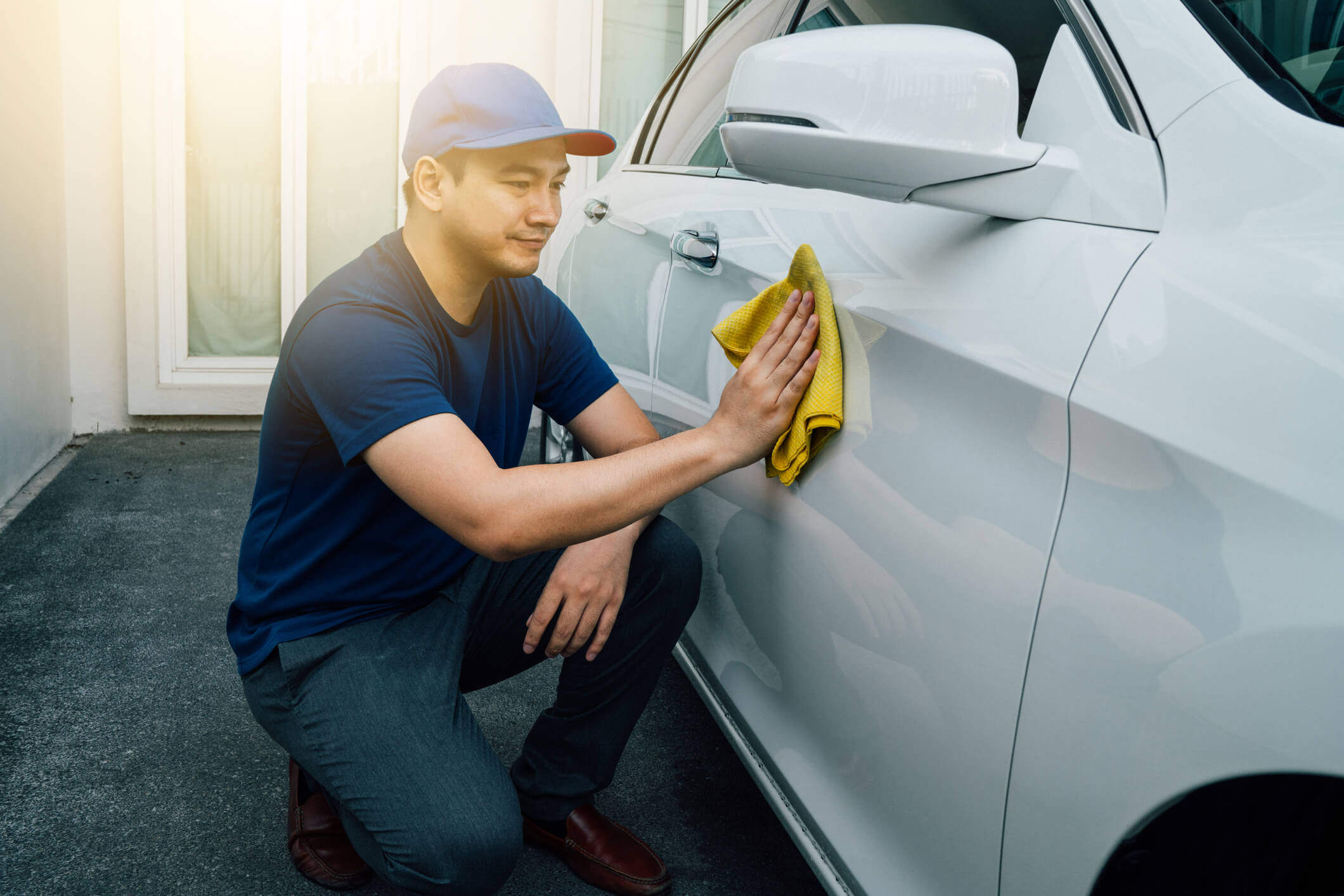
Regular washing removes road salt, grit, bird waste, tree sap, and other material that can damage paint or metal.


Wash more often when you drive on salted winter roads. Pay attention to:
- Wheel wells.
- The underside of the car.
- Door sills.
- Drain holes.
- Areas behind mud flaps.
- The lower edge of doors and fenders.
Use a clean wash mitt and rinse dirt away before rubbing the surface. Dirt trapped in a cloth can scratch clear coat.
Wax or paint sealant is optional. It may help water bead and make cleaning easier, but it does not repair rust or replace washing. Clean spills inside the car quickly. Moisture under floor mats can cause odor, mold, and corrosion.
Avoid using household cleaners on dashboards, touchscreens, leather, or plastic trim unless the product is approved for that surface.

Drive in a Way That Reduces Wear
Good driving habits can reduce stress on the engine, transmission, brakes, tires, and suspension.
To reduce wear:
- Accelerate smoothly.
- Avoid hard braking when traffic allows.
- Slow down before rough roads and speed bumps.
- Do not rest your foot on the brake pedal.
- Avoid holding the car on a hill with the accelerator.
- Use the correct gear or drive mode when towing.
- Keep the tires at the correct pressure.
- Remove heavy items you do not need.
- Let the engine warm through normal driving rather than long idling.
Do not ignore a check-engine light, oil-pressure light, temperature warning, brake warning, or charging-system light. A red warning light often means you should stop as soon as it is safe. A flashing check-engine light can indicate a problem that may damage the catalytic converter.

Prepare for U.S. Weather and Road Conditions
Car care changes with the region.
Winter
Before freezing weather:
- Check the battery.
- Use the correct washer fluid.
- Inspect tires and consider winter tires where conditions require them.
- Check coolant protection.
- Carry an emergency kit.
- Wash salt from the underbody.
Do not pour hot water on an icy windshield. It can crack the glass. Use a proper scraper and defroster.
Summer and extreme heat
Before a long summer trip:
- Check coolant and hoses.
- Inspect the air-conditioning system if it is weak.
- Check tire pressure, including the spare.
- Test the battery and charging system.
- Look for cracked belts and hoses.
Tire pressure rises as tires heat up. Do not release air from a hot tire just because the reading is higher than the cold-door-label number.
Flooded roads and storms
Do not drive through water when you cannot judge its depth. Water can hide road damage, reduce braking, and enter the engine. After driving through deep water, test the brakes gently at low speed when safe.


Use This Simple Car-Care Schedule
A schedule makes maintenance easier to remember.
Each time you drive
Notice warning lights, unusual sounds, new smells, pulling, vibration, and changes in braking or steering.
Once a month
Check tire pressure, tire condition, lights, washer fluid, oil level if applicable, and visible leaks. Look under the hood for loose parts or damaged hoses.
Every few months
Clean the vehicle, inspect wipers, check the battery area, and review your service records. Check the spare tire and emergency kit.
At the mileage or time listed in the manual
Schedule oil service, tire rotation, brake inspection, fluid service, filter replacement, and other required maintenance.
Before a long road trip
Check tires, fluids, lights, brakes, battery, wipers, spare tire, and emergency supplies. Do not start a long trip with a warning light or known mechanical issue.
Common Car-Care Mistakes to Avoid
Changing oil by habit alone
Some cars need service sooner than others. Use the owner’s manual, oil-life monitor, and driving conditions.
Ignoring small leaks
A few drops can become a major loss of oil, coolant, brake fluid, or transmission fluid. Find the fluid before the problem grows.
Using the wrong fluid
Brake fluid, coolant, transmission fluid, and engine oil are not interchangeable. The label must match the vehicle’s requirement.
Checking tires only before a trip
A tire can lose air slowly for weeks. Check pressure at least monthly and before long travel.
Replacing parts without diagnosis
A warning light does not identify one exact failed part. Use a proper diagnostic scan and inspection before buying parts.
Relying only on dashboard warnings
Some problems do not trigger a warning light. Visual checks and scheduled inspections still matter.
Using a jack without support
Never place any part of your body under a car held only by a jack. Use approved jack stands or have the work done by a professional.

When to Call a Mechanic
Get professional help when the problem involves brakes, steering, suspension, airbags, fuel leaks, overheating, high-voltage systems, or a car that is unsafe to drive.
Stop driving and arrange help if you notice:


- Loss of braking power.
- A red oil-pressure or temperature warning.
- Smoke from the engine or wiring.
- A fuel smell or visible fuel leak.
- A flat tire with sidewall damage.
- Severe shaking or steering trouble.
- A flashing check-engine light.
- A high-voltage warning on an electric vehicle.
Choose a repair shop that provides a written estimate and explains the diagnosis. Ask whether the repair uses original-equipment, aftermarket, or rebuilt parts. Keep the invoice and any warranty details.

Caring for a Hybrid or Electric Car
Hybrid and electric vehicles still need tire care, brake checks, lights, wipers, suspension inspections, and cabin-filter service. They may need less engine-oil service, but they are not maintenance-free.
Regenerative braking can reduce use of the friction brakes, but brake parts can still corrode or wear. Tires may wear quickly because of vehicle weight and instant motor torque, so check them often.
Do not service high-voltage components yourself unless you have the required training and equipment. Follow the vehicle maker’s charging, storage, towing, and battery-care instructions.
Key Takeaways
- Use the owner’s manual as the main maintenance guide.
- Check tire pressure and condition every month.
- Check fluids on a level surface and never open a hot radiator cap.
- Fix warning lights, leaks, brake problems, and overheating quickly.
- Wash road salt from the car’s underside.
- Keep service records and prepare the car before long trips.
- Use a qualified technician for safety-critical and high-voltage repairs.
FAQs About Taking Care of a Car
How often should I service my car?
Follow the time and mileage schedule in the owner’s manual. The correct interval depends on the vehicle and driving conditions. Severe use may require more frequent service.
How often should I check tire pressure?
Check tire pressure at least once a month and before long trips. Measure it when the tires are cold, using the pressure listed on the driver’s door-jamb label.
Can I do car maintenance at home?
You can handle simple tasks such as checking tire pressure, adding washer fluid, replacing wipers, checking lights, and inspecting fluid levels. Use a qualified professional for brakes, airbags, steering, suspension, fuel systems, and high-voltage components.
What should I do if the check-engine light comes on?
If the light is steady and the car runs normally, arrange a diagnostic check soon. If it flashes, the car shakes, loses power, overheats, or shows another serious warning, stop driving when safe and request professional help.
Is a car still reliable if it has high mileage?
High mileage does not automatically mean poor reliability. A vehicle with regular service records may be in better condition than a newer car that was neglected. Inspect its maintenance history, condition, rust, tires, brakes, and major systems.
Conclusion
The best way to take care of a car is to follow its service schedule, inspect safety items often, and respond early to changes. Simple habits—correct tire pressure, clean fluids, working lights, regular washing, and good records—can prevent many costly problems.
Start today by checking your tires, lights, oil level, washer fluid, and dashboard warnings. Then review the maintenance schedule in your owner’s manual and book any overdue service.
Sources and Further Reading
- National Highway Traffic Safety Administration: Tire Safety
- National Highway Traffic Safety Administration: Vehicle Safety
- U.S. Environmental Protection Agency: Vehicle Maintenance
- Your vehicle manufacturer’s owner’s manual and maintenance schedule
- Your state’s official vehicle inspection and emissions website

