

Yes, Kia is a good car for many drivers, thanks to its strong value, long warranty, safety, and wide model range.
The answer to “is Kia a good car” depends on the model, year, engine, and how well the vehicle was maintained. Kia has grown from a budget brand into a serious competitor with stylish SUVs, efficient hybrids, useful family cars, and capable electric vehicles. This guide looks at reliability, safety, ownership costs, common problems, resale value, and the Kia models worth considering.
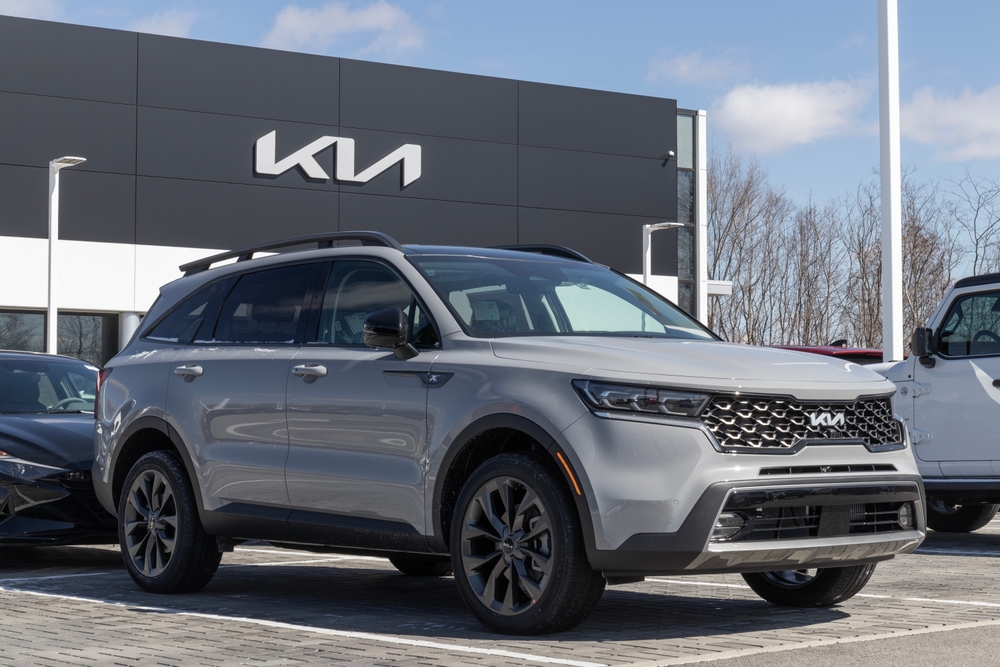
Is Kia a Good Car Overall?
Kia is a good car brand for shoppers who want modern features without paying luxury-brand prices. Its vehicles often include large touchscreens, smartphone integration, driver-assistance tools, and good cabin design even at lower trim levels.
Kia has also improved its reputation over the past two decades. Older Kia cars were often known mainly for low prices. Newer models compete more directly with Toyota, Honda, Hyundai, Mazda, Subaru, and Nissan.
Still, no brand builds only perfect cars. Kia reliability can vary by model, engine, transmission, and production year. A well-maintained Kia with a proven powertrain can be an excellent buy, while a neglected or poorly researched used model can become expensive.
The best answer to “is Kia a good car” is this: Kia is generally a good brand, but buyers should research the exact vehicle rather than relying only on the badge.

Kia Reliability: What Owners Should Know
Reliability means more than avoiding a breakdown. It also includes repair costs, service needs, parts availability, warranty support, and how well a car performs after many miles.
Recent Kia models have earned stronger reliability results than many shoppers expect. Some surveys and dependability studies place Kia near the middle or upper part of the automotive market. However, rankings can change each year, and they often measure different things. One study may focus on problems during the first 90 days, while another may track issues after several years.
Kia reliability often depends on these factors:
• Powertrain design and engine history
• Regular oil and filter changes
• Proper transmission service
• Recall completion
• Driving habits and climate
• Previous owner care
• Whether the vehicle is an early production model
Kia’s factory warranty is one of its biggest advantages. In the United States, many new Kia vehicles come with a 10-year or 100,000-mile limited powertrain warranty for the original owner. The basic warranty is commonly five years or 60,000 miles. Warranty rules can differ for second owners, commercial use, and certain parts, so buyers should read the actual warranty terms.
A long warranty does not prevent every problem. It does, however, reduce the financial risk of major covered repairs. Buyers should also remember that regular maintenance, wear items, and damage are not always covered.
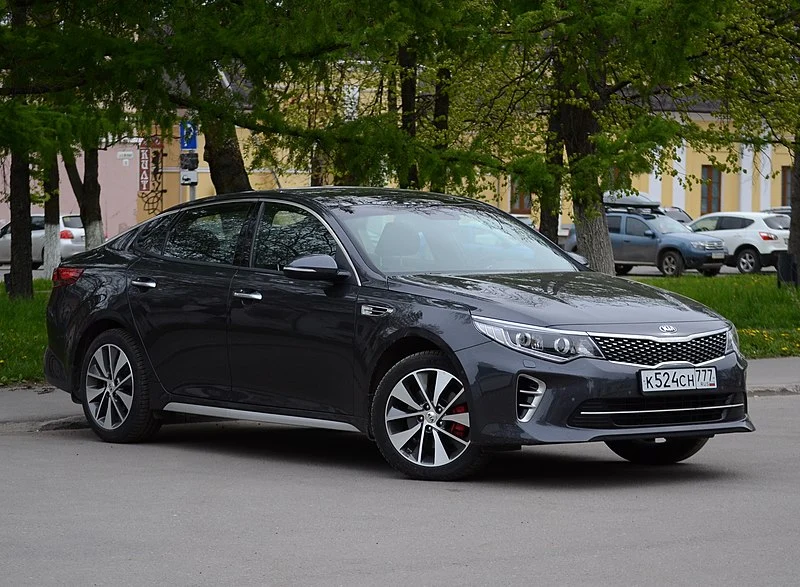
Kia Safety Ratings and Crash Protection
Safety is a major reason many families ask, “is Kia a good car?” Modern Kia vehicles commonly offer a strong list of safety features, even on mid-level trims.
Depending on the model and year, available safety equipment may include:
• Automatic emergency braking
• Forward collision warning
• Lane-keeping assistance
• Lane-centering assistance
• Blind-spot monitoring
• Rear cross-traffic alert
• Adaptive cruise control
• Driver attention warnings
• Safe exit alerts
Crash-test results vary by vehicle. A Kia Sportage, Telluride, Sorento, Forte, K5, EV6, or other model may receive different scores from the National Highway Traffic Safety Administration or the Insurance Institute for Highway Safety. Always check the rating for the exact model year and body style.
Driver assistance is helpful, but it is not self-driving technology. The driver must remain alert and ready to steer or brake. In my experience reviewing vehicle features, the most useful systems are blind-spot alerts, rear cross-traffic warnings, and automatic emergency braking. They help most in busy parking lots and crowded city streets.
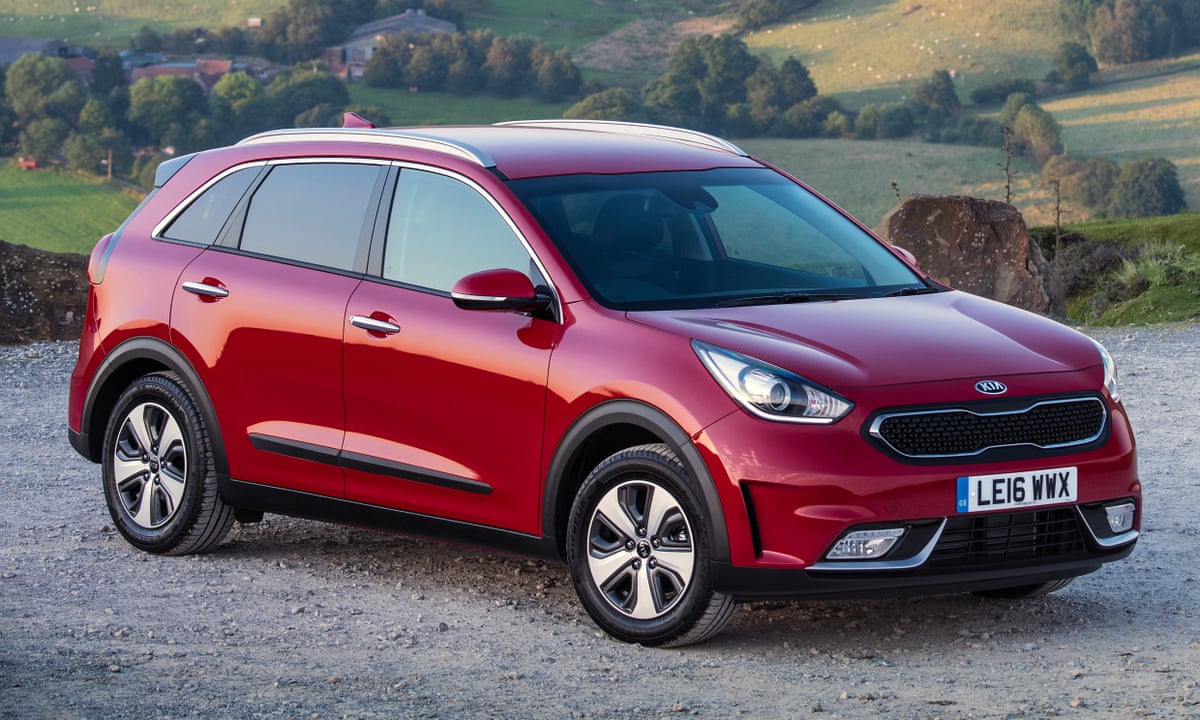
Best Kia Models to Consider
Kia offers cars, SUVs, hybrids, and electric vehicles. The right choice depends on your budget, space needs, driving style, and plans for ownership.
Kia Forte
The Forte is a compact sedan with a low starting price and good fuel economy. It is easy to park and usually costs less to insure than a larger SUV.
Its main strengths include:
• Affordable purchase price
• Simple controls
• Comfortable front seats
• Good fuel economy
• Low cost for basic transportation
The Forte is not the best choice for buyers who need a large back seat or a powerful engine. It also may not provide the same long-term value as a well-known used Toyota Corolla or Honda Civic in every market.
Kia K4
The Kia K4 replaced the Forte in the United States for the 2025 model year. It offers a more modern design, more cabin space, and updated technology.
The K4 is worth considering if you want a compact sedan with current features but do not need an SUV. As with any newer model, long-term reliability data will take time to develop.
Kia Sportage
The Sportage is one of Kia’s strongest all-around choices. It offers a roomy cabin, a useful cargo area, available all-wheel drive, and a comfortable ride.
The Sportage is available with gas, hybrid, and plug-in hybrid powertrains in different model years and markets. The hybrid versions can deliver better fuel economy, but they usually cost more at purchase.
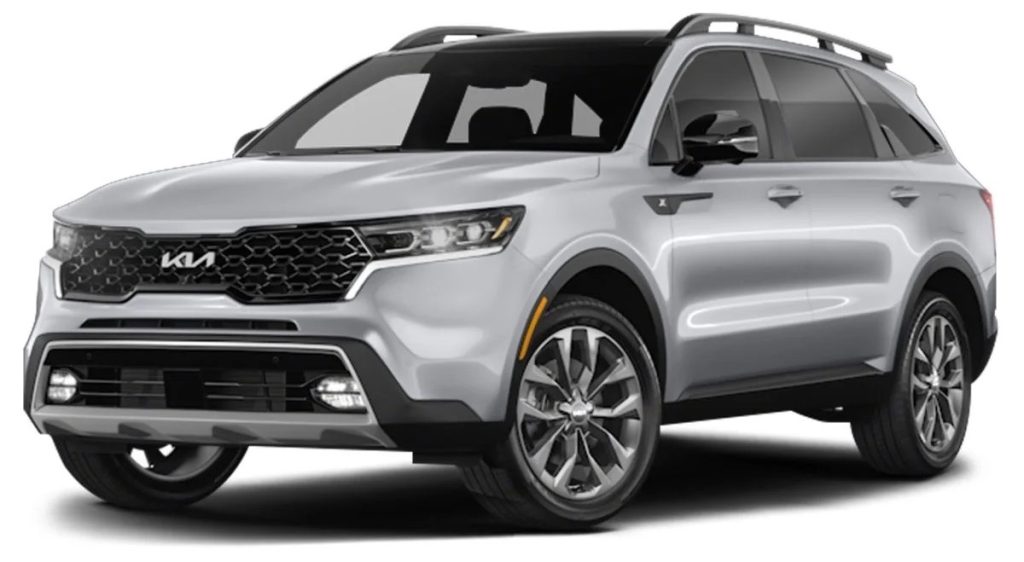
Kia Sorento
The Sorento is a midsize SUV with available three-row seating. It works well for families who need occasional third-row space but do not want a very large SUV.
The third row is best for children or shorter adults. Families who regularly carry seven people may prefer the larger Kia Telluride.
Kia Telluride
The Telluride is a spacious three-row SUV with a quiet cabin, comfortable seats, and strong road manners. It has become popular with families because it feels more expensive than its price suggests.
Its disadvantages include higher fuel costs, a larger body, and higher prices on the used market. The Telluride is a good car for families, but it may be more vehicle than a single driver needs.
Kia Carnival
The Carnival is a minivan designed for families who value space and easy access. Its sliding doors, flexible seats, and large cargo area make daily life easier.
Although it looks like an SUV, it drives more like a minivan. That is a benefit for practical use, but buyers seeking off-road ability or rugged towing should look elsewhere.
Kia EV6
The EV6 is a fast and stylish electric vehicle with quick charging capability and strong driving performance. It can be a good choice for people who have home charging and want an engaging electric car.
Range depends on battery size, drivetrain, wheels, temperature, and driving speed. Cold weather and highway driving can reduce real-world range.
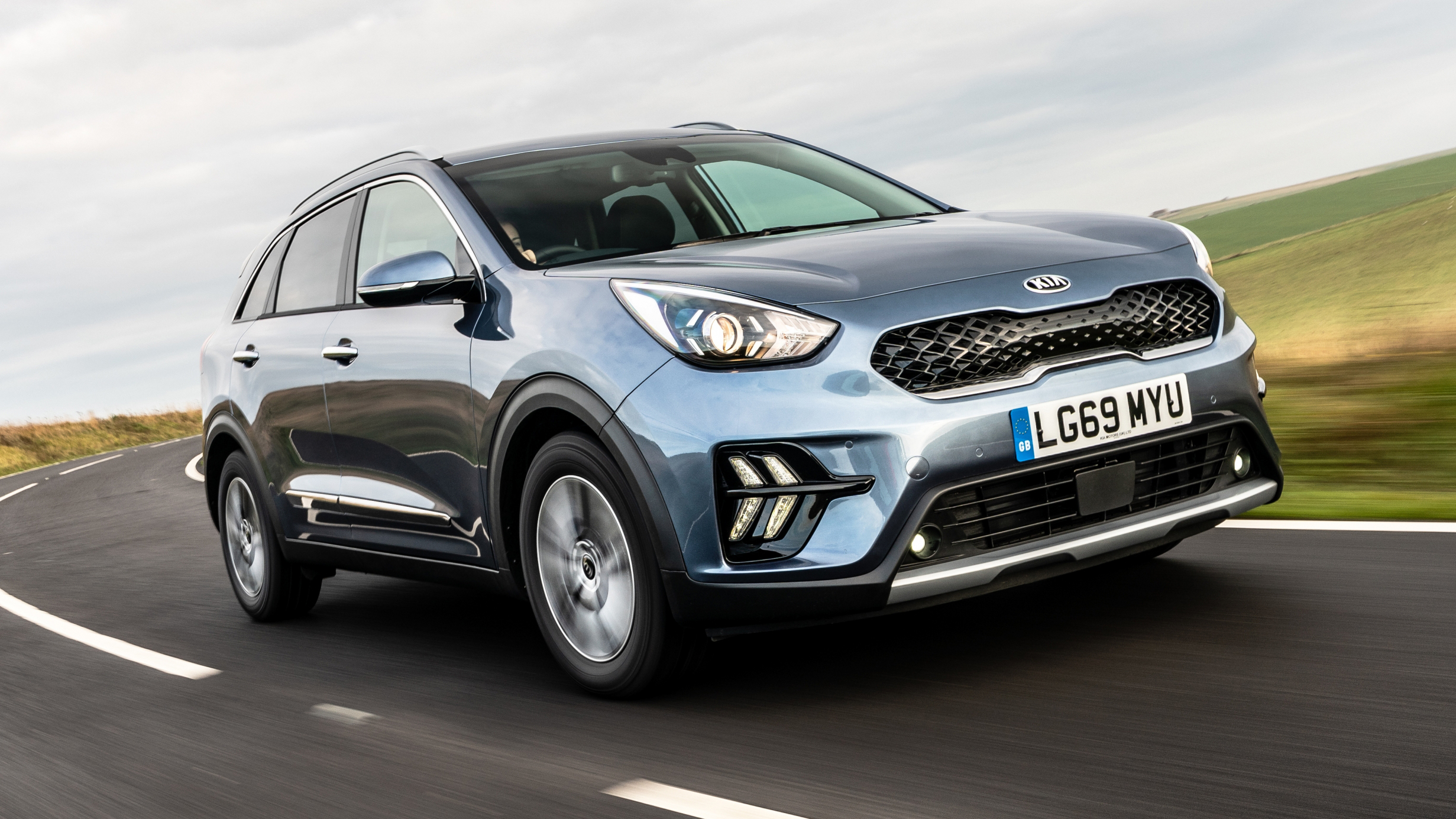
Kia Niro
The Niro is a small crossover available as a hybrid, plug-in hybrid, or electric vehicle in various model years. It focuses on efficiency and easy city driving.
It is a good fit for commuters who want better fuel economy than a standard SUV. It is less suitable for heavy towing or large families.
Kia Fuel Economy and Hybrid Options
Kia offers several ways to reduce fuel use. Traditional gas models are simple to refuel, while hybrids use electric assistance to improve efficiency.
A Kia hybrid can be a good fit if you drive in traffic or cover many city miles. Hybrid systems often save the most fuel during stop-and-go driving because the electric motor helps at low speeds and during acceleration.
Plug-in hybrids can travel a limited distance on electric power before using gasoline. They make the most sense when you can charge at home or work. Without regular charging, the extra purchase cost may not deliver as much value.
Electric models such as the EV6 and EV9 offer quiet driving and quick acceleration. Before buying an electric Kia, check:
• Your daily mileage
• Home charging access
• Public charging options
• Winter temperatures
• Insurance costs
• Battery and charging warranty terms
Fuel economy estimates are useful for comparison, but real results vary. Fast highway driving, heavy cargo, roof racks, cold weather, and aggressive acceleration can all reduce efficiency.
Common Kia Problems and Complaints
The question “is Kia a good car” should include a discussion of possible problems. Some Kia vehicles and engines have faced recalls, software updates, engine concerns, transmission issues, or theft-related insurance problems.
Not every Kia is affected by the same issue. Problems may apply only to certain engines, model years, factories, or production ranges.
Before buying a used Kia, check the following:
• Vehicle identification number recall status
• Maintenance records
• Engine oil change history
• Transmission behavior during a test drive
• Warning lights and stored fault codes
• Signs of accident or flood damage
• Remaining warranty coverage
• Insurance availability and price
Some older Kia and Hyundai models became targets for theft because certain versions lacked electronic immobilizers. The problem led to higher theft risk, insurance changes, software updates, and steering-wheel lock programs in some areas. Buyers should check whether the exact vehicle is affected and confirm that all security updates are complete.
A vehicle history report is helpful, but it is not perfect. A pre-purchase inspection by an independent mechanic is often worth the cost. That inspection can reveal leaks, worn suspension parts, poor repairs, and neglected maintenance that a short test drive may miss.
Kia Maintenance Costs
Kia maintenance costs are often reasonable compared with luxury brands. Parts are widely available, and many independent repair shops know the brand well.
Routine service may include:
• Oil and filter changes
• Tire rotation
• Brake inspection
• Engine air filter replacement
• Cabin air filter replacement
• Coolant service
• Transmission fluid service
• Spark plug replacement
• Battery testing
The service schedule differs by model and engine. Some turbocharged engines, hybrids, and electric vehicles have different requirements from standard gas cars.
One common mistake is assuming that a long warranty means maintenance can be skipped. It cannot. Missing oil changes or using the wrong fluid may lead to a denied warranty claim and costly damage.
Keep receipts, follow the maintenance schedule, and use the correct oil grade. This simple habit protects both the vehicle and its resale value.

Kia Resale Value and Ownership Costs
Kia vehicles often offer strong purchase value, but resale value can vary widely. Some models hold their value well, while others depreciate faster than popular Toyota, Honda, or Subaru models.
Resale value depends on:
• Model popularity
• Mileage
• Condition
• Service history
• Accident records
• Local demand
• Fuel prices
• Warranty transfer rules
• Reputation of the engine and transmission
A lower purchase price does not always mean a lower total cost. Buyers should compare insurance, fuel, repairs, registration, depreciation, and financing interest.
For example, a cheaper Kia may lose more value over five years but cost less to buy. A more expensive rival may hold its value better but require a larger loan. The best choice depends on how long you plan to keep the car.
If you plan to sell within a few years, research local used-car prices before buying. If you plan to keep the Kia for ten years, long-term maintenance and comfort may matter more than resale value.
Kia Versus Toyota, Honda, and Hyundai
Many shoppers compare Kia with Toyota and Honda because all three brands offer practical cars and SUVs.
Toyota often has a strong reputation for long-term durability, efficient hybrids, and high resale values. Honda is known for practical interiors, good driving feel, and broad model appeal. Kia often counters with more standard features, a longer powertrain warranty, and competitive pricing.
Hyundai is Kia’s corporate partner. The brands share some platforms, engines, and technology, but they have different designs, features, dealer networks, and warranties by model.
Here is a simple comparison:
• Choose Kia for strong features, attractive pricing, and a long powertrain warranty.
• Choose Toyota for proven hybrid options, resale value, and broad long-term reputation.
• Choose Honda for practical packaging, driving feel, and strong used-car demand.
• Choose Hyundai when you prefer its design, pricing, or dealer experience.
No brand wins every category. A well-built Kia can be a better purchase than a poorly maintained Toyota. Condition and vehicle history matter greatly in the used market.
Is a Used Kia a Good Car?
A used Kia can be a good car when the model has a solid history and passes an independent inspection. Used prices may be attractive because you get modern features without paying the full new-car price.
The safest approach is to research the exact year. Search for recalls, technical service bulletins, engine concerns, transmission complaints, and common repair costs. Also confirm that the vehicle has the security equipment required by your insurer.
Use this buying process:
Identify the exact trim, engine, and model year.
Check the vehicle identification number for open recalls.
Review a vehicle history report.
Inspect the interior, exterior, tires, brakes, and underbody.
Test the car while cold and after it warms up.
Scan for hidden diagnostic codes.
Get an independent mechanic’s inspection.
Compare insurance quotes before signing.
Review warranty transfer rules.
Negotiate based on repair needs, not just the asking price.
Avoid rushing because a used car looks clean. A shiny exterior can hide poor maintenance. I have seen many buyers focus on paint and technology while overlooking tires, brakes, fluid leaks, and service records. Those basic details often decide whether a used car feels affordable or becomes a money drain.
Kia Warranty: A Major Advantage
Kia’s warranty is one of the brand’s strongest selling points. New-car buyers often receive longer powertrain coverage than they would from many competing brands.
The warranty can help cover major components such as the engine and transmission, subject to exclusions and conditions. It does not cover every repair, and some coverage may not transfer in the same way to later owners.
Before purchasing, ask the dealer:
• What coverage remains?
• Is the warranty transferable?
• Which parts have separate coverage?
• Are there mileage or ownership limits?
• What maintenance records are required?
• Which repairs must be completed at an authorized dealer?
Read the warranty booklet instead of relying only on a salesperson’s summary. Coverage can vary by model, year, part, and owner status.
Who Should Buy a Kia?
Kia is a good car choice for people who want modern equipment, a competitive price, and several body styles.
A Kia may suit you if you:
• Want an affordable new car with current technology
• Need a small car, SUV, minivan, hybrid, or EV
• Value a long powertrain warranty
• Prefer bold exterior styling
• Want many standard safety features
• Plan to compare several dealers
Kia may not be ideal if you:
• Want the strongest possible resale value
• Prefer a very simple, old-school vehicle
• Need a proven long-term record for a newly introduced model
• Live in an area with limited Kia service support
• Need serious off-road capability
The best Kia is the one that fits your budget and daily use. A small Forte may be ideal for a commuter, while a Telluride may be better for a large family. Choosing by lifestyle is smarter than choosing by brand alone.
How to Decide if a Kia Is Right for You
Start with your real needs. Think about passengers, cargo, weather, parking, fuel costs, charging, and how long you plan to own the vehicle.
Then compare at least three models. Review the total price, not only the monthly payment. A low monthly payment can hide a long loan term or a large amount of interest.
Use this checklist:
• Set a realistic total budget.
• Get insurance quotes.
• Compare fuel or charging costs.
• Check safety scores for the exact model year.
• Review reliability data and recalls.
• Take a long test drive.
• Sit in every seat you will use.
• Test the cargo area with your normal items.
• Ask for all dealer fees in writing.
• Have a used vehicle inspected before purchase.
For an electric Kia, test the charging process before committing. For a hybrid Kia, ask about battery coverage and service. For a used turbocharged model, pay close attention to oil history and acceleration behavior.
Frequently Asked Questions About Is Kia a Good Car
Is Kia a reliable car brand?
Kia is generally a reliable brand, especially among its newer models, but reliability varies by vehicle and powertrain. Check the exact model year, recall history, maintenance records, and long-term owner reports before buying.
Is Kia better than Toyota?
Kia can be better than Toyota for standard features, purchase price, styling, and warranty length. Toyota often has an advantage in resale value and long-term reputation, so the better choice depends on the model and your ownership plans.
Do Kia cars last a long time?
A properly maintained Kia can last many years and reach high mileage. Regular oil changes, prompt repairs, recall completion, and careful driving are essential to achieving good engine and transmission life.
Are Kia cars expensive to repair?
Kia repair costs are usually moderate compared with luxury brands. Major engine, transmission, hybrid, or electric-system repairs can still be expensive, which makes warranty coverage and maintenance history important.
Is a used Kia worth buying?
A used Kia can be worth buying when it has complete service records, no major recalls, good security equipment, and a clean inspection. Avoid choosing only by low price, since neglected maintenance can quickly remove the savings.
Are Kia vehicles safe?
Many Kia models offer strong safety features and good crash-test performance. Safety scores differ by model year and trim, so review the ratings for the exact vehicle you plan to purchase.
Does Kia have a good warranty?
Kia is known for offering a strong new-vehicle warranty in the United States. Coverage varies by part, model, year, and owner, so read the official warranty terms before relying on it.
Conclusion
So, is Kia a good car? For many drivers, yes. Kia offers attractive pricing, modern technology, useful safety features, efficient powertrains, and one of the stronger factory powertrain warranties in the market.
The key is to choose carefully. Research the exact model year, check recalls, compare ownership costs, confirm insurance rates, and arrange an independent inspection for any used Kia. A smart buyer can enjoy Kia’s value while avoiding the common problems linked to specific vehicles.
Use this guide as a starting point, then compare local prices and test-drive the models that fit your life. If you own a Kia, share your experience and maintenance history in the comments to help other shoppers make a confident choice.