
When you pay off a car loan in the United States, you no longer owe the lender money for the vehicle. The lender should also release its lien, or legal claim, on the car. After that, you own the car free and clear.
You may receive the title by mail or electronically, depending on your state and lender. Your monthly payment ends, but you still must pay for insurance, registration, repairs, fuel, and taxes. Paying off the loan can also change your credit history and your financial choices.
The exact process varies by lender and state DMV. Always confirm the final steps with both.
What Does Paying Off a Car Loan Mean?
Paying off a car loan means paying the lender’s full payoff amount. This amount may differ from the balance shown on your latest statement.


Your payoff amount usually includes:
- The remaining principal
- Interest charged through a specific date
- Any permitted fees
- Other charges listed in your loan agreement
The lender calculates the amount because interest may build each day. A payoff quote is usually valid only until a stated date.
Once the lender receives the correct amount, the loan account should show a zero balance. The lender must then release its lien according to the laws and procedures that apply in your state.
Loan balance versus payoff amount
These terms are related but not always identical:
| Term | Meaning |
|---|---|
| Current balance | The amount shown on your account at a given time |
| Payoff amount | The amount needed to fully close the loan on a certain date |
| Principal balance | The amount borrowed that you still owe, before future interest |
| Lien | The lender’s legal claim to the vehicle until the debt is paid |
A payoff quote is the number you need. Do not send a payment based only on an old statement unless your lender confirms that amount is still valid.
What if you lease the vehicle?
A lease is different from a car loan. With a lease, the leasing company usually owns the vehicle. Making your final lease payment does not normally give you ownership.
You may have to:
- Return the vehicle
- Buy it for the lease’s purchase-option price
- Pay a disposition fee
- Pay for excess mileage or damage, if allowed under the lease
Read the lease agreement before treating a final payment as a purchase.
What Happens After You Make the Final Payment?
After the lender receives and processes your final payment, several things should happen.
1. The loan account closes
The lender should update the account to show that the balance is paid in full. Save proof of payment, such as:


- The payoff quote
- Payment confirmation
- A final account statement
- A letter stating that the loan is paid in full
Keep these records until the title and credit report are correct. Long-term storage is also useful if a title problem appears when you sell the car.
2. The lien is released
The lender’s lien gives it an interest in the vehicle while you owe the loan. After payoff, the lender should release that claim.
The release may happen in one of these ways:
- The lender sends a paper lien release
- The lender notifies the state electronically - The state issues a clean title after receiving the release
- The lender sends the title with its lien removed
The process depends on your state. Some states hold electronic titles and update ownership records without sending a paper title automatically.
3. You receive or request the title
A title proves ownership of a vehicle. If the lender held the title, it may send the title after payoff. In other cases, you must contact your state motor vehicle agency to request an updated title.
Check whether your state requires:
- A lien-release form
- A title application
- A title fee
- A notary
- A mileage disclosure
- A replacement title request
Your state DMV or motor vehicle agency is the best source for these requirements. The American Association of Motor Vehicle Administrators provides a directory of state motor vehicle agencies.
4. Your credit report may change
The lender may report the account as paid, closed, or paid in full. The account may remain on your credit reports for years, even after it closes.
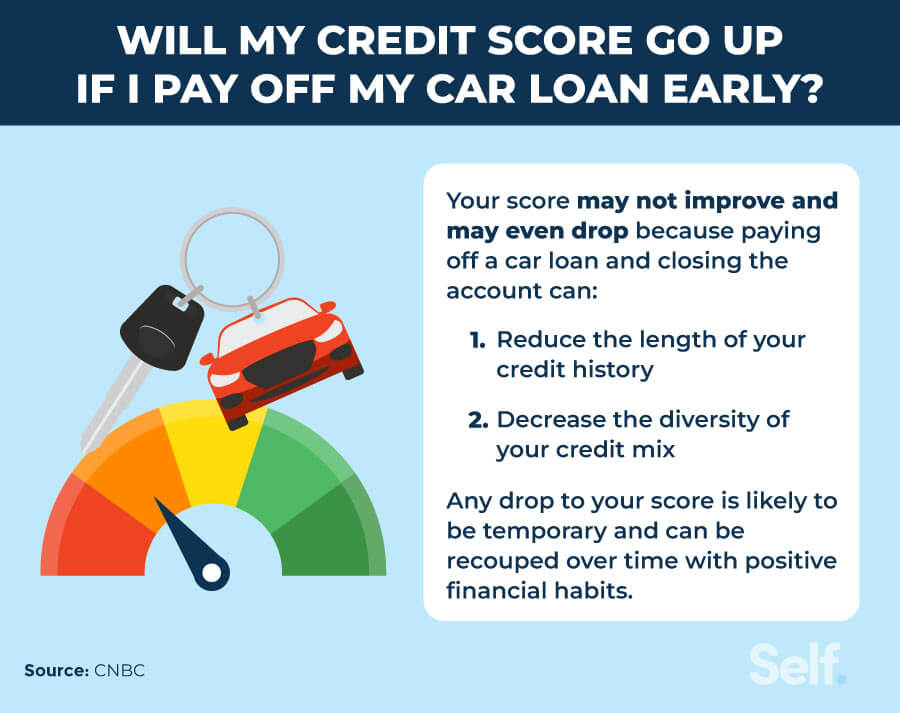
Paying off the loan does not automatically guarantee a higher credit score. A closed installment account can affect your credit mix and the age of your accounts. The effect varies by person and credit report.
Check your reports at AnnualCreditReport.com, the federally authorized source for free annual credit reports. Look for:
- A zero balance
- A closed or paid status
- No new late payment
- Correct payment history
- Correct loan dates
If the information is wrong, first contact the lender that reported it. You can also dispute inaccurate information with the credit reporting company.
Step-by-Step: How to Pay Off Your Car Correctly
Use this process to reduce errors and avoid delays.


Step 1: Review your loan documents
Find your lender’s:
- Customer service phone number
- Online account address
- Loan account number
- Payoff instructions
- Early payoff terms
- Lien-release process
Most U.S. consumer auto loans do not charge a prepayment penalty, but your contract controls. State law may also limit such charges.
Step 2: Request an official payoff quote
Ask the lender for a written payoff quote. Request the quote for the date when your payment will reach the lender.
Ask these questions:
- What is the exact payoff amount?
- When does the quote expire?
- What payment methods are accepted?
- Is there a fee for a wire, cashier’s check, or other method?
- How long will processing take?
- How will the lien be released?
- Will the title be mailed, electronic, or sent to the DMV?
- What happens if the payment is short or arrives late?
Use the lender’s verified website or the phone number on your statement. Be careful with payment instructions sent by email. Auto-loan payoff scams can use fake wire instructions or fake lender websites.
Step 3: Choose a safe payment method
Common methods include:
- Online bank transfer
- Cashier’s check
- Certified check
- Wire transfer
- Personal check, if the lender accepts it
A cashier’s check or wire may process faster, but it can be difficult to reverse. Confirm the payment address and instructions directly with the lender before sending a large amount.
Do not send money to an account name that does not match your lender without verifying why.
Step 4: Make the payment before the quote expires
Send the exact amount. If the payment will arrive after the quote expires, request a new quote.
Keep:
- The confirmation number
- The date and time of payment
- The payment amount
- The delivery or tracking record
- A copy of the payoff quote
Step 5: Confirm the account is closed
After the lender processes the payment, check the account. Look for a zero balance and a paid-in-full or closed status.
If the account still shows money due, contact the lender. A small remaining amount may result from daily interest, a payment-processing delay, or an incorrect payoff date.
Step 6: Confirm the lien release and title
Ask when the lender will release the lien and how you will receive the title. If the lender uses electronic records, the state may need extra time to update its system.


Do not assume the lien disappeared just because the account balance is zero. Confirm the state record or title before selling, transferring, or refinancing the car.
Step 7: Update your records and budget
Once the loan ends, cancel automatic loan payments. Do not cancel other automatic payments by mistake.
Move the old payment into a savings account if possible. This keeps the cash-flow habit while building funds for:
- Repairs
- Insurance deductibles
- Registration
- A replacement vehicle
- Emergency expenses
Do You Need to Change Your Car Insurance After Paying It Off?
You may be able to change your insurance after payoff, but you should not reduce coverage without considering the risk.
When you have a loan, the lender usually requires comprehensive and collision coverage. These cover damage to your car from events such as theft, hail, crashes, or other covered losses. After the lien ends, you may have more freedom to change coverage.
Before making a change, consider:
- The car’s current value
- Your ability to replace it
- Your deductible
- Your driving risk
- Whether you still need rental reimbursement
- Whether state law requires liability coverage
- Whether another person has an interest in the vehicle
Liability insurance is generally required by state law, but required limits differ. Comprehensive and collision coverage are different from liability coverage.
Contact your insurer before changing the policy. Ask whether removing a lienholder requires an endorsement or policy update. Do not remove the lender from the policy until the loan is actually paid and the lien is released.
When lowering coverage may make sense
Lowering optional coverage may be reasonable if the car has a low market value and you could afford to replace it. It may be less suitable if:
- The car is still worth a large amount
- You depend on it for work or medical care
- You could not pay for a major repair
- You have a high risk of theft, weather damage, or collision
- You have a long remaining driving life for the vehicle
The decision is not simply “the loan is gone, so insurance can go.” The key question is whether you can absorb the loss.

How Does Paying Off a Car Affect Your Credit?
Paying off a car loan can help your finances, but the credit effect is not always immediate or positive.
A paid-off loan may show a history of on-time payments. That history can remain on your credit report after the account closes. However, the account no longer adds an active installment loan to your credit profile.
Your score may:
- Rise
- Fall slightly
- Stay about the same
- Change later when other information updates


The result depends on your complete credit profile. Factors can include your payment history, credit card balances, account age, credit mix, and recent applications.
What paying off a car does not do
Paying off the loan does not:
- Erase accurate late payments
- Remove the account instantly
- Guarantee a credit-score increase
- Eliminate your need to pay other debts
- Stop lenders from reviewing your income and debt
Do not keep an expensive loan solely to protect your credit score. Interest costs are real, while the credit effect is uncertain.
Can You Get a Refund After Paying Off the Car?
You may receive a refund in some situations, but it is not automatic.
Possible refunds include:
- Unearned interest, if your contract or state law provides for it
- An overpayment caused by sending too much money
- A refund of certain unused add-on products
- A prorated service contract or insurance refund
- A refund from a positive escrow or reserve balance, if one exists
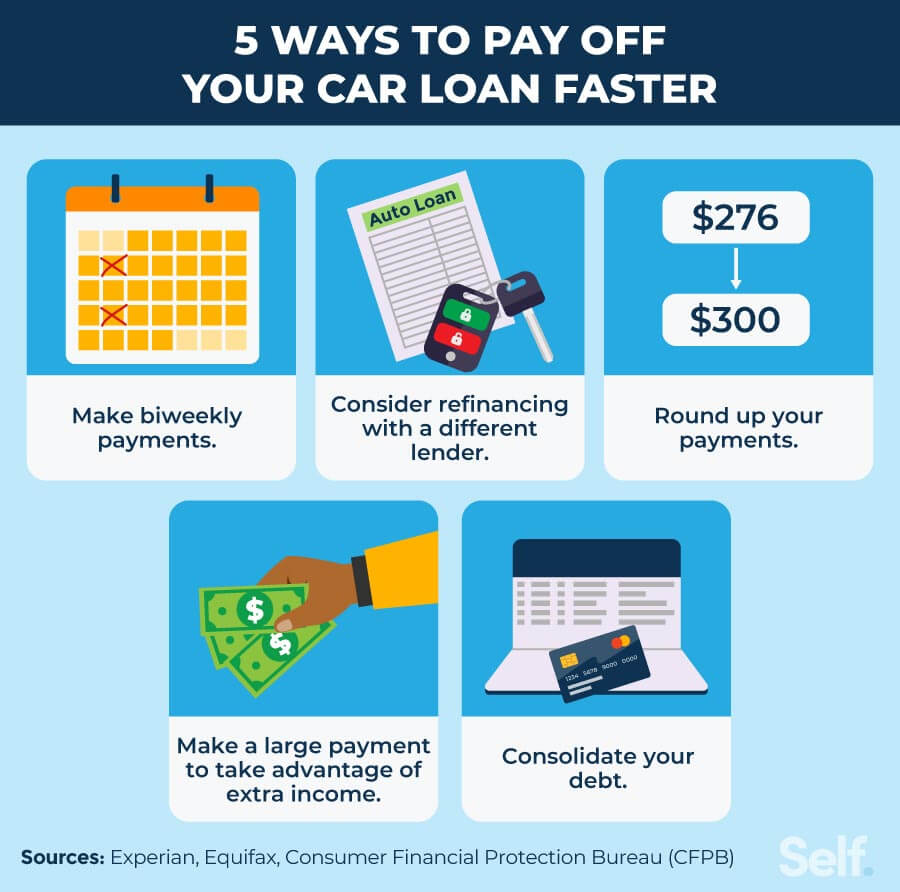
Many auto loans use simple interest. With a simple-interest loan, paying early may reduce future interest because interest does not build on future days. The savings depend on the contract, payment history, and payoff date.
Some contracts may include add-on products such as:
- Guaranteed asset protection, often called GAP coverage
- Credit insurance
- Vehicle service contracts
- Tire and wheel protection
- Maintenance plans
The refund rules depend on the agreement and the product. Contact the seller or administrator of the add-on, not only the lender, and request the refund terms in writing.
A simple hypothetical example
Suppose your payoff quote is $12,000 and you send $12,050. The lender may apply the extra $50 to the account and refund it, or it may handle the overpayment under its contract rules.
The result is not universal. Ask how the lender handles overpayments before sending funds.

What If the Title or Lien Release Does Not Arrive?
Start with the lender, then contact your state motor vehicle agency if needed.
Use this order:
- Confirm the payment cleared your bank.
- Confirm the lender marked the loan paid in full.
- Ask when the lien release was sent or filed.
- Confirm your mailing address.
- Ask whether the state uses electronic titles.
- Contact the DMV or state title office.
- File any required title or lien-release form.
- Keep copies of every document and case number.
A delay does not always mean the payoff failed. The lender may need time to process the payment, and state title systems may update on a separate schedule.


The issue needs faster attention if:
- The lender says the payment was not received
- The account still shows a balance
- The lender cannot locate the loan
- The title contains another lien
- You are selling the car soon
- Your vehicle record has an incorrect owner or lienholder
If the lender does not correct a documented error, you may submit a complaint to the Consumer Financial Protection Bureau. For title disputes, your state attorney general or motor vehicle agency may provide additional direction.
Should You Pay Off Your Car Loan Early?
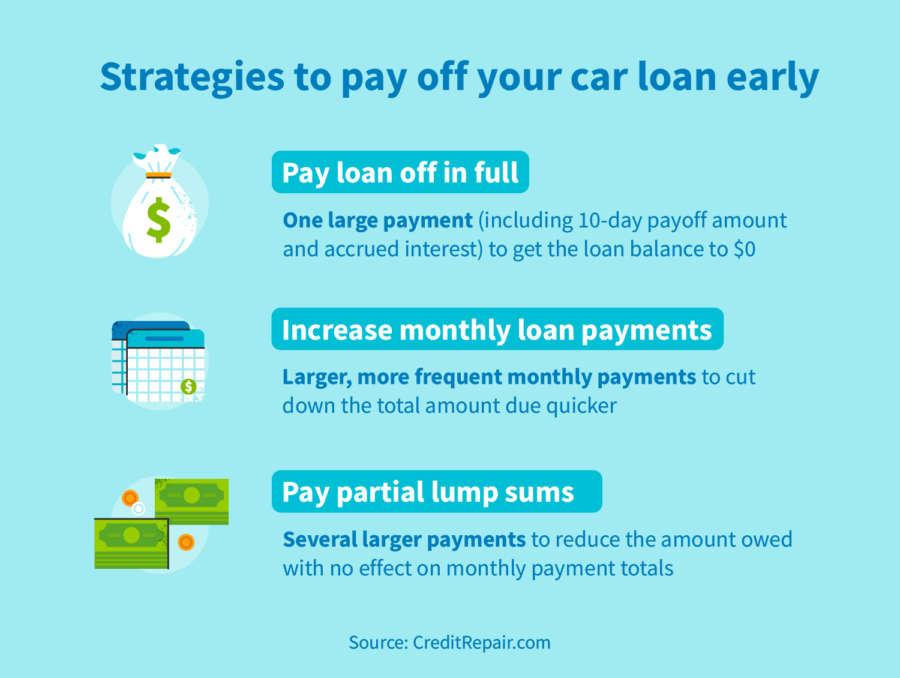
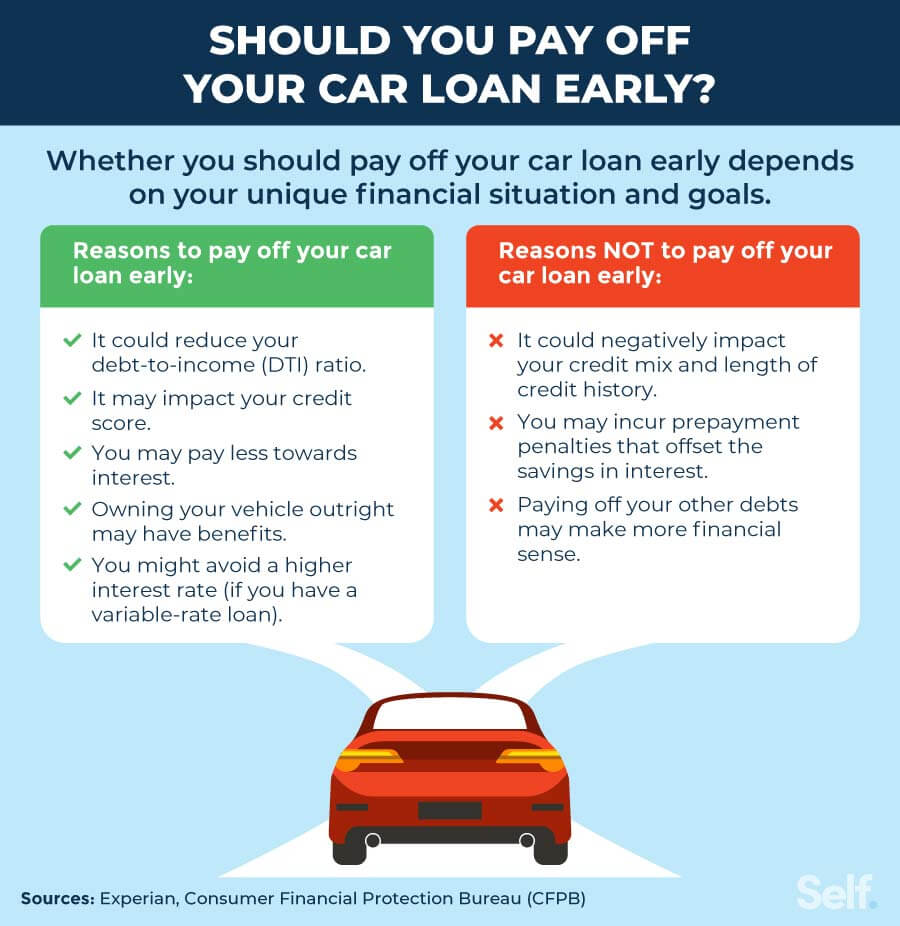
Paying early can save interest and remove the monthly payment. But it may not be the best use of your money in every situation.
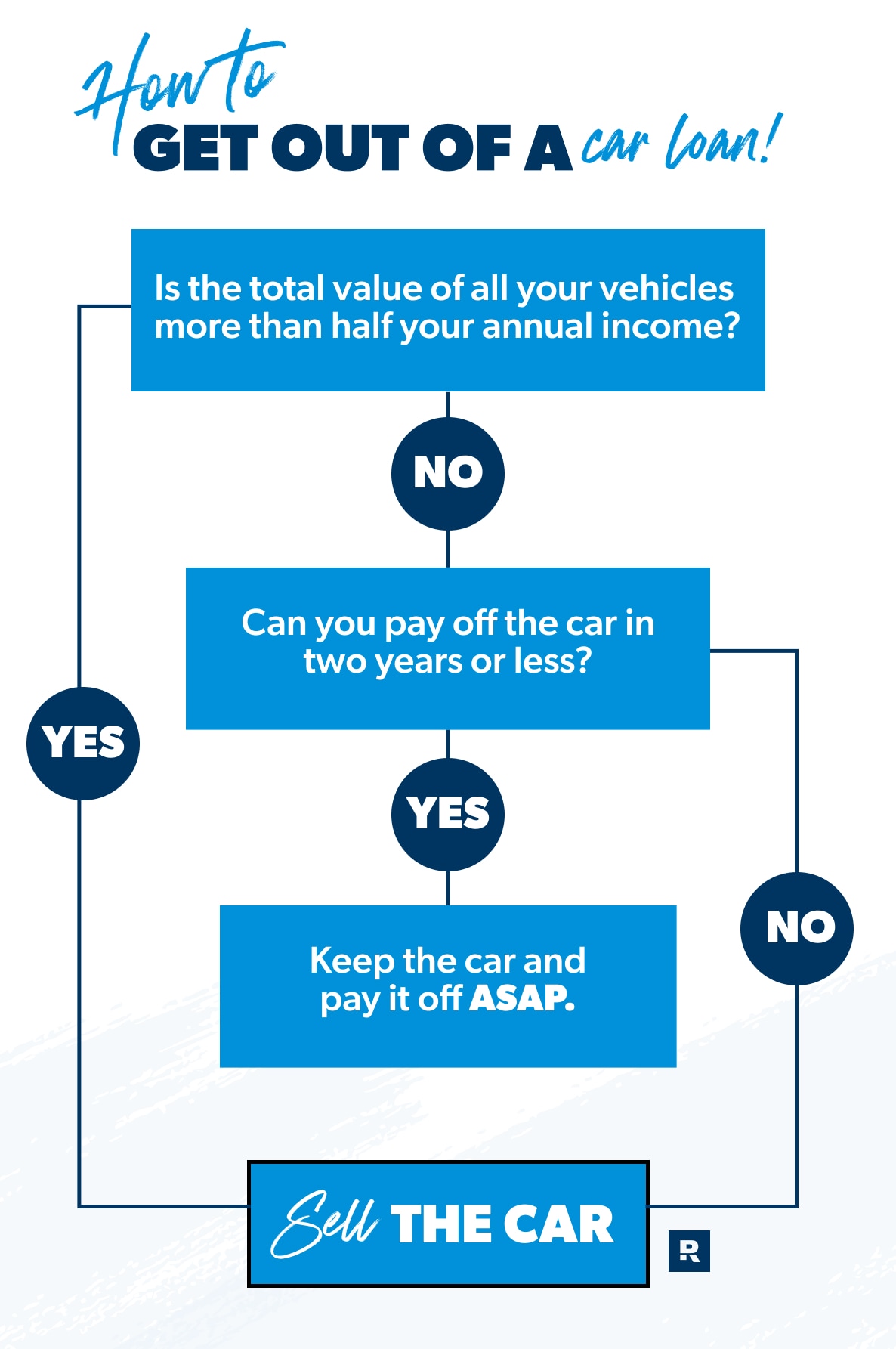
Consider paying early when:
- You have enough emergency savings
- You have no higher-interest debt
- The loan rate is high
- Your contract has no meaningful prepayment penalty
- You want lower monthly obligations
- You will still have money for repairs and bills
Consider keeping the loan when:
- Paying it off would empty your emergency fund
- You have credit card debt at a much higher rate
- You need cash for near-term medical, housing, or work costs
- The loan rate is very low
- Your income is uncertain
A practical comparison
| Choice | Main benefit | Main risk |
|---|---|---|
| Pay off the loan | Saves future interest and removes the payment | Reduces cash on hand |
| Keep the loan | Preserves cash and liquidity | You keep paying interest |
| Make a partial extra payment | Reduces principal over time | May not remove the monthly payment |
| Refinance | May reduce the rate or payment | May extend the term and add fees |
Do not compare only the monthly payment. Compare the total remaining interest, loan term, fees, and the value of keeping cash available.
Common Mistakes to Avoid
Several small mistakes can create delays or extra costs.
Using the statement balance
A statement balance may not include interest through the payment date. Request a current payoff quote instead.
Forgetting automatic payments
Cancel the loan’s automatic payment after the account closes. First confirm that the lender has received and processed the final payment.
Assuming the title is automatic
Some states and lenders update titles electronically. Others require you to apply for a clean title. Confirm the process.
Removing insurance too soon
Keep required coverage until the lender and state records show the lien is released. Also consider the financial risk of reducing optional coverage.
Ignoring add-on products
GAP coverage, service contracts, and credit insurance may have separate cancellation and refund rules. Review each contract.
Sending money after a suspicious email
Verify payoff instructions through a trusted lender phone number or secure account. A wire transfer can be hard to recover if it goes to a scammer.
Failing to check your credit report
A paid loan can still be reported incorrectly. Review the account after the lender has had time to update the bureaus.
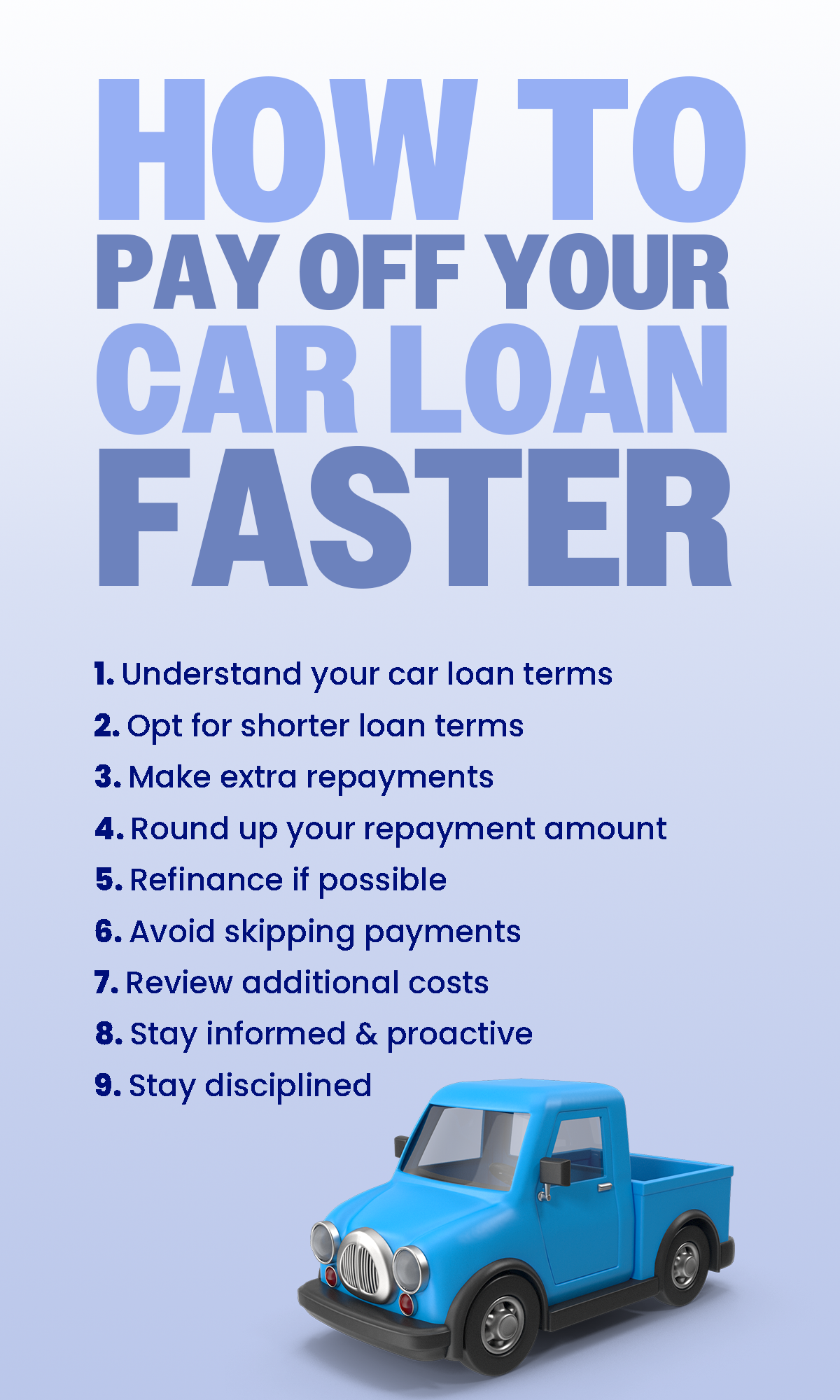
Payoff Checklist
Use this checklist when you are ready to finish the loan:
- Review the loan contract
- Request a written payoff quote
- Confirm the quote’s expiration date
- Verify payment instructions directly with the lender
- Send the exact payoff amount
- Save payment proof
- Confirm the account shows a zero balance
- Confirm the lender released the lien
- Obtain or request the updated title
- Update the insurer after the lien release
- Cancel the old loan autopay
- Ask about refunds for overpayments and add-ons
- Check your credit reports
- Keep payoff and title records

Frequently Asked Questions
Do I own the car immediately after paying it off?
You have satisfied the debt, but the title and lien records may not update instantly. Confirm that the lender released the lien and that the title record is correct.
How long does it take to receive a car title after payoff?
The time varies by lender, state, and title system. Some lenders process electronic releases quickly. Paper titles and DMV updates may take longer. Ask for a specific processing estimate and follow up if it passes.
Does paying off a car lower your credit score?
It can lower, raise, or barely change your score. The account may remain on your report with its payment history, but it will no longer be an active installment account.
Should I keep full coverage after paying off my car?
You may not be required to keep lender-required coverage after the lien ends, but dropping it shifts more risk to you. Compare the car’s value and your ability to replace it before changing the policy.
Can I sell my car right after paying it off?
Usually, yes, once the ownership and lien records are clear. A buyer, dealer, or state agency may require proof that the lien was released. Check the title before advertising or completing the sale.
Conclusion
Paying off a car loan ends the debt, but the process does not stop at the final payment. Confirm the zero balance, lien release, title, insurance update, credit report, and any possible refund.
Your next action is simple: request an official payoff quote from the lender and ask exactly how and when the title will be cleared. Keep every document until the records match what you paid.