

If you need tires mounted and balanced in the United States, start with an independent tire shop, a warehouse club, or a large tire chain. These shops often charge less than a dealership. The lowest price may come from a shop that lets you bring your own tires, but always ask about disposal fees, valve stems, tire pressure monitoring system (TPMS) service, and taxes before you book.
The best way to find a cheap deal is to call three local shops and request the total out-the-door price for all four tires.
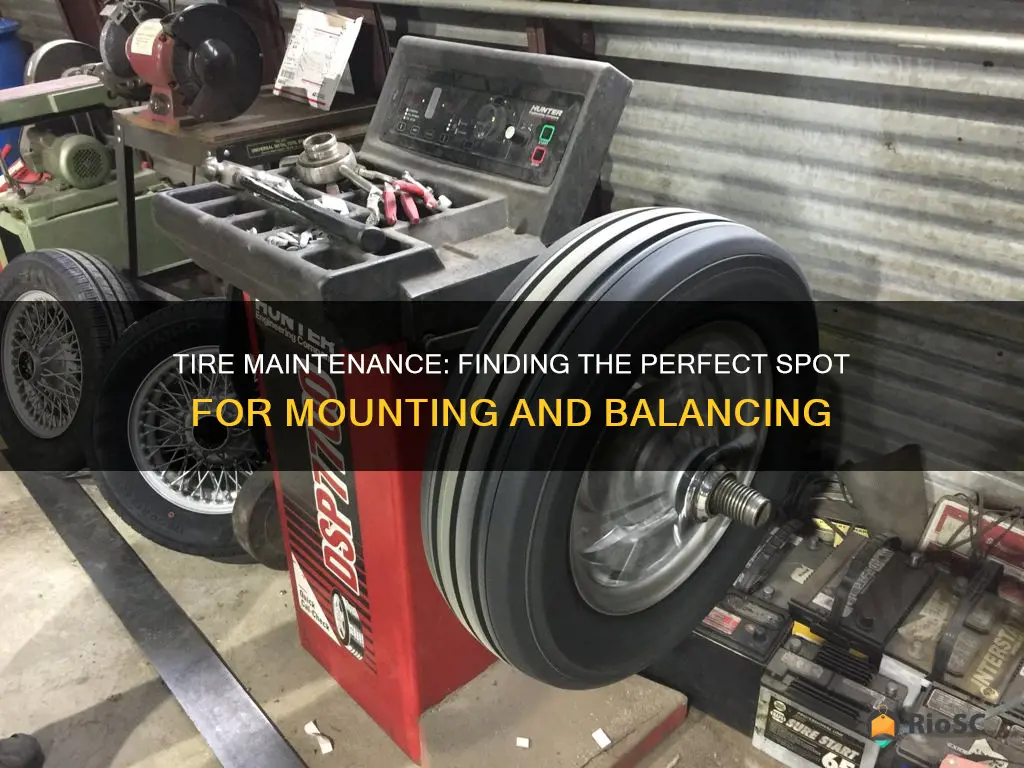
What tire mounting and balancing include
Mounting means removing the old tire from the wheel and installing the new tire. The technician then inflates the tire and seats its bead against the wheel.
Balancing means adding small weights to the wheel so the tire and wheel spin evenly. A balanced tire helps reduce steering-wheel vibration, uneven tread wear, and stress on suspension parts.


A standard tire installation may include:
- Removing the old tires
- Mounting the new tires
- Balancing each wheel and tire assembly
- Installing or servicing valve stems
- Checking and setting air pressure
- Resetting or servicing TPMS sensors
- Rotating tires, if included
- Disposing of old tires
Not every shop includes all of these services in one advertised price. A low mounting price can become expensive after add-on fees.
Mounting is not the same as alignment
Tire mounting and balancing do not correct wheel alignment.
An alignment adjusts the angles of the wheels. You may need one if your vehicle pulls to one side, the steering wheel is off center, or the tires show uneven wear. Alignment usually costs extra.
You may also need a wheel repair if a rim is bent or cracked. A tire shop should inspect the wheel before installing a new tire.
The cheapest places to get tires mounted and balanced
The best shop depends on where you bought the tires, whether you need four tires or one, and whether you have TPMS sensors.
| Place | Why it may cost less | What to check |
|---|---|---|
| Independent tire shop | Lower overhead and flexible pricing | Total labor, disposal, and warranty fees |
| Warehouse club | Competitive package pricing for members | Membership cost and purchase rules |
| Major tire chain | Frequent promotions and service packages | Whether the advertised price includes balancing |
| Online tire retailer installer | Convenient local installation network | Installer fee, shipping, and warranty terms |
| Mobile tire service | Saves travel time and may offer simple pricing | Equipment limits and service area |
| Used tire shop | Lower tire cost and quick service | Tire age, damage, tread, and safety |
| Dealership | Vehicle-specific knowledge | Usually higher labor rates |
1. Independent tire shops
An independent shop is often the first place to call for a low-cost installation. Local shops may offer a simple labor price and may mount tires purchased elsewhere.
Ask whether the quote includes:
- Mounting all four tires
- Computer balancing
- New rubber valve stems
- TPMS inspection
- Tire disposal
- Sales tax
- A return visit for rebalancing
Independent shops vary widely. A reputable shop should explain the work clearly and show you any unsafe tire or wheel condition before proceeding.
2. Warehouse clubs
Warehouse clubs can be a good value if you already have a membership and plan to buy the tires there. Their tire packages may include services such as balancing, rotation, or road-hazard coverage, but terms differ by club and tire purchase.


Do not compare only the labor charge. Compare the full package, including the tire price, membership cost, included services, appointment wait time, and warranty conditions.
3. Large tire chains
National tire chains often publish installation prices and run seasonal promotions. They may also have more than one nearby location, which makes it easier to compare appointments.
Read the fine print. Some advertised prices apply only when you buy tires from that store. Other prices may cover mounting and balancing but exclude TPMS parts, disposal, or premium valve stems.
4. Online tire retailers
Online retailers may let you ship tires to a local installer. This can reduce the tire price, but the installation charge still applies.
Before ordering, confirm:
- The installer accepts the exact tire size.
- The installer handles your vehicle's TPMS system.
- The shop can mount tires on your wheel type.
- The final labor price includes balancing.
- The warranty process is clear if the tire has a defect.
A cheap online tire price is not always the cheapest completed job.
5. Mobile tire services
Mobile technicians come to your home, workplace, or another approved location. They can be useful when you cannot safely drive on a damaged or flat tire.
Mobile service may not be the lowest price for four tires because it includes travel and on-site labor. It can still be a good value when it prevents towing or saves time.
6. Used tire shops
Used tires can reduce the total cost, but they need careful inspection. Ask to see the tire's date code and inspect the tread, sidewalls, bead area, and inner liner.
Avoid a used tire with:
- Cracks or bulges
- Exposed cords
- A puncture near the sidewall
- Uneven wear from a serious alignment problem
- A missing or unreadable identification mark
- Very old rubber
- Different size or load ratings from the vehicle requirement
The National Highway Traffic Safety Administration warns that tire age and condition matter even when tread remains. Check the vehicle owner's manual and the tire maker's guidance before buying used tires.
How to compare quotes correctly
Ask each shop the same question:
“What is the complete out-the-door price to mount and balance four tires on my vehicle, including disposal, valve stems, TPMS service, taxes, and any shop fees?”
Give the shop:
- Vehicle year, make, and model
- Tire size
- Number of tires
- Whether you are bringing the tires
- Whether the vehicle has TPMS
- Wheel diameter and type, if known
- Your ZIP code, if calling a chain with several locations
Use this simple calculation:
Total cost = tire price + mounting + balancing + parts + disposal + taxes + fees


For example, a shop may advertise low-cost mounting but charge separately for four valve stems, four TPMS service kits, tire disposal, and taxes. Another shop may quote a higher labor price but include those items.
The cheapest useful quote is the lowest complete price from a shop that has the right equipment and a safe installation process.
What affects the price?
Several details can raise the cost of mounting and balancing.
Tire size and wheel type
Large wheels, low-profile tires, run-flat tires, and stiff sidewalls can take more time and may require special equipment. Some shops charge more for these tires because the risk of damaging the tire or wheel is higher.
Chrome, polished, painted, or specialty wheels may also require extra care.
TPMS sensors
Most newer vehicles use tire pressure sensors. A shop may need to inspect, replace, program, or relearn a sensor after mounting a tire.
Ask whether the quote includes:
- A TPMS inspection
- A new service kit
- Sensor replacement
- Sensor programming
- A TPMS relearn procedure
A TPMS warning light after installation does not always mean the tire is bad. It may mean the system needs a relearn or has a sensor problem.
Tire disposal
Old tires usually carry a disposal or recycling fee. Ask whether the shop will remove the old tires from your vehicle and whether you may keep them.
Never leave unwanted tires at a roadside or regular trash site. State and local rules often control tire disposal.
Run-flat and specialty tires
Run-flat tires may need special tools and trained technicians. Some shops do not install them. Call before arrival instead of assuming any tire machine can handle them.
Wheel damage
A bent wheel can prevent proper balancing. If the technician cannot balance the assembly after several attempts, ask for the measured result and a wheel inspection.
Do not approve expensive repairs without a clear explanation of the problem.
How to get the lowest safe price
Use these steps before booking:
- Find the tire size. Read the sidewall or the label inside the driver's door. The owner's manual is also useful.
- Call at least three shops. Include one independent shop, one major chain, and one retailer that sells your tire brand.
- Request an itemized quote. Ask for the full total, not only the advertised installation price.
- Ask about bring-your-own-tire service. Some shops install customer-supplied tires; others do not.
- Check appointment timing. A lower price may not help if the shop cannot service the vehicle for several days.
- Confirm the warranty. Ask who handles a tire defect, road hazard, or balancing problem.
- Ask about a free recheck. Some shops will rebalance a tire at no labor charge if vibration returns soon after installation.
- Get the final price in writing. A text message, email, or printed estimate can prevent confusion.


Seasonal demand can affect availability. Shops may be busier during winter tire changes, long holiday travel periods, and major sales weekends.
Can a shop mount tires you bought online?
Often, yes, but not always. The shop must accept customer-supplied tires and have the tools for your tire and wheel combination.
Before ordering online, call the installer and ask:
- Do you install customer-supplied tires?
- What is the price per tire?
- Is balancing included?
- Do you charge a different rate for run-flats or low-profile tires?
- Can you service TPMS sensors?
- What happens if the tire arrives damaged or is the wrong size?
- Will you inspect the tire's date code before installation?
Have the tires shipped to a location that can receive and inspect them. If a tire is damaged in transit, it is easier to resolve the issue before installation.
Also check whether the online seller or installer limits road-hazard coverage for tires not purchased from that business.
What to check before leaving the shop
Before driving away, verify that:
- All four tires are the correct size.
- The load index and speed rating meet the vehicle requirement.
- Tire pressure matches the vehicle placard, not just the number molded on the tire.
- The TPMS warning light is off or the system has been reset as required.
- Wheel nuts were tightened with the correct procedure.
- The receipt lists the work performed.
- The old tires were removed or returned as requested.
Drive slowly at first and listen for unusual noise. On a safe road, note whether the steering wheel shakes at highway speed.
A vibration that appears after installation may come from an unbalanced assembly, a bent wheel, a tire problem, or another suspension issue. Return to the shop promptly. Do not keep driving at high speed while ignoring a strong vibration.
Common mistakes that make a cheap installation expensive
Choosing the lowest advertised number
A base price may exclude balancing, valve stems, disposal, taxes, or TPMS work. Compare complete quotes.
Ignoring the tire size
A tire can look close to the correct size and still be wrong for the vehicle. Use the door-jamb label and owner's manual.
Buying old or damaged tires
Low price does not compensate for unsafe rubber. Inspect the date code, sidewalls, tread, and repair history.
Skipping balancing
Mounting without balancing can cause vibration and uneven wear. Ask for computer balancing on every newly mounted tire.
Assuming alignment is included
Alignment is a separate service. Get it only when symptoms or inspection support the need.


Forgetting the spare tire
A full-size spare may need attention too, but a temporary spare usually has different requirements. Ask the shop before requesting service.
When should you choose a different shop?
Pay more or choose another shop when the cheapest provider:
- Cannot explain the total price
- Refuses to inspect the tires or wheels
- Has no equipment for your wheel type
- Will not discuss TPMS service
- Promises to repair unsafe sidewall damage
- Cannot provide a receipt
- Pressures you to buy an unnecessary service
- Says a strong vibration is normal
A low price is useful only when the work is done correctly. The wheel, tire, and vehicle must work together as one safety system.
For general tire safety information, review guidance from NHTSA and the Tire Industry Association. Use your vehicle owner's manual for the correct tire size, pressure, load rating, and speed rating.
Frequently asked questions
How much does it cost to mount and balance tires?
The price varies by location, tire size, wheel type, vehicle, and whether you bought the tires from the shop. Ask for a complete price for all tires, including fees and taxes, rather than relying on a low advertised starting price.
Is it cheaper to mount tires at Costco or Walmart?
It can be, but the answer depends on membership rules, tire purchase requirements, promotions, location, and included services. Compare the complete out-the-door price from each store with a local independent shop.
Can I bring my own tires to a tire shop?
Many independent shops and some chains accept customer-supplied tires. Policies differ, and the labor price may be higher. Confirm acceptance and the full fee before ordering tires online.
Do new tires always need balancing?
Yes, a tire and wheel assembly should be balanced after mounting. Even a new tire can have small weight differences that cause vibration when it spins.
Do I need an alignment after getting new tires?
Not automatically. An alignment may be useful if the old tires wore unevenly, the vehicle pulls, the steering wheel is off center, or a suspension part was repaired. Ask for an inspection instead of approving an alignment without a reason.
Bottom line
For cheap tire mounting and balancing in the United States, compare independent tire shops, warehouse clubs, major tire chains, and online installer networks. Ask for the full out-the-door price and confirm that balancing, disposal, valve stems, and TPMS service are included or clearly listed.
Call three shops with your tire size and vehicle details. Choose the lowest complete quote from a shop that uses the right equipment, provides a receipt, and will correct a vibration or installation problem if one appears.
