

Most common causes are a dead battery, a bad starter, fuel delivery problems, or an immobilizer issue.
I’ve spent years diagnosing no-start cars in shops and on the roadside, so I know how frustrating and confusing it can be when you turn the key and nothing happens. This article explains why my car won't start in clear, step-by-step terms, shows how to troubleshoot safely, and offers real-world tips from my experience to get you back on the road faster.
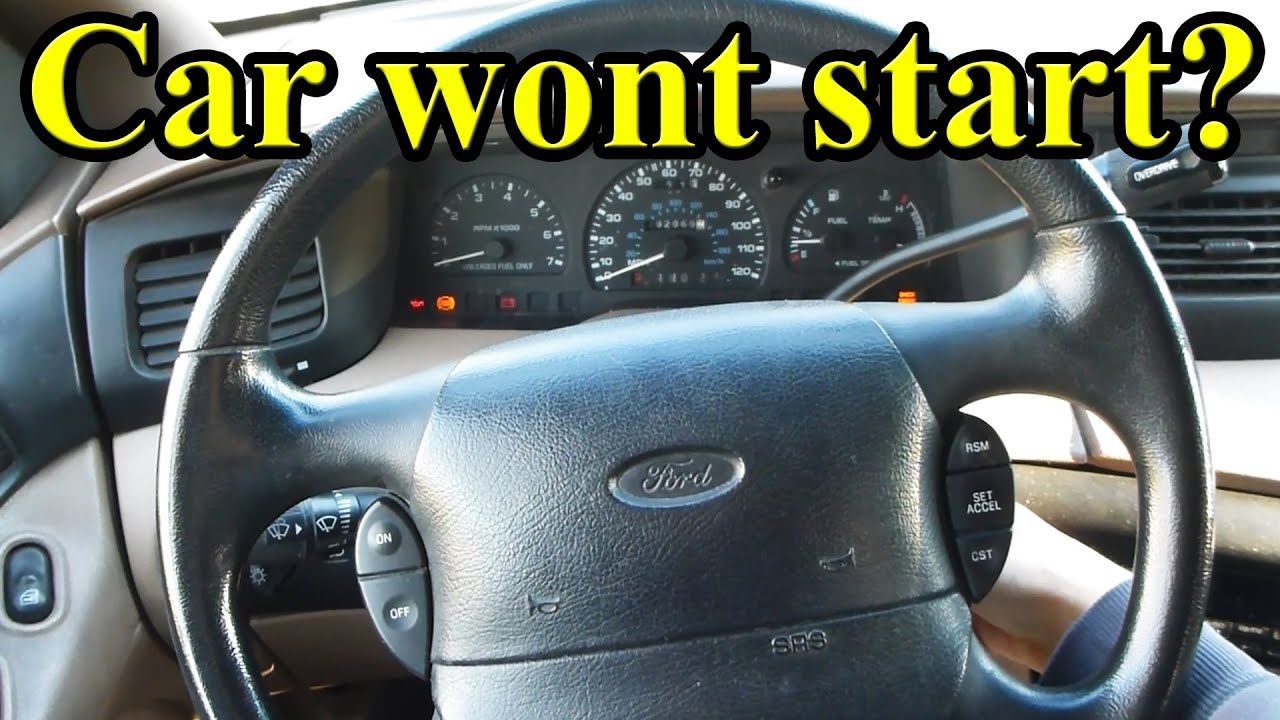
Common reasons your car won't start
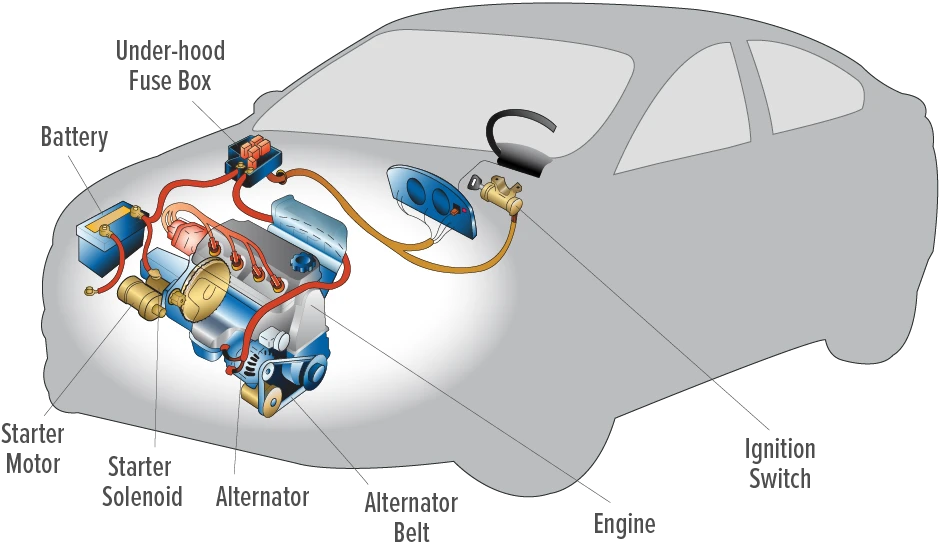
Car starting problems usually come from a few main systems: the battery and electrical system, the starter and ignition, the fuel delivery system, and security or key issues. Each system can fail in different ways, so isolating the cause is the first step.
Common signs to watch for:
- Clicking noise when turning the key usually points to a weak battery or bad starter.
- Engine cranks but won't start points to fuel, spark, or timing issues.
- No sound at all often means a dead battery or an electrical cut-off like a blown fuse.
- Security light blinking can mean the immobilizer is preventing start.
From my years working on cars, I learned to ask simple questions first: Does the dash light up? Do you hear the fuel pump? Is there a clicking noise? Those answers narrow down why my car won't start quickly.
How to troubleshoot step-by-step
Follow this checklist in order to find out why my car won't start. Each step is safe for most drivers and avoids unnecessary repairs.
Check the basics
- Make sure the car is in Park or Neutral.
- Hold the brake and try starting again.
- Look for warning lights on the dash.
Listen and observe
- No lights and no sound — check the battery.
- Lights but only clicks — try a jump or test the starter.
- Engine cranks but won't run — check fuel and spark.
Battery check
- Try jump-starting with jumper cables or a jump pack.
- If the car starts after a jump, the battery or alternator is likely the issue.
Starter and ignition checks
- Tap the starter lightly (only on older cars) to see if it engages.
- Try starting in Neutral as a test.
Fuel and spark checks
- Turn the key to the “On” position and listen for the fuel pump prime.
- If you have spark tester tools, check for ignition spark.
Safety and immobilizer
- Check for a blinking security light.
- Try using a spare key if available.
When in doubt, get codes
- Use an OBD-II scanner to read any stored engine or body control codes.
- Codes often point directly to why my car won't start.
From my experience, following these steps finds the culprit in about 80% of cases. If you hit a dead end, stop and call a professional to avoid causing more damage.

Quick troubleshooting questions
Why does my car make a clicking sound but won’t start?
A rapid clicking usually means the battery can’t supply enough current to the starter; often jump-starting or replacing the battery fixes this.
Why does the engine crank but not start?
Cranking without starting points to lack of fuel, lack of spark, or timing problems; check the fuel pump, ignition coils, and error codes.
Could cold weather be the reason my car won't start?
Yes. Cold reduces battery output and thickens engine oil and fuel mixtures, making starts harder; block heaters or battery warmers help in very cold climates.
Battery and electrical issues
Battery and charging problems are the most common reason my car won't start. Batteries age, terminals corrode, and alternators fail.
Key signs of battery issues:
- Dim dashboard lights before trying to start.
- Rapid clicking noise.
- Car starts with a jump but dies soon after.
How to inspect:
- Look for corroded or loose battery terminals.
- Measure voltage: a healthy resting battery reads about 12.6 V; anything below 12.2 V is weak.
- After starting, the alternator should provide around 13.5–14.5 V; lower suggests alternator trouble.
Practical tips from the field:
- Clean terminals with a wire brush and baking soda solution.
- Replace batteries older than 4–6 years proactively.
- Carry a small jump pack if you commute daily.

Fuel and engine issues
Fuel delivery and engine management problems keep the engine from firing even if the starter and battery work.
Common fuel-related causes:
- Empty fuel tank or faulty fuel gauge.
- Bad fuel pump or clogged fuel filter.
- Flooded engine from repeated cranking.
- Fuel injectors not operating.
Signs to check:
- No sound of fuel pump prime when key turned to On.
- Smell of gasoline (flooded) or strong rotten fuel smell (old gas).
- OBD-II codes for fuel system errors.
Simple fixes and checks:
- Verify there’s fuel—sounds basic but happens often.
- If you suspect a clogged filter, replacing it can restore flow.
- For older cars, a failing mechanical fuel pump may need replacement.
From personal experience, I once diagnosed a no-start that boiled down to a cheap in-line fuel filter—cost under $30 and the car ran like new.

Ignition, starter, and key problems
The starter motor and ignition system convert electrical energy into engine rotation and spark. Failures here are common causes of "why my car won't start."
Starter and ignition signs:
- Single click or no sound when turning key indicates starter solenoid or motor failure.
- Grinding noise suggests worn starter gear.
- Intermittent starting often points to failing starter bushings or relay.
Key and immobilizer issues:
- Transponder keys and immobilizers can block starting if they fail.
- A security light or engine light may indicate immobilizer activity.
- Using a spare key often reveals if the key itself is the problem.
When to replace parts:
- If the starter draws excessive current or makes grinding noises, replace it.
- Avoid repeatedly cranking a bad starter; it can drain the battery and overheat parts.
Weather, age, and environmental factors
Cold, heat, humidity, and corrosion all play roles in why my car won't start. Age causes wiring insulation to crack and connectors to corrode, increasing failure risk.
Typical weather effects:
- Cold reduces battery capacity and thickens oil, making starting harder.
- Heat can damage electrical components and evaporate fuel.
- Moisture can short sensors and relays.
Preventive measures:
- Park in a garage or use a car cover when possible.
- Use season-appropriate oil and fuel additives if you live in extreme climates.
- Inspect wiring and connectors annually, especially in older cars.

Maintenance tips to prevent no-starts
Routine maintenance cuts the chance your car won't start. Small investments now prevent expensive roadside calls later.
Essential maintenance checklist:
- Replace battery every 4–6 years or when weak.
- Change spark plugs and ignition components as recommended.
- Replace fuel filters and inspect the fuel pump periodically.
- Keep the starter and alternator tested during regular service.
- Update key batteries and test immobilizer functions.
My real-world tip: When I bought a used car, I replaced the battery and spark plugs on day one. That one-hour investment avoided multiple no-start scenarios in the first winter.

When to call a mechanic
Try basic checks yourself, but call a pro if:
- You see smoke, burning smells, or fluid leaks.
- The car cranks badly or not at all after basic tests.
- Electronic or security system faults persist.
- You lack tools or experience to diagnose fuel injection or timing systems.
What to expect from a shop:
- Complete battery and alternator load tests.
- Starter current draw tests and bench checks.
- Diagnostic scan for stored trouble codes and live data.
If you’re unsure, a professional inspection often costs less than towing and repeated DIY mistakes.
Frequently Asked Questions of why my car won't start
Why does my car sometimes start after a jump but then dies?
If the vehicle starts with a jump but dies shortly after, the alternator may not be charging the battery properly, or the battery is failing to hold a charge.
Why does my dashboard light up but the car won't crank?
Dash lights with no crank usually mean the starter or starter relay is bad, or there is a high-resistance connection preventing current flow.
Can old fuel cause my car not to start?
Yes. Old or contaminated fuel can clog injectors or fail to ignite properly, leading to hard starts or no-start conditions.
Is a blown fuse a common reason my car won't start?
Blown fuses can disable fuel pumps, starter circuits, or ignition systems; they are less common but an easy and cheap thing to check.
Will a faulty key fob stop my car from starting?
A damaged key fob battery or a malfunctioning transponder chip can prevent the immobilizer from recognizing the key, blocking the start.
Conclusion
No-starts are usually traceable to the battery, starter, fuel delivery, ignition, or security systems. Use a calm, logical checklist: observe, listen, test the battery, scan codes, and perform simple fuel and ignition checks. My experience shows that most problems are solvable with basic tools and a methodical approach, while complex electrical or engine-timing issues are best left to professionals. Take action now: check the easy items first, keep a jump pack in your car, and schedule routine maintenance to reduce future no-start surprises. If this guide helped, leave a comment with your specific symptom or subscribe for more practical car repair tips.